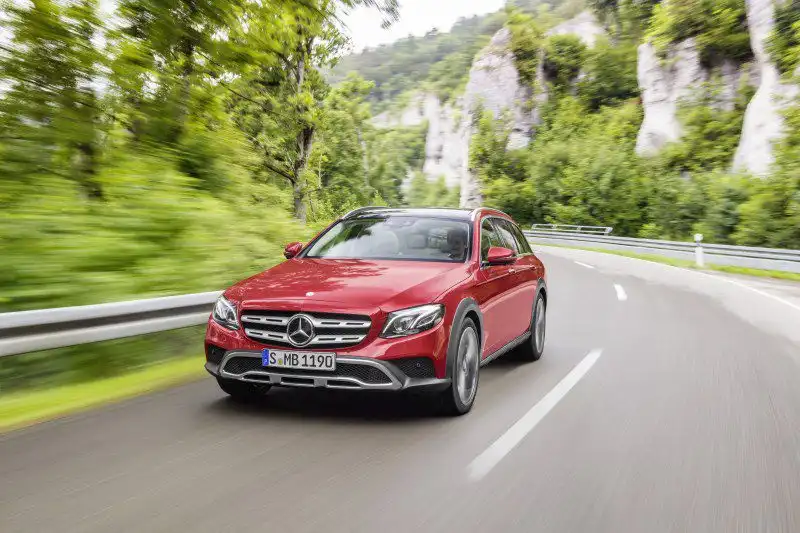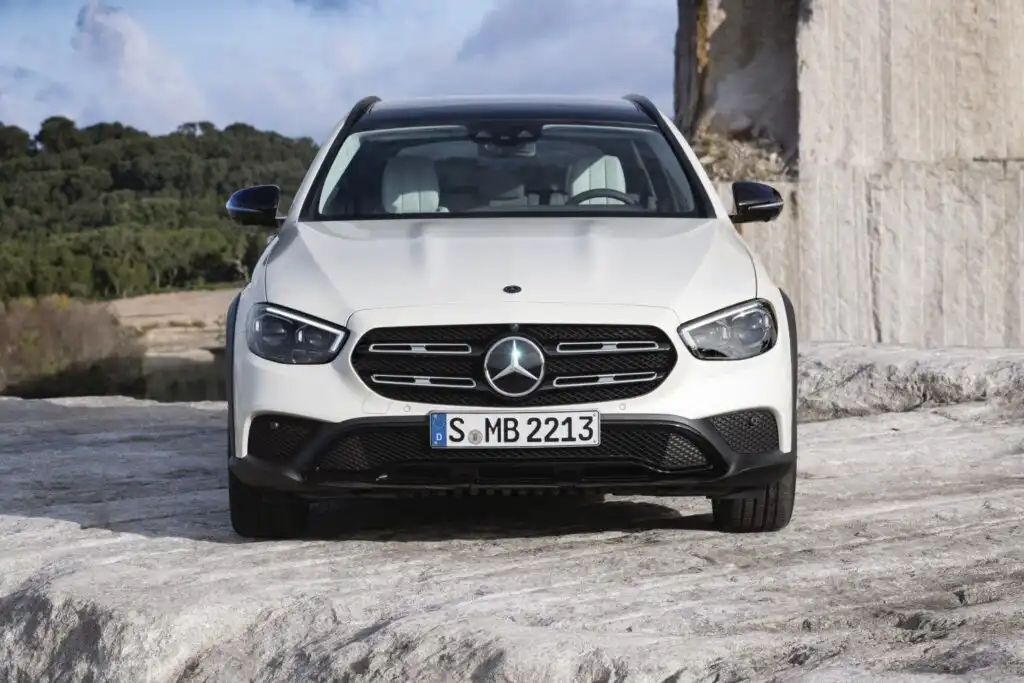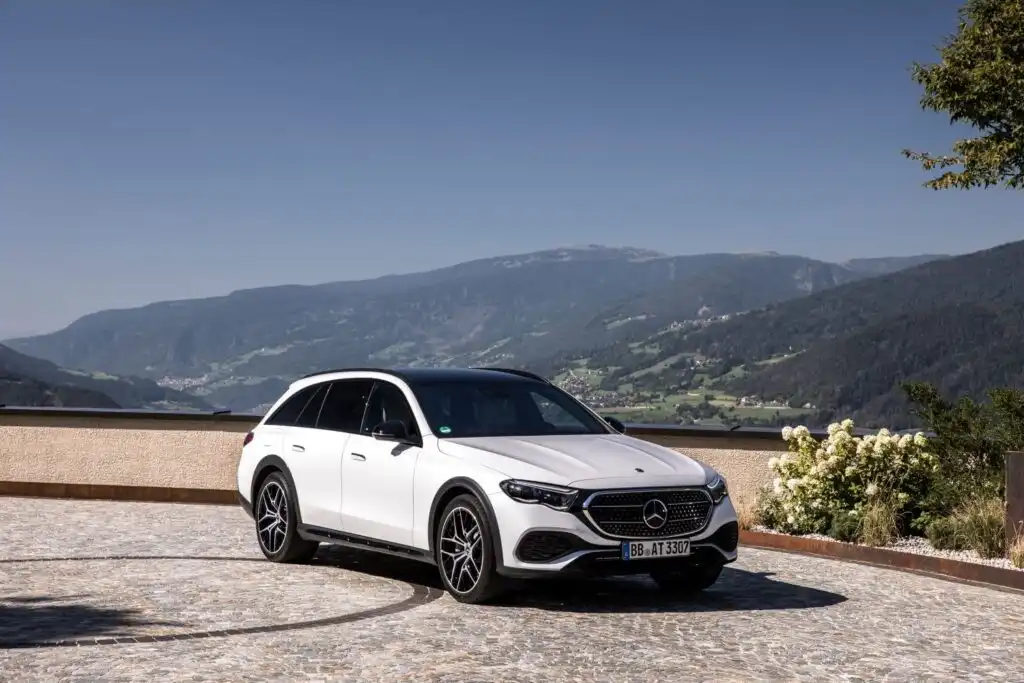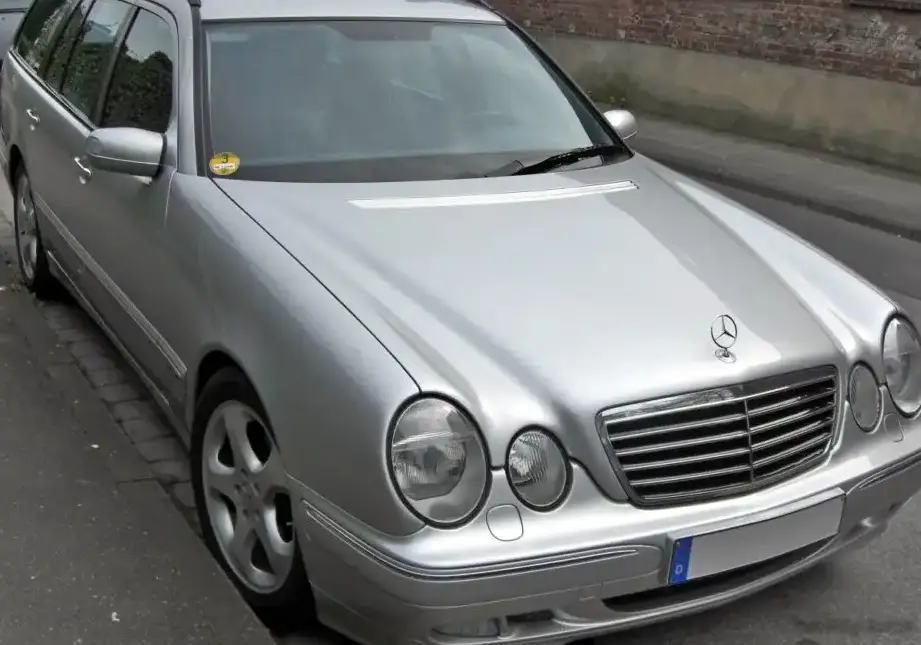
The Mercedes-Benz E-Class T-modell (S210) facelift E 270 CDI, produced from February 1999 to December 2002, represented a significant offering in the premium wagon segment. Positioned as a practical yet luxurious vehicle, the E 270 CDI combined the versatility of a station wagon with the refinement expected of the E-Class. This variant was part of the S210 series, a facelifted version of the W210 E-Class, addressing some criticisms of the earlier model and introducing updated styling and technology. It served as a key model for buyers seeking a fuel-efficient and capable family vehicle with a focus on long-distance comfort.
Technical Specifications
| Brand | Mercedes-Benz |
| Model | E-Class |
| Generation | E-Class T-modell (S210, facelift 1999) |
| Type (Engine) | E 270 CDI (170 Hp) |
| Start of production | February, 1999 |
| End of production | December, 2002 |
| Powertrain Architecture | Internal Combustion engine |
| Body type | Station wagon (estate) |
| Seats | 5 |
| Doors | 5 |
| Fuel consumption (urban) | 9.6 l/100 km (24.5 US mpg) |
| Fuel consumption (extra urban) | 5.6 l/100 km (42 US mpg) |
| Fuel consumption (combined) | 7.1 l/100 km (33.1 US mpg) |
| Fuel Type | Diesel |
| Acceleration 0 – 100 km/h | 9.5 sec |
| Acceleration 0 – 62 mph | 9.5 sec |
| Acceleration 0 – 60 mph | 9 sec |
| Maximum speed | 215 km/h (133.59 mph) |
| Emission standard | Euro 3 |
| Weight-to-power ratio | 10.2 kg/Hp |
| Weight-to-torque ratio | 4.7 kg/Nm |
| Power | 170 Hp @ 4200 rpm |
| Torque | 370 Nm @ 1600 rpm (272.9 lb.-ft. @ 1600 rpm) |
| Engine layout | Front, Longitudinal |
| Engine Model/Code | OM 612 DE 27 LA/612.961 |
| Engine displacement | 2685 cm3 (163.85 cu. in.) |
| Number of cylinders | 5 |
| Engine configuration | Inline |
| Cylinder Bore | 88 mm (3.46 in.) |
| Piston Stroke | 88.3 mm (3.48 in.) |
| Compression ratio | 18:1 |
| Number of valves per cylinder | 4 |
| Fuel injection system | Diesel Commonrail |
| Engine aspiration | Turbocharger, Intercooler |
| Valvetrain | DOHC |
| Engine oil capacity | 7 l (7.4 US qt | 6.16 UK qt) |
| Coolant capacity | 10.6 l (11.2 US qt | 9.33 UK qt) |
| Kerb Weight | 1730 kg (3814 lbs.) |
| Max. weight | 2310 kg (5092.68 lbs.) |
| Max load | 580 kg (1278.68 lbs.) |
| Trunk (boot) space – minimum | 600 l (21.19 cu. ft.) |
| Trunk (boot) space – maximum | 1975 l (69.75 cu. ft.) |
| Fuel tank capacity | 70 l (18.49 US gal | 15.4 UK gal) |
| Length | 4839 mm (190.51 in.) |
| Width | 1799 mm (70.83 in.) |
| Height | 1505 mm (59.25 in.) |
| Wheelbase | 2833 mm (111.54 in.) |
| Front track | 1534 mm (60.39 in.) |
| Rear track | 1538 mm (60.55 in.) |
| Drag coefficient (Cd) | 0.33 |
| Drivetrain Architecture | Rear wheel drive |
| Number of gears | 6 gears, manual transmission |
| Front suspension | Double wishbone |
| Rear suspension | Hydro-pneumatic element, Independent multi-link suspension |
| Front brakes | Ventilated discs |
| Rear brakes | Disc |
| Assisting systems | ABS (Anti-lock braking system) |
| Steering type | Steering rack and pinion |
| Power steering | Hydraulic Steering |
| Tires size | 215/55 R16 |
| Wheel rims size | 7.5J x 16 |
Powertrain & Engine Architecture
The E 270 CDI was powered by the OM612 DE 27 LA engine, a 2.7-liter inline-five cylinder diesel engine. This engine was a cornerstone of Mercedes-Benz’s diesel offerings during this period, known for its robust construction and relatively quiet operation for a diesel. The ‘DE’ designation indicated a diesel engine with direct injection, while ‘LA’ signified a specific engine variant. The engine utilized a sophisticated common rail direct injection system, delivering fuel at extremely high pressure for improved combustion efficiency and reduced emissions. A turbocharger with an intercooler further enhanced performance, boosting power output to 170 horsepower and 370 Nm (272.9 lb-ft) of torque. The engine featured a double overhead camshaft (DOHC) valvetrain with four valves per cylinder, optimizing gas flow and contributing to its power delivery. The standard transmission was a 6-speed manual, although a 5-speed automatic transmission was also available, impacting the driving experience and fuel economy.
Driving Characteristics
The E 270 CDI with the manual transmission offered a balanced driving experience. While not a sports car, the engine’s substantial torque – available from as low as 1600 rpm – provided strong acceleration in everyday driving situations. The 6-speed manual allowed drivers to keep the engine in its optimal power band, making overtaking maneuvers relatively effortless. The automatic transmission, while offering convenience, did slightly diminish performance and fuel economy. The gear ratios were tuned for fuel efficiency and comfortable cruising, rather than outright speed. Compared to the more powerful E 320 CDI or the gasoline-powered E 320, the E 270 CDI prioritized fuel economy and torque over peak horsepower. The rear-wheel drive configuration provided a traditional driving feel, although it could be less forgiving in slippery conditions compared to all-wheel drive variants.
Equipment & Trim Levels
The E 270 CDI T-modell typically came well-equipped, reflecting Mercedes-Benz’s commitment to luxury and comfort. Standard features included automatic climate control, power windows and mirrors, a multi-function steering wheel, and a high-quality audio system. Interior upholstery was typically a durable fabric, with leather options available as an upgrade. The dashboard layout was typical of the W210/S210 series, characterized by a functional and elegant design. Optional extras included a sunroof, navigation system, heated seats, and upgraded audio systems. The wood trim offered a touch of sophistication to the interior. The T-modell (estate) configuration naturally included features geared towards practicality, such as a split-folding rear seat and a large cargo area.
Chassis & Braking
The S210 E-Class featured a robust chassis designed for both comfort and handling. The front suspension utilized a double wishbone setup, while the rear employed an independent multi-link suspension, often incorporating a hydro-pneumatic element for enhanced ride quality. This suspension configuration provided a comfortable ride while maintaining reasonable handling characteristics. Braking duties were handled by ventilated discs at the front and solid discs at the rear, equipped with an Anti-lock Braking System (ABS) as standard. The steering was a rack and pinion system with hydraulic power assistance, providing precise and responsive steering feel. The E 270 CDI, due to its weight, benefited from the stability offered by the well-engineered suspension and braking systems.
Market Reception & Comparison
The E 270 CDI T-modell was generally well-received by automotive critics. It was praised for its fuel efficiency, comfortable ride, and spacious interior. The diesel engine was noted for its refinement and strong torque output. However, some critics pointed to the relatively high price compared to competitors and the somewhat dated interior design. Compared to the gasoline-powered E 280 or E 320, the E 270 CDI offered significantly better fuel economy, making it a popular choice for drivers covering long distances. Against other diesel wagons, such as the BMW 5 Series Touring or Audi A6 Avant, the E 270 CDI held its own in terms of refinement and practicality.
Legacy
The OM612 engine family, including the 2.7-liter variant found in the E 270 CDI, has proven to be remarkably durable and reliable. With proper maintenance, these engines can accumulate high mileage without major issues. In the used car market, the E 270 CDI T-modell remains a sought-after vehicle, particularly among those seeking a practical and reliable wagon with good fuel economy. However, potential buyers should be aware of the age-related issues common to older vehicles, such as wear and tear on suspension components and potential issues with the electronic systems. The E 270 CDI represents a high point in Mercedes-Benz’s diesel wagon offerings, combining luxury, practicality, and fuel efficiency in a well-engineered package.