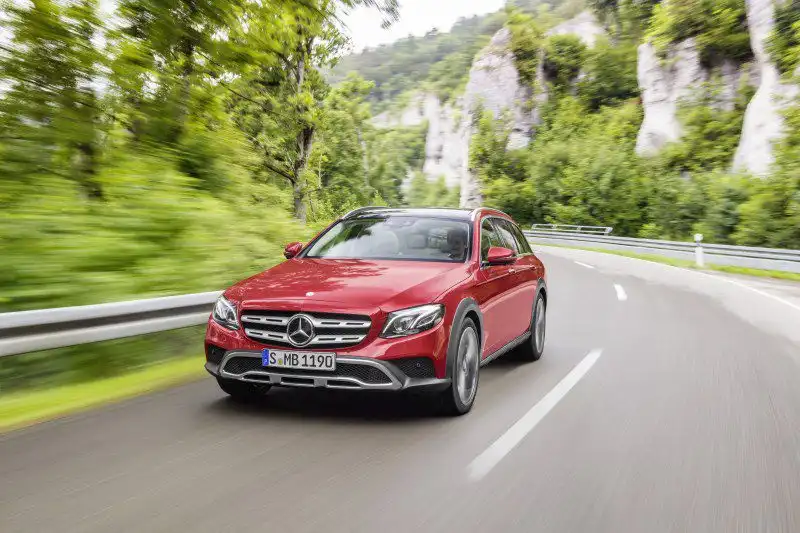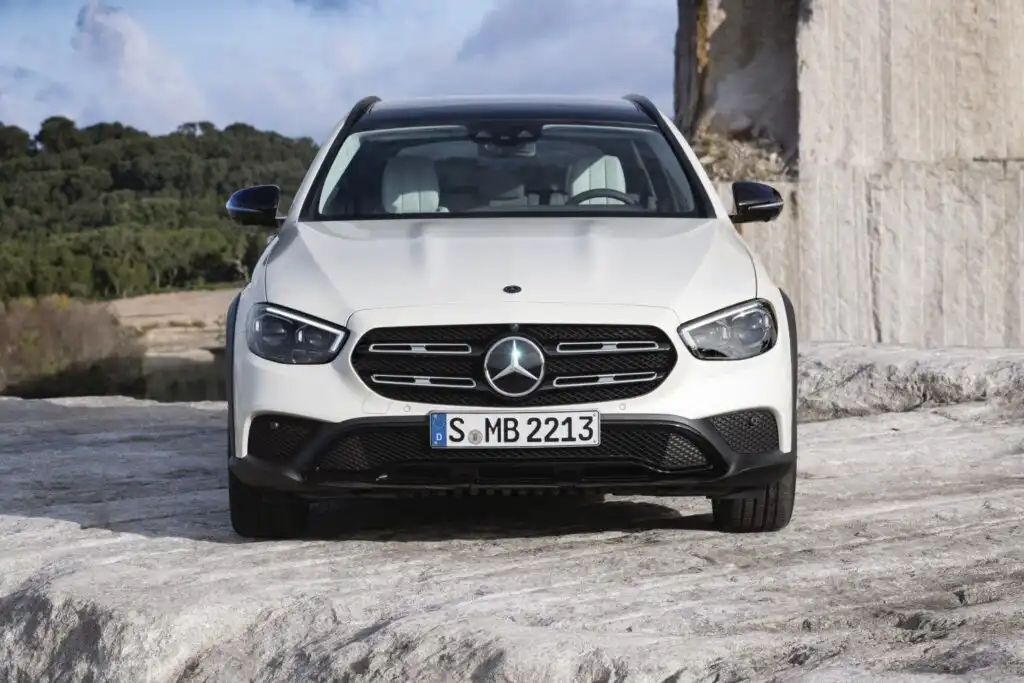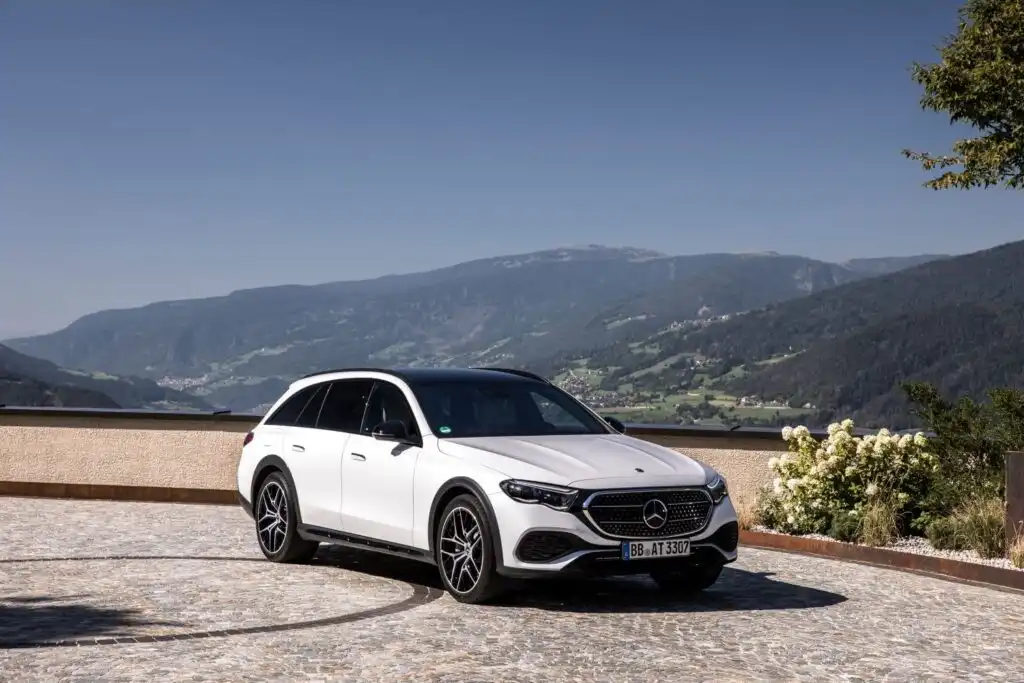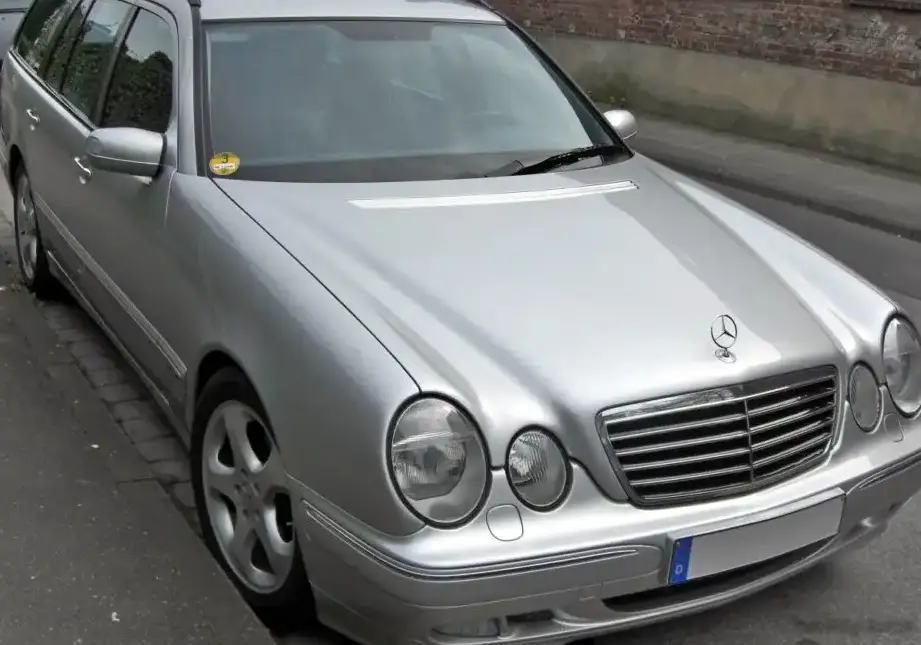
The Mercedes-Benz E-Class T-modell (S210) facelift, specifically the E 280 4MATIC Automatic produced between 1999 and 2002, represents a compelling blend of practicality, luxury, and all-weather capability within the mid-size executive wagon segment. This variant occupied a mid-range position in the S210 lineup, offering a step up in performance and refinement from the base models while remaining more accessible than the high-performance E 55 AMG. The S210 facelift brought significant updates to the original W210 platform, addressing criticisms regarding build quality and aesthetics, solidifying the E-Class’s reputation as a benchmark in its class.
Technical Specifications
| Brand | Mercedes-Benz |
| Model | E-Class |
| Generation | E-Class T-modell (S210, facelift 1999) |
| Type (Engine) | E 280 (204 Hp) 4MATIC Automatic |
| Start of production | July, 1999 |
| End of production | September, 2002 |
| Powertrain Architecture | Internal Combustion engine |
| Body type | Station wagon (estate) |
| Seats | 5 |
| Doors | 5 |
| Fuel consumption (urban) | 16.5 l/100 km (14.3 US mpg, 17.1 UK mpg, 6.1 km/l) |
| Fuel consumption (extra urban) | 8.6 l/100 km (27.4 US mpg, 32.8 UK mpg, 11.6 km/l) |
| Fuel consumption (combined) | 11.5 l/100 km (20.5 US mpg, 24.6 UK mpg, 8.7 km/l) |
| Fuel Type | Petrol (Gasoline) |
| Acceleration 0 – 100 km/h | 10.2 sec |
| Acceleration 0 – 62 mph | 10.2 sec |
| Acceleration 0 – 60 mph | 9.7 sec |
| Maximum speed | 217 km/h (134.84 mph) |
| Weight-to-power ratio | 8.9 kg/Hp, 112.7 Hp/tonne |
| Weight-to-torque ratio | 6.7 kg/Nm, 149.2 Nm/tonne |
| Power | 204 Hp @ 5700 rpm |
| Power per litre | 72.9 Hp/l |
| Torque | 270 Nm @ 3000-5000 rpm (199.14 lb.-ft. @ 3000-5000 rpm) |
| Engine layout | Front, Longitudinal |
| Engine Model/Code | M 112 E 28 / 112.921 |
| Engine displacement | 2799 cm3 (170.81 cu. in.) |
| Number of cylinders | 6 |
| Engine configuration | V-engine |
| Cylinder Bore | 89.9 mm (3.54 in.) |
| Piston Stroke | 73.5 mm (2.89 in.) |
| Compression ratio | 10:1 |
| Number of valves per cylinder | 3 |
| Fuel injection system | Multi-port manifold injection |
| Engine aspiration | Naturally aspirated engine |
| Valvetrain | SOHC |
| Engine oil capacity | 8 l (8.45 US qt | 7.04 UK qt) |
| Coolant | 10 l (10.57 US qt | 8.8 UK qt) |
| Kerb Weight | 1810 kg (3990.37 lbs.) |
| Max. weight | 2250 kg (4960.4 lbs.) |
| Max load | 440 kg (970.03 lbs.) |
| Trunk (boot) space – minimum | 600 l (21.19 cu. ft.) |
| Trunk (boot) space – maximum | 1920 l (67.8 cu. ft.) |
| Fuel tank capacity | 70 l (18.49 US gal | 15.4 UK gal) |
| Length | 4839 mm (190.51 in.) |
| Width | 1799 mm (70.83 in.) |
| Height | 1505 mm (59.25 in.) |
| Wheelbase | 2833 mm (111.54 in.) |
| Front track | 1528 mm (60.16 in.) |
| Rear (Back) track | 1538 mm (60.55 in.) |
| Drag coefficient (Cd) | 0.32 |
| Drivetrain Architecture | The Internal combustion engine (ICE) drives permanently the four wheels of the vehicle. |
| Drive wheel | All wheel drive (4×4) |
| Number of gears and type of gearbox | 5 gears, automatic transmission |
| Front suspension | Double wishbone |
| Rear suspension | Hydro-pneumatic element, Independent multi-link suspension |
| Front brakes | Ventilated discs |
| Rear brakes | Disc |
| Assisting systems | ABS (Anti-lock braking system) |
| Steering type | Steering rack and pinion |
| Power steering | Hydraulic Steering |
| Tires size | 215/55 R16 |
| Wheel rims size | 7.5J x 16 |
Powertrain & Engine Architecture
The E 280 4MATIC utilized the M112 E 28 engine, a 2.8-liter naturally aspirated V6. This engine, designated with the code 112.921, was a significant departure from previous Mercedes-Benz inline-six designs. It featured all-aluminum construction, a short-stroke design, and three valves per cylinder (two intake, one exhaust) operated by a single overhead camshaft (SOHC). Fuel delivery was handled by a multi-port fuel injection system. The engine produced 204 horsepower at 5700 rpm and 270 Nm (199 lb-ft) of torque between 3000 and 5000 rpm. Paired with a five-speed automatic transmission (typically the 722.6), the powertrain delivered smooth and relatively efficient performance. The 4MATIC system was a full-time all-wheel-drive system, distributing power between the front and rear axles for enhanced traction in all conditions.
Driving Characteristics
The E 280 4MATIC Automatic offered a comfortable and refined driving experience. While not overtly sporty, the engine provided adequate power for everyday driving and highway cruising. Acceleration from 0-60 mph took approximately 9.7 seconds, and top speed was electronically limited to 134.84 mph. The automatic transmission, while not offering manual shift control, was programmed for smooth gear changes and optimized for fuel efficiency. Compared to the more powerful E 320 or the performance-oriented E 55 AMG, the E 280 felt less urgent in its acceleration. However, the 4MATIC system provided a noticeable improvement in handling and stability, particularly on slippery surfaces. The gear ratios were tuned for a balance between acceleration and fuel economy, prioritizing comfort over outright performance.
Equipment & Trim Levels
The E 280 4MATIC Automatic typically came well-equipped, reflecting Mercedes-Benz’s commitment to luxury. Standard features included automatic climate control, power windows and locks, a premium sound system, and leather upholstery. The facelift models also benefited from improved interior materials and a more modern dashboard design. Optional extras included a sunroof, navigation system, heated seats, and upgraded audio options. Trim levels were relatively simple, with most customization occurring through the selection of individual options. The wood trim was a popular choice, adding to the cabin’s luxurious ambiance.
Chassis & Braking
The S210 chassis featured a double wishbone front suspension and an independent multi-link rear suspension, providing a comfortable ride and good handling characteristics. The 4MATIC models often had slightly stiffer spring rates to compensate for the added weight of the all-wheel-drive system. Braking duties were handled by ventilated discs at the front and solid discs at the rear, with ABS (Anti-lock Braking System) standard. The braking system was generally considered effective, providing ample stopping power for a vehicle of this size and weight.
Market Reception & Comparison
The E 280 4MATIC Automatic was generally well-received by automotive critics. It was praised for its comfortable ride, refined interior, and all-weather capability. However, some reviewers noted that the engine lacked the punch of its larger displacement siblings. Compared to the E 320, the E 280 offered a more affordable entry point into the E-Class range, but at the expense of performance. Fuel economy was respectable for a vehicle of its size and class, averaging around 20.5 mpg combined. Reliability was generally good, although the complex Mercedes-Benz systems could be expensive to repair.
Legacy
The M112 engine family, including the 2.8-liter variant found in the E 280, proved to be a durable and reliable powerplant. While not without its potential issues (such as occasional oil leaks and timing chain wear), the engine generally held up well over time. Today, the S210 E 280 4MATIC Automatic represents a relatively affordable entry point into Mercedes-Benz ownership. Well-maintained examples are still sought after by enthusiasts who appreciate their blend of practicality, luxury, and all-weather capability. The 4MATIC system continues to be a desirable feature, particularly in regions with harsh winters. The car’s enduring appeal lies in its ability to provide a comfortable and refined driving experience, even by modern standards.