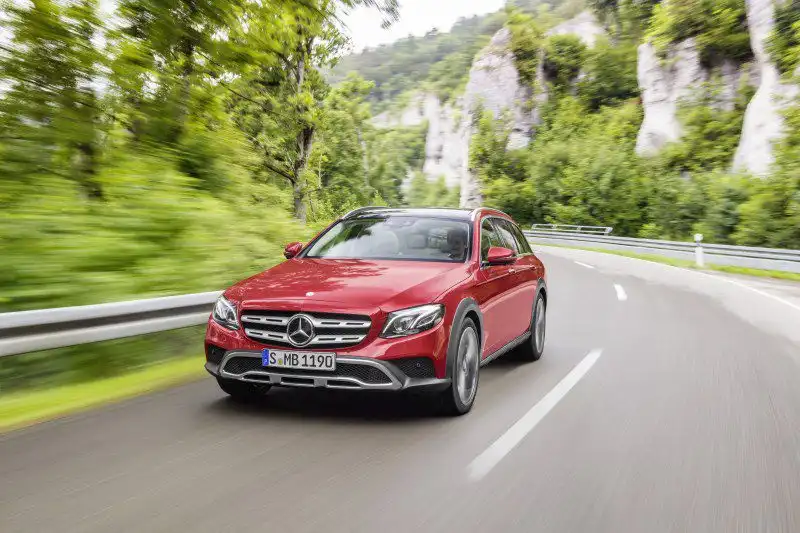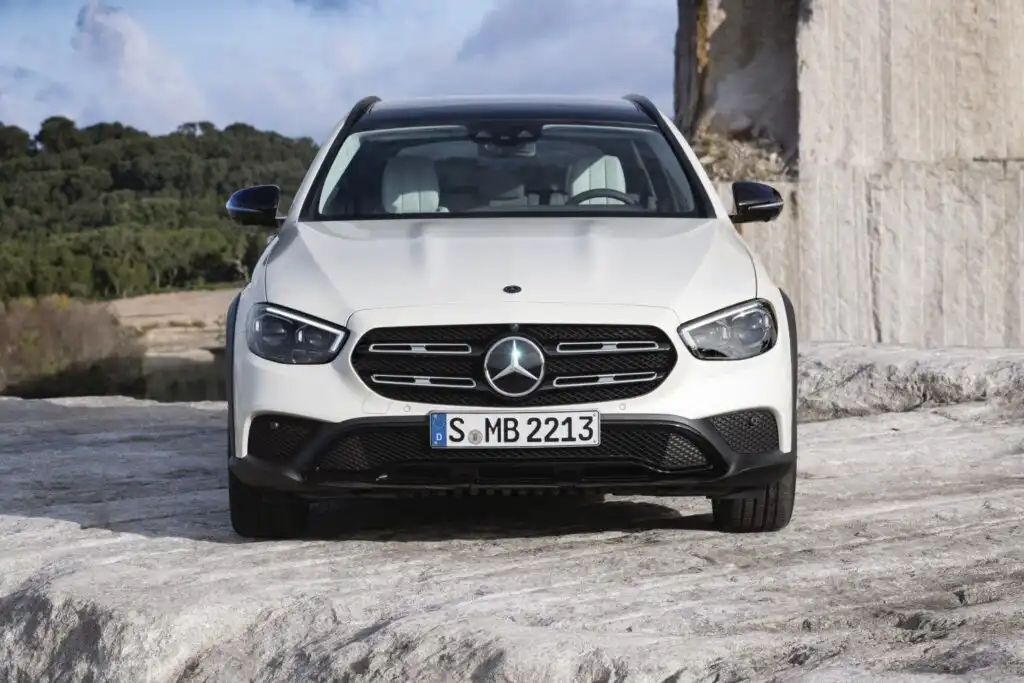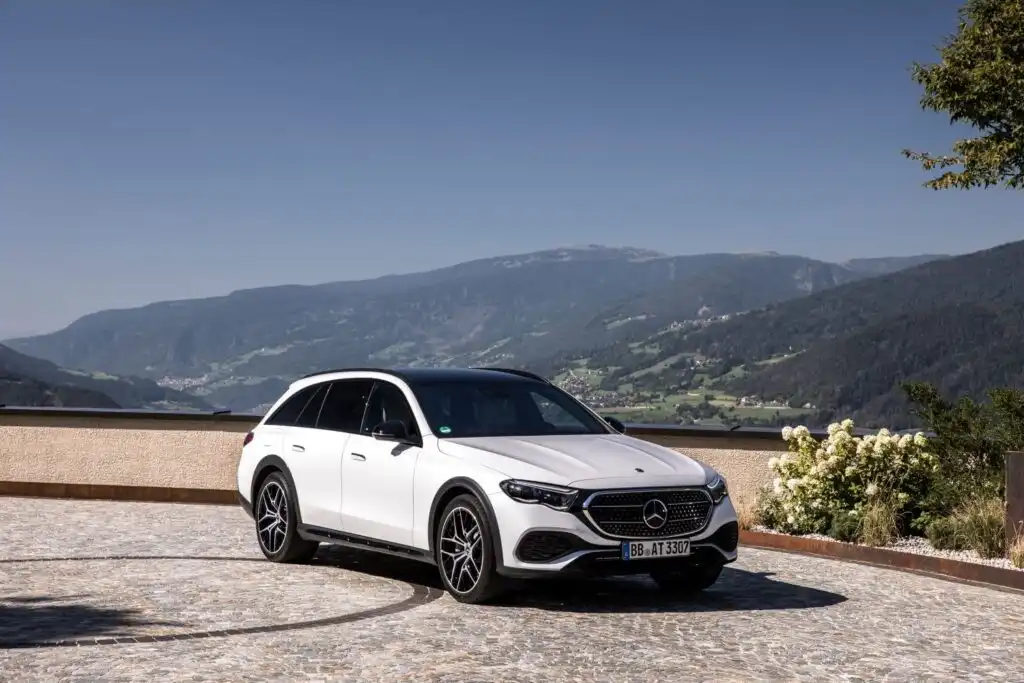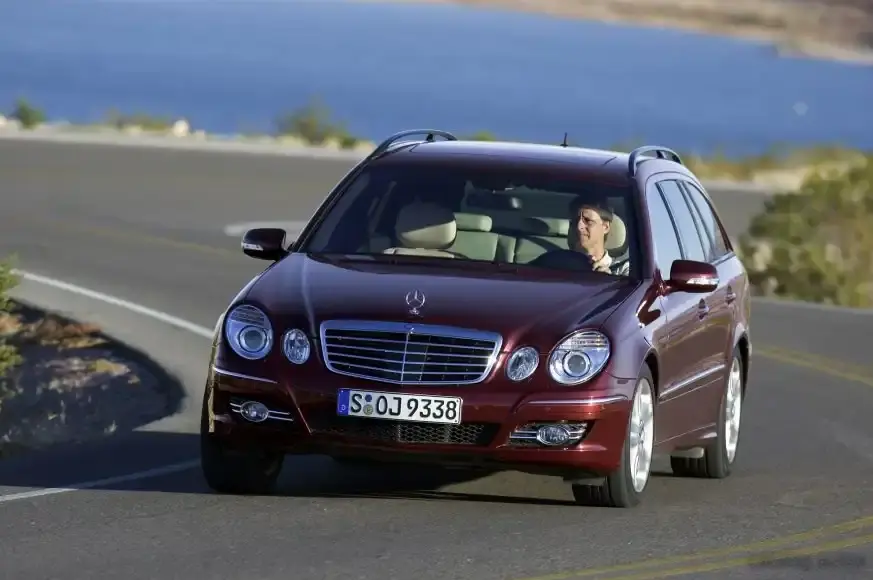
The Mercedes-Benz E 350 T-modell, part of the S211 series facelift produced from 2006 to 2009, represented a compelling blend of luxury, practicality, and performance within the mid-size executive wagon segment. Positioned as a higher-end offering within the E-Class range, the E 350 T-modell catered to buyers seeking a spacious and refined vehicle capable of long-distance travel and cargo hauling. This variant featured a naturally aspirated 3.5-liter V6 engine paired with Mercedes’ 7G-TRONIC seven-speed automatic transmission, offering a smooth and efficient driving experience. It served as a step up from the base E 300 models, while remaining more accessible than the high-performance E 63 AMG variant.
Technical Specifications
| Brand | Mercedes-Benz |
| Model | E-class |
| Generation | E-class T-modell (S211, facelift 2006) |
| Type (Engine) | E 350 V6 (272 Hp) 7G-TRONIC |
| Start of production | 2006 |
| End of production | 2009 |
| Powertrain Architecture | Internal Combustion engine |
| Body type | Station wagon (estate) |
| Seats | 5 |
| Doors | 5 |
| Fuel consumption (urban) | 14.1-14.6 l/100 km (20-19.3 US mpg) |
| Fuel consumption (extra urban) | 7.5-8.0 l/100 km (31.4 – 29.4 US mpg) |
| Fuel consumption (combined) | 9.9-10.4 l/100 km (23.8 – 22.6 US mpg) |
| CO2 emissions | 236-248 g/km |
| Fuel Type | Petrol (Gasoline) |
| Acceleration 0 – 100 km/h | 7.1 sec |
| Acceleration 0 – 62 mph | 7.1 sec |
| Acceleration 0 – 60 mph | 6.7 sec |
| Maximum speed | 250 km/h (155.34 mph) |
| Emission standard | Euro 4 |
| Weight-to-power ratio | 6.4 kg/Hp |
| Weight-to-torque ratio | 5 kg/Nm |
| Power | 272 Hp @ 6000 rpm |
| Torque | 350 Nm @ 2400-5000 rpm (258.15 lb.-ft. @ 2400-5000 rpm) |
| Engine layout | Front, Longitudinal |
| Engine Model/Code | M 272.964 |
| Engine displacement | 3498 cm3 (213.46 cu. in.) |
| Number of cylinders | 6 |
| Engine configuration | V-engine |
| Cylinder Bore | 92.9 mm (3.66 in.) |
| Piston Stroke | 86 mm (3.39 in.) |
| Compression ratio | 10.7:1 |
| Number of valves per cylinder | 4 |
| Fuel injection system | Multi-port manifold injection |
| Engine aspiration | Naturally aspirated engine |
| Valvetrain | DOHC |
| Engine oil capacity | 8 l (8.45 US qt | 7.04 UK qt) |
| Coolant | 10 l (10.57 US qt | 8.8 UK qt) |
| Kerb Weight | 1735 kg (3825.02 lbs.) |
| Max. weight | 2385 kg (5258.02 lbs.) |
| Max load | 650 kg (1433 lbs.) |
| Trunk (boot) space – minimum | 690 l (24.37 cu. ft.) |
| Trunk (boot) space – maximum | 1950 l (68.86 cu. ft.) |
| Fuel tank capacity | 80 l (21.13 US gal | 17.6 UK gal) |
| Max. roof load | 100 kg (220.46 lbs.) |
| Permitted trailer load with brakes (12%) | 2100 kg (4629.71 lbs.) |
| Permitted trailer load without brakes | 750 kg (1653.47 lbs.) |
| Length | 4888 mm (192.44 in.) |
| Width | 1822 mm (71.73 in.) |
| Width including mirrors | 2063 mm (81.22 in.) |
| Height | 1506 mm (59.29 in.) |
| Wheelbase | 2854 mm (112.36 in.) |
| Front track | 1559 mm (61.38 in.) |
| Rear (Back) track | 1552 mm (61.1 in.) |
| Front overhang | 869 mm (34.21 in.) |
| Rear overhang | 1165 mm (45.87 in.) |
| Drag coefficient (Cd) | 0.30 |
| Minimum turning circle (turning diameter) | 11.4 m (37.4 ft.) |
| Drivetrain Architecture | Rear wheel drive |
| Drive wheel | Rear wheel drive |
| Number of gears and type of gearbox | 7 gears, automatic transmission G-TRONIC |
| Front suspension | Double wishbone, Transverse stabilizer |
| Rear suspension | Independent multi-link suspension, Air suspension, Transverse stabilizer |
| Front brakes | Ventilated discs |
| Rear brakes | Ventilated discs |
| Assisting systems | ABS (Anti-lock braking system) |
| Steering type | Steering rack and pinion |
| Power steering | Hydraulic Steering |
| Tires size | 225/55 R16 |
| Wheel rims size | 7.5J x 16 |
INTRODUCTION
The S211 E-Class T-modell, particularly the facelifted versions introduced in 2006, represented Mercedes-Benz’s offering in the premium wagon segment. Building upon the success of the original S211 launched in 2003, the facelift brought revised styling, updated technology, and refined engine options. The E 350 T-modell, powered by the M272 V6 engine and paired with the 7G-TRONIC transmission, was a popular choice for buyers prioritizing a balance of performance, comfort, and practicality. It occupied a middle ground in the lineup, offering more power than the entry-level E 300 variants but without the significantly higher price tag and sporting focus of the E 63 AMG.
Powertrain & Engine Architecture
At the heart of the E 350 T-modell lay the M272.964 3.5-liter naturally aspirated V6 engine. This engine, a hallmark of Mercedes-Benz engineering during the mid-2000s, featured all-aluminum construction, three valves per cylinder (two intake, one exhaust), and a double overhead camshaft (DOHC) valvetrain. The M272 utilized a multi-port fuel injection system, delivering precise fuel metering for optimal combustion. A key feature of this engine was its balance shaft system, designed to minimize vibrations inherent in a V6 configuration, resulting in a remarkably smooth running experience. The 7G-TRONIC seven-speed automatic transmission, a significant advancement over previous Mercedes automatics, provided seamless gear changes and contributed to improved fuel efficiency. This transmission featured a torque converter lock-up clutch that engaged in most gears, reducing slippage and enhancing responsiveness. The transmission also offered a manual shift mode for greater driver control.
Driving Characteristics
The E 350 T-modell with the 7G-TRONIC transmission delivered a refined and comfortable driving experience. While not overtly sporty, the 272 horsepower and 350 Nm (258 lb-ft) of torque provided ample power for both everyday driving and highway passing maneuvers. Acceleration from 0-60 mph was achieved in approximately 6.7 seconds, making it a competitive performer in its class. The 7G-TRONIC transmission’s close gear ratios kept the engine within its optimal power band, ensuring responsive acceleration. Compared to the E 300 models, the E 350 offered noticeably stronger acceleration and a more relaxed feel at highway speeds. However, it lacked the aggressive character and quicker response of the E 63 AMG, which featured a significantly more powerful supercharged V8 engine. The suspension, tuned for comfort, absorbed bumps and imperfections in the road effectively, providing a smooth and composed ride.
Equipment & Trim Levels
The E 350 T-modell came standard with a comprehensive array of features, reflecting its position as a premium vehicle. Standard equipment typically included leather upholstery, automatic climate control, a premium audio system, power-adjustable front seats with memory function, and a sunroof. Safety features were also abundant, including ABS, traction control, stability control, and multiple airbags. Optional extras included navigation system, upgraded audio systems (such as Harman Kardon), rear seat entertainment, and parking assist. Interior trim options varied, with choices in wood veneers and aluminum accents. The overall interior design emphasized luxury and sophistication, with high-quality materials and meticulous attention to detail.
Chassis & Braking
The S211 E-Class T-modell featured a robust chassis designed to provide a comfortable ride and secure handling. The front suspension utilized a double wishbone design with a transverse stabilizer bar, while the rear suspension employed an independent multi-link setup, often incorporating air suspension on higher-end models. This air suspension system allowed for adjustable ride height and damping, further enhancing ride comfort. Braking duties were handled by ventilated disc brakes on all four wheels, providing ample stopping power. Anti-lock braking system (ABS) and electronic stability control (ESP) were standard features, enhancing safety and control in challenging driving conditions.
Market Reception & Comparison
The E 350 T-modell was generally well-received by automotive critics, who praised its comfortable ride, spacious interior, and refined powertrain. The 7G-TRONIC transmission was particularly lauded for its smooth operation and efficiency. Compared to the E 300 variants, the E 350 offered a noticeable performance upgrade without significantly increasing the price. Fuel economy, while not exceptional, was reasonable for a vehicle of its size and performance. Reliability was generally good, although some owners reported issues with the air suspension system (if equipped) and the electronic components. The E 350 T-modell competed primarily with other premium wagons, such as the BMW 5 Series Touring and the Audi A6 Avant.
Legacy
The M272 engine, found in the E 350 T-modell, is generally considered a durable and reliable powerplant when properly maintained. The 7G-TRONIC transmission has also proven to be relatively robust. Today, well-maintained examples of the E 350 T-modell are sought after by enthusiasts who appreciate their blend of luxury, practicality, and driving enjoyment. While not as collectible as the E 63 AMG, the E 350 offers a more affordable entry point into the world of Mercedes-Benz wagons. Common maintenance items include regular oil changes, coolant flushes, and inspection of the suspension components. The availability of parts remains good, ensuring that these vehicles can be kept on the road for many years to come.