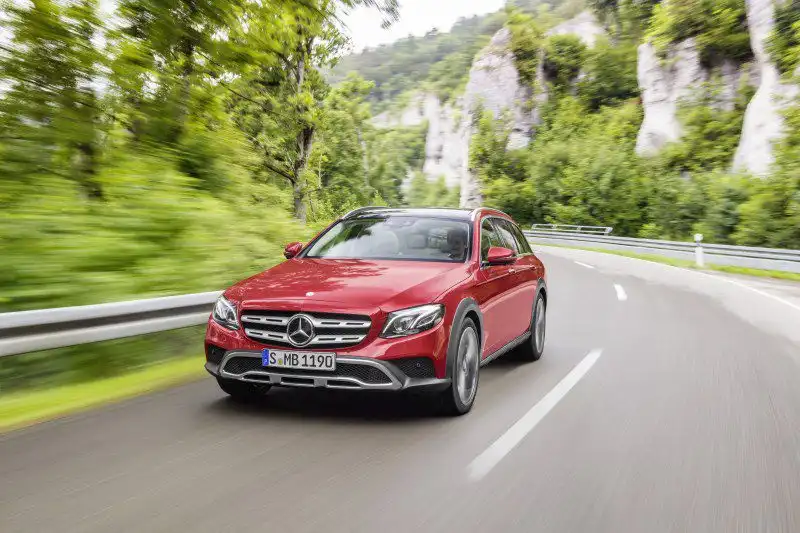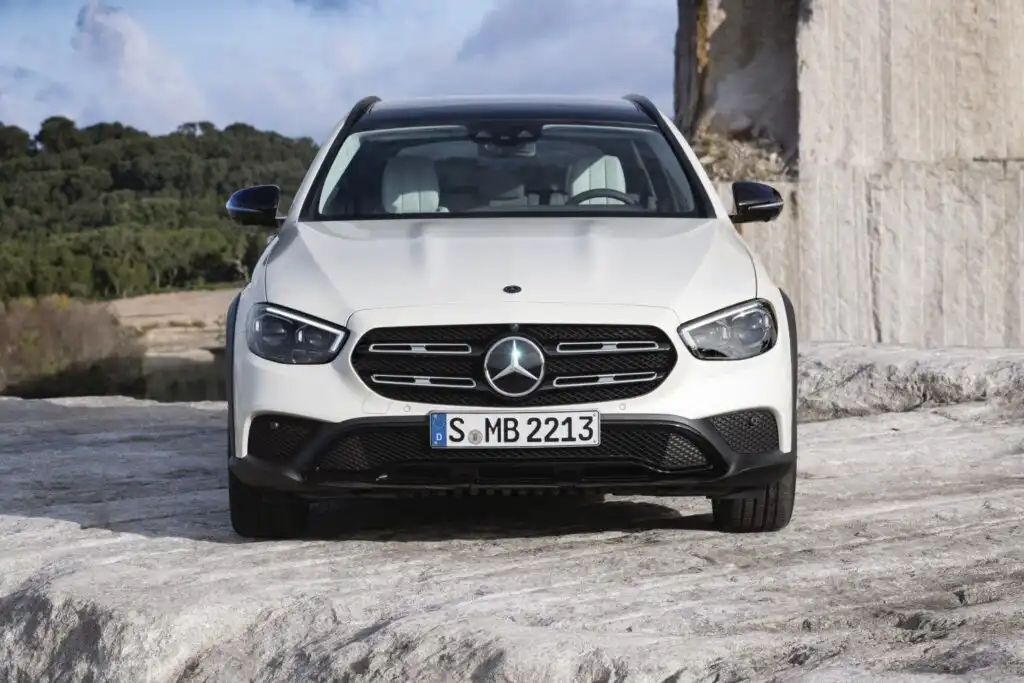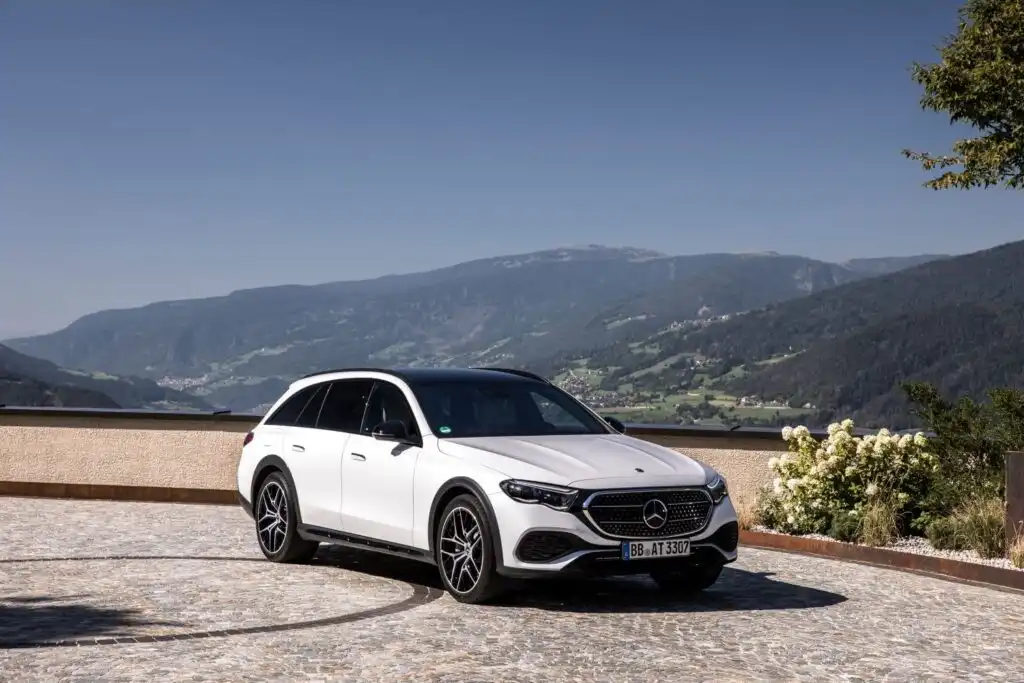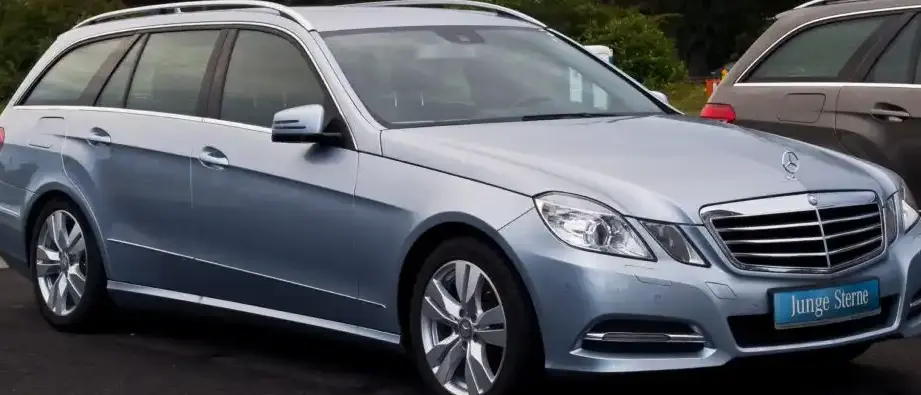
The Mercedes-Benz E-Class T-modell (S212) E 250 CGI BlueEFFICIENCY, produced from 2009 to 2011, represented a compelling blend of practicality, performance, and efficiency within the E-Class range. Positioned as a mid-range offering in the wagon (estate) body style, it catered to buyers seeking a versatile vehicle with a more economical engine option than the higher-performance variants. This model was part of the S212 series, the third generation of E-Class wagons, known for its spacious interior and refined driving experience. It aimed to provide a balance between the luxury expected of a Mercedes-Benz and the utility demanded by families and those with active lifestyles.
Technical Specifications
| Brand | Mercedes-Benz |
| Model | E-Class |
| Generation | E-Class T-modell (S212) |
| Type | E 250 CGI BlueEFFICIENCY (204 Hp) 5G-TRONIC |
| Start of production | 2009 |
| End of production | 2011 |
| Powertrain Architecture | Internal Combustion engine |
| Body type | Station wagon (estate) |
| Seats | 5 |
| Doors | 5 |
| Fuel consumption (urban) | 10.6-10.9 l/100 km (22.2 – 21.6 US mpg) |
| Fuel consumption (extra urban) | 6.4-6.7 l/100 km (36.8 – 35.1 US mpg) |
| Fuel consumption (combined) | 8.0-8.2 l/100 km (29.4 – 28.7 US mpg) |
| CO2 emissions | 185-191 g/km |
| Fuel Type | Petrol (Gasoline) |
| Acceleration 0 – 100 km/h | 8.4 sec |
| Acceleration 0 – 62 mph | 8.4 sec |
| Acceleration 0 – 60 mph | 8 sec |
| Maximum speed | 230 km/h (142.92 mph) |
| Emission standard | Euro 5 |
| Weight-to-power ratio | 8.1 kg/Hp |
| Weight-to-torque ratio | 5.4 kg/Nm |
| Power | 204 Hp @ 5500 rpm |
| Torque | 310 Nm @ 2000-4300 rpm (228.64 lb.-ft.) |
| Engine layout | Front, Longitudinal |
| Engine Model/Code | M 271.860 |
| Engine displacement | 1796 cm3 (109.6 cu. in.) |
| Number of cylinders | 4 |
| Engine configuration | Inline |
| Cylinder Bore | 82 mm (3.23 in.) |
| Piston Stroke | 85 mm (3.35 in.) |
| Compression ratio | 9.3:1 |
| Number of valves per cylinder | 4 |
| Fuel injection system | Direct injection |
| Engine aspiration | Turbocharger, Intercooler |
| Valvetrain | DOHC |
| Engine oil capacity | 5.5 l (5.81 US qt | 4.84 UK qt) |
| Kerb Weight | 1660 kg (3659.67 lbs.) |
| Max. weight | 2310 kg (5092.68 lbs.) |
| Max load | 650 kg (1433 lbs.) |
| Trunk (boot) space – minimum | 695 l (24.54 cu. ft.) |
| Trunk (boot) space – maximum | 1950 l (68.86 cu. ft.) |
| Fuel tank capacity | 59 l (15.59 US gal | 12.98 UK gal) |
| Permitted trailer load with brakes (12%) | 2100 kg (4629.71 lbs.) |
| Length | 4895 mm (192.72 in.) |
| Width | 1854 mm (72.99 in.) |
| Width including mirrors | 2071 mm (81.54 in.) |
| Height | 1512 mm (59.53 in.) |
| Wheelbase | 2874 mm (113.15 in.) |
| Front track | 1585 mm (62.4 in.) |
| Rear track | 1604 mm (63.15 in.) |
| Front overhang | 841 mm (33.11 in.) |
| Rear overhang | 1180 mm (46.46 in.) |
| Minimum turning circle | 11.25 m (36.91 ft.) |
| Drivetrain Architecture | Rear wheel drive |
| Number of gears | 5 |
| Gearbox type | Automatic transmission G-TRONIC |
| Front suspension | Independent multi-link suspension |
| Rear suspension | Independent multi-link suspension, Air suspension |
| Front brakes | Ventilated discs |
| Rear brakes | Disc |
| Assisting systems | ABS (Anti-lock braking system) |
| Steering type | Steering rack and pinion |
| Power steering | Hydraulic Steering |
| Tires size | 225/55 R16; 245/45 R17 |
| Wheel rims size | 7.5J x 16; 8J x 17 |
Powertrain & Engine Architecture
The E 250 CGI BlueEFFICIENCY was powered by the M 271.860 1.8-liter inline-four cylinder engine. This engine featured direct fuel injection and a turbocharger with an intercooler, technologies that contributed to its improved efficiency and power output. The “CGI” designation stood for “Charged Gasoline Injection,” highlighting the direct injection system. The engine produced 204 horsepower at 5500 rpm and 310 Nm (228.64 lb.-ft.) of torque between 2000 and 4300 rpm. This engine was known for its relatively smooth operation and responsiveness. The 5G-TRONIC automatic transmission, a five-speed unit, was the sole transmission option for this variant. This transmission was designed for smooth shifts and optimized fuel economy, but it lacked the responsiveness of some newer automatic transmissions with more gears.
Driving Characteristics
The E 250 CGI BlueEFFICIENCY offered a comfortable and refined driving experience, typical of the E-Class. However, with 204 hp and a relatively heavy curb weight of 1660 kg (3659.67 lbs), acceleration was adequate rather than exhilarating. The 0-100 km/h (0-62 mph) sprint took 8.4 seconds. Compared to the E 350 models with their V6 engines, the E 250 felt noticeably less powerful, especially during overtaking maneuvers. The 5G-TRONIC transmission, while smooth, could sometimes feel hesitant when downshifting. The gear ratios were tuned for fuel efficiency, prioritizing comfort over sporty performance. The rear-wheel drive configuration provided balanced handling, and the optional air suspension on the rear axle further enhanced ride comfort.
Equipment & Trim Levels
The E 250 CGI BlueEFFICIENCY typically came standard with features such as automatic climate control, power windows and mirrors, a multi-function steering wheel, and an audio system. Upholstery was generally cloth, with leather options available as an upgrade. Common optional extras included a sunroof, navigation system, premium sound system, and parking sensors. The “BlueEFFICIENCY” designation indicated the inclusion of fuel-saving technologies, such as optimized aerodynamics and low-rolling-resistance tires. Trim levels varied depending on the market, but generally offered packages that added features like upgraded interior trim, alloy wheels, and advanced safety systems.
Chassis & Braking
The S212 E-Class wagon featured an independent multi-link suspension at all four corners, providing a comfortable ride and good handling. The rear suspension often included air suspension, particularly on higher trim levels, which allowed for adjustable ride height and improved load-carrying capacity. Braking duties were handled by ventilated discs at the front and solid discs at the rear. Anti-lock braking system (ABS) was standard. The steering was a hydraulic power-assisted rack and pinion system, offering precise and responsive control.
Market Reception & Comparison
The E 250 CGI BlueEFFICIENCY was generally well-received by critics as a sensible and practical option within the E-Class range. It offered a good balance of fuel economy and performance, making it an attractive choice for buyers who prioritized efficiency. However, some reviewers noted that the engine lacked the refinement and power of the larger engines available in the E-Class. Compared to the E 350, the E 250 offered significantly better fuel economy (around 8.0-8.2 l/100 km vs. 9.8-10.2 l/100 km for the E 350), but at the cost of performance. The E 250 also represented a more affordable entry point into the E-Class wagon lineup.
Legacy
The M 271 engine, in its various iterations, proved to be a relatively reliable powerplant. However, like many turbocharged engines, it could be susceptible to issues with the turbocharger and fuel injectors over time. The 5G-TRONIC transmission, while generally durable, could experience issues with valve body wear and tear. Today, the E 250 CGI BlueEFFICIENCY T-modell represents a good value on the used car market, offering a spacious and comfortable wagon with reasonable running costs. Maintenance costs are generally moderate, but it’s important to ensure that the turbocharger and transmission are in good condition. Its blend of practicality, comfort, and efficiency continues to appeal to buyers seeking a versatile and refined wagon.