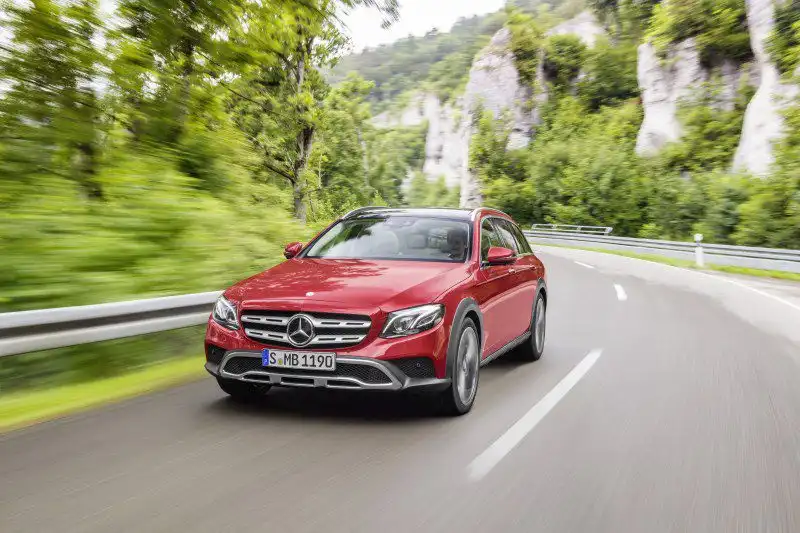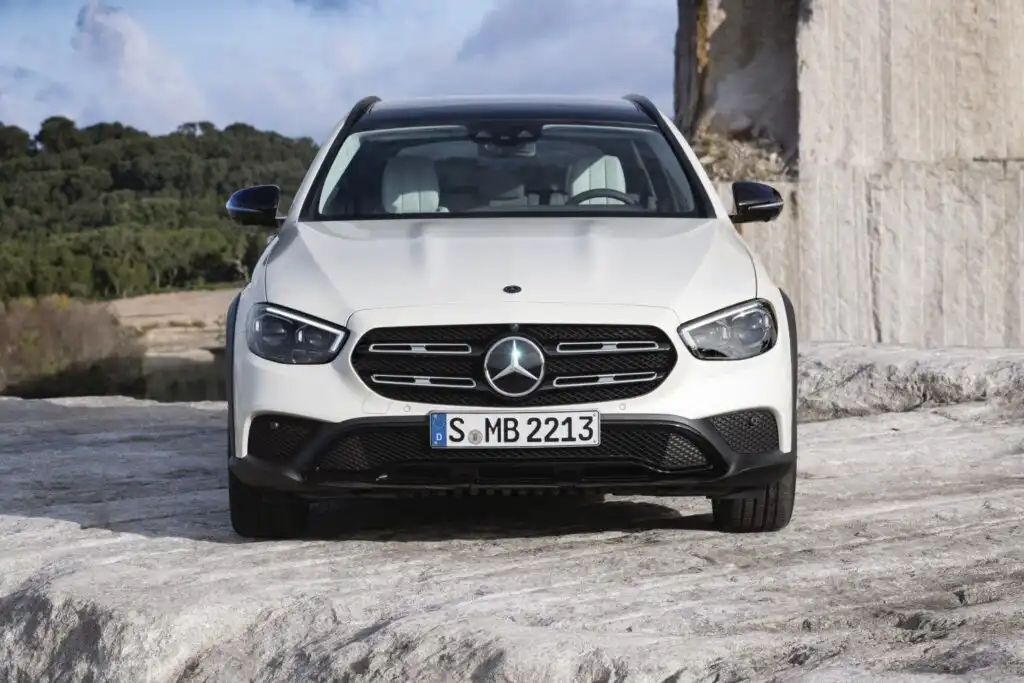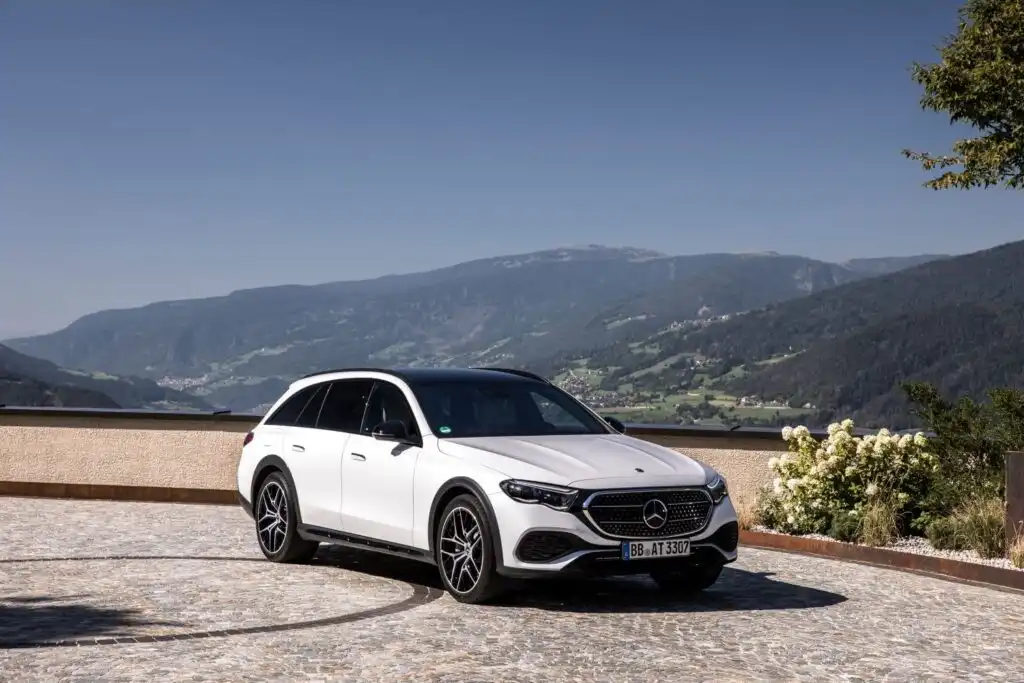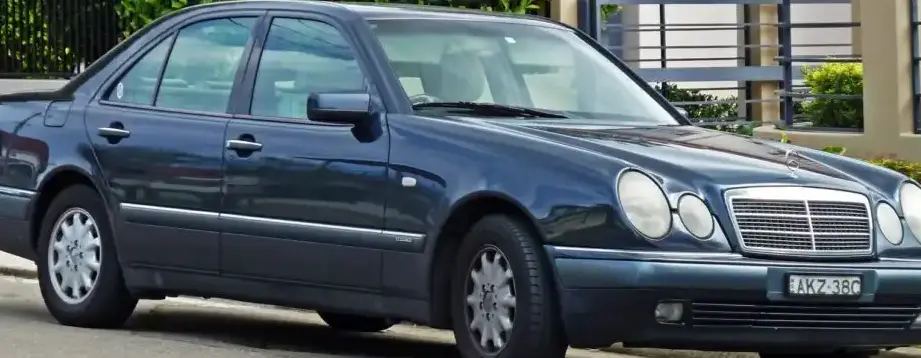
The Mercedes-Benz E 55 AMG, produced between August 1994 and July 1999 as part of the W210 E-Class generation, represented a significant step forward in performance for the executive sedan segment. Positioned as the high-performance variant of the W210, the E 55 AMG aimed to deliver a blend of luxury, refinement, and exhilarating power. It served as the flagship performance model before the introduction of the even more potent E 55 Kompressor. The W210 platform, internally designated 1HX0, was a pivotal design for Mercedes-Benz, introducing numerous technological advancements and a more contemporary aesthetic compared to its predecessor.
Technical Specifications
| Brand | Mercedes-Benz |
| Model | E-class |
| Generation | E-class (W210) |
| Type | AMG E 55 V8 (354 Hp) Automatic |
| Start of production | August, 1994 |
| End of production | July, 1999 |
| Powertrain Architecture | Internal Combustion engine |
| Body type | Sedan |
| Seats | 5 |
| Doors | 4 |
| Fuel consumption (urban) | 17.8 l/100 km (13.2 US mpg, 15.9 UK mpg, 5.6 km/l) |
| Fuel consumption (extra urban) | 8.8 l/100 km (26.7 US mpg, 32.1 UK mpg, 11.4 km/l) |
| Fuel consumption (combined) | 12.1 l/100 km (19.4 US mpg, 23.3 UK mpg, 8.3 km/l) |
| Fuel Type | Petrol (Gasoline) |
| Acceleration 0 – 100 km/h | 5.7 sec |
| Acceleration 0 – 62 mph | 5.7 sec |
| Acceleration 0 – 60 mph | 5.4 sec |
| Maximum speed | 250 km/h (155.34 mph), Electronically limited |
| Weight-to-power ratio | 4.8 kg/Hp, 207 Hp/tonne |
| Weight-to-torque ratio | 3.2 kg/Nm, 309.9 Nm/tonne |
| Power | 354 Hp @ 5500 rpm |
| Power per litre | 65.1 Hp/l |
| Torque | 530 Nm @ 3000 rpm (390.91 lb.-ft. @ 3000 rpm) |
| Engine layout | Front, Longitudinal |
| Engine Model/Code | M 113 E 55/113.980 |
| Engine displacement | 5439 cm3 (331.91 cu. in.) |
| Number of cylinders | 8 |
| Engine configuration | V-engine |
| Cylinder Bore | 97 mm (3.82 in.) |
| Piston Stroke | 92 mm (3.62 in.) |
| Compression ratio | 10.5:1 |
| Number of valves per cylinder | 3 |
| Fuel injection system | Multi-port manifold injection |
| Engine aspiration | Naturally aspirated engine |
| Valvetrain | SOHC |
| Engine oil capacity | 8 l (8.45 US qt | 7.04 UK qt) |
| Coolant | 11 l (11.62 US qt | 9.68 UK qt) |
| Kerb Weight | 1710 kg (3769.9 lbs.) |
| Max. weight | 2210 kg (4872.22 lbs.) |
| Max load | 500 kg (1102.31 lbs.) |
| Fuel tank capacity | 80 l (21.13 US gal | 17.6 UK gal) |
| Length | 4795 mm (188.78 in.) |
| Width | 1799 mm (70.83 in.) |
| Height | 1411 mm (55.55 in.) |
| Wheelbase | 2833 mm (111.54 in.) |
| Front track | 1560 mm (61.42 in.) |
| Rear track | 1543 mm (60.75 in.) |
| Drivetrain Architecture | Rear wheel drive |
| Number of gears | 5 |
| Gearbox type | automatic transmission |
| Front suspension | Double wishbone |
| Rear suspension | Independent multi-link spring suspension with stabilizer |
| Front brakes | Ventilated discs |
| Rear brakes | Disc |
| Assisting systems | ABS (Anti-lock braking system) |
| Steering type | Steering rack and pinion |
| Power steering | Hydraulic Steering |
| Front tires | 235/40 R18 |
| Rear tires | 265/35 R18 |
| Front wheel rims | 8J x 18 |
| Rear wheel rims | 9J x 18 |
Powertrain & Engine Architecture
The heart of the E 55 AMG is the M113 E 55 engine, a 5.4-liter (5439 cc) naturally aspirated V8. This engine, a significant departure from the inline-six engines previously used in AMG models, was a completely new design. It featured a short-stroke configuration (92 mm stroke, 97 mm bore) and a relatively high 10.5:1 compression ratio. The M113 utilized a single overhead camshaft (SOHC) design per cylinder bank, operating three valves per cylinder (two intake, one exhaust). Fuel delivery was managed by a multi-port fuel injection system. The engine produced 354 horsepower at 5500 rpm and a robust 530 Nm (390.91 lb-ft) of torque at 3000 rpm. The engine was paired exclusively with a 5-speed automatic transmission, specifically designed to handle the engine’s substantial output. This transmission featured a torque converter lockup clutch for improved efficiency at cruising speeds.
Driving Characteristics
The E 55 AMG offered a distinctly different driving experience compared to other W210 variants. While the standard E-Class models prioritized comfort and refinement, the E 55 delivered a more visceral and engaging experience. The 5.4-liter V8 provided ample power throughout the rev range, enabling brisk acceleration. The 0-60 mph sprint was consistently achieved in around 5.4 to 5.7 seconds, making it a genuinely quick sedan for its time. The automatic transmission, while smooth, wasn’t particularly sporty, prioritizing comfortable shifts over aggressive downshifts. Compared to the later E 55 Kompressor, which featured a supercharger, the naturally aspirated E 55 relied on displacement and torque for its performance, resulting in a more linear power delivery. The heavier weight of the E 55, compared to the four-cylinder or smaller six-cylinder models, was noticeable in cornering, but the well-tuned suspension helped to mitigate body roll.
Equipment & Trim Levels
The E 55 AMG came generously equipped, reflecting its position as the range-topping performance model. Standard features included leather upholstery, burl walnut wood trim, automatic climate control, power-adjustable front seats with memory function, and a premium sound system. Exterior features included AMG-specific body styling, including unique front and rear bumpers, side skirts, and a rear spoiler. Optional extras included a sunroof, upgraded sound system, and various interior trim options. The interior generally featured a dark color scheme, with options for black or gray leather. The instrument cluster featured AMG badging and unique graphics.
Chassis & Braking
The E 55 AMG benefited from a revised suspension setup compared to standard W210 models. It featured stiffer springs and dampers, along with a larger diameter stabilizer bar, to improve handling and reduce body roll. The braking system was also upgraded, featuring ventilated disc brakes on all four wheels and an Anti-lock Braking System (ABS). The rear brakes were discs, unlike some lower-spec W210 models which utilized drum brakes. The E 55 AMG rode on 18-inch alloy wheels, fitted with performance tires (235/40 R18 front, 265/35 R18 rear) to enhance grip and handling.
Market Reception & Comparison
The E 55 AMG was generally well-received by automotive critics, who praised its powerful engine, comfortable ride, and luxurious interior. However, some critics noted that the automatic transmission wasn’t as responsive as a manual gearbox. Compared to its rivals, such as the BMW M5 (E34/E39), the E 55 AMG offered a more refined and comfortable driving experience, but lacked the ultimate track performance of the BMW. Fuel economy was predictably poor, averaging around 19.4 US mpg in combined driving. Reliability was generally good, although the complex engine and electrical systems required regular maintenance.
Legacy
The W210 E 55 AMG represents a significant milestone in the evolution of Mercedes-Benz’s high-performance vehicles. It established the E 55 as a desirable and capable performance sedan, paving the way for future generations. Today, the W210 E 55 AMG is a sought-after classic car, appreciated by enthusiasts for its combination of performance, luxury, and timeless design. While maintenance costs can be higher than for more common W210 models, the M113 engine is generally considered to be robust and reliable when properly maintained. The car’s value has been steadily increasing in recent years, reflecting its growing popularity among collectors.