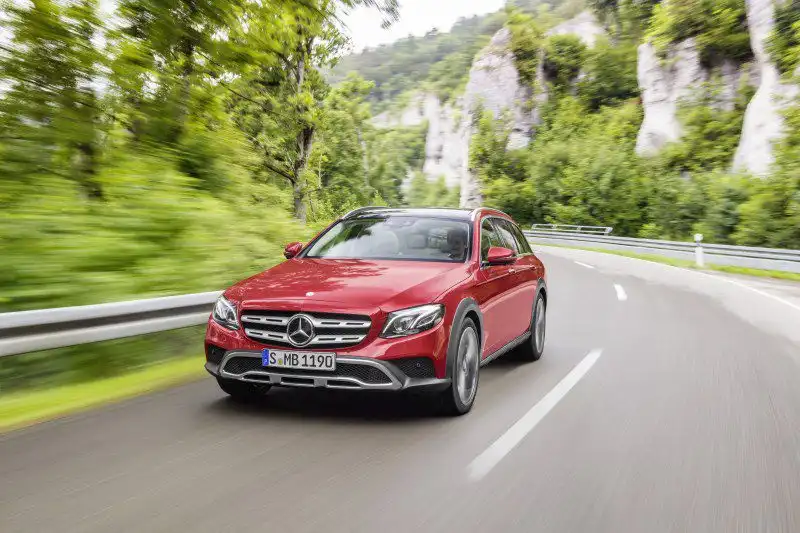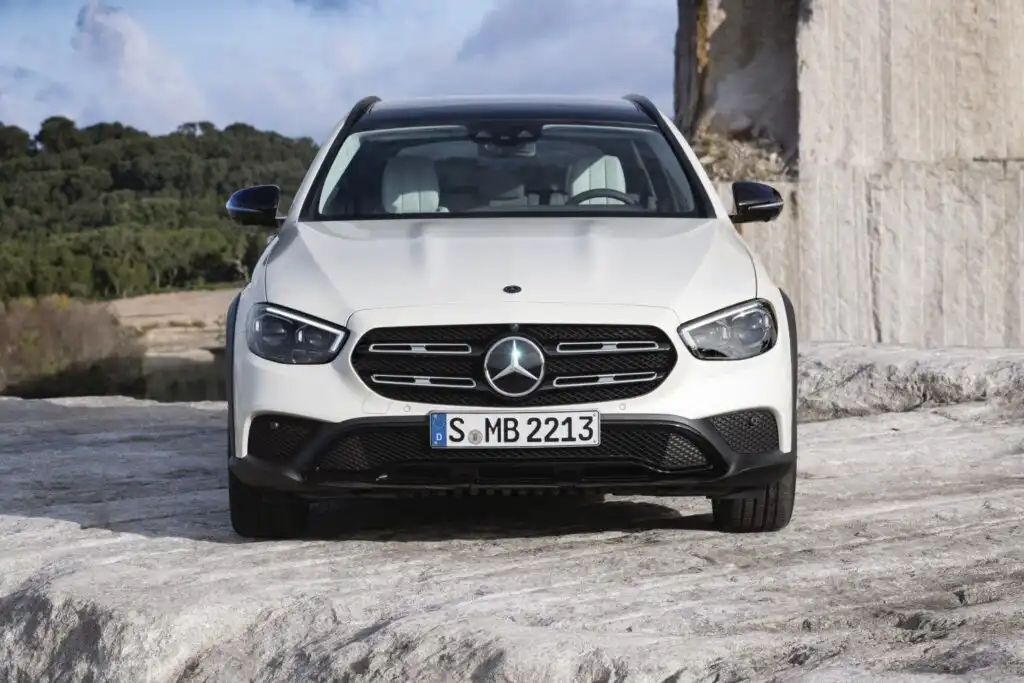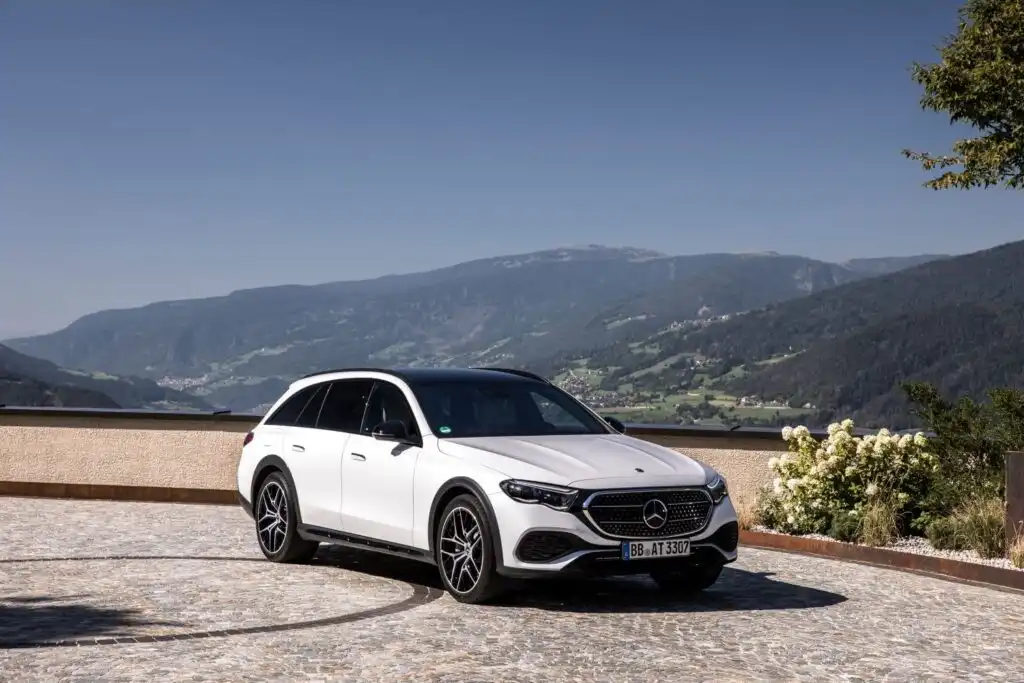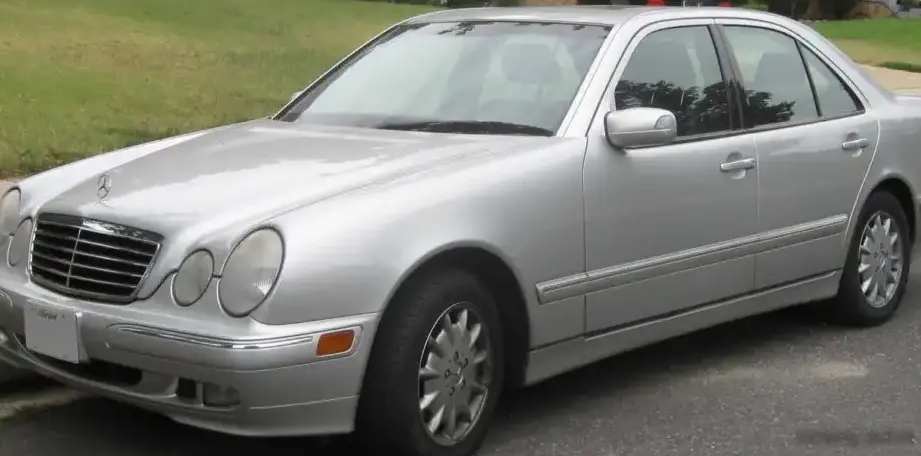
The Mercedes-Benz E 200 Kompressor, produced from 2000 to 2002, was a key variant within the W210 facelifted E-Class range. Representing a mid-range offering, it aimed to balance performance and fuel efficiency within the lineup. This model, distinguished by its supercharged engine, was primarily marketed in Europe and other regions where smaller displacement, fuel-efficient luxury sedans were in demand. The W210 E-Class, overall, was a significant model for Mercedes-Benz, known for its advancements in safety and technology, and the E 200 Kompressor continued this tradition with a focus on accessible performance.
Technical Specifications
| Brand | Mercedes-Benz |
| Model | E-class |
| Generation | E-class (W210, facelift 1999) |
| Type (Engine) | E 200 Kompressor (163 Hp) |
| Start of production | February, 2000 |
| End of production | March, 2002 |
| Powertrain Architecture | Internal Combustion engine |
| Body type | Sedan |
| Seats | 5 |
| Doors | 4 |
| Fuel consumption (urban) | 12.4 l/100 km (19 US mpg, 22.8 UK mpg) |
| Fuel consumption (extra urban) | 6.9 l/100 km (34.1 US mpg, 40.9 UK mpg) |
| Fuel consumption (combined) | 8.9 l/100 km (26.4 US mpg, 31.7 UK mpg) |
| Fuel Type | Petrol (Gasoline) |
| Acceleration 0 – 100 km/h | 9.7 sec |
| Acceleration 0 – 62 mph | 9.7 sec |
| Acceleration 0 – 60 mph | 9.2 sec |
| Maximum speed | 222 km/h (137.94 mph) |
| Weight-to-power ratio | 9.4 kg/Hp |
| Weight-to-torque ratio | 6.7 kg/Nm |
| Power | 163 Hp @ 5300 rpm |
| Power per litre | 81.6 Hp/l |
| Torque | 230 Nm @ 2500-4800 rpm (169.64 lb.-ft. @ 2500-4800 rpm) |
| Engine layout | Front, Longitudinal |
| Engine Model/Code | M 111 E 20 ML EVO / 111.957 |
| Engine displacement | 1998 cm3 (121.93 cu. in.) |
| Number of cylinders | 4 |
| Engine configuration | Inline |
| Cylinder Bore | 89.9 mm (3.54 in.) |
| Piston Stroke | 78.7 mm (3.1 in.) |
| Compression ratio | 9.5:1 |
| Number of valves per cylinder | 4 |
| Fuel injection system | Multi-port manifold injection |
| Engine aspiration | Supercharger, Intercooler |
| Valvetrain | DOHC |
| Engine oil capacity | 5.5 l (5.81 US qt | 4.84 UK qt) |
| Coolant | 8.5 l (8.98 US qt | 7.48 UK qt) |
| Kerb Weight | 1540 kg (3395.12 lbs.) |
| Max. weight | 2040 kg (4497.43 lbs.) |
| Max load | 500 kg (1102.31 lbs.) |
| Fuel tank capacity | 65 l (17.17 US gal | 14.3 UK gal) |
| Length | 4818 mm (189.69 in.) |
| Width | 1799 mm (70.83 in.) |
| Height | 1440 mm (56.69 in.) |
| Wheelbase | 2833 mm (111.54 in.) |
| Front track | 1542 mm (60.71 in.) |
| Rear track | 1536 mm (60.47 in.) |
| Drivetrain Architecture | Rear wheel drive |
| Drive wheel | Rear wheel drive |
| Number of gears | 6 gears, manual transmission |
| Front suspension | Double wishbone |
| Rear suspension | Independent multi-link spring suspension with stabilizer |
| Front brakes | Ventilated discs |
| Rear brakes | Disc |
| Assisting systems | ABS (Anti-lock braking system) |
| Steering type | Steering rack and pinion |
| Power steering | Hydraulic Steering |
| Tires size | 205/65 R15 |
| Wheel rims size | 7J x 15 |
Powertrain & Engine Architecture
The heart of the E 200 Kompressor was the M111 E 20 ML EVO engine, a 1.998-liter inline-four cylinder powerplant. This engine was notable for its mechanically driven supercharger, a feature that provided increased torque at lower engine speeds compared to naturally aspirated engines. The supercharger, an Eaton V-series unit, was engaged below approximately 3,800 rpm, supplementing the engine’s output and improving responsiveness. Fuel delivery was managed by a multi-port fuel injection system, ensuring precise fuel metering for optimal combustion. The engine featured a double overhead camshaft (DOHC) valvetrain with four valves per cylinder, contributing to its efficient breathing and power delivery. The six-speed manual transmission was standard, offering precise gear changes and allowing drivers to fully utilize the engine’s power band.
Driving Characteristics
The E 200 Kompressor offered a noticeably more spirited driving experience than the base E 200 models. The supercharger provided a significant boost in low-end torque, making it easier to accelerate from a standstill and overtake at highway speeds. While not as powerful as the larger six-cylinder E 280 or E 320 models, the E 200 Kompressor provided adequate performance for most drivers. The six-speed manual transmission allowed for precise control and efficient cruising. The gear ratios were well-matched to the engine’s power curve, providing good acceleration in each gear. Compared to the automatic transmission options available on other E-Class models, the manual transmission in the E 200 Kompressor offered a more engaging and connected driving experience.
Equipment & Trim Levels
The E 200 Kompressor typically came equipped with a respectable level of standard features, including automatic climate control, power windows and locks, and a basic audio system. Upholstery was generally cloth, although leather options were available. Optional extras included a sunroof, upgraded audio systems, navigation, and various driver assistance features. The interior design was typical of Mercedes-Benz at the time, emphasizing comfort and quality materials. The dashboard layout was functional and well-organized, with easy-to-read gauges and intuitive controls. The E 200 Kompressor often served as a stepping stone for buyers wanting a more premium experience than the base model, but without the higher price tag of the larger-engined variants.
Chassis & Braking
The W210 E-Class featured a robust chassis with a double wishbone front suspension and an independent multi-link rear suspension. This suspension setup provided a comfortable ride while maintaining good handling characteristics. The E 200 Kompressor was equipped with ventilated disc brakes at the front and solid disc brakes at the rear, providing adequate stopping power for its weight and performance. Anti-lock braking system (ABS) was standard, enhancing safety by preventing wheel lockup during hard braking. The steering was a rack-and-pinion system with hydraulic power assistance, offering precise steering feel and ease of maneuverability.
Market Reception & Comparison
The E 200 Kompressor was generally well-received by automotive critics. It was praised for its responsive engine, comfortable ride, and well-equipped interior. However, some critics noted that it lacked the refinement and prestige of the larger-engined E-Class models. Compared to the naturally aspirated E 200, the Kompressor offered a significant performance upgrade. Compared to the E 280 or E 320, it was more fuel-efficient but offered less overall power. Reliability was generally good, although the supercharger system did require periodic maintenance. Fuel economy figures were respectable for a vehicle in its class, offering a good balance between performance and efficiency.
Legacy
The M111 engine family, including the E 200 Kompressor’s powerplant, proved to be a durable and reliable unit. While not as sought-after as some of the more iconic Mercedes-Benz engines, the M111 remains a respected engine among enthusiasts. Today, the W210 E 200 Kompressor can be found on the used car market at relatively affordable prices. Well-maintained examples are still capable of providing reliable transportation and a comfortable driving experience. The E 200 Kompressor represents a sweet spot in the W210 lineup, offering a blend of performance, efficiency, and luxury at a reasonable price point.