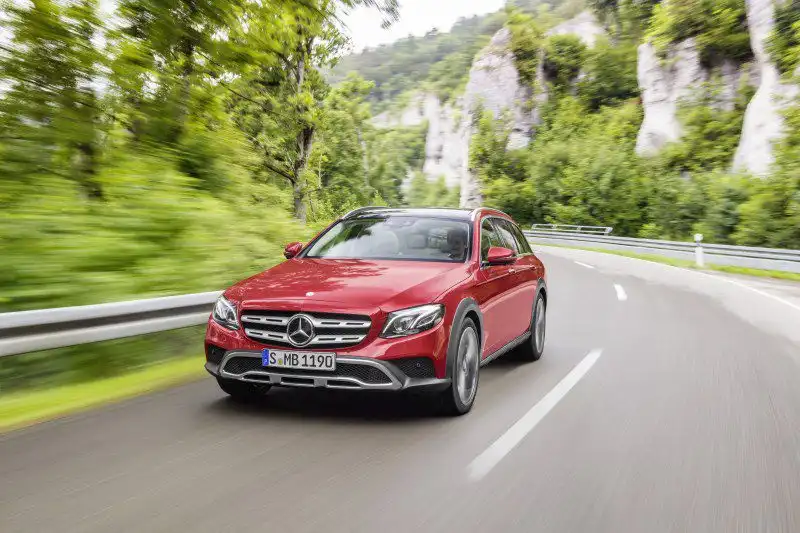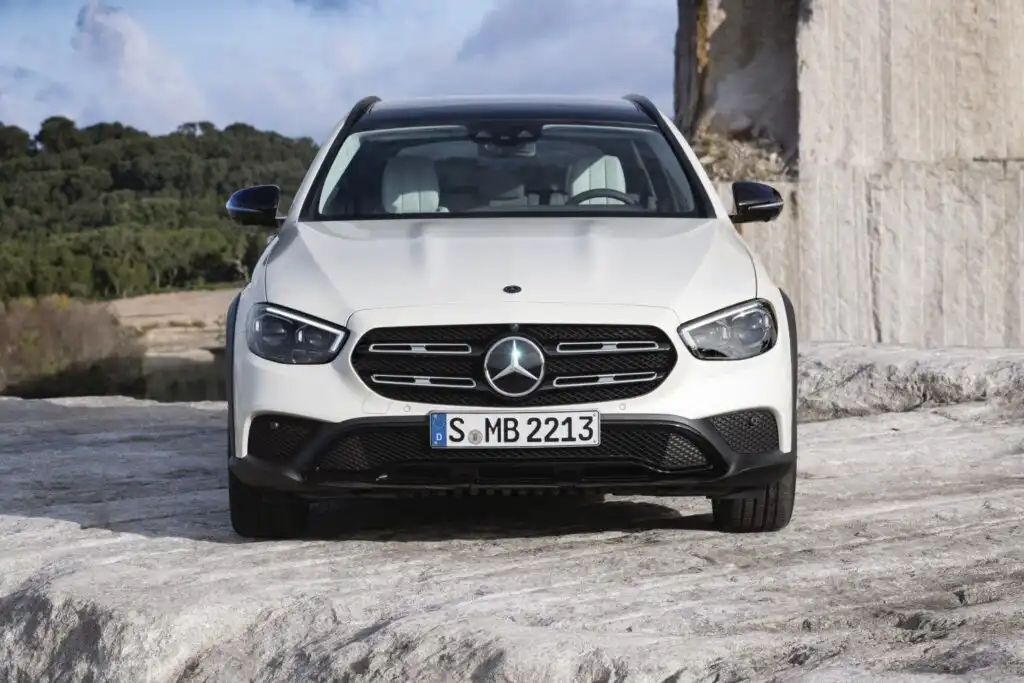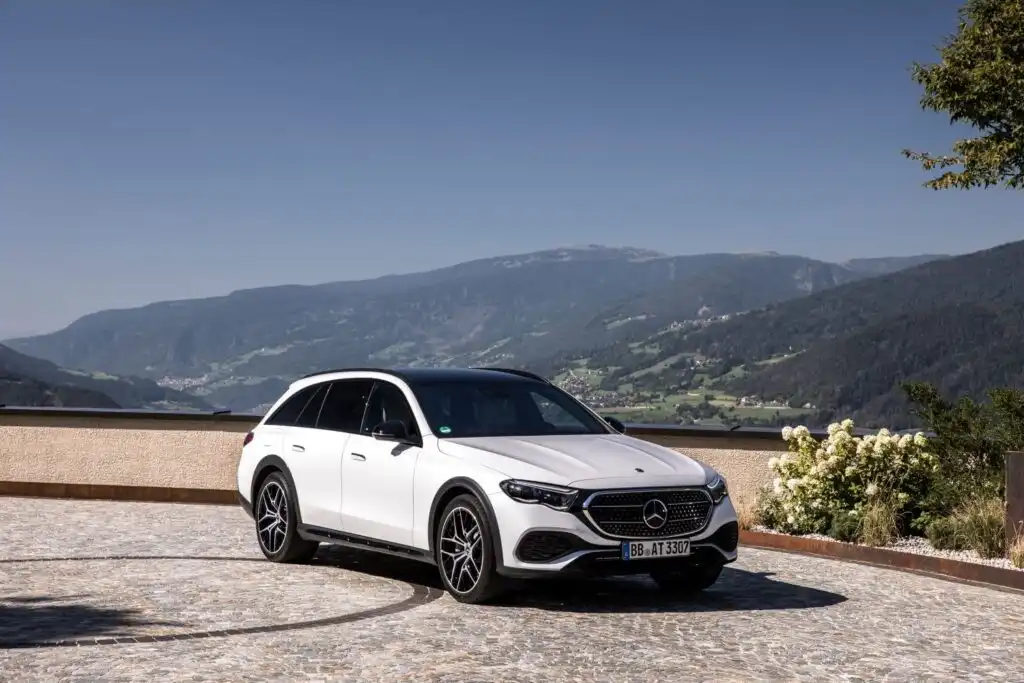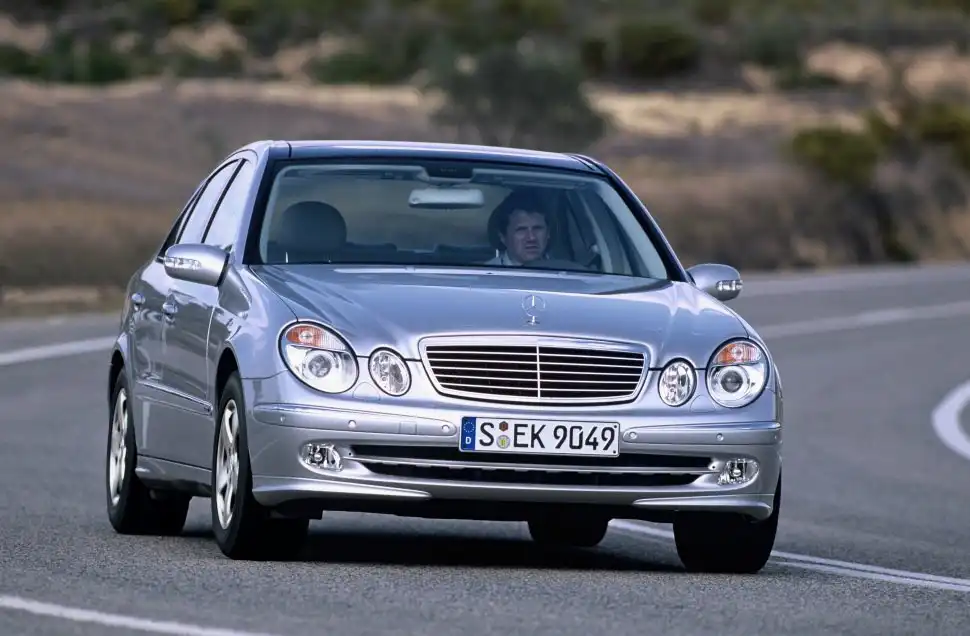
The Mercedes-Benz E 220 CDI, produced between 2002 and 2006 as part of the W211 E-Class generation, represented a significant offering in the mid-size luxury sedan segment. Positioned as a diesel-powered variant, it aimed to balance fuel efficiency with the comfort and prestige expected of the E-Class. This model was particularly popular in Europe, where diesel engines held a larger market share, and offered a more economical alternative to the gasoline-powered E 240 or E 320 models. The E 220 CDI served as a core model within the W211 range, appealing to buyers prioritizing long-distance cruising and lower running costs.
Technical Specifications
| Brand | Mercedes-Benz |
| Model | E-class |
| Generation | E-class (W211) |
| Type (Engine) | E 220 CDI (150 Hp) |
| Start of production | 2002 |
| End of production | 2006 |
| Powertrain Architecture | Internal Combustion engine |
| Body type | Sedan |
| Seats | 5 |
| Doors | 4 |
| Fuel consumption (urban) | 8.5 l/100 km (27.7 US mpg) |
| Fuel consumption (extra urban) | 4.8 l/100 km (49 US mpg) |
| Fuel consumption (combined) | 6.1 l/100 km (38.6 US mpg) |
| Fuel Type | Diesel |
| Acceleration 0 – 100 km/h | 10.1 sec |
| Acceleration 0 – 62 mph | 10.1 sec |
| Acceleration 0 – 60 mph | 9.6 sec |
| Maximum speed | 216 km/h (134.22 mph) |
| Emission standard | Euro 3 |
| Weight-to-power ratio | 10.7 kg/Hp |
| Weight-to-torque ratio | 4.7 kg/Nm |
| Power | 150 Hp @ 4200 rpm |
| Torque | 340 Nm @ 2000 rpm (250.77 lb.-ft. @ 2000 rpm) |
| Engine layout | Front, Longitudinal |
| Engine Model/Code | OM 646.961 |
| Engine displacement | 2148 cm3 (131.08 cu. in.) |
| Number of cylinders | 4 |
| Engine configuration | Inline |
| Cylinder Bore | 88 mm (3.46 in.) |
| Piston Stroke | 88.3 mm (3.48 in.) |
| Compression ratio | 18:1 |
| Number of valves per cylinder | 4 |
| Fuel injection system | Diesel Commonrail |
| Engine aspiration | Turbocharger, Intercooler |
| Engine oil capacity | 6.5 l (6.87 US qt | 5.72 UK qt) |
| Coolant | 10.2 l (10.78 US qt | 8.97 UK qt) |
| Kerb Weight | 1610 kg (3549.44 lbs.) |
| Max. weight | 2145 kg (4728.92 lbs.) |
| Max load | 535 kg (1179.47 lbs.) |
| Trunk (boot) space – minimum | 540 l (19.07 cu. ft.) |
| Fuel tank capacity | 65 l (17.17 US gal | 14.3 UK gal) |
| Permitted trailer load with brakes (12%) | 1900 kg (4188.78 lbs.) |
| Permitted trailer load without brakes | 750 kg (1653.47 lbs.) |
| Length | 4818 mm (189.69 in.) |
| Width | 1822 mm (71.73 in.) |
| Height | 1452 mm (57.17 in.) |
| Wheelbase | 2854 mm (112.36 in.) |
| Front track | 1577 mm (62.09 in.) |
| Rear (Back) track | 1570 mm (61.81 in.) |
| Drag coefficient (Cd) | 0.27 |
| Drivetrain Architecture | Rear wheel drive |
| Number of gears and type of gearbox | 6 gears, manual transmission |
| Front suspension | Double wishbone |
| Rear suspension | Independent multi-link spring suspension with stabilizer |
| Front brakes | Ventilated discs |
| Rear brakes | Disc |
| Assisting systems | ABS (Anti-lock braking system) |
| Steering type | Steering rack and pinion |
| Power steering | Hydraulic Steering |
| Tires size | 205/60 R16 |
| Wheel rims size | 6.5J x 16 |
Powertrain & Engine Architecture
The E 220 CDI was powered by the OM 646.961, a 2.148-liter inline-four cylinder diesel engine. This engine was a cornerstone of Mercedes-Benz’s diesel offerings in the early 2000s, known for its robust construction and relatively quiet operation for a diesel. It featured common rail direct injection, delivering fuel at extremely high pressure for improved combustion efficiency and reduced emissions. A turbocharger with an intercooler further enhanced performance, boosting power output to 150 horsepower and 340 Nm (250.77 lb.-ft.) of torque. The engine’s design incorporated four valves per cylinder and a sophisticated engine management system to optimize fuel delivery and ignition timing. The six-speed manual transmission was standard, providing a good balance between fuel economy and driver control. While an automatic transmission was available as an option, the manual was favored by those seeking maximum efficiency and a more engaging driving experience.
Driving Characteristics
The E 220 CDI, equipped with the manual transmission, offered a comfortable and refined driving experience. While not a sports sedan, the engine provided ample torque for effortless cruising and confident overtaking. Acceleration from 0 to 60 mph took around 9.6 seconds, which was respectable for a diesel-powered vehicle of its size and era. The long gearing, typical of European cars designed for high-speed autobahn travel, prioritized fuel economy over outright acceleration. Compared to the more powerful E 320, the E 220 CDI felt less urgent, but its lower weight and efficient engine made it surprisingly nimble in city driving. The manual gearbox was smooth and precise, enhancing driver involvement. The automatic transmission, while convenient, tended to sap some of the engine’s responsiveness.
Equipment & Trim Levels
The E 220 CDI typically came standard with a comprehensive list of features, including automatic climate control, power windows and mirrors, a multi-function steering wheel, and a high-quality audio system. Upholstery was generally cloth, but leather was available as an option. Higher trim levels offered features such as heated seats, a sunroof, and upgraded audio systems. Safety features included ABS, traction control, and multiple airbags. Optional extras could significantly increase the price, with features like navigation systems, parking sensors, and premium sound systems being popular choices.
Chassis & Braking
The W211 E-Class featured a sophisticated chassis design, with a double wishbone front suspension and an independent multi-link rear suspension. This setup provided a comfortable ride and good handling characteristics. The E 220 CDI typically came equipped with ventilated disc brakes at the front and solid disc brakes at the rear. ABS (Anti-lock Braking System) was standard, enhancing braking performance and stability. The steering was a hydraulic power-assisted rack and pinion system, offering precise and responsive control.
Market Reception & Comparison
The E 220 CDI was well-received by critics and consumers alike, particularly in Europe. It was praised for its fuel efficiency, comfortable ride, and refined interior. Compared to the gasoline-powered E 240 and E 320, the E 220 CDI offered significantly better fuel economy, making it an attractive option for high-mileage drivers. However, some critics noted that the diesel engine was noisier than its gasoline counterparts, although Mercedes-Benz had made significant strides in reducing diesel engine noise in recent years. The E 220 CDI also faced competition from other luxury sedans, such as the BMW 525d and the Audi A6 2.5 TDI.
Legacy
The OM 646 engine family, including the 2.2-liter variant found in the E 220 CDI, proved to be remarkably durable and reliable. With proper maintenance, these engines can easily exceed 200,000 miles. Today, the W211 E 220 CDI remains a popular choice in the used car market, particularly for those seeking a comfortable, fuel-efficient, and reliable luxury sedan. However, potential buyers should be aware of the potential for diesel particulate filter (DPF) issues and the importance of using high-quality diesel fuel. The E 220 CDI represents a significant chapter in Mercedes-Benz’s history, showcasing the brand’s commitment to diesel technology and its ability to deliver a refined and enjoyable driving experience.