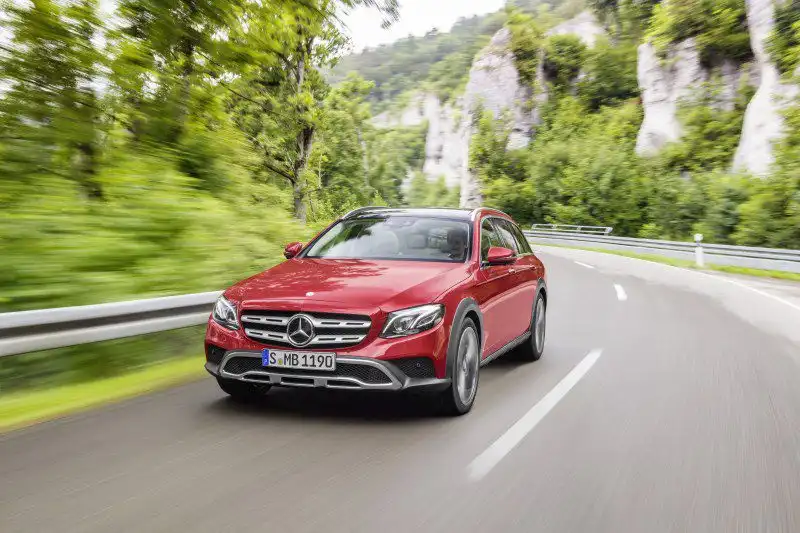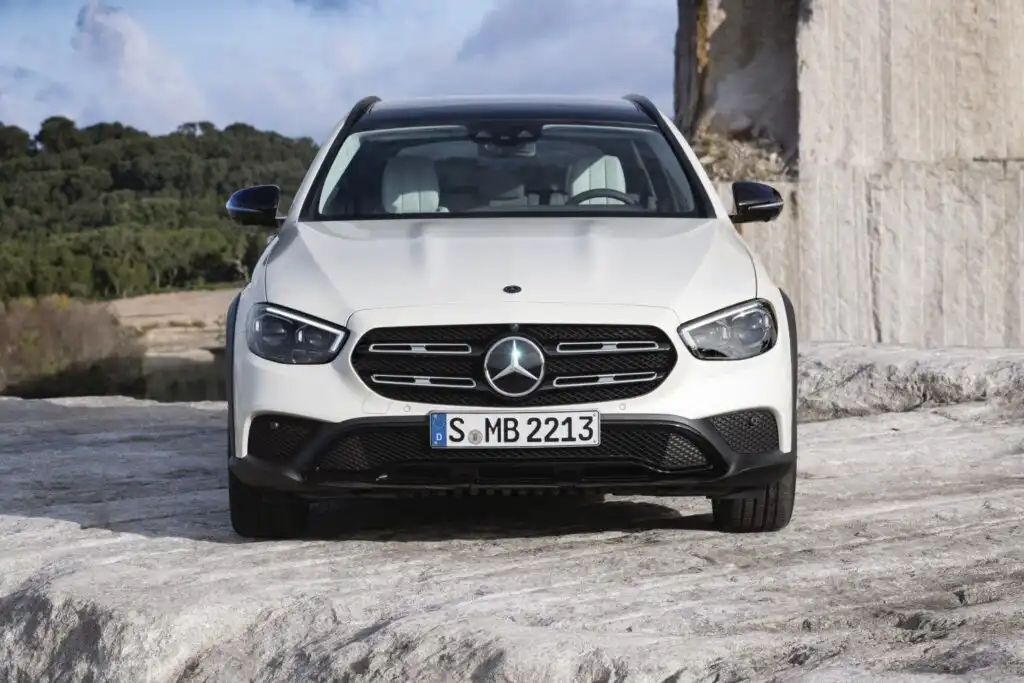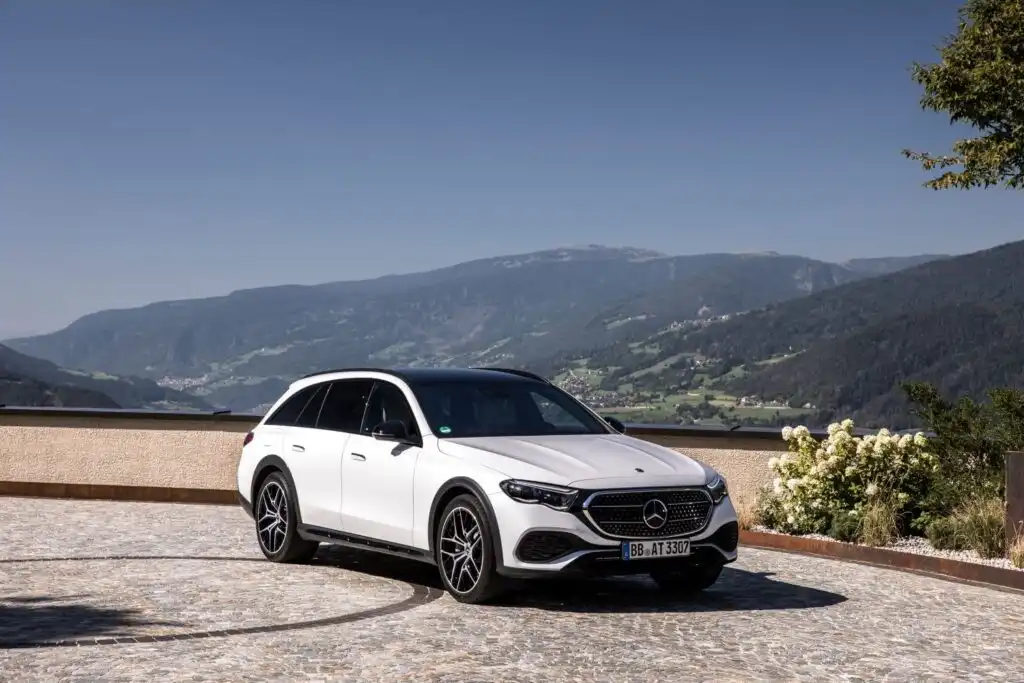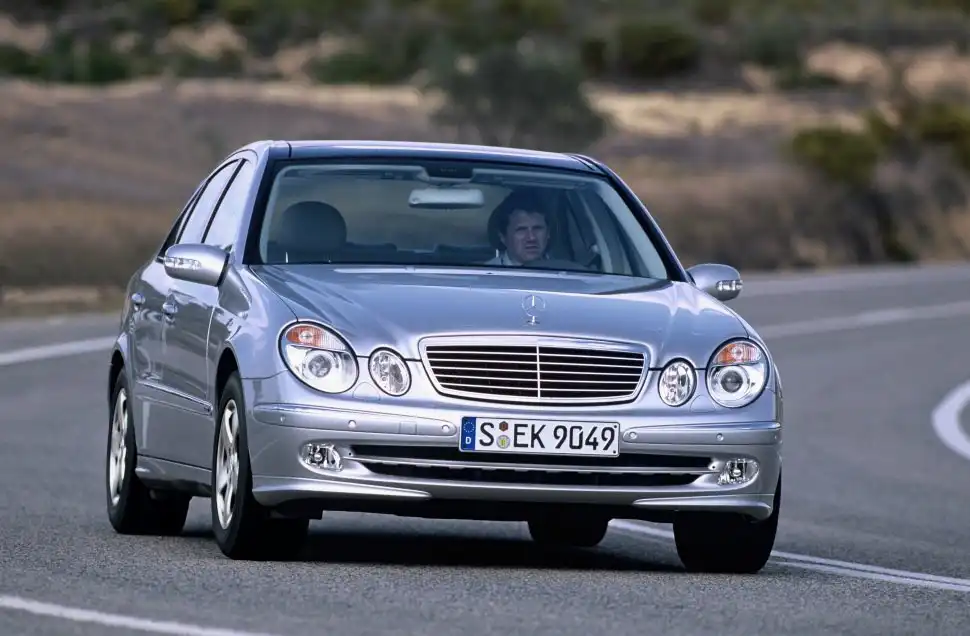
The Mercedes-Benz E 240 V6, produced between February 2001 and June 2005, was a significant variant within the W211 E-Class generation. Positioned as a mid-range offering, it bridged the gap between the entry-level E 200 Kompressor and the more powerful E 320. This model aimed to provide a balance of performance, refinement, and fuel efficiency for the discerning executive sedan buyer, primarily in European and Asian markets. The W211 E-Class, as a whole, represented a substantial leap forward in technology and design for Mercedes-Benz, and the E 240 V6 exemplified many of these advancements.
Technical Specifications
| Brand | Mercedes-Benz |
| Model | E-class |
| Generation | E-class (W211) |
| Type (Engine) | E 240 V6 (177 Hp) 5G-TRONIC |
| Start of production | February, 2001 |
| End of production | June, 2005 |
| Powertrain Architecture | Internal Combustion engine |
| Body type | Sedan |
| Seats | 5 |
| Doors | 4 |
| Fuel consumption (urban) | 14.8 l/100 km (15.9 US mpg, 19.1 UK mpg, 6.8 km/l) |
| Fuel consumption (extra urban) | 7.8 l/100 km (30.2 US mpg, 36.2 UK mpg, 12.8 km/l) |
| Fuel consumption (combined) | 10.3 l/100 km (22.8 US mpg, 27.4 UK mpg, 9.7 km/l) |
| Fuel Type | Petrol (Gasoline) |
| Acceleration 0 – 100 km/h | 9.1 sec |
| Acceleration 0 – 62 mph | 9.1 sec |
| Acceleration 0 – 60 mph | 8.6 sec |
| Maximum speed | 233 km/h (144.78 mph) |
| Weight-to-power ratio | 8.9 kg/Hp, 112.7 Hp/tonne |
| Weight-to-torque ratio | 6.5 kg/Nm, 152.9 Nm/tonne |
| Power | 177 Hp @ 5700 rpm |
| Power per litre | 68.2 Hp/l |
| Torque | 240 Nm @ 4500 rpm (177.01 lb.-ft. @ 4500 rpm) |
| Engine layout | Front, Longitudinal |
| Engine Model/Code | M 112.917 |
| Engine displacement | 2597 cm3 (158.48 cu. in.) |
| Number of cylinders | 6 |
| Engine configuration | V-engine |
| Cylinder Bore | 89.9 mm (3.54 in.) |
| Piston Stroke | 68.2 mm (2.69 in.) |
| Compression ratio | 10.5:1 |
| Number of valves per cylinder | 3 |
| Fuel injection system | Multi-port manifold injection |
| Engine aspiration | Naturally aspirated engine |
| Valvetrain | SOHC |
| Engine oil capacity | 8 l (8.45 US qt | 7.04 UK qt) |
| Coolant | 10 l (10.57 US qt | 8.8 UK qt) |
| Kerb Weight | 1570 kg (3461.26 lbs.) |
| Max. weight | 2105 kg (4640.73 lbs.) |
| Max load | 535 kg (1179.47 lbs.) |
| Fuel tank capacity | 65 l (17.17 US gal | 14.3 UK gal) |
| Length | 4818 mm (189.69 in.) |
| Width | 1822 mm (71.73 in.) |
| Height | 1433-1450 mm (56.42 – 57.09 in.) |
| Wheelbase | 2854 mm (112.36 in.) |
| Front track | 1559-1577 mm (61.38 – 62.09 in.) |
| Rear (Back) track | 1552-1570 mm (61.1 – 61.81 in.) |
| Drag coefficient (Cd) | 0.27 |
| Drivetrain Architecture | The Internal combustion engine (ICE) drives the rear wheels of the vehicle. |
| Drive wheel | Rear wheel drive |
| Number of gears and type of gearbox | 5 gears, automatic transmission G-TRONIC |
| Front suspension | Independent, type McPherson with coil spring and anti-roll bar |
| Rear suspension | Independent multi-link spring suspension with stabilizer |
| Front brakes | Ventilated discs |
| Rear brakes | Disc |
| Assisting systems | ABS (Anti-lock braking system) |
| Steering type | Steering rack and pinion |
| Power steering | Hydraulic Steering |
| Tires size | 205/60 R16; 225/55 R16 |
| Wheel rims size | 7J x 16; 7.5J x 16 |
INTRODUCTION
The Mercedes-Benz E 240 V6, part of the W211 series produced from 2002 to 2006, represented a key offering in the mid-size luxury sedan segment. The W211 generation marked a significant departure from its predecessor (W208), adopting a more modern and sophisticated design language, along with a host of technological advancements. The E 240 V6, with its 2.6-liter V6 engine and 5G-TRONIC automatic transmission, was designed to appeal to buyers seeking a comfortable, refined, and capable vehicle for both daily commuting and long-distance travel. It occupied a sweet spot in the lineup, offering a step up in performance from the four-cylinder models while remaining more accessible than the flagship V8-powered E 500.
Powertrain & Engine Architecture
At the heart of the E 240 V6 lies the M112.917 engine, a 2.6-liter naturally aspirated V6. This engine is a member of the M112 family, known for its smooth operation and reliability. It features a single overhead camshaft (SOHC) design per cylinder bank, utilizing three valves per cylinder (two intake, one exhaust). Fuel delivery is managed by a multi-port fuel injection system, ensuring precise fuel atomization for optimal combustion. The engine produces 177 horsepower at 5700 rpm and 240 Nm (177 lb-ft) of torque at 4500 rpm. The engine’s architecture prioritized refinement and low-end torque over outright horsepower.
The engine is paired with Mercedes-Benz’s 5G-TRONIC automatic transmission, a five-speed unit renowned for its smooth and responsive shifts. This transmission features a torque converter and electronically controlled gear changes, adapting to driving conditions and driver input. The 5G-TRONIC offered a manual shift mode, allowing drivers to exert more control over gear selection, though it wasn’t as sporty as some contemporary transmissions.
Driving Characteristics
The E 240 V6 offered a comfortable and composed driving experience. While not a sports sedan, the V6 engine provided adequate power for confident acceleration and highway cruising. The 0-60 mph sprint took approximately 8.6 seconds, and the car could reach a top speed of 233 km/h (144.78 mph). The 5G-TRONIC transmission contributed to the smooth driving experience, with seamless gear changes minimizing disruptions. Compared to the manual transmission options available on other E-Class models, the automatic prioritized ease of use and comfort over outright performance. The gear ratios were tuned for relaxed cruising, rather than aggressive acceleration. Compared to the E 320, the E 240 V6 felt noticeably less powerful, particularly during overtaking maneuvers, but it offered a more fuel-efficient alternative.
Equipment & Trim Levels
The E 240 V6 came standard with a generous array of features, reflecting its position as a luxury sedan. Standard equipment typically included automatic climate control, power windows and locks, a multi-function steering wheel, and a premium audio system. Interior upholstery was typically cloth or leatherette, with leather being an optional upgrade. Dashboard trim could be specified in wood or aluminum. Optional extras included a sunroof, navigation system, heated seats, and a premium sound system. The E 240 V6 was often specified with the Elegance trim package, which emphasized comfort and luxury, or the Avantgarde package, which offered a sportier appearance and slightly firmer suspension.
Chassis & Braking
The W211 E-Class featured a robust chassis with independent suspension at all four wheels. The front suspension utilized a McPherson strut design with coil springs and an anti-roll bar, while the rear suspension employed a multi-link setup, also with coil springs and a stabilizer bar. This suspension configuration provided a comfortable ride while maintaining good handling characteristics. Braking duties were handled by ventilated discs at the front and solid discs at the rear, equipped with ABS (Anti-lock Braking System) as standard. The E 240 V6’s weight distribution and suspension tuning were optimized for stability and predictable handling.
Market Reception & Comparison
The E 240 V6 was generally well-received by automotive critics. It was praised for its comfortable ride, refined engine, and smooth-shifting transmission. However, some critics noted that its performance was not as exhilarating as that of the E 320 or the E 500. Fuel economy was considered respectable for a vehicle in its class, averaging around 22.8 US mpg in combined driving. Compared to the E 200 Kompressor, the E 240 V6 offered a significant performance upgrade, justifying its higher price tag. In terms of reliability, the M112 engine proved to be quite durable, although routine maintenance was essential to prevent issues with the timing chain tensioners and oil leaks.
Legacy
The Mercedes-Benz E 240 V6, while not the most iconic variant of the W211 E-Class, remains a popular choice in the used car market. Its combination of luxury, comfort, and reliability has ensured its continued appeal. The M112 V6 engine is known for its longevity, and well-maintained examples can still provide years of reliable service. However, potential buyers should be aware of the potential for timing chain tensioner issues and oil leaks, and should ensure that the vehicle has been properly maintained. The E 240 V6 represents a high point in Mercedes-Benz engineering, offering a refined and capable driving experience that continues to resonate with enthusiasts today.