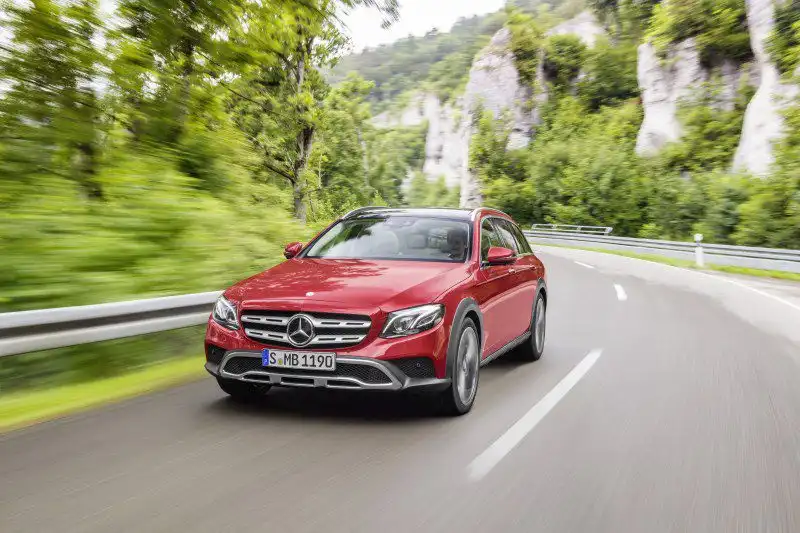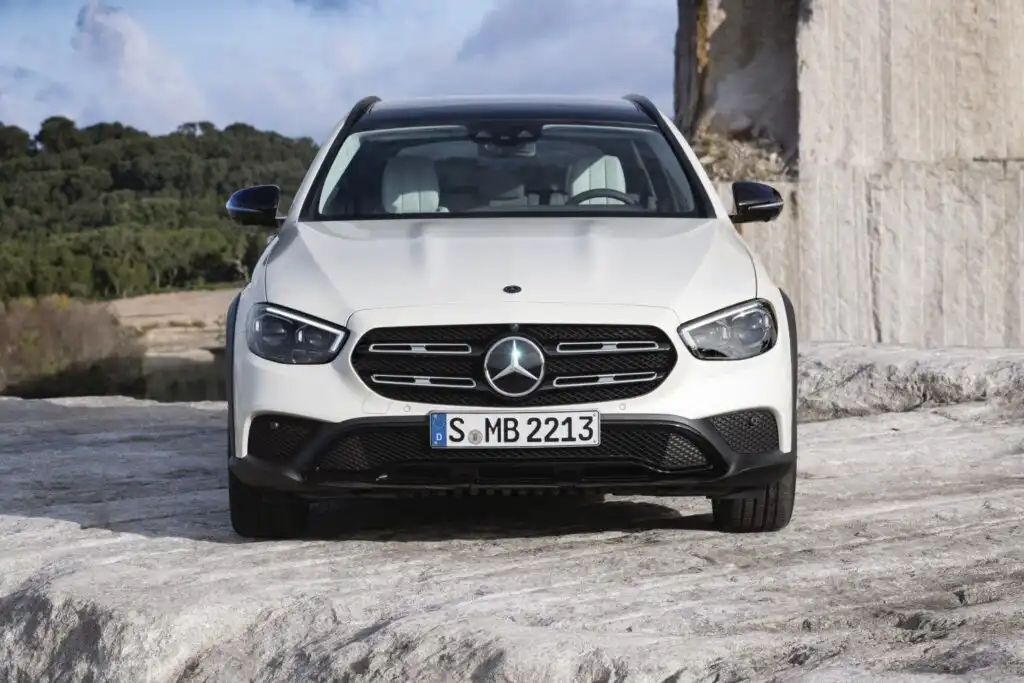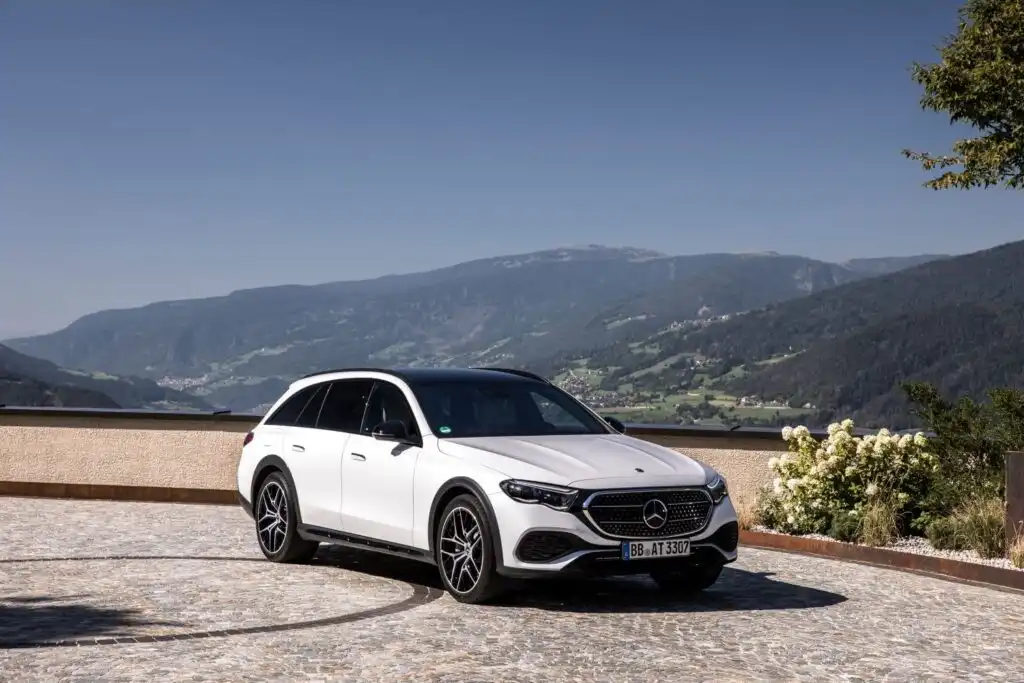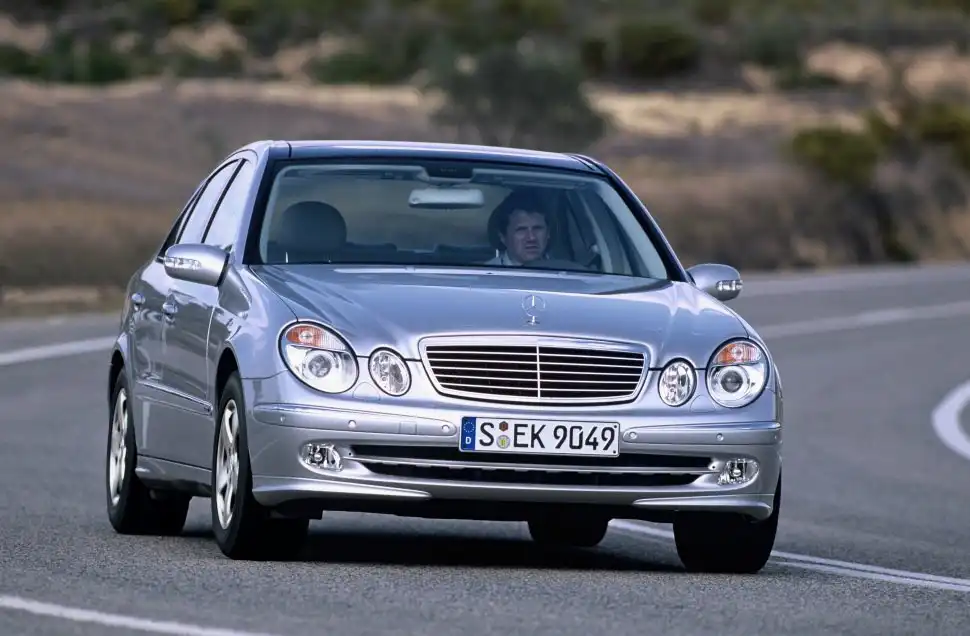
The Mercedes-Benz E 320 V6, produced between 2003 and 2006, was a significant variant within the W211 E-Class generation. Positioned as a mid-range offering, it bridged the gap between the entry-level E 240 and the performance-oriented E 500 models. This particular configuration – a 3.2-liter V6 engine paired with the 5G-TRONIC automatic transmission – aimed to deliver a balance of refinement, performance, and comfort, appealing to buyers seeking a luxurious and capable executive sedan. The W211 E-Class, launched in 2002, represented a substantial leap forward in technology and design for Mercedes-Benz, and the E 320 V6 exemplified many of these advancements.
Technical Specifications
| Brand | Mercedes-Benz |
| Model | E-class |
| Generation | E-class (W211) |
| Type (Engine) | E 320 V6 (224 Hp) 5G-TRONIC |
| Start of production | 2003 |
| End of production | 2006 |
| Powertrain Architecture | Internal Combustion engine |
| Body type | Sedan |
| Seats | 5 |
| Doors | 4 |
| Fuel consumption (urban) | 14.4 l/100 km (16.3 US mpg, 19.6 UK mpg) |
| Fuel consumption (extra urban) | 7.5 l/100 km (31.4 US mpg, 37.7 UK mpg) |
| Fuel consumption (combined) | 9.9 l/100 km (23.8 US mpg, 28.5 UK mpg) |
| Fuel Type | Petrol (Gasoline) |
| Acceleration 0 – 100 km/h | 7.7 sec |
| Acceleration 0 – 62 mph | 7.7 sec |
| Acceleration 0 – 60 mph | 7.3 sec |
| Maximum speed | 243 km/h (150.99 mph) |
| Weight-to-power ratio | 7.3 kg/Hp |
| Weight-to-torque ratio | 5.2 kg/Nm |
| Power | 224 Hp @ 5600 rpm |
| Power per litre | 70 Hp/l |
| Torque | 315 Nm @ 3000 rpm (232.33 lb.-ft. @ 3000 rpm) |
| Engine layout | Front, Longitudinal |
| Engine Model/Code | M 112.949 |
| Engine displacement | 3199 cm3 (195.21 cu. in.) |
| Number of cylinders | 6 |
| Engine configuration | V-engine |
| Cylinder Bore | 89.9 mm (3.54 in.) |
| Piston Stroke | 84 mm (3.31 in.) |
| Compression ratio | 10:1 |
| Number of valves per cylinder | 3 |
| Fuel injection system | Multi-port manifold injection |
| Engine aspiration | Naturally aspirated engine |
| Engine oil capacity | 8 l (8.45 US qt | 7.04 UK qt) |
| Coolant | 10 l (10.57 US qt | 8.8 UK qt) |
| Kerb Weight | 1645 kg (3626.6 lbs.) |
| Max. weight | 2170 kg (4784.03 lbs.) |
| Max load | 525 kg (1157.43 lbs.) |
| Trunk (boot) space – minimum | 540 l (19.07 cu. ft.) |
| Fuel tank capacity | 65 l (17.17 US gal | 14.3 UK gal) |
| Permitted trailer load with brakes (12%) | 1900 kg (4188.78 lbs.) |
| Permitted trailer load without brakes | 750 kg (1653.47 lbs.) |
| Length | 4818 mm (189.69 in.) |
| Width | 1822 mm (71.73 in.) |
| Height | 1452 mm (57.17 in.) |
| Wheelbase | 2854 mm (112.36 in.) |
| Front track | 1577 mm (62.09 in.) |
| Rear (Back) track | 1570 mm (61.81 in.) |
| Drag coefficient (Cd) | 0.27 |
| Drivetrain Architecture | Rear wheel drive |
| Number of gears and type of gearbox | 5 gears, automatic transmission |
| Front suspension | Double wishbone |
| Rear suspension | Independent multi-link spring suspension with stabilizer |
| Front brakes | Ventilated discs |
| Rear brakes | Disc |
| Assisting systems | ABS (Anti-lock braking system) |
| Steering type | Steering rack and pinion |
| Power steering | Hydraulic Steering |
| Tires size | 225/55 R16 |
| Wheel rims size | 16 |
Powertrain & Engine Architecture
The heart of the E 320 V6 was the M112.949 engine, a 3.2-liter naturally aspirated V6. This engine was a member of Mercedes-Benz’s highly regarded M112 family, known for its smooth operation and robust construction. It featured a 60-degree V-angle, three valves per cylinder (two intake, one exhaust), and a multi-point fuel injection system. The engine produced 224 horsepower at 5600 rpm and 315 Nm (232 lb-ft) of torque at 3000 rpm. The 5G-TRONIC automatic transmission, a five-speed unit, was specifically tuned to complement the engine’s characteristics, providing smooth and responsive shifts. This transmission offered a manual shift mode, allowing drivers some control over gear selection. The engine’s longitudinal mounting and rear-wheel-drive configuration were typical for Mercedes-Benz sedans of this era, contributing to a balanced driving experience.
Driving Characteristics
The E 320 V6 offered a refined and comfortable driving experience. While not overtly sporty, the engine provided ample power for everyday driving and confident highway cruising. Acceleration from 0 to 60 mph took approximately 7.3 seconds, and the car had a top speed of 151 mph. The 5G-TRONIC transmission contributed to smooth acceleration, although some drivers found it could be hesitant during quick downshifts. Compared to the more powerful E 500, the E 320 felt less urgent, but it offered better fuel economy. Against the diesel-powered E 320 CDI, the gasoline version provided a smoother, quieter experience, but lacked the diesel’s low-end torque and fuel efficiency. The gear ratios were optimized for a balance of acceleration and fuel economy, making it a suitable choice for long-distance travel.
Equipment & Trim Levels
The E 320 V6 typically came well-equipped, reflecting its position as a mid-range luxury sedan. Standard features included leather upholstery, automatic climate control, power-adjustable front seats, a premium sound system, and alloy wheels. Optional extras included a sunroof, navigation system, upgraded sound system, and various driver-assistance features. Interior trim options ranged from wood veneers to aluminum accents, allowing buyers to personalize the cabin. The dashboard layout was typical of Mercedes-Benz at the time, with a focus on functionality and elegance.
Chassis & Braking
The W211 E-Class featured a sophisticated chassis design. The E 320 V6 utilized a double wishbone front suspension and an independent multi-link rear suspension, providing a comfortable ride and good handling characteristics. Ventilated disc brakes were standard on all four wheels, and the car was equipped with ABS (Anti-lock Braking System) as standard. The steering was a hydraulic power-assisted rack and pinion system, offering precise and responsive control. The suspension was tuned to prioritize comfort, but still provided adequate body control during cornering.
Market Reception & Comparison
The E 320 V6 was generally well-received by automotive critics. It was praised for its smooth engine, comfortable ride, and luxurious interior. However, some reviewers noted that the car lacked the sporty character of its rivals, such as the BMW 5 Series. Fuel economy was considered reasonable for a vehicle of its size and class, averaging around 24 mpg in combined driving. Compared to the E 240, the E 320 offered a noticeable performance upgrade, while the E 500 provided even more power but at a higher price point and with reduced fuel efficiency. The E 320 CDI, with its diesel engine, offered superior fuel economy and torque but lacked the refinement of the gasoline V6.
Legacy
The M112 engine family, including the 3.2-liter V6 found in the E 320, is known for its durability and reliability. While maintenance costs can be higher than for some other engines, the M112 is generally considered a robust and long-lasting powerplant. Today, well-maintained E 320 V6 models are sought after by enthusiasts who appreciate their blend of luxury, performance, and reliability. Common issues include occasional problems with the electronic throttle body and the auxiliary battery. However, these are generally addressable with proper maintenance and repair. The W211 E-Class, and the E 320 V6 in particular, remains a popular choice in the used car market, offering a taste of Mercedes-Benz luxury at a relatively affordable price.