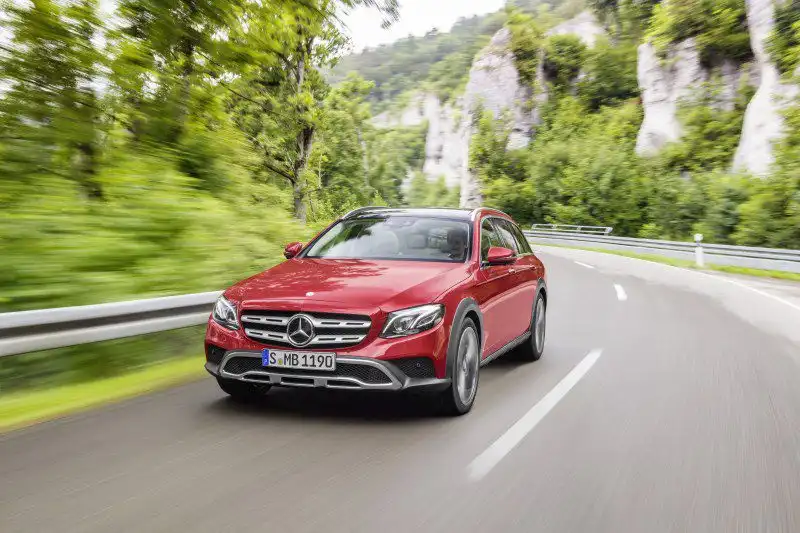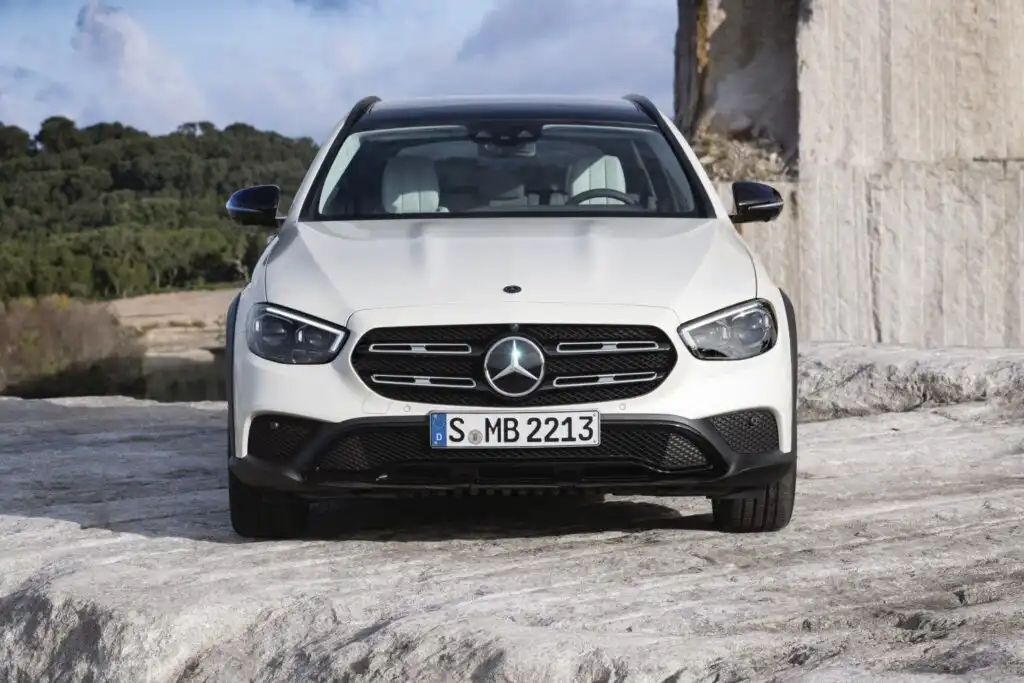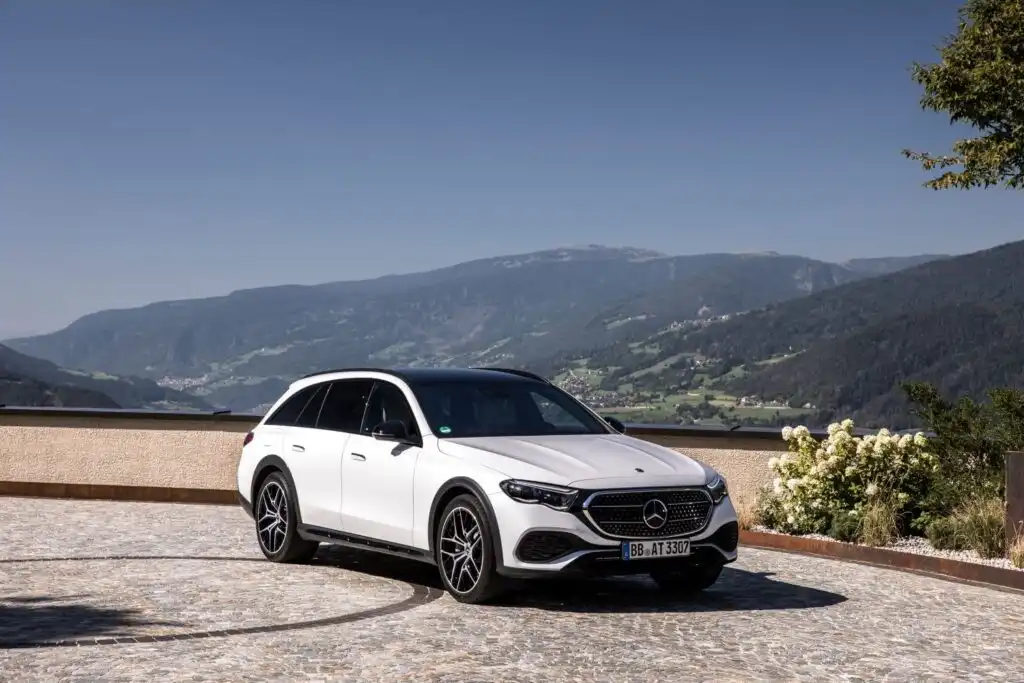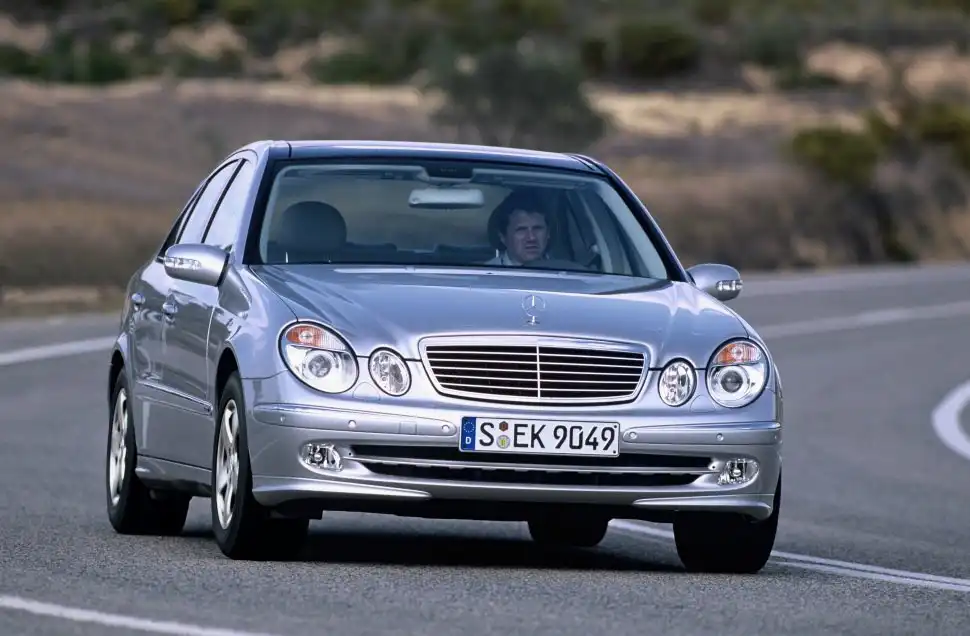
The Mercedes-Benz E-Class W211 E 400 CDI V8, produced from 2003 to 2005, represented a unique offering within the third generation (W211) E-Class lineup. Positioned as a high-performance diesel variant, it combined a powerful V8 engine with a sophisticated automatic transmission, targeting buyers seeking luxury, performance, and long-distance cruising capability. This model occupied a niche above the more common four and six-cylinder diesel options, and below the high-performance AMG models. It was primarily sold in European markets where diesel engines were favored for their fuel efficiency and torque.
Technical Specifications
| Brand | Mercedes-Benz |
| Model | E-Class |
| Generation | E-Class (W211) |
| Type (Engine) | E 400 CDI V8 (260 Hp) 5G-TRONIC |
| Start of production | 2003 |
| End of production | 2005 |
| Powertrain Architecture | Internal Combustion engine |
| Body type | Sedan |
| Seats | 5 |
| Doors | 4 |
| Fuel consumption (urban) | 13.5 l/100 km (17.4 US mpg, 20.9 UK mpg) |
| Fuel consumption (extra urban) | 7.1 l/100 km (33.1 US mpg, 39.8 UK mpg) |
| Fuel consumption (combined) | 9.4 l/100 km (25 US mpg, 30.1 UK mpg) |
| Fuel Type | Diesel |
| Acceleration 0 – 100 km/h | 6.9 sec |
| Acceleration 0 – 62 mph | 6.9 sec |
| Acceleration 0 – 60 mph | 6.6 sec |
| Maximum speed | 250 km/h (155.34 mph) |
| Emission standard | Euro 3 |
| Weight-to-power ratio | 7.1 kg/Hp |
| Weight-to-torque ratio | 3.3 kg/Nm |
| Power | 260 Hp @ 4000 rpm |
| Torque | 560 Nm @ 1600 rpm (413.03 lb.-ft. @ 1600 rpm) |
| Engine layout | Front, Longitudinal |
| Engine Model/Code | OM 628.961 |
| Engine displacement | 3996 cm3 (243.85 cu. in.) |
| Number of cylinders | 8 |
| Engine configuration | V-engine |
| Cylinder Bore | 86 mm (3.39 in.) |
| Piston Stroke | 86 mm (3.39 in.) |
| Compression ratio | 18.5:1 |
| Number of valves per cylinder | 4 |
| Fuel injection system | Diesel Commonrail |
| Engine aspiration | Turbocharger, Intercooler |
| Engine oil capacity | 9.5 l (10.04 US qt, 8.36 UK qt) |
| Coolant capacity | 15.3 l (16.17 US qt, 13.46 UK qt) |
| Kerb Weight | 1835 kg (4045.48 lbs.) |
| Max. weight | 2360 kg (5202.91 lbs.) |
| Max load | 525 kg (1157.43 lbs.) |
| Trunk (boot) space (minimum) | 540 l (19.07 cu. ft.) |
| Fuel tank capacity | 80 l (21.13 US gal, 17.6 UK gal) |
| Permitted trailer load (with brakes) | 1900 kg (4188.78 lbs.) |
| Permitted trailer load (without brakes) | 750 kg (1653.47 lbs.) |
| Length | 4818 mm (189.69 in.) |
| Width | 1822 mm (71.73 in.) |
| Height | 1430 mm (56.3 in.) |
| Wheelbase | 2854 mm (112.36 in.) |
| Front track | 1577 mm (62.09 in.) |
| Rear track | 1570 mm (61.81 in.) |
| Drag coefficient (Cd) | 0.27 |
| Minimum turning circle | 11.4 m (37.4 ft.) |
| Drivetrain Architecture | Rear wheel drive |
| Number of gears | 5 |
| Gearbox type | Automatic transmission |
| Front suspension | Double wishbone |
| Rear suspension | Independent multi-link spring suspension with stabilizer |
| Front brakes | Ventilated discs |
| Rear brakes | Disc |
| Assisting systems | ABS (Anti-lock braking system) |
| Steering type | Steering rack and pinion |
| Power steering | Hydraulic |
| Tires size | 245/45 R17 |
| Wheel rims size | 17 |
Powertrain & Engine Architecture
The heart of the E 400 CDI was the OM 628.961, a 4.0-liter V8 diesel engine. This engine was a significant departure from the inline-six cylinder diesels more commonly found in European vehicles of the era. It featured a robust cast iron block and aluminum cylinder heads. The engine employed a common rail direct injection system, delivering fuel at extremely high pressures for optimized combustion. A variable geometry turbocharger with an intercooler further enhanced performance, providing increased boost across a wider RPM range. The engine produced 260 horsepower at 4000 rpm and a substantial 560 Nm (413 lb-ft) of torque at just 1600 rpm. This high torque output was a key characteristic of the engine, providing effortless acceleration and strong pulling power. The engine was paired with Mercedes-Benz’s 5G-TRONIC automatic transmission, a five-speed unit known for its smooth shifting and adaptability.
Driving Characteristics
The E 400 CDI V8 offered a distinctly different driving experience compared to its four and six-cylinder diesel siblings. The V8 engine provided a level of refinement and power that was unmatched in the E-Class diesel range. Acceleration was brisk, with 0-60 mph times around 6.6 seconds. The abundance of torque meant that overtaking maneuvers were executed with ease, even at highway speeds. The 5G-TRONIC transmission contributed to a relaxed driving experience, seamlessly shifting gears to keep the engine in its optimal power band. While not a sports car, the E 400 CDI offered a confident and composed ride, making it an excellent choice for long-distance travel. Compared to the manual transmission options available on other E-Class models, the automatic prioritized comfort and convenience over outright driver engagement.
Equipment & Trim Levels
The E 400 CDI V8 typically came well-equipped, reflecting its position as a premium variant. Standard features included leather upholstery, automatic climate control, power-adjustable front seats with memory function, a premium audio system, and alloy wheels. Optional extras included a sunroof, navigation system, parking sensors, and upgraded interior trim materials. The interior design was typical of Mercedes-Benz at the time, emphasizing luxury and understated elegance. The dashboard featured wood trim and analog gauges, with a focus on functionality and ease of use.
Chassis & Braking
The E 400 CDI V8 utilized a double wishbone front suspension and an independent multi-link rear suspension, providing a comfortable and controlled ride. Stabilizer bars were fitted to both axles to reduce body roll during cornering. The braking system consisted of ventilated disc brakes at the front and solid disc brakes at the rear. Anti-lock braking system (ABS) was standard, enhancing safety and stability. The suspension was tuned to balance comfort and handling, providing a smooth ride over uneven surfaces while maintaining a degree of responsiveness.
Market Reception & Comparison
The E 400 CDI V8 received generally positive reviews from automotive critics. It was praised for its powerful engine, smooth transmission, and luxurious interior. However, some critics noted that the fuel economy, while respectable for a V8, was not as impressive as the smaller diesel engines in the E-Class range. Compared to the E 320 CDI (a 3.2-liter inline-six diesel), the E 400 CDI offered significantly more power and refinement, but at a higher price point and with slightly increased fuel consumption. The E 400 CDI also stood apart from the gasoline-powered E 430, offering superior torque and fuel efficiency.
Legacy
The OM 628 engine family, including the 4.0-liter V8 used in the E 400 CDI, is known for its durability and longevity. While maintenance costs can be higher than those of smaller engines, the OM 628 is generally considered a reliable powerplant. Today, the E 400 CDI V8 is a relatively rare and sought-after model among Mercedes-Benz enthusiasts. Well-maintained examples command a premium in the used car market. The combination of performance, luxury, and diesel efficiency makes it a compelling choice for those seeking a unique and capable grand tourer.