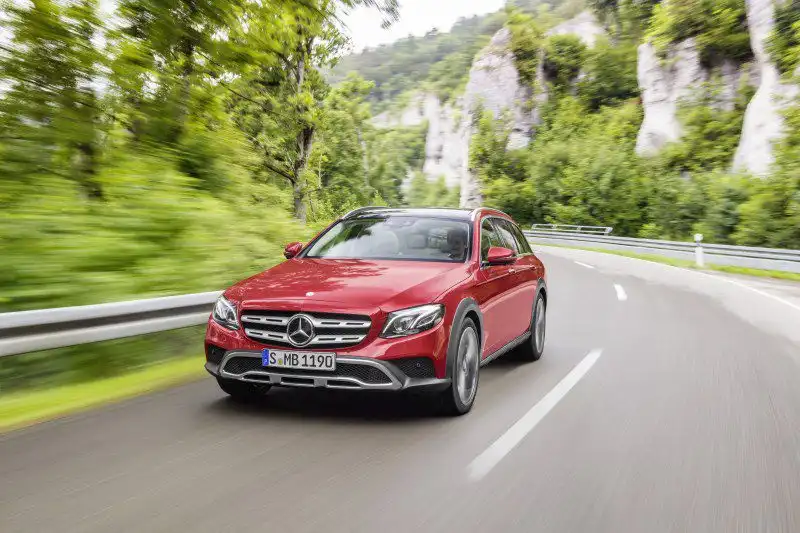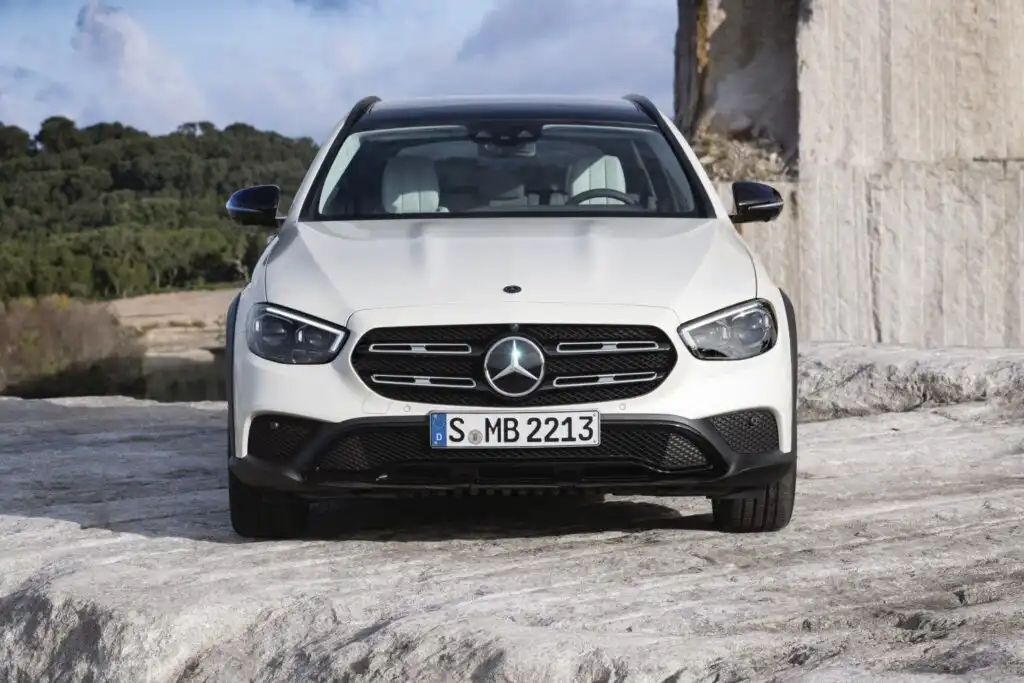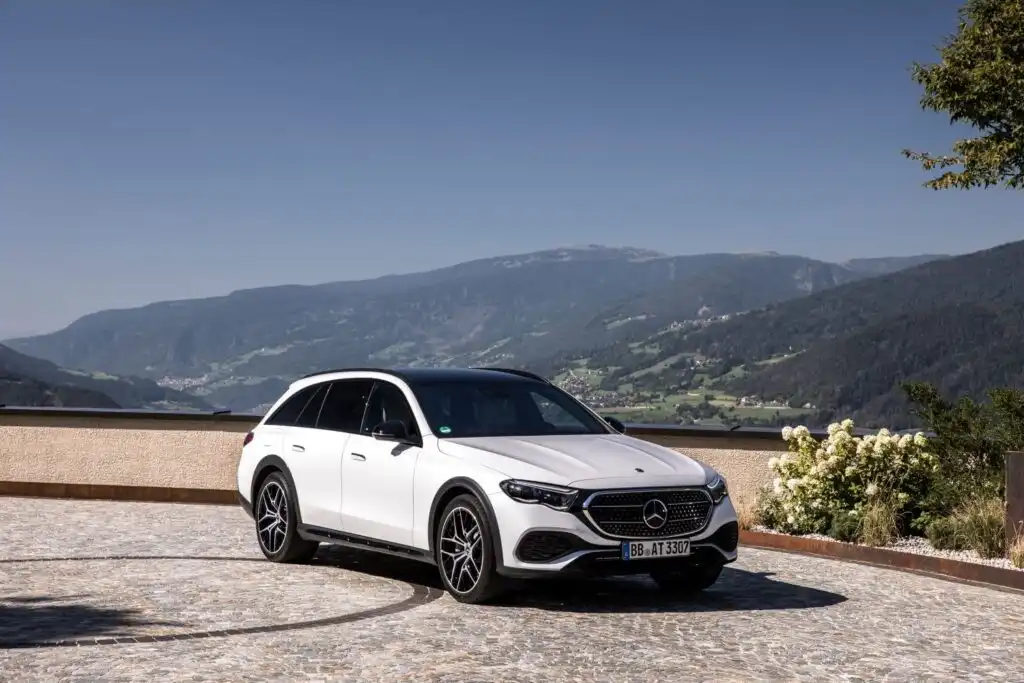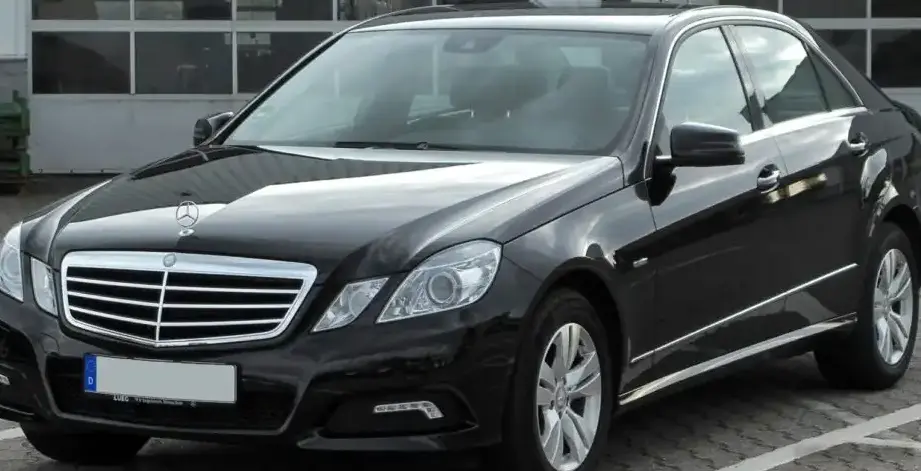
The Mercedes-Benz E-Class W212 E 250 CDI BlueEFFICIENCY, produced from March 2009 to February 2011, represented a key offering in the mid-size luxury sedan segment. Positioned as a fuel-efficient diesel variant within the broader W212 E-Class range, it aimed to balance performance with economy, appealing to buyers seeking a refined driving experience without sacrificing practicality. This model was particularly significant in European markets where diesel engines held a substantial market share, but also found a niche audience in North America. It sat in the mid-range of the E-Class lineup, offering a step up from the base E 200 CDI while remaining more accessible than the higher-performance E 350 or E 500 models.
Technical Specifications
| Brand | Mercedes-Benz |
| Model | E-class |
| Generation | E-class (W212) |
| Type (Engine) | E 250 CDI BlueEFFICIENCY (204 Hp) |
| Start of production | March, 2009 |
| End of production | February, 2011 |
| Powertrain Architecture | Internal Combustion engine |
| Body type | Sedan |
| Seats | 5 |
| Doors | 4 |
| Fuel consumption (economy) – urban (NEDC) | 6.9-7 l/100 km (34.1 – 33.6 US mpg, 40.9 – 40.4 UK mpg, 14.5 – 14.3 km/l) |
| Fuel consumption (economy) – extra urban (NEDC) | 4.4-4.6 l/100 km (53.5 – 51.1 US mpg, 64.2 – 61.4 UK mpg, 22.7 – 21.7 km/l) |
| Fuel consumption (economy) – combined (NEDC) | 5.3-5.5 l/100 km (44.4 – 42.8 US mpg, 53.3 – 51.4 UK mpg, 18.9 – 18.2 km/l) |
| CO2 emissions (NEDC) | 139-144 g/km |
| Fuel Type | Diesel |
| Acceleration 0 – 100 km/h | 7.7 sec |
| Acceleration 0 – 62 mph | 7.7 sec |
| Acceleration 0 – 60 mph | 7.3 sec |
| Maximum speed | 240 km/h (149.13 mph) |
| Emission standard | Euro 5 |
| Weight-to-power ratio | 8.1 kg/Hp, 122.9 Hp/tonne |
| Weight-to-torque ratio | 3.3 kg/Nm, 301.2 Nm/tonne |
| Power | 204 Hp @ 4200 rpm |
| Power per litre | 95.2 Hp/l |
| Torque | 500 Nm @ 1600-1800 rpm (368.78 lb.-ft. @ 1600-1800 rpm) |
| Engine layout | Front, Longitudinal |
| Engine Model/Code | OM 651.924 |
| Engine displacement | 2143 cm3 (130.77 cu. in.) |
| Number of cylinders | 4 |
| Engine configuration | Inline |
| Cylinder Bore | 83 mm (3.27 in.) |
| Piston Stroke | 99 mm (3.9 in.) |
| Compression ratio | 16.2:1 |
| Number of valves per cylinder | 4 |
| Fuel injection system | Diesel Commonrail |
| Engine aspiration | BiTurbo, Intercooler |
| Valvetrain | DOHC |
| Engine oil capacity | 6.5 l (6.87 US qt | 5.72 UK qt) |
| Coolant | 9 l (9.51 US qt | 7.92 UK qt) |
| Kerb Weight | 1660 kg (3659.67 lbs.) |
| Max. weight | 2280 kg (5026.54 lbs.) |
| Max load | 620 kg (1366.87 lbs.) |
| Trunk (boot) space – minimum | 540 l (19.07 cu. ft.) |
| Fuel tank capacity | 59 l (15.59 US gal | 12.98 UK gal) |
| Max. roof load | 100 kg (220.46 lbs.) |
| Permitted trailer load with brakes (12%) | 1900 kg (4188.78 lbs.) |
| Permitted trailer load without brakes | 750 kg (1653.47 lbs.) |
| Permitted towbar download | 84 kg (185.19 lbs.) |
| Length | 4868 mm (191.65 in.) |
| Width | 1854 mm (72.99 in.) |
| Width including mirrors | 2071 mm (81.54 in.) |
| Height | 1464 mm (57.64 in.) |
| Wheelbase | 2874 mm (113.15 in.) |
| Front track | 1600 mm (62.99 in.) |
| Rear (Back) track | 1619 mm (63.74 in.) |
| Front overhang | 841 mm (33.11 in.) |
| Rear overhang | 1153 mm (45.39 in.) |
| Drag coefficient (Cd) | 0.25 |
| Minimum turning circle (turning diameter) | 11.25 m (36.91 ft.) |
| Drivetrain Architecture | The Internal combustion engine (ICE) drives the rear wheels of the vehicle. |
| Drive wheel | Rear wheel drive |
| Number of gears and type of gearbox | 6 gears, manual transmission |
| Front suspension | Coil spring, Independent multi-link suspension, Transverse stabilizer, Air Suspension – Optional |
| Rear suspension | Independent multi-link spring suspension with stabilizer, Air Suspension – Optional |
| Front brakes | Ventilated discs, 295 mm |
| Rear brakes | Disc, 300 mm |
| Assisting systems | ABS (Anti-lock braking system) |
| Steering type | Steering rack and pinion |
| Power steering | Hydraulic Steering |
| Tires size | Front wheel tires: 225/55 R16; 245/45 R17; 245/40 R18Rear wheel tires: 225/55 R16; 245/45 R17; 265/50 R18 |
| Wheel rims size | Front wheel rims: 7.5J x 16; 8J x 17; 8.5J x 18Rear wheel rims: 7.5J x 16; 8J x 17; 9J x 18 |
INTRODUCTION
The W212 E-Class, launched in 2009, represented a significant evolution for Mercedes-Benz’s mid-size executive car. The E 250 CDI BlueEFFICIENCY, powered by the OM651 engine, was a core component of the range, particularly in Europe. It was designed to offer a compelling blend of luxury, efficiency, and performance. The “BlueEFFICIENCY” designation indicated the inclusion of various fuel-saving technologies, aligning with Mercedes-Benz’s commitment to reducing emissions and improving fuel economy. This variant was available as a sedan, and later as a wagon (estate) body style.
Powertrain & Engine Architecture
At the heart of the E 250 CDI BlueEFFICIENCY lies the OM651.924 2.1-liter inline-four cylinder diesel engine. This engine is a highly advanced design for its time, featuring common-rail direct injection and a variable geometry turbocharger. The second-generation common-rail system delivered increased injection pressures for improved combustion efficiency and reduced emissions. The engine also incorporated a diesel particulate filter (DPF) to further minimize harmful emissions, meeting the stringent Euro 5 standards. The twin-turbocharger setup, with a smaller turbo for quick response and a larger turbo for high-end power, contributed to the engine’s broad torque curve. The engine produced 204 horsepower at 4200 rpm and a substantial 500 Nm (368 lb-ft) of torque between 1600 and 1800 rpm. The engine’s robust construction and advanced technologies ensured both durability and refinement. The 6-speed manual transmission was standard, offering precise shifts and contributing to the car’s overall efficiency.
Driving Characteristics
The E 250 CDI BlueEFFICIENCY offered a comfortable and refined driving experience. While not overtly sporty, the engine’s ample torque provided strong acceleration, particularly in the mid-range. The 0-60 mph sprint took approximately 7.3 seconds, making it competitive within its class. The manual transmission allowed for driver engagement, but the gear ratios were optimized for fuel efficiency rather than outright performance. Compared to the more powerful E 350, the E 250 CDI felt less urgent in its acceleration, but it offered a more relaxed and economical driving experience. The suspension, tuned for comfort, absorbed bumps and imperfections in the road effectively, providing a smooth ride. The steering was precise and well-weighted, offering good feedback to the driver.
Equipment & Trim Levels
The E 250 CDI BlueEFFICIENCY came standard with a comprehensive array of features, befitting its luxury sedan status. These included automatic climate control, a high-quality audio system, power-adjustable front seats, and a leather-wrapped steering wheel. Upholstery typically consisted of fabric or leatherette, with full leather being an optional upgrade. Optional extras included a navigation system, a sunroof, heated seats, and advanced driver-assistance systems such as adaptive cruise control and lane-keeping assist. Trim levels varied depending on the market, but generally offered increasing levels of luxury and technology.
Chassis & Braking
The W212 E-Class featured a sophisticated chassis design, incorporating a multi-link independent suspension at all four corners. This setup provided excellent ride comfort and handling balance. The front suspension utilized coil springs and a transverse stabilizer bar, while the rear suspension employed a similar configuration. Brakes consisted of ventilated discs at the front and solid discs at the rear. Anti-lock braking system (ABS) was standard, along with electronic brakeforce distribution (EBD). Optional air suspension was available, offering adjustable ride height and damping for enhanced comfort and control.
Market Reception & Comparison
The E 250 CDI BlueEFFICIENCY was generally well-received by automotive critics. It was praised for its fuel efficiency, comfortable ride, and refined interior. However, some reviewers noted that the engine, while capable, lacked the outright performance of its gasoline-powered counterparts. Compared to the E 350, the E 250 CDI offered significantly better fuel economy, making it a more practical choice for high-mileage drivers. Its reliability was generally good, although the diesel particulate filter (DPF) could require occasional maintenance, particularly in urban driving conditions.
Legacy
The OM651 engine, as used in the E 250 CDI BlueEFFICIENCY, proved to be a durable and reliable powerplant. These engines have generally held up well over time, with proper maintenance. On the used car market, the W212 E 250 CDI BlueEFFICIENCY remains a popular choice for buyers seeking a comfortable, efficient, and well-equipped luxury sedan. Its combination of fuel economy, reliability, and Mercedes-Benz prestige continues to make it a desirable option, even years after its production ended. However, potential buyers should be aware of the potential maintenance costs associated with the DPF and other diesel-specific components.