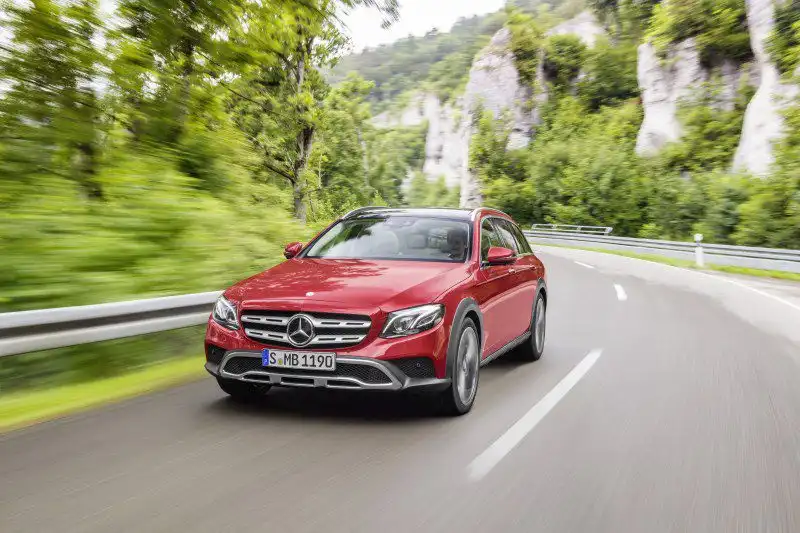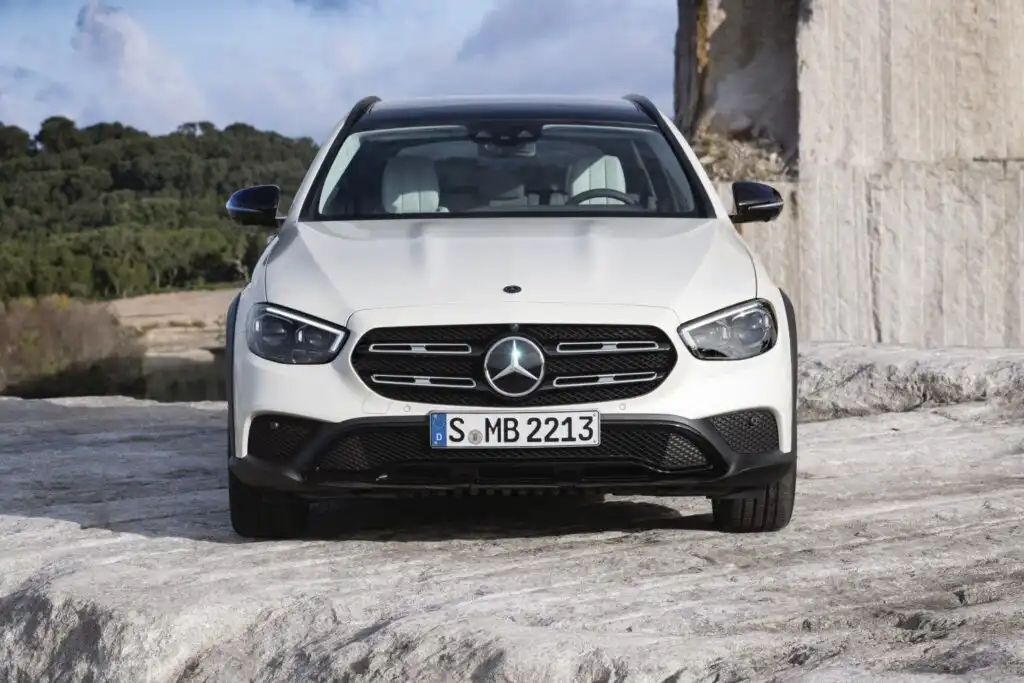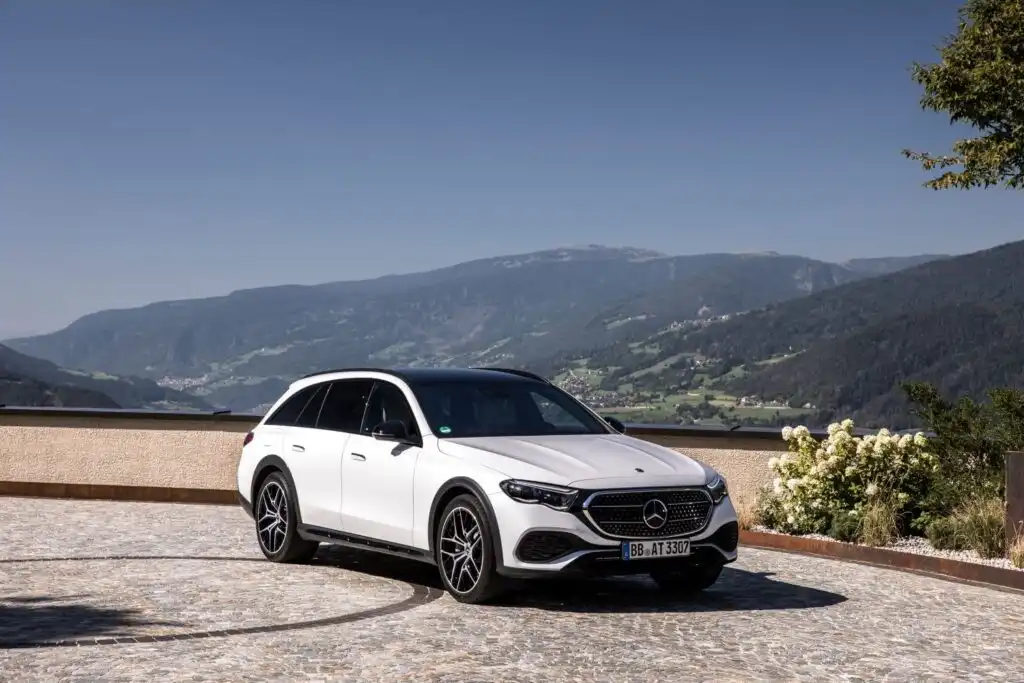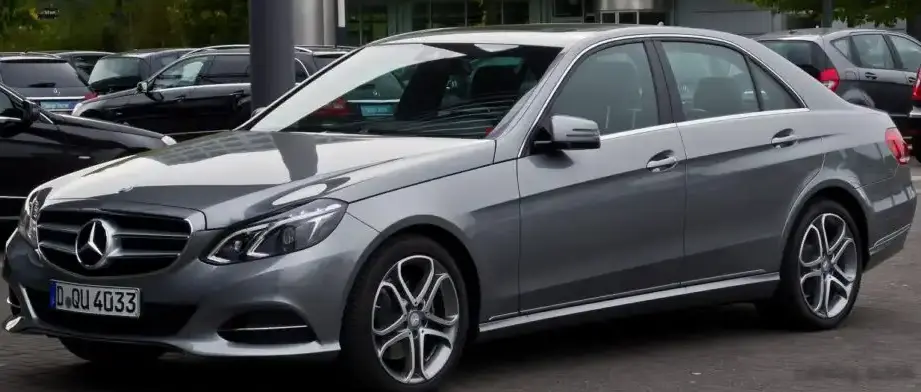
The Mercedes-Benz E63 AMG, specifically the W212 facelift model produced between April 2013 and January 2016, represents a high-performance iteration of the popular E-Class executive sedan. This variant, equipped with the 5.5-liter M157.981 V8 engine producing 557 horsepower and paired with the AMG SPEEDSHIFT MCT 7-speed automatic transmission, occupied the top echelon of the E-Class lineup, offering a compelling blend of luxury, performance, and technology. It served as a direct competitor to vehicles like the BMW M5 and Audi RS6, appealing to drivers seeking a powerful and refined driving experience.
Technical Specifications
| Brand | Mercedes-Benz |
| Model | E-class |
| Generation | E-class (W212, facelift 2013) |
| Type (Engine) | AMG E 63 V8 (557 Hp) AMG SPEEDSHIFT MCT |
| Start of production | April, 2013 |
| End of production | January, 2016 |
| Powertrain Architecture | Internal Combustion engine |
| Body type | Sedan |
| Seats | 5 |
| Doors | 4 |
| Fuel consumption (economy) – urban (NEDC) | 13.8 l/100 km (17 US mpg, 20.5 UK mpg, 7.2 km/l) |
| Fuel consumption (economy) – extra urban (NEDC) | 7.5 l/100 km (31.4 US mpg, 37.7 UK mpg, 13.3 km/l) |
| Fuel consumption (economy) – combined (NEDC) | 9.8 l/100 km (24 US mpg, 28.8 UK mpg, 10.2 km/l) |
| CO2 emissions (NEDC) | 230 g/km |
| Fuel Type | Petrol (Gasoline) |
| Acceleration 0 – 100 km/h | 4.2 sec |
| Acceleration 0 – 62 mph | 4.2 sec |
| Acceleration 0 – 60 mph | 4 sec |
| Maximum speed | 250 km/h (155.34 mph), Electronically limited |
| Emission standard | Euro 6 |
| Weight-to-power ratio | 3.2 kg/Hp, 314.7 Hp/tonne |
| Weight-to-torque ratio | 2.5 kg/Nm, 406.8 Nm/tonne |
| Power | 557 Hp @ 5500 rpm |
| Power per litre | 102 Hp/l |
| Torque | 720 Nm @ 1750-5250 rpm (531.04 lb.-ft. @ 1750-5250 rpm) |
| Engine layout | Front, Longitudinal |
| Engine Model/Code | M 157.981 |
| Engine displacement | 5461 cm3 (333.25 cu. in.) |
| Number of cylinders | 8 |
| Engine configuration | V-engine |
| Cylinder Bore | 98 mm (3.86 in.) |
| Piston Stroke | 90.5 mm (3.56 in.) |
| Compression ratio | 10:1 |
| Number of valves per cylinder | 4 |
| Fuel injection system | Direct injection |
| Engine aspiration | BiTurbo, Intercooler |
| Valvetrain | DOHC |
| Engine oil capacity | 8.5 l (8.98 US qt | 7.48 UK qt) |
| Kerb Weight | 1770 kg (3902.18 lbs.) |
| Max. weight | 2390 kg (5269.05 lbs.) |
| Max load | 620 kg (1366.87 lbs.) |
| Trunk (boot) space – minimum | 540 l (19.07 cu. ft.) |
| Fuel tank capacity | 66 l (17.44 US gal | 14.52 UK gal) |
| Max. roof load | 100 kg (220.46 lbs.) |
| Length | 4892 mm (192.6 in.) |
| Width | 1873 mm (73.74 in.) |
| Width including mirrors | 2071 mm (81.54 in.) |
| Height | 1450 mm (57.09 in.) |
| Wheelbase | 2874 mm (113.15 in.) |
| Minimum turning circle | 11.35 m (37.24 ft.) |
| Drivetrain Architecture | Rear wheel drive |
| Number of gears and type of gearbox | 7 gears, automatic transmission AMG SPEEDSHIFT MCT |
| Front suspension | Coil spring, Independent multi-link suspension, Transverse stabilizer |
| Rear suspension | Independent multi-link suspension, Air suspension, Transverse stabilizer |
| Front brakes | Ventilated discs, 360×36 mm |
| Rear brakes | Ventilated discs, 360×26 mm |
INTRODUCTION
The W212 E63 AMG, particularly the facelifted version introduced in 2013, represented a significant step forward in performance and technology for the model. Built on the robust W212 platform (shared with the C-Class and CLK), the E63 AMG distinguished itself with its hand-built 5.5-liter twin-turbocharged V8 engine. The facelift brought revised styling cues, enhanced interior appointments, and further refinement to the already potent powertrain. This iteration of the E63 AMG aimed to deliver a more engaging and sophisticated driving experience than its predecessor, while maintaining the practicality expected of an E-Class sedan.
Powertrain & Engine Architecture
At the heart of the 2013-2016 E63 AMG lies the M157.981 5.5-liter V8 engine. This engine utilizes direct fuel injection, twin turbochargers, and a sophisticated cylinder deactivation system (AMG Cylinder Management) to balance performance with efficiency. The cylinder deactivation system allows the engine to operate on four cylinders during cruising conditions, reducing fuel consumption. The engine’s valvetrain features double overhead camshafts (DOHC) and four valves per cylinder. The AMG SPEEDSHIFT MCT 7-speed automatic transmission is a key component of the powertrain. Unlike a traditional torque converter automatic, the MCT transmission utilizes a wet multi-plate clutch pack, offering faster and more direct gear changes. This design contributes to the car’s sporty character and improved responsiveness.
Driving Characteristics
The E63 AMG’s 557 horsepower and 720 Nm (531 lb-ft) of torque translate into exhilarating acceleration. The 0-60 mph sprint is dispatched in around 4 seconds, and the car is electronically limited to a top speed of 155 mph. The MCT transmission provides quick and precise shifts, particularly in Sport and Manual modes. While the automatic transmission is generally smooth, it can feel slightly less refined than some of its competitors during low-speed maneuvers. The suspension, featuring air suspension on the rear axle, provides a comfortable ride in Comfort mode, while stiffening up considerably in Sport modes for improved handling. The car feels planted and stable at high speeds, with minimal body roll. Compared to the naturally aspirated 6.2-liter V8 found in earlier W212 E63 models, the 5.5-liter twin-turbo engine offers improved low-end torque and better fuel economy, albeit with a slightly less visceral engine note.
Equipment & Trim Levels
The E63 AMG came standard with a comprehensive list of features, including leather upholstery, heated and ventilated front seats, a premium sound system, and a host of driver-assistance technologies. Interior trim options included wood, carbon fiber, and aluminum accents. Optional extras included a panoramic sunroof, a head-up display, and advanced driver-assistance packages. The exterior styling was enhanced with AMG-specific body kit, including aggressive front and rear bumpers, side skirts, and quad exhaust outlets. The interior featured AMG sport seats, a flat-bottom steering wheel, and unique instrument cluster graphics.
Chassis & Braking
The E63 AMG’s chassis was specifically tuned to handle the increased power output. It featured a multi-link suspension system at both the front and rear, with air suspension on the rear axle providing adjustable ride height and damping. Large ventilated disc brakes (360mm front, 360mm rear) provided ample stopping power. The braking system was equipped with ABS (Anti-lock Braking System) and electronic brake-force distribution. The steering was a speed-sensitive power steering system, offering precise and responsive control.
Market Reception & Comparison
The 2013-2016 E63 AMG was generally well-received by automotive critics. It was praised for its powerful engine, responsive transmission, and comfortable ride. However, some critics noted that the car’s size and weight could make it feel less agile than some of its smaller competitors. Fuel economy, while improved over previous generations, remained relatively poor for a sedan. Compared to the E550, the E63 AMG offered a significantly more potent engine and sportier driving dynamics. Compared to the E63 S model (which offered even more power and performance), the standard E63 AMG represented a slightly more accessible entry point into the high-performance E-Class range.
Legacy
The W212 E63 AMG, particularly the facelifted version, has established itself as a desirable used performance sedan. The M157 engine, while complex, has proven to be relatively reliable when properly maintained. Common maintenance items include regular oil changes, spark plug replacements, and inspection of the turbochargers. The MCT transmission requires periodic servicing to ensure smooth operation. Today, these cars offer a compelling combination of performance, luxury, and value, making them a popular choice for enthusiasts seeking a high-performance sedan without the premium price tag of newer models.