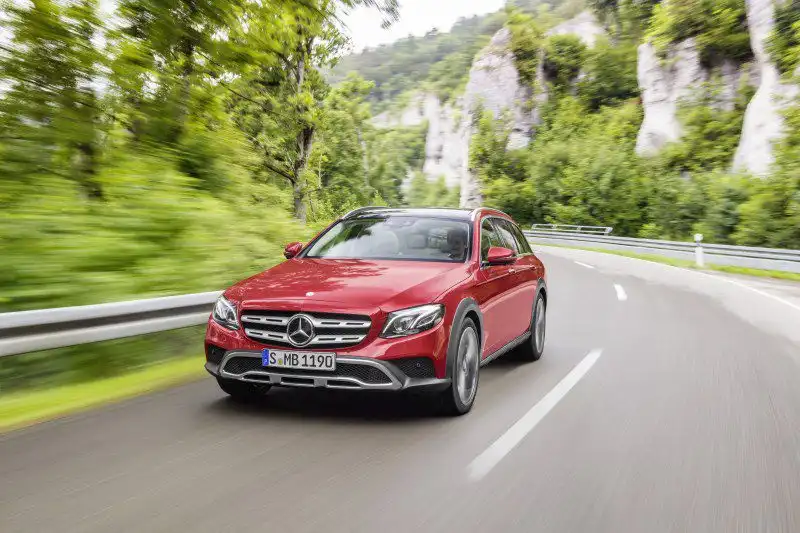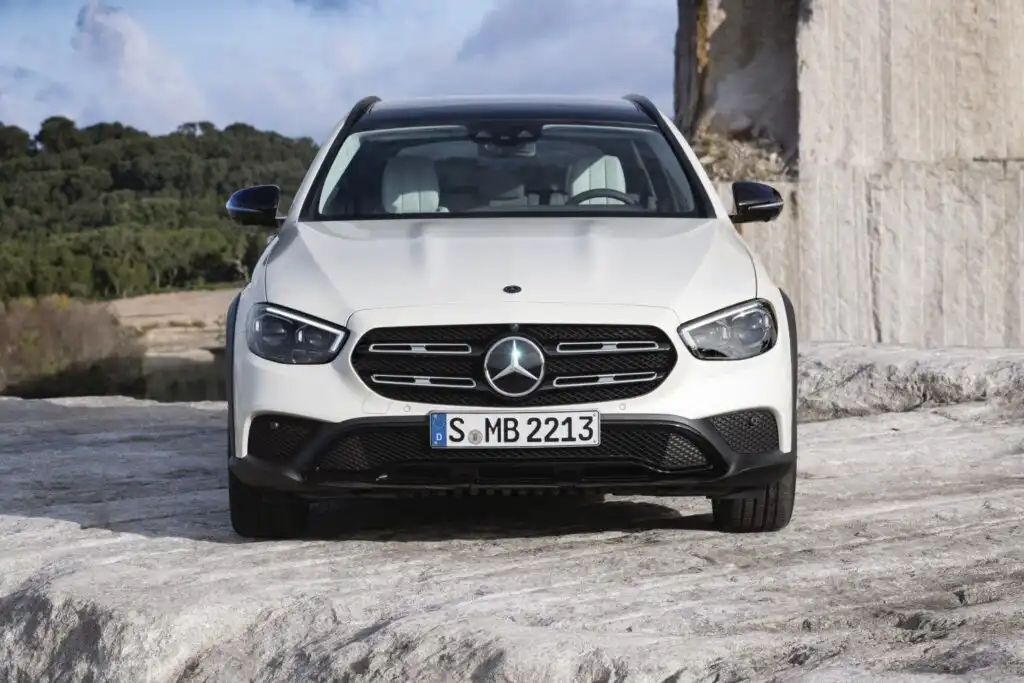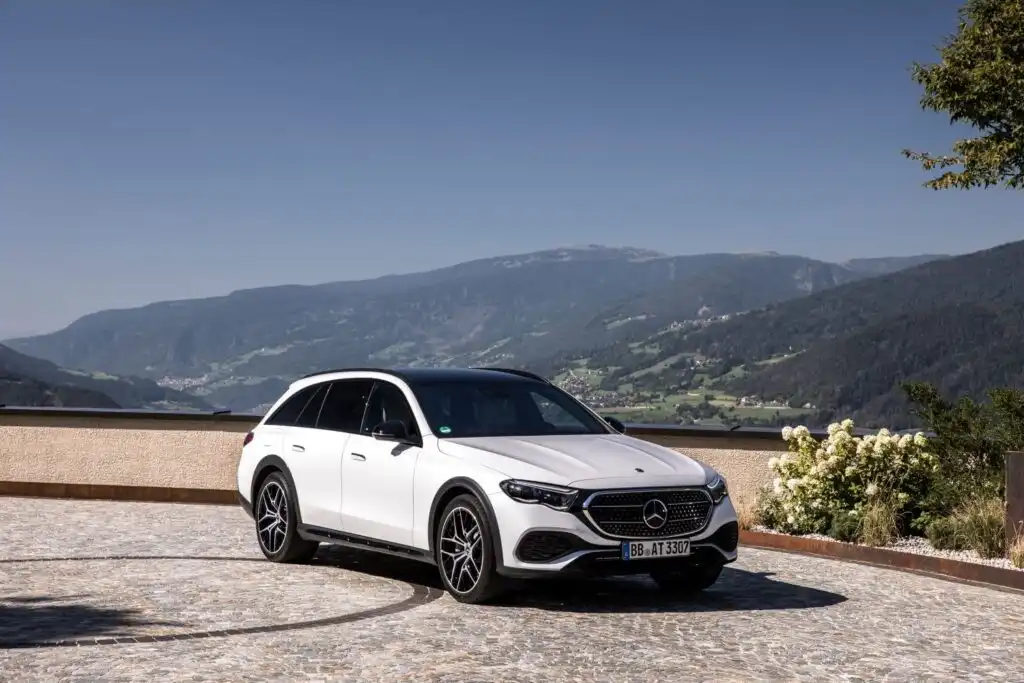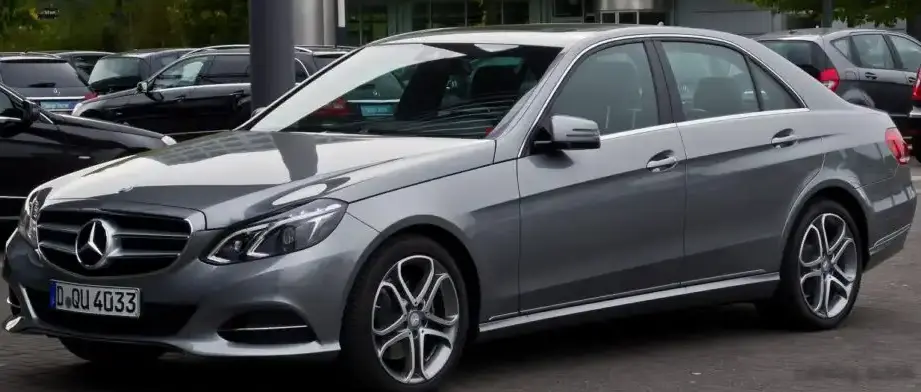
The Mercedes-Benz E 180 (W212 facelift, produced 2013-2016) represented the entry point into the W212 E-Class range following the mid-cycle refresh. Positioned as a more accessible option within the lineup, it offered a blend of Mercedes-Benz luxury and refinement with a focus on fuel efficiency. This variant utilized a 1.6-liter turbocharged four-cylinder engine paired with the 7G-TRONIC PLUS seven-speed automatic transmission, catering to buyers prioritizing comfort and economy over outright performance. The W212 facelift brought updated styling, improved technology, and more efficient engine options to the E-Class, solidifying its position as a key competitor in the mid-size executive car segment.
Technical Specifications
| Brand | Mercedes-Benz |
| Model | E-class |
| Generation | E-class (W212, facelift 2013) |
| Type (Engine) | E 180 (156 Hp) 7G-TRONIC PLUS |
| Start of production | 2013 |
| End of production | 2016 |
| Powertrain Architecture | Internal Combustion engine |
| Body type | Sedan |
| Seats | 5 |
| Doors | 4 |
| Fuel consumption (urban) | 7.8-8.3 l/100 km (30.2 – 28.3 US mpg, 36.2 – 34 UK mpg, 12.8 – 12 km/l) |
| Fuel consumption (extra urban) | 5.1-5.5 l/100 km (46.1 – 42.8 US mpg, 55.4 – 51.4 UK mpg, 19.6 – 18.2 km/l) |
| Fuel consumption (combined) | 6.1-6.6 l/100 km (38.6 – 35.6 US mpg, 46.3 – 42.8 UK mpg, 16.4 – 15.2 km/l) |
| CO2 emissions | 143-153 g/km |
| Fuel Type | Petrol (Gasoline) |
| Acceleration 0 – 100 km/h | 9.6 sec |
| Acceleration 0 – 62 mph | 9.6 sec |
| Acceleration 0 – 60 mph | 9.1 sec |
| Maximum speed | 220 km/h (136.7 mph) |
| Emission standard | Euro 6 |
| Weight-to-power ratio | 10.1 kg/Hp, 99.4 Hp/tonne |
| Weight-to-torque ratio | 6.3 kg/Nm, 159.2 Nm/tonne |
| Power | 156 Hp @ 5300 rpm |
| Power per litre | 97.8 Hp/l |
| Torque | 250 Nm @ 1250-4000 rpm (184.39 lb.-ft. @ 1250-4000 rpm) |
| Engine layout | Front, Longitudinal |
| Engine Model/Code | M 274.910 |
| Engine displacement | 1595 cm3 (97.33 cu. in.) |
| Number of cylinders | 4 |
| Engine configuration | Inline |
| Cylinder Bore | 83 mm (3.27 in.) |
| Piston Stroke | 73.7 mm (2.9 in.) |
| Compression ratio | 10.3:1 |
| Number of valves per cylinder | 4 |
| Fuel injection system | Direct injection |
| Engine aspiration | Turbocharger, Intercooler |
| Valvetrain | DOHC |
| Engine oil capacity | 6.1 l (6.45 US qt | 5.37 UK qt) |
| Coolant | 8.5 l (8.98 US qt | 7.48 UK qt) |
| Kerb Weight | 1570 kg (3461.26 lbs.) |
| Max. weight | 2230 kg (4916.31 lbs.) |
| Max load | 660 kg (1455.05 lbs.) |
| Trunk (boot) space – minimum | 540 l (19.07 cu. ft.) |
| Fuel tank capacity | 59 l (15.59 US gal | 12.98 UK gal) |
| Max. roof load | 100 kg (220.46 lbs.) |
| Length | 4879 mm (192.09 in.) |
| Width | 1854 mm (72.99 in.) |
| Width including mirrors | 2071 mm (81.54 in.) |
| Height | 1474 mm (58.03 in.) |
| Wheelbase | 2874 mm (113.15 in.) |
| Front track | 1583 mm (62.32 in.) |
| Rear (Back) track | 1614 mm (63.54 in.) |
| Front overhang | 849 mm (33.43 in.) |
| Rear overhang | 1156 mm (45.51 in.) |
| Minimum turning circle | 11.28 m (37.01 ft.) |
| Drivetrain Architecture | Rear wheel drive |
| Number of gears and type of gearbox | 7 gears, automatic transmission G-TRONIC PLUS |
| Front suspension | Coil spring, Independent multi-link suspension, Transverse stabilizer, Air Suspension – Optional |
| Rear suspension | Independent multi-link spring suspension with stabilizer, Air Suspension – Optional |
| Front brakes | Ventilated discs |
| Rear brakes | Disc |
| Assisting systems | ABS (Anti-lock braking system) |
| Steering type | Steering rack and pinion |
| Power steering | Electric Steering |
| Tires size (Front/Rear) | 205/60 R16; 225/55 R16; 245/45 R17; 245/40 R18; 245/35 R19 / 205/60 R16; 225/55 R16; 245/45 R17; 245/40 R18; 265/35 R18; 275/30 R19 |
| Wheel rims size (Front/Rear) | 7J x 16; 7.5J x 16; 8J x 17; 8.5J x 18; 8.5J x 19 / 7J x 16; 7.5J x 16; 8J x 17; 8.5J x 18; 9J x 18; 9.5J x 19 |
INTRODUCTION
The Mercedes-Benz E 180 (W212 facelift) was produced from 2013 to 2016 and served as the entry-level model in the refreshed W212 E-Class range. Built on the 1HX0/A3 platform, it aimed to broaden the E-Class’s appeal by offering a more affordable and fuel-efficient option. While maintaining the core luxury and build quality associated with the Mercedes-Benz brand, the E 180 targeted buyers who prioritized comfort and economy over high-performance driving. This model was primarily sold in Europe and other markets where smaller displacement engines were favored due to taxation and fuel costs.
Powertrain & Engine Architecture
The E 180 facelift was powered by the M274.910 1.6-liter inline-four cylinder engine. This engine featured direct fuel injection and a single turbocharger with an intercooler, producing 156 horsepower at 5300 rpm and 250 Nm (184 lb-ft) of torque between 1250 and 4000 rpm. The engine utilized a timing chain for durability and a dual overhead camshaft (DOHC) valvetrain. The 7G-TRONIC PLUS seven-speed automatic transmission was standard, offering smooth and efficient gear changes. This transmission was known for its responsiveness and ability to adapt to driving conditions. The Start & Stop system was included as standard, further enhancing fuel economy in urban environments.
Driving Characteristics
The E 180’s driving experience was characterized by comfort and refinement rather than sporty performance. The 156 hp engine provided adequate power for everyday driving, but acceleration was not particularly brisk, taking approximately 9.6 seconds to reach 60 mph. The 7G-TRONIC PLUS transmission helped to maximize the available power, offering smooth upshifts and downshifts. The gear ratios were tuned for fuel efficiency, resulting in a relaxed cruising experience. Compared to the more powerful E 250 or E 350 models, the E 180 felt less responsive, especially during overtaking maneuvers. However, the comfortable suspension and quiet cabin made it a pleasant vehicle for long journeys.
Equipment & Trim Levels
The E 180 facelift typically came standard with features such as automatic climate control, a multi-function steering wheel, power windows, and an audio system with Bluetooth connectivity. Interior upholstery was typically Artico leatherette, with options for genuine leather available. Common optional extras included a sunroof, navigation system, upgraded audio systems, and parking assist features. Trim levels varied slightly depending on the market, but generally offered a range of customization options for both the interior and exterior. The dashboard layout was consistent with other W212 facelift models, featuring a central display screen and a well-organized control layout.
Chassis & Braking
The E 180 utilized a coil spring, independent multi-link suspension system at both the front and rear. Air suspension was available as an optional upgrade, providing a more comfortable ride and adjustable ride height. The braking system consisted of ventilated discs at the front and solid discs at the rear, equipped with ABS (Anti-lock Braking System). The steering was a rack and pinion system with electric power steering. Stabilizer bars were fitted front and rear to reduce body roll during cornering. The suspension was tuned for comfort, prioritizing a smooth ride over sporty handling.
Market Reception & Comparison
The E 180 facelift was generally well-received by critics as a sensible and economical option within the E-Class range. It was praised for its fuel efficiency, comfortable ride, and refined interior. However, some reviewers noted that the engine lacked the power and responsiveness of its larger counterparts. Compared to the E 250, which featured a 2.0-liter turbocharged engine, the E 180 offered lower running costs but less performance. The E 180 also competed with other mid-size executive cars such as the BMW 3 Series and Audi A4, offering a different blend of luxury and economy.
Legacy
The M274 engine, while generally reliable, has been known to exhibit occasional issues with the turbocharger and fuel injectors. The 7G-TRONIC PLUS transmission is also considered durable, but regular maintenance, including fluid changes, is crucial for long-term reliability. In the used car market, the E 180 facelift represents a relatively affordable entry point into Mercedes-Benz ownership. Its fuel efficiency and comfortable ride continue to appeal to buyers seeking a practical and refined executive car. While not as sought-after as the higher-performance E-Class models, the E 180 remains a viable option for those prioritizing value and economy.