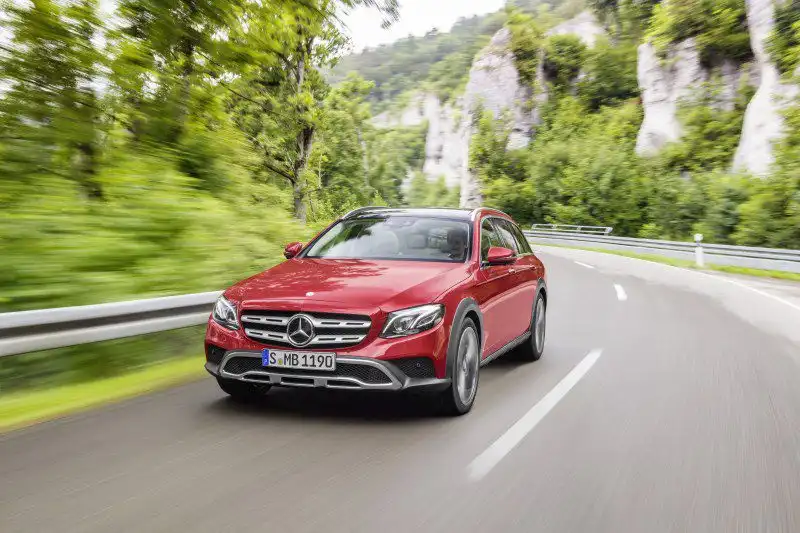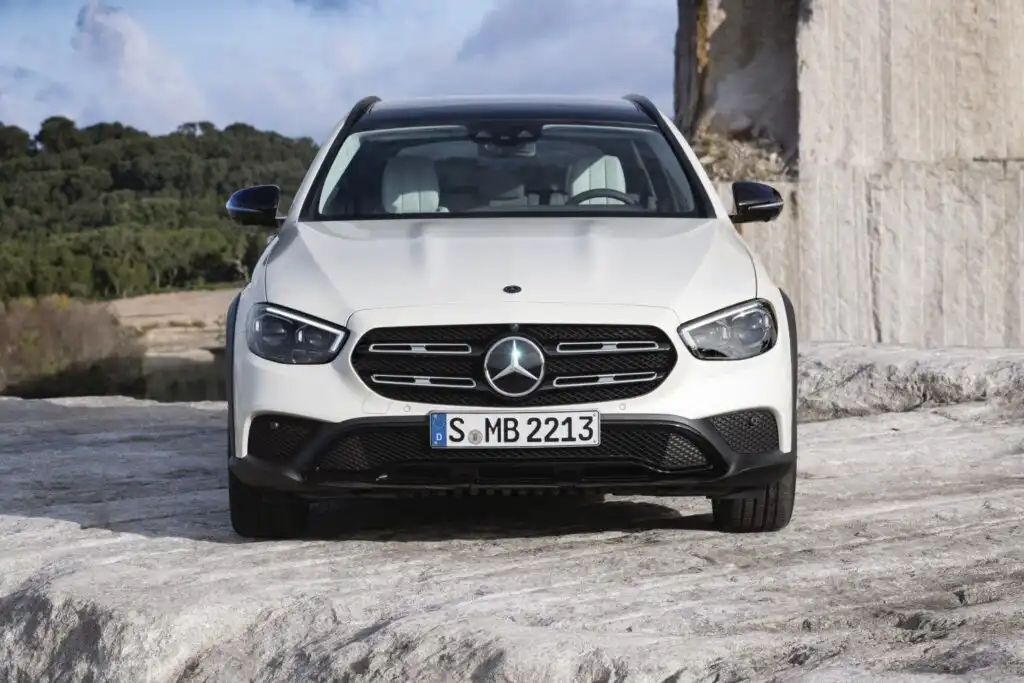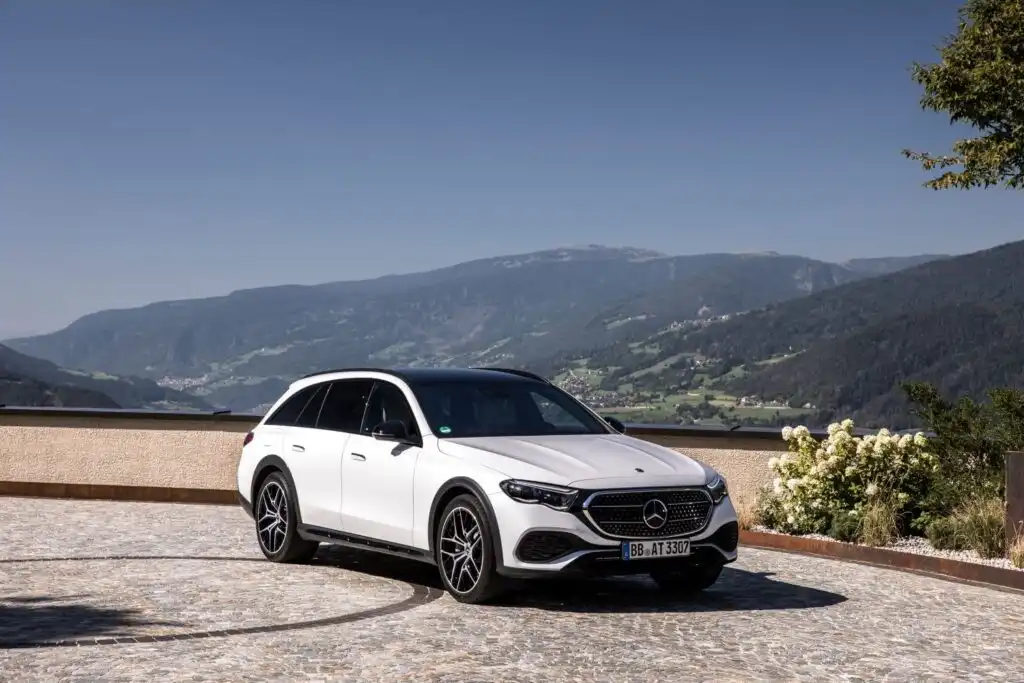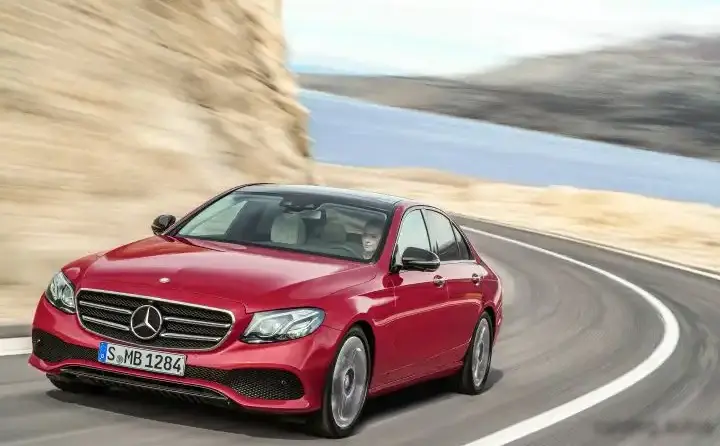
The Mercedes-Benz E 200 (W213), equipped with a 197 horsepower EQ Boost powertrain and 9G-TRONIC automatic transmission, represents a significant iteration of the iconic E-Class. Production of this specific variant spanned a relatively short period, from June 2019 to November 2019, positioning it as a mid-cycle update within the broader W213 generation (2016-2023). This model aimed to blend performance with enhanced fuel efficiency through the implementation of mild hybrid technology, catering to a market increasingly focused on both driving pleasure and environmental responsibility. It served as a key entry point into the E-Class range for many buyers, offering a balance between luxury, technology, and cost.
Technical Specifications
| Brand | Mercedes-Benz |
| Model | E-class |
| Generation | E-class (W213) |
| Type | E 200 (197 Hp) EQ Boost 9G-TRONIC |
| Start of production | June, 2019 |
| End of production | November, 2019 |
| Powertrain Architecture | MHEV (Mild Hybrid Electric Vehicle) |
| Body type | Sedan |
| Seats | 5 |
| Doors | 4 |
| Combined fuel consumption (WLTP) | 7.1 l/100 km (33.1 US mpg, 39.8 UK mpg, 14.1 km/l) |
| CO2 emissions (WLTP) | 161 g/km |
| Fuel consumption (urban – NEDC) | 8-8.5 l/100 km (29.4 – 27.7 US mpg, 35.3 – 33.2 UK mpg, 12.5 – 11.8 km/l) |
| Fuel consumption (extra urban – NEDC) | 5-5.4 l/100 km (47 – 43.6 US mpg, 56.5 – 52.3 UK mpg, 20 – 18.5 km/l) |
| Fuel consumption (combined – NEDC) | 6.1-6.5 l/100 km (38.6 – 36.2 US mpg, 46.3 – 43.5 UK mpg, 16.4 – 15.4 km/l) |
| CO2 emissions (NEDC) | 139-149 g/km |
| Fuel Type | Petrol (Gasoline) |
| Acceleration 0 – 100 km/h | 7.5 sec |
| Acceleration 0 – 62 mph | 7.5 sec |
| Acceleration 0 – 60 mph | 7.1 sec |
| Maximum speed | 240 km/h (149.13 mph) |
| Emission standard | Euro 6d-TEMP-EVAP-ISC |
| Weight-to-power ratio | 7.8 kg/Hp, 127.9 Hp/tonne |
| Weight-to-torque ratio | 4.8 kg/Nm, 207.8 Nm/tonne |
| Battery voltage | 48 V |
| Battery technology | Lithium-ion (Li-Ion) |
| Electric motor power | 14 Hp |
| Electric motor location | Front, Longitudinal |
| Engine Power | 197 Hp @ 5500 rpm |
| Engine Torque | 320 Nm @ 1650-4000 rpm (236.02 lb.-ft. @ 1650-4000 rpm) |
| Engine layout | Front, Longitudinal |
| Engine Model/Code | M 264.920 |
| Engine displacement | 1991 cm3 (121.5 cu. in.) |
| Number of cylinders | 4 |
| Engine configuration | Inline |
| Cylinder Bore | 83 mm (3.27 in.) |
| Piston Stroke | 92 mm (3.62 in.) |
| Number of valves per cylinder | 4 |
| Fuel injection system | Direct injection |
| Engine aspiration | Twin-scroll turbo, Intercooler |
| Valvetrain | DOHC, CAMTRONIC |
| Engine oil capacity | 6.6 l (6.97 US qt, 5.81 UK qt) |
| Kerb Weight | 1540-1629 kg (3395.12 – 3591.33 lbs.) |
| Max. weight | 2265-2364 kg (4993.47 – 5211.73 lbs.) |
| Max load | 725-735 kg (1598.35 – 1620.4 lbs.) |
| Trunk (boot) space | 540 l (19.07 cu. ft.) |
| Fuel tank capacity | 50 l (13.21 US gal, 11 UK gal) |
| Max. roof load | 100 kg (220.46 lbs.) |
| Permitted trailer load (braked) | 1900 kg (4188.78 lbs.) |
| Permitted trailer load (unbraked) | 750 kg (1653.47 lbs.) |
| Permitted towbar download | 84 kg (185.19 lbs.) |
| Length | 4923 mm (193.82 in.) |
| Width | 1852 mm (72.91 in.) |
| Width (with mirrors) | 2065 mm (81.3 in.) |
| Height | 1468 mm (57.8 in.) |
| Wheelbase | 2939 mm (115.71 in.) |
| Rear track | 1619 mm (63.74 in.) |
| Front overhang | 841 mm (33.11 in.) |
| Rear overhang | 1143 mm (45 in.) |
| Turning circle | 11.6 m (38.06 ft.) |
| Drivetrain | Rear wheel drive |
| Gearbox | 9 gears, automatic transmission G-TRONIC |
| Front suspension | Coil spring, Independent multi-link, Transverse stabilizer, Optional Air Suspension |
| Rear suspension | Independent multi-link spring suspension with stabilizer, Optional Air Suspension |
| Front brakes | Ventilated discs |
| Rear brakes | Ventilated discs |
| Tire size (front) | 225/55 R17, 225/40 R18, 245/45 R18, 245/40 R19, 245/35 R20 |
| Tire size (rear) | 225/55 R17, 245/35 R18, 245/45 R18, 275/40 R18, 275/35 R19, 275/30 R20 |
Powertrain & Engine Architecture
The heart of the E 200 is the M 264.920 2.0-liter inline-four cylinder engine. This engine utilizes direct injection and is equipped with a twin-scroll turbocharger and intercooler to maximize power and efficiency. The engine’s CAMTRONIC valve lift adjustment system further optimizes performance across a wide range of engine speeds. The ‘EQ Boost’ component refers to a 48-volt mild hybrid system. This system incorporates a belt-driven starter-generator that adds up to 14 horsepower and 162 lb-ft of torque, assisting the engine during acceleration and allowing for smoother start/stop operation. The 9G-TRONIC nine-speed automatic transmission is standard, offering quick and precise gear changes. This transmission is known for its wide gear ratio spread, contributing to both fuel economy and responsive acceleration.
Driving Characteristics
The E 200 9G-TRONIC delivers a comfortable and refined driving experience. While not as overtly sporty as some of its higher-powered E-Class siblings, the 197 hp engine provides adequate power for everyday driving and highway cruising. The EQ Boost system provides a noticeable boost during initial acceleration, mitigating some of the turbo lag. The 9G-TRONIC transmission is well-tuned, offering smooth shifts and keeping the engine in its optimal power band. Compared to a manual transmission equipped E 200 (not commonly offered in the US market), the automatic prioritizes ease of use and comfort over outright driver engagement. The gear ratios are optimized for fuel efficiency, meaning the engine doesn’t always feel as responsive as higher-performance variants.
Equipment & Trim Levels
The E 200 typically came standard with a generous array of features, including Mercedes-Benz’s MBUX infotainment system with a touchscreen display, leather upholstery, automatic climate control, and a suite of safety features like automatic emergency braking and lane-keeping assist. Optional extras included features like a panoramic sunroof, premium sound system, and advanced driver-assistance systems such as adaptive cruise control and parking assist. Interior trim options varied, with choices in wood, aluminum, and carbon fiber finishes. The E 200 generally occupied the entry-level position in the E-Class lineup, offering a luxurious experience at a more accessible price point.
Chassis & Braking
The W213 E-Class features a sophisticated chassis design. The front suspension utilizes a multi-link setup with coil springs, while the rear suspension employs an independent multi-link spring suspension. Air suspension was available as an option, providing a more comfortable ride and adjustable ride height. The E 200 came equipped with ventilated disc brakes on all four wheels, providing ample stopping power. Anti-lock braking system (ABS) and electronic stability control were standard safety features. Stabilizer bars were fitted front and rear to reduce body roll during cornering.
Market Reception & Comparison
The E 200 EQ Boost was generally well-received by automotive critics. It was praised for its fuel efficiency, comfortable ride, and refined interior. However, some reviewers noted that the engine lacked the outright punch of the more powerful E-Class models, such as the E 300. Compared to the E 300, the E 200 offered a lower price of entry but sacrificed some performance. The E 220d diesel variant, popular in Europe, provided comparable torque but with different driving characteristics and fuel economy. The mild hybrid system was seen as a positive step towards greater fuel efficiency, but some competitors offered more advanced hybrid or plug-in hybrid powertrains.
Legacy
The M 264 engine family, including the version found in the E 200, has proven to be relatively reliable. While some early examples experienced minor issues with the valve train, these were generally addressed through software updates and revised components. The 9G-TRONIC transmission is also known for its durability. On the used car market, the E 200 EQ Boost represents a good value proposition, offering a luxurious and well-equipped vehicle at a competitive price. Its fuel efficiency and relatively low maintenance costs make it an attractive option for buyers seeking a comfortable and practical luxury sedan.