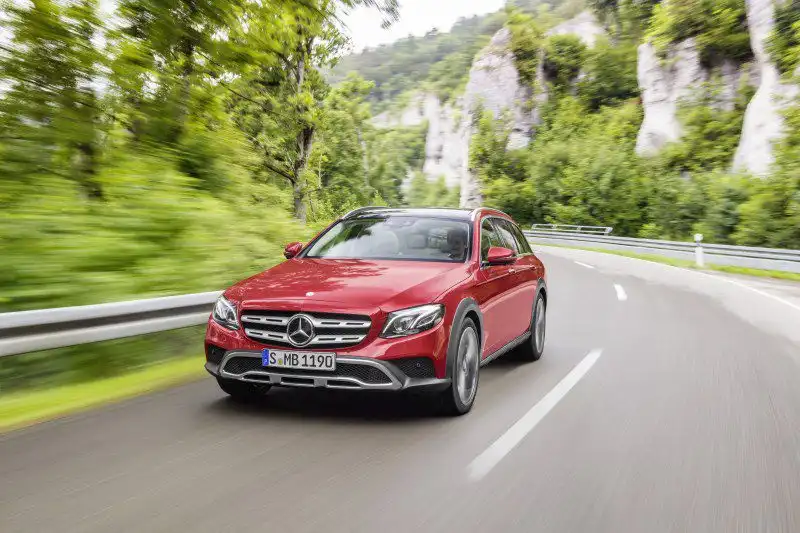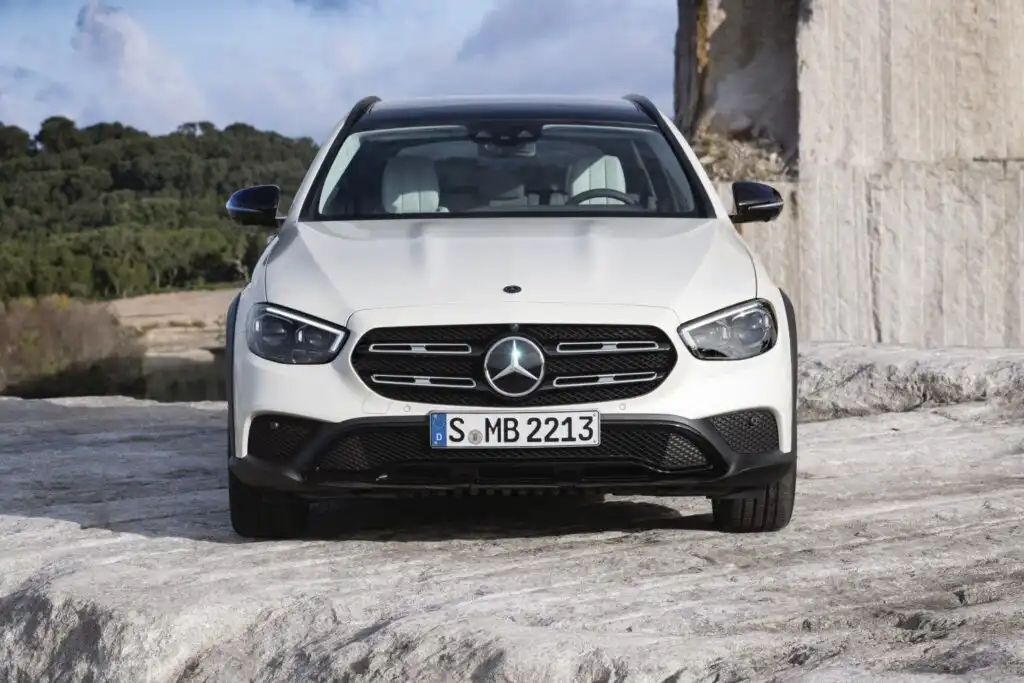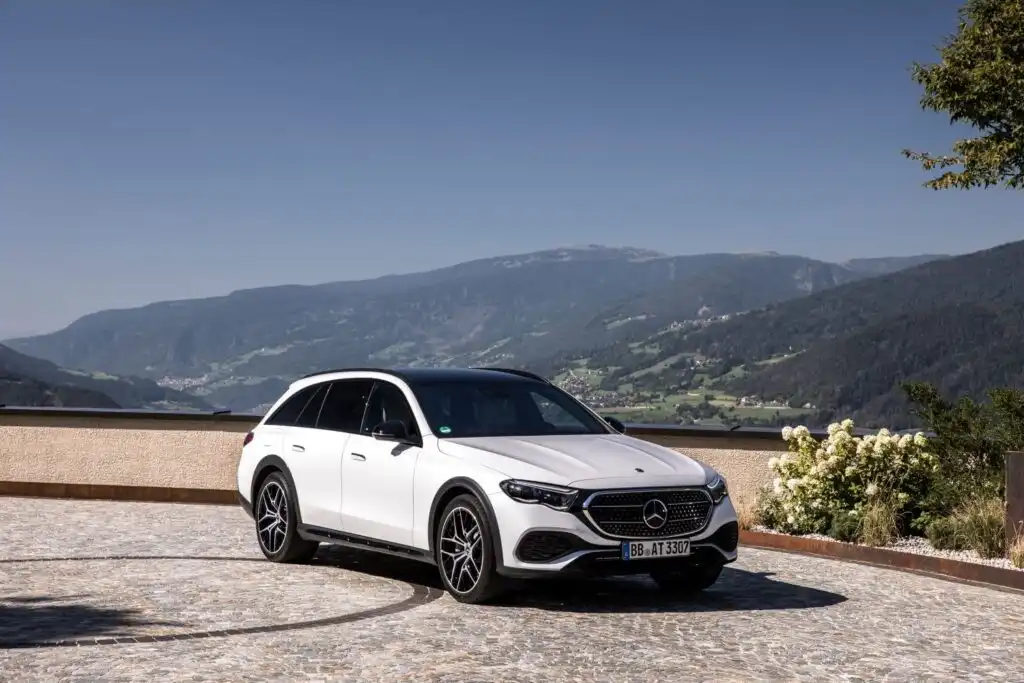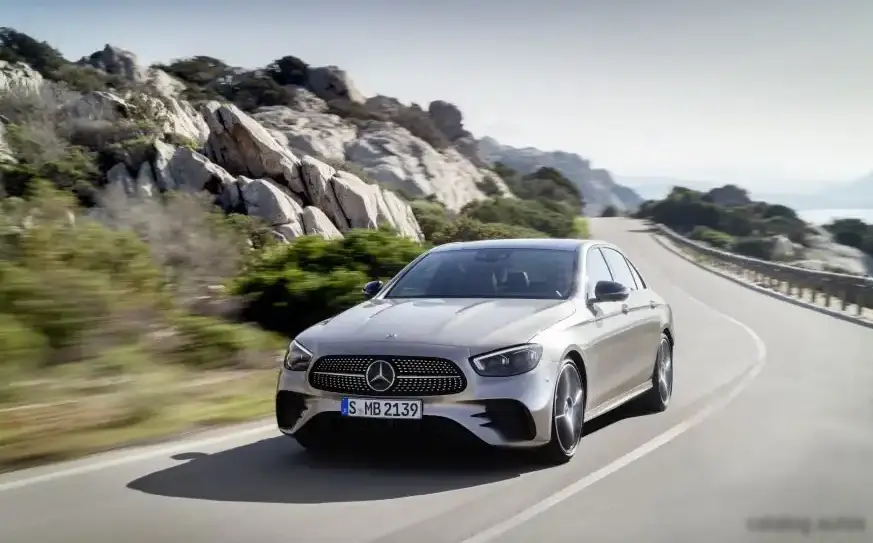
The Mercedes-Benz E 300 (W213 facelift, produced from 2020-2023) represents a significant evolution of the popular E-Class sedan. This variant, equipped with a 2.0-liter turbocharged inline-four engine producing 258 horsepower and incorporating EQ Boost mild-hybrid technology paired with a 9G-TRONIC nine-speed automatic transmission, occupied a crucial mid-range position within the W213 lineup. It aimed to balance performance, efficiency, and luxury, appealing to a broad spectrum of buyers seeking a refined and technologically advanced executive sedan. The facelift brought updated styling, enhanced technology, and refined powertrain options, solidifying the E-Class’s reputation as a benchmark in its segment.
Technical Specifications
| Brand | Mercedes-Benz |
| Model | E-class |
| Generation | E-class (W213, facelift 2020) |
| Type | E 300 (258 Hp) EQ Boost 9G-TRONIC |
| Start of production | 2020 |
| End of production | 2023 |
| Powertrain Architecture | MHEV (Mild Hybrid Electric Vehicle) |
| Body type | Sedan |
| Seats | 5 |
| Doors | 4 |
| Fuel consumption (urban) | 8.9-9.4 l/100 km (26.4 – 25 US mpg) |
| Fuel consumption (extra urban) | 5.3-5.8 l/100 km (44.4 – 40.6 US mpg) |
| Fuel consumption (combined) | 6.6-7.1 l/100 km (35.6 – 33.1 US mpg) |
| CO2 emissions | 151-162 g/km |
| Fuel Type | Petrol (Gasoline) |
| Acceleration 0 – 100 km/h | 6.2 sec |
| Acceleration 0 – 62 mph | 6.2 sec |
| Acceleration 0 – 60 mph | 5.9 sec |
| Maximum speed | 250 km/h (155.34 mph) |
| Emission standard | Euro 6d-ISC-FCM |
| Weight-to-power ratio | 6.4 kg/Hp |
| Weight-to-torque ratio | 4.5 kg/Nm |
| Battery voltage | 48 V |
| Electric motor power | 14 Hp |
| Power | 258 Hp |
| Torque | 370 Nm (272.9 lb.-ft.) @ 1650-4000 rpm |
| Engine layout | Front, Longitudinal |
| Engine Model/Code | M 264 |
| Engine displacement | 1991 cm3 (121.5 cu. in.) |
| Number of cylinders | 4 |
| Engine configuration | Inline |
| Compression ratio | 10.5:1 |
| Fuel injection system | Direct injection |
| Engine aspiration | Twin-scroll turbo, Intercooler |
| Valvetrain | DOHC |
| Engine oil capacity | 6.6 l (6.97 US qt | 5.81 UK qt) |
| Kerb Weight | 1655 kg (3648.65 lbs.) |
| Max. weight | 2390 kg (5269.05 lbs.) |
| Max load | 735 kg (1620.4 lbs.) |
| Trunk (boot) space | 540 l (19.07 cu. ft.) |
| Fuel tank capacity | 66 l (17.44 US gal | 14.52 UK gal) |
| Permitted trailer load (braked) | 2100 kg (4629.71 lbs.) |
| Permitted trailer load (unbraked) | 750 kg (1653.47 lbs.) |
| Length | 4935 mm (194.29 in.) |
| Width | 1852 mm (72.91 in.) |
| Width (with mirrors) | 2065 mm (81.3 in.) |
| Height | 1460 mm (57.48 in.) |
| Wheelbase | 2939 mm (115.71 in.) |
| Gearbox | 9 gears, automatic transmission G-TRONIC |
Powertrain & Engine Architecture
The heart of the E 300 is the M 264 2.0-liter inline-four engine. This engine utilizes direct fuel injection and a twin-scroll turbocharger to deliver a responsive and efficient driving experience. The M 264 is notable for its NANOSLIDE cylinder coating, reducing friction and improving durability. The EQ Boost system adds a 48-volt mild-hybrid component, integrating a belt-driven starter-generator. This system provides several benefits, including smoother auto start/stop operation, energy recuperation during deceleration, and a temporary power boost of up to 14 horsepower. The 9G-TRONIC nine-speed automatic transmission is a key element, offering smooth and quick shifts. It’s designed to optimize fuel efficiency and provide a comfortable driving experience. The transmission features a wide gear ratio spread, allowing the engine to operate in its most efficient range more often.
Driving Characteristics
The E 300 2.0L Automatic delivers a refined and comfortable driving experience. While not as overtly sporty as the E 450 or AMG variants, it provides ample power for everyday driving and confident highway passing. The EQ Boost system provides a noticeable surge of power during acceleration, enhancing responsiveness. The 9G-TRONIC transmission contributes to smooth gear changes, minimizing disruptions during acceleration and deceleration. Compared to earlier E-Class models with smaller engines, the E 300 offers a significant improvement in performance. The automatic transmission, while efficient, may not offer the same level of driver engagement as a manual transmission, but it caters to the preferences of the target audience seeking a relaxed and convenient driving experience.
Equipment & Trim Levels
The E 300 came standard with a comprehensive suite of features, including Mercedes-Benz User Experience (MBUX) infotainment system with a touchscreen display, leather upholstery, automatic climate control, and a suite of advanced driver-assistance systems such as adaptive cruise control, lane-keeping assist, and automatic emergency braking. Optional extras included a premium Burmester sound system, panoramic sunroof, head-up display, and various interior trim options. Trim levels often included variations in interior materials, exterior styling elements, and the availability of certain optional packages. The E 300 was positioned as a well-equipped and luxurious option, appealing to buyers who desired a premium experience without the higher price tag of the more powerful models.
Chassis & Braking
The W213 E-Class features a multi-link independent suspension at all four corners, providing a comfortable ride and precise handling. The suspension is tuned to balance comfort and control, offering a composed ride even on uneven surfaces. The E 300 typically came equipped with ventilated disc brakes on all four wheels, providing ample stopping power. Anti-lock braking system (ABS) and electronic stability control (ESC) are standard features, enhancing safety and stability. The steering system is a speed-sensitive power steering system, providing light steering effort at low speeds and increased weighting at higher speeds.
Market Reception & Comparison
The E 300 was generally well-received by automotive critics, who praised its refined driving experience, luxurious interior, and advanced technology. The EQ Boost system was noted as a significant improvement, enhancing both performance and efficiency. Compared to the E 450, the E 300 offered a more affordable entry point into the E-Class range, while still providing a premium experience. Fuel economy was a strong point, with the E 300 achieving competitive figures in its class. Reliability has been generally good, although some owners have reported minor issues with the infotainment system.
Legacy
The W213 E 300 with the M 264 engine and 9G-TRONIC transmission has established itself as a reliable and desirable used car. The combination of performance, efficiency, and luxury continues to appeal to buyers in the used market. The M 264 engine is known for its durability and relatively low maintenance costs. The EQ Boost system, while relatively new technology at the time of its introduction, has proven to be reliable in real-world use. As the E-Class continues to evolve, the W213 E 300 represents a significant step forward in terms of technology and refinement, solidifying its place as a modern classic.