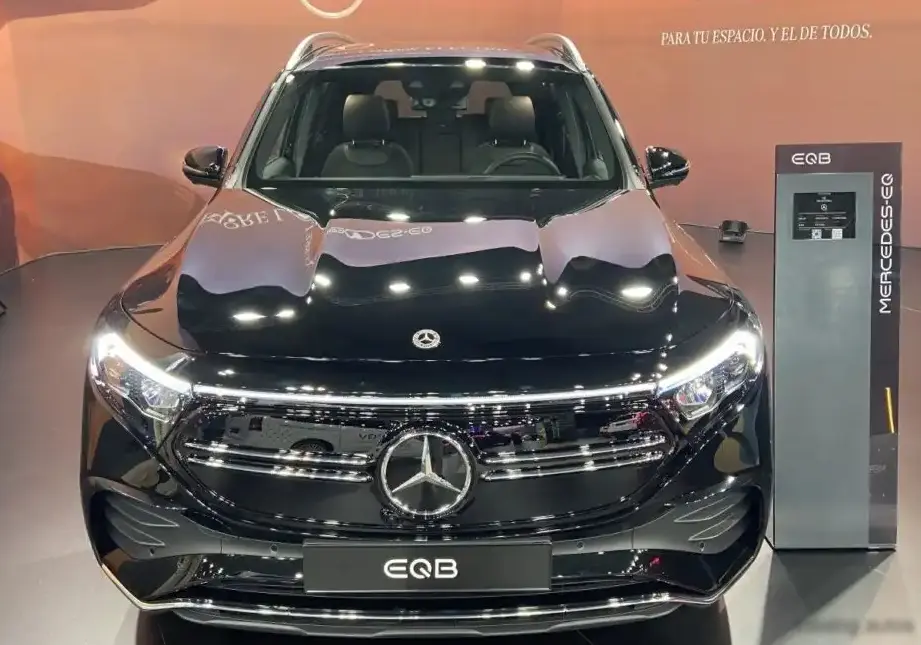
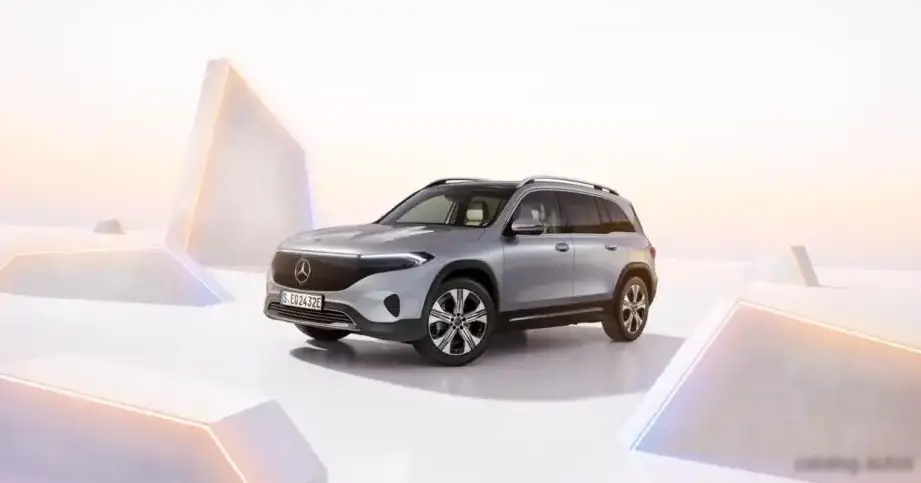
The Mercedes-Benz EQB 300 69.7 kWh 4MATIC, produced from 2021 through October 2023, represents a key variant within the X243 EQB model range. Positioned as a mid-range offering, this all-electric compact SUV aimed to provide a practical and accessible entry point into the Mercedes-Benz electric vehicle lineup, particularly for families seeking a versatile and technologically advanced vehicle. It’s a significant model in Mercedes-Benz’s push towards electrification, leveraging the shared platform with the GLB to offer both five and optional seven-seat configurations.
Technical Specifications
| Brand | Mercedes-Benz |
| Model | EQB |
| Generation | EQB (X243) |
| Type | EQB 300 69.7 kWh (228 Hp) 4MATIC |
| Start of production | 2021 |
| End of production | October, 2023 |
| Powertrain Architecture | BEV (Electric Vehicle) |
| Body type | SUV |
| Seats | 5-7 |
| Doors | 5 |
| Fuel Type | Electricity |
| Acceleration 0 – 100 km/h | 8 sec |
| Acceleration 0 – 62 mph | 8 sec |
| Acceleration 0 – 60 mph | 7.6 sec |
| Maximum speed | 160 km/h (99.42 mph) |
| Weight-to-power ratio | 9.2 kg/Hp, 108.6 Hp/tonne |
| Weight-to-torque ratio | 5.4 kg/Nm, 185.7 Nm/tonne |
| Gross battery capacity | 69.7 kWh |
| Net (usable) battery capacity | 66.5 kWh |
| Battery voltage | 420 V |
| Battery technology | Lithium-ion (Li-Ion) |
| Battery location | Below the floor |
| Recuperation output | 190 kW |
| All-electric range (WLTP) | 395-423 km (245.44 – 262.84 mi) |
| Average Energy consumption (WLTP) | 18.1-19.4 kWh/100 km (29.13 – 31.22 kWh/100 mi) |
| Average Energy consumption | 16.2 kWh/100 km (26.07 kWh/100 mi) |
| System power | 228 Hp |
| System torque | 390 Nm (287.65 lb.-ft.) |
| Kerb Weight | 2100 kg (4629.71 lbs.) |
| Max. weight | 2580 kg (5687.93 lbs.) |
| Max load | 480 kg (1058.22 lbs.) |
| Trunk (boot) space – minimum | 465-495 l (16.42 – 17.48 cu. ft.) |
| Trunk (boot) space – maximum | 1620-1710 l (57.21 – 60.39 cu. ft.) |
| Max. roof load | 75 kg (165.35 lbs.) |
| Length | 4684 mm (184.41 in.) |
| Width | 1834 mm (72.2 in.) |
| Width including mirrors | 2020 mm (79.53 in.) |
| Height | 1667 mm (65.63 in.) |
| Wheelbase | 2829 mm (111.38 in.) |
| Front track | 1585 mm (62.4 in.) |
| Rear (Back) track | 1584 mm (62.36 in.) |
| Ride height (ground clearance) | 154 mm (6.06 in.) |
| Drag coefficient (Cd) | 0.28 |
| Minimum turning circle | 11.7 m (38.39 ft.) |
| Front suspension | Independent, type McPherson with coil spring and anti-roll bar |
| Rear suspension | Independent multi-link spring suspension with stabilizer |
| Front brakes | Ventilated discs |
| Rear brakes | Disc |
| Drive wheel | All wheel drive (4×4) |
| Tires size | 235/55 R18; 253/50 R19; 235/45 R20 |
INTRODUCTION
The Mercedes-Benz EQB 300 69.7 kWh 4MATIC, launched in 2021, is a fully electric compact SUV based on the X243 platform, which it shares with the conventionally powered GLB. This model year marked Mercedes-Benz’s continued expansion into the electric vehicle market, offering a practical and relatively affordable option for buyers seeking a premium electric SUV. The EQB 300, with its dual-motor all-wheel-drive system and usable battery capacity, aimed to balance range, performance, and passenger/cargo space. Production continued until October 2023, with minor updates occurring throughout its lifespan.
Powertrain & Engine Architecture
The EQB 300 utilizes a dual-motor, all-wheel-drive (4MATIC) powertrain. Each axle features a permanently excited synchronous electric motor. The front motor delivers power to the front wheels, while the rear motor powers the rear wheels, providing on-demand all-wheel drive capability. Combined, these motors produce 228 horsepower and 390 Nm (287.65 lb-ft) of torque. The powertrain operates on a 420-volt system. The 69.7 kWh gross (66.5 kWh net/usable) lithium-ion battery pack is positioned under the vehicle floor, contributing to a low center of gravity. The battery management system is sophisticated, offering both standard and optimized charging profiles. The EQB 300 supports DC fast charging, allowing for a 10-80% charge in approximately 32 minutes using a compatible charger. The vehicle lacks a traditional multi-gear transmission; power is delivered directly to the wheels via single-speed gearboxes on each axle.
Driving Characteristics
The EQB 300 4MATIC offers a comfortable and refined driving experience. Acceleration from 0-60 mph takes approximately 7.6 seconds, which is adequate for everyday driving but doesn’t position it as a performance-oriented EV. The instant torque delivery characteristic of electric motors provides brisk acceleration from a standstill. The all-wheel-drive system enhances traction, particularly in inclement weather conditions. The steering is light and precise, making it easy to maneuver in urban environments. Regenerative braking is adjustable, allowing drivers to customize the level of deceleration when lifting off the throttle. Compared to the single-motor front-wheel-drive EQB 250, the 300 offers significantly improved acceleration and handling due to the added power and all-wheel drive. It doesn’t match the performance of more expensive EVs, but provides a balanced driving experience for its price point.
Equipment & Trim Levels
The EQB 300 4MATIC typically came standard with features such as Mercedes-Benz User Experience (MBUX) infotainment system with a 10.25-inch touchscreen display, Apple CarPlay and Android Auto integration, a digital instrument cluster, and a suite of advanced driver-assistance systems (ADAS) including automatic emergency braking, lane-keeping assist, and adaptive cruise control. Interior upholstery was typically MB-Tex artificial leather, with options for genuine leather available. Common optional extras included a panoramic sunroof, premium audio system, heated and ventilated front seats, and a head-up display. The seven-seat configuration was often an optional upgrade, adding a third row of seating suitable for smaller passengers. Trim levels varied slightly by market, but generally offered packages that bundled popular options together.
Chassis & Braking
The EQB 300 utilizes a McPherson strut front suspension and a multi-link rear suspension, providing a comfortable ride and good handling characteristics. Stabilizer bars are fitted to both axles to reduce body roll during cornering. The braking system consists of ventilated discs at the front and solid discs at the rear. ABS (Anti-lock Braking System) and electronic brake-force distribution are standard features. The vehicle’s weight, approximately 2100 kg (4629.71 lbs), is relatively high for a compact SUV, which impacts handling and braking performance to some extent. The standard tire sizes range from 235/55 R18 to 235/45 R20, depending on the trim level.
Market Reception & Comparison
The EQB 300 4MATIC was generally well-received by automotive critics, who praised its practicality, comfortable ride, and advanced technology. However, some reviewers noted that its acceleration wasn’t particularly exciting compared to other EVs in its class. Fuel economy, expressed as energy consumption, ranged from 18.1-19.4 kWh/100 km (29.13 – 31.22 kWh/100 mi) on the WLTP cycle, translating to a real-world range of approximately 245-263 miles. Compared to the EQB 250, the 300 offered superior performance and all-wheel drive capability, but at a higher price point. Against competitors like the Tesla Model Y and the Hyundai IONIQ 5, the EQB 300 offered a more traditional luxury SUV experience, but often lagged behind in terms of range and charging speed.
Legacy
The Mercedes-Benz EQB 300 4MATIC represents an important step in Mercedes-Benz’s transition to electric mobility. While no longer in production, it remains a viable option in the used car market, offering a blend of luxury, practicality, and electric efficiency. The powertrain has proven to be relatively reliable, with few widespread issues reported. The EQB’s success helped pave the way for future Mercedes-Benz electric SUVs, demonstrating the brand’s commitment to electrification and providing valuable insights into consumer preferences in the EV segment. Its relatively affordable price point and available seven-seat configuration made it a popular choice for families seeking a practical and environmentally friendly vehicle.