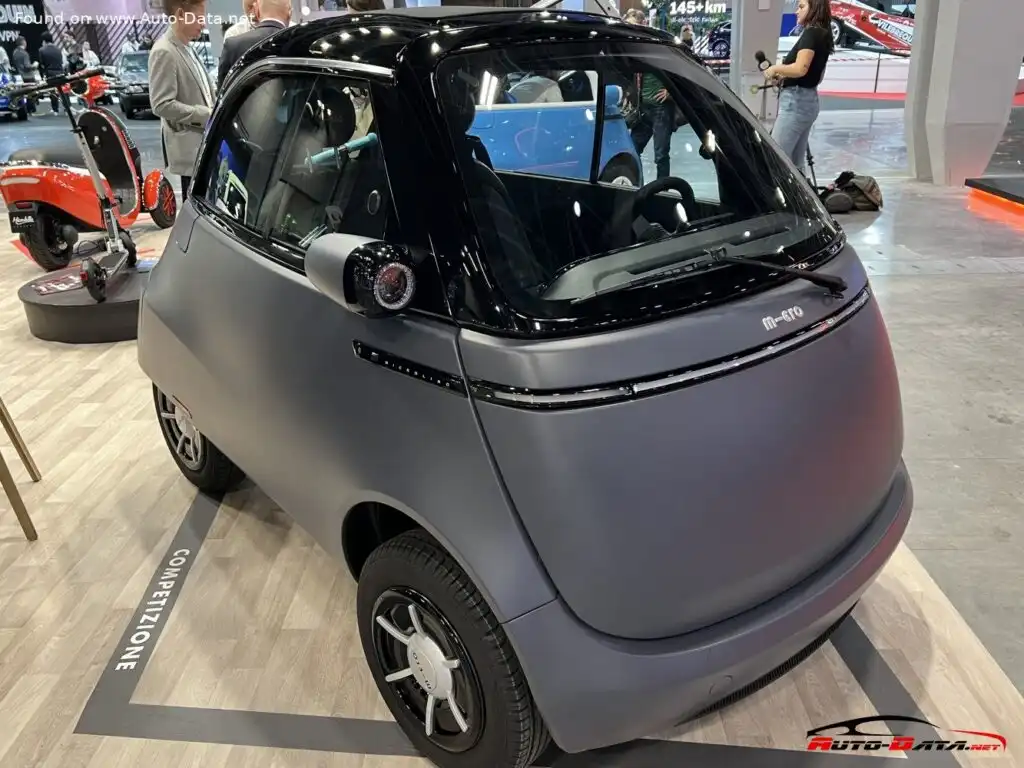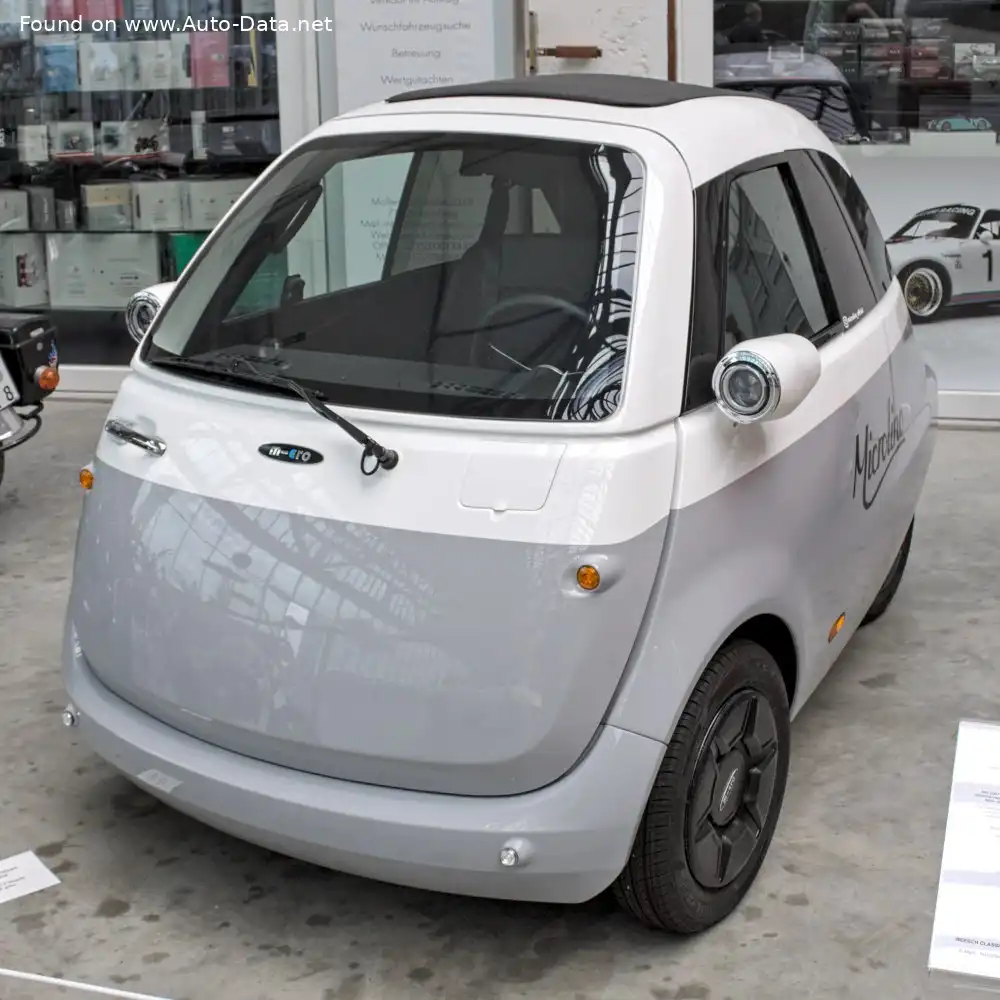
The Micro Microlino 1.0 8 kWh (15 hp) is a two-seat, two-door electric quadricycle produced by Micro Mobility Systems between 2018 and 2022. Designed as a modern reinterpretation of the BMW Isetta, the Microlino aimed to provide a compact, efficient, and stylish urban mobility solution. It quickly gained attention for its retro aesthetics and focus on sustainable transportation. The 8 kWh variant represented the entry-level model in the initial Microlino 1.0 lineup, offering a balance between affordability and range. It was primarily marketed towards city dwellers seeking a convenient alternative to traditional cars or scooters.
Technical Specifications
| Brand | Micro |
| Model | Microlino |
| Generation | Microlino 1.0 |
| Type (Engine) | 8 kWh (15 Hp) |
| Start of production | 2018 |
| End of production | 2022 |
| Powertrain Architecture | BEV (Electric Vehicle) |
| Body type | Quadricycle |
| Seats | 2 |
| Doors | 2 |
| Fuel Type | Electricity |
| Maximum speed | 90 km/h (55.92 mph) |
| Weight-to-power ratio | 34.2 kg/Hp (29.2 Hp/tonne) |
| Weight-to-torque ratio | 4.7 kg/Nm (214.4 Nm/tonne) |
| Gross battery capacity | 8 kWh |
| Battery technology | Lithium-ion (Li-Ion) |
| All-electric range | 125 km (77.67 mi) |
| Electric motor power | 15 Hp |
| Electric motor Torque | 110 Nm (81.13 lb.-ft.) |
| Electric motor location | Rear axle, Transverse |
| System power | 15 Hp |
| System torque | 110 Nm (81.13 lb.-ft.) |
| Kerb Weight | 513 kg (1130.97 lbs.) |
| Trunk (boot) space – minimum | 300 l (10.59 cu. ft.) |
| Length | 2435 mm (95.87 in.) |
| Width including mirrors | 1500 mm (59.06 in.) |
| Height | 1459 mm (57.44 in.) |
| Drivetrain Architecture | One electric motor drives the rear wheels. |
| Drive wheel | Rear wheel drive |
| Number of gears and type of gearbox | 1 gears, automatic transmission |
| Front suspension | Independent coil spring |
| Rear suspension | Independent coil spring |
| Front brakes | Disc |
| Rear brakes | Drum |
Powertrain & Engine Architecture
The Microlino 1.0 8 kWh is powered by a single rear-mounted electric motor producing 15 horsepower and 110 Nm (81.13 lb.-ft.) of torque. The powertrain utilizes an 8 kWh lithium-ion battery pack, providing an all-electric range of approximately 125 kilometers (77.67 miles). The vehicle employs a single-speed automatic transmission, simplifying operation and focusing on ease of use. The electric motor is transversely mounted to the rear axle, contributing to the compact design. The battery management system (BMS) is crucial for optimizing battery life and performance, monitoring cell voltages and temperatures. Charging is accomplished via a standard charging port, with charging times varying depending on the power source. The simplicity of the electric powertrain, lacking the complexity of internal combustion engines, contributes to its potential for long-term reliability.
Driving Characteristics
The 15 hp output and single-speed automatic transmission of the Microlino 1.0 8 kWh result in modest, but adequate, performance for urban driving. Acceleration is geared towards smooth and efficient operation rather than outright speed. The electronically limited top speed of 90 km/h (55.92 mph) is sufficient for city streets and short highway stretches. The single gear ratio prioritizes efficiency and ease of driving, eliminating the need for gear changes. The rear-wheel-drive configuration provides a stable and predictable driving experience, particularly in dry conditions. Compared to potential future, higher-powered Microlino variants, the 8 kWh model offers a more economical and accessible entry point, sacrificing some performance for affordability and range. The single-speed transmission means there’s no noticeable shift points, providing a seamless driving experience, though it does limit the vehicle’s ability to quickly accelerate or climb steep hills.
Equipment & Trim Levels
The Microlino 1.0 8 kWh, as the base model, was equipped with a relatively minimalist but functional set of features. Standard equipment included basic lighting, a digital instrument cluster displaying speed and battery status, and comfortable seating for two. The interior featured a simple dashboard layout with essential controls. Optional extras included features like a heated windshield, premium interior trim materials, and a sound system. The vehicle’s design prioritized practicality and space efficiency, with a focus on maximizing interior room within its compact footprint. The overall trim level was aimed at buyers seeking a basic, reliable, and eco-friendly transportation solution. The interior materials were chosen for durability and ease of cleaning, reflecting the vehicle’s intended use as a practical urban runabout.
Chassis & Braking
The Microlino 1.0 features a lightweight chassis designed to maximize efficiency. The suspension system utilizes independent coil springs on both the front and rear axles, providing a comfortable ride despite the vehicle’s small size. The front brakes are disc brakes, offering adequate stopping power, while the rear brakes are drum brakes, a cost-saving measure for the entry-level model. The vehicle’s relatively low weight (513 kg / 1130.97 lbs.) contributes to its agility and efficiency. The compact dimensions and tight turning radius make it well-suited for navigating congested urban environments. The use of a steel chassis provides a good balance of strength and affordability, while the independent suspension helps to absorb bumps and irregularities in the road surface.
Market Reception & Comparison
The Microlino 1.0 8 kWh received generally positive reception, particularly for its unique design and commitment to sustainable mobility. Critics praised its retro aesthetics and compact size, highlighting its suitability for city driving. However, the limited range and modest performance of the 8 kWh variant were noted as potential drawbacks. Compared to other electric vehicles on the market, the Microlino offered a significantly lower price point, making it accessible to a wider range of buyers. Its fuel economy (electricity consumption) was significantly better than that of comparable gasoline-powered vehicles. Compared to potential higher-spec Microlino models, the 8 kWh version represented a more affordable option, appealing to budget-conscious consumers. It was often compared to electric scooters and small motorcycles, offering a more enclosed and weather-protected alternative.
Legacy
The Micro Microlino 1.0 8 kWh played a significant role in popularizing the concept of compact, urban electric vehicles. Its distinctive design and focus on sustainability helped to raise awareness of alternative transportation options. While production of the 1.0 model has ended, the Microlino continues to evolve with newer iterations featuring improved range and performance. On the used car market, the 1.0 8 kWh models are sought after by enthusiasts and those looking for a unique and eco-friendly transportation solution. The powertrain, while relatively simple, has proven to be reliable, and parts availability remains reasonable. The Microlino 1.0 established Micro Mobility Systems as a key player in the emerging electric microcar segment, paving the way for future innovations in urban mobility.