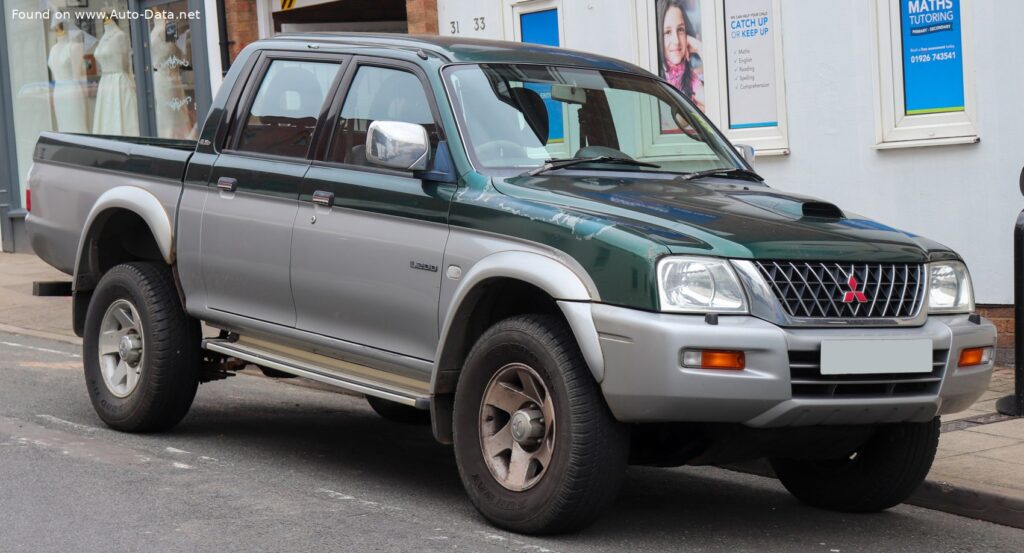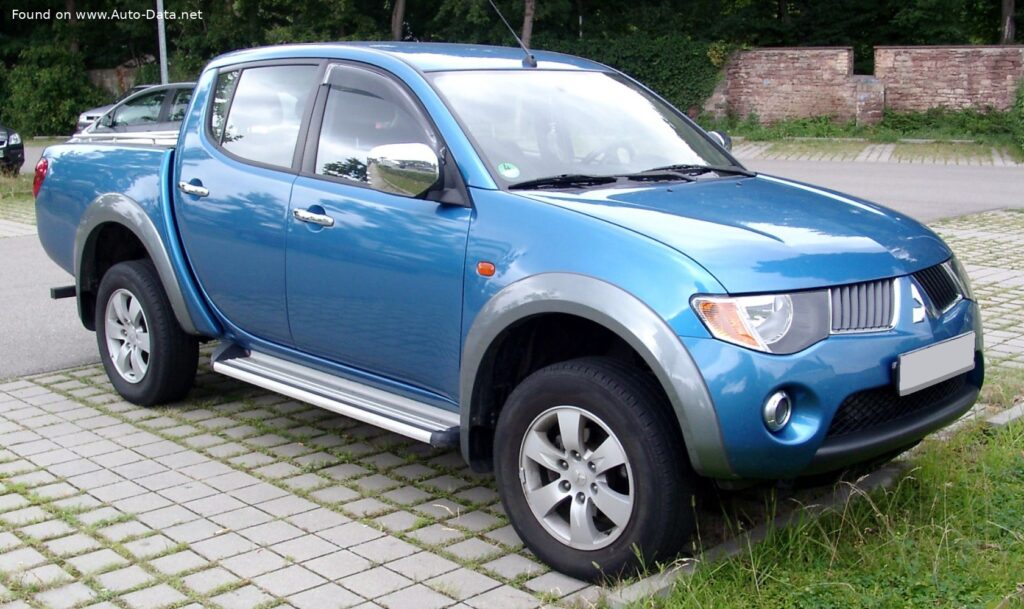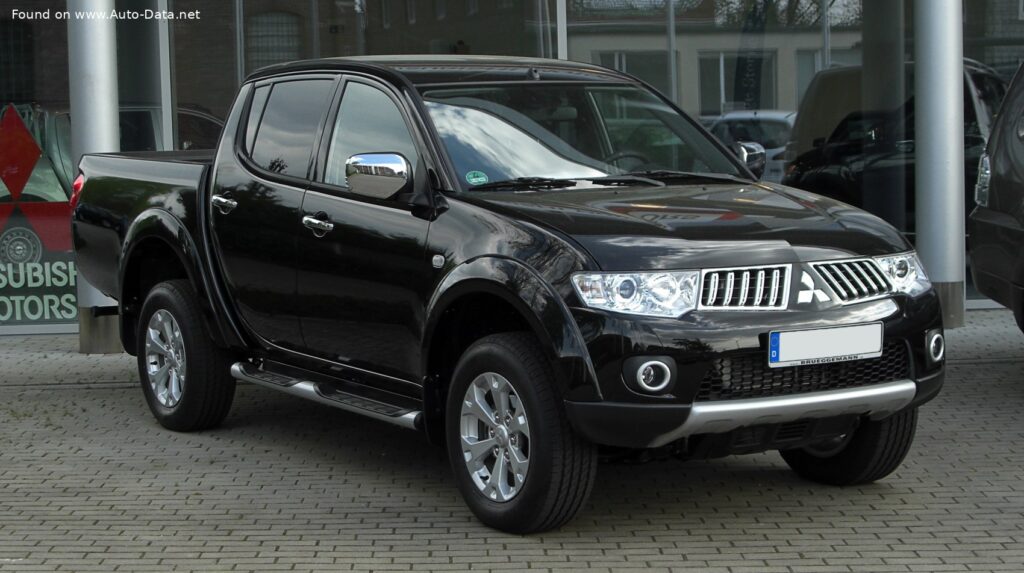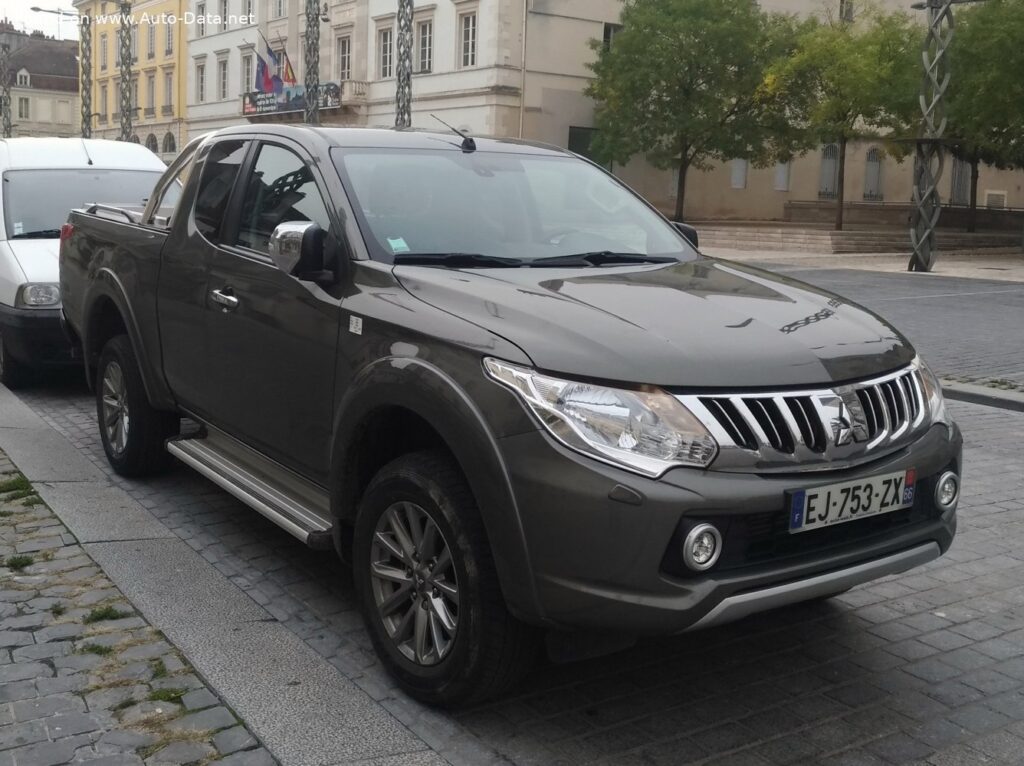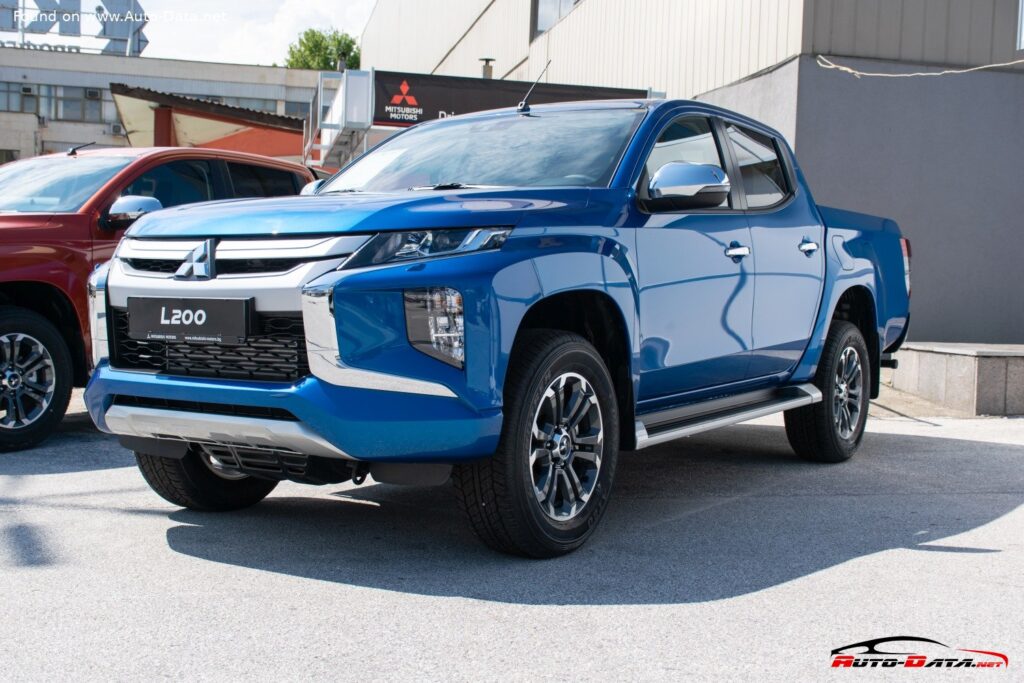
The Mitsubishi L200 V Double Cab (Facelift 2019) 2.4 MIVEC (181 Hp) 4WD: A Global Workhorse Refined
The Mitsubishi L200, known as the Triton in many markets, stands as a testament to Mitsubishi Motors’ long-standing heritage in robust, capable, and reliable pickup trucks. The fifth generation, designated as the L200 V, received a significant facelift in 2019, further solidifying its position as a highly competitive and globally recognized utility vehicle. This particular variant, the Mitsubishi L200 V Double Cab (facelift 2019) 2.4 MIVEC (181 Hp) 4WD, represents a modern iteration of a vehicle designed for both demanding professional use and versatile personal transport across various international markets, particularly thriving in Europe, Asia, Oceania, Africa, and Latin America, where mid-size pickups are indispensable.
The 2019 facelift brought a more aggressive and contemporary aesthetic, aligning the L200 with Mitsubishi’s “Dynamic Shield” design language, which had become a signature across its SUV and truck lineup. Beyond cosmetic enhancements, the update also introduced technological improvements and refinements aimed at enhancing performance, safety, and driver comfort. Produced from 2019 to 2023, this generation of the L200 Double Cab continued to offer a compelling blend of rugged capability, practicality, and modern features, making it a popular choice for adventurers, tradespeople, and families alike.
Engine and Performance of the Mitsubishi L200 V Double Cab (Facelift 2019)
At the heart of the Mitsubishi L200 V Double Cab (facelift 2019) lies the highly regarded 2.4-liter MIVEC turbodiesel engine, a powertrain renowned for its efficiency, durability, and substantial torque output. This inline four-cylinder engine, designated with the code 4N15, is mounted longitudinally at the front, optimizing weight distribution and allowing for robust drivetrain integration. It features a sophisticated Common Rail direct fuel injection system, ensuring precise fuel delivery for optimal combustion and efficiency. Coupled with a turbocharger and intercooler, this setup significantly boosts performance, particularly at lower RPMs, which is crucial for a utility vehicle often tasked with hauling heavy loads or navigating challenging terrain.
The engine generates a robust 181 horsepower at 3500 rpm, providing ample power for both on-road acceleration and off-road excursions. More impressively for a pickup, it delivers a formidable 317.15 lb.-ft. of torque at a relatively low 2500 rpm. This substantial torque is vital for towing, climbing steep inclines, and ensuring strong pulling power under various conditions. The MIVEC (Mitsubishi Innovative Valve timing Electronic Control system) designation, while more commonly associated with variable valve timing in gasoline engines, here refers to Mitsubishi’s overall advanced engineering approach to diesel powertrain optimization, focusing on efficiency and emissions control alongside performance.
Power is channeled through a precise 6-speed manual transmission, offering drivers direct control over the vehicle’s considerable capabilities. The standard All-Wheel Drive (4×4) system is a cornerstone of the L200’s utility, providing superior traction and stability across diverse surfaces, from slick city streets to demanding off-road trails. This drivetrain architecture, combined with the engine’s strong output, ensures that the L200 V Double Cab is well-equipped to handle a wide range of tasks and environments, upholding its reputation as a reliable and versatile workhorse.
Design and Features
The 2019 facelift dramatically reshaped the appearance of the Mitsubishi L200, introducing the brand’s “Dynamic Shield” front fascia. This design language is characterized by a high-set hood, prominent grille, and multi-tiered lighting elements, giving the truck a more imposing, modern, and aggressive stance. This updated aesthetic not only enhanced its visual appeal but also contributed to a sense of rugged sophistication. The Double Cab configuration, with its four doors and seating for five, strikes an excellent balance between passenger comfort and cargo-carrying capacity, making it suitable for both family duties and demanding work.
Beyond its striking exterior, the L200 V Double Cab is engineered for practicality and durability. Its dimensions – a length of 208.66 inches and a width of 71.46 inches – provide a substantial footprint, while a wheelbase of 118.11 inches contributes to stable handling. Ground clearance ranging from 8.07 to 8.66 inches, combined with impressive approach (30.0-31.0°), departure (22.0-23.0°), and ramp-over (24.0-25.0°) angles, underscores its serious off-road capabilities. These figures ensure the L200 can confidently traverse uneven terrain without risking undercarriage damage.
The suspension system is designed for both load-carrying and ride comfort, featuring a double wishbone setup at the front for precise steering and handling, and a robust dependent suspension with two longitudinal semi-elliptic leaf springs at the rear. This leaf spring arrangement is a classic choice for pickup trucks, celebrated for its ability to manage heavy loads and withstand harsh conditions. Braking is handled by ventilated discs at the front and reliable drum brakes at the rear, supported by an Anti-lock Braking System (ABS) for enhanced safety during emergency stops. Steering is managed by a rack and pinion system with electric power steering, offering ease of maneuverability even in tight spots, evidenced by a minimum turning circle of 38.71 feet. The L200 V Double Cab also offers a choice of tire sizes, from 245/70 R16 up to 265/60 R18, allowing owners to customize their vehicle for specific performance or aesthetic preferences.
Technical Specifications
| Category | Specification |
|---|---|
| Brand | Mitsubishi |
| Model | L200 |
| Generation | L200 V Double Cab (facelift 2019) |
| Type (Engine) | 2.4 MIVEC (181 Hp) 4WD |
| Start of Production | 2019 year |
| End of Production | 2023 year |
| Powertrain Architecture | Internal Combustion engine |
| Body type | Pick-up |
| Seats | 5 |
| Doors | 4 |
| Performance Specs | |
| Fuel Type | Diesel |
| Power | 181 Hp @ 3500 rpm. |
| Power per liter | 74.1 Hp/l |
| Torque | 430 Nm (317.15 lb.-ft.) @ 2500 rpm. |
| Engine layout | Front, Longitudinal |
| Engine Model/Code | 4N15 |
| Engine displacement | 2442 cm3 (149.02 cu. in.) |
| Number of cylinders | 4 |
| Engine configuration | Inline |
| Cylinder Bore | 86 mm (3.39 in.) |
| Piston Stroke | 105.1 mm (4.14 in.) |
| Compression ratio | 14.9:1 |
| Number of valves per cylinder | 4 |
| Fuel injection system | Diesel Commonrail |
| Engine aspiration | Turbocharger, Intercooler |
| Valvetrain | DOHC |
| Engine oil capacity | 8.4 l (8.88 US qt) |
| Coolant | 7.7 l (8.14 US qt) |
| Space, Volume and Weights | |
| Fuel tank capacity | 75 l (19.81 US gal) |
| Dimensions | |
| Length | 5300 mm (208.66 in.) |
| Width | 1815 mm (71.46 in.) |
| Height | 1795-1780 mm (70.67 – 70.08 in.) |
| Wheelbase | 3000 mm (118.11 in.) |
| Front track | 1520 mm (59.84 in.) |
| Rear (Back) track | 1515 mm (59.65 in.) |
| Ride height (ground clearance) | 205-220 mm (8.07 – 8.66 in.) |
| Minimum turning circle (turning diameter) | 11.8 m (38.71 ft.) |
| Approach angle | 30.0-31.0° |
| Departure angle | 22.0-23.0° |
| Ramp-over (brakeover) angle | 24.0-25.0° |
| Drivetrain, Brakes and Suspension Specs | |
| Drive wheel | All wheel drive (4×4) |
| Number of gears and type of gearbox | 6 gears, manual transmission |
| Front suspension | Double wishbone |
| Rear suspension | Dependent suspension of two longitudinal semi-elliptic leaf springs |
| Front brakes | Ventilated discs |
| Rear brakes | Drum |
| Assisting Systems | |
| Assisting systems | ABS (Anti-lock braking system) |
| Steering type | Steering rack and pinion |
| Power steering | Electric Steering |
| Tires size | 245/70 R16; 245/65 R17; 265/60 R18 |
| Wheel rims size | 16; 17; 18 |
Legacy and Market Impact
The Mitsubishi L200 has cultivated a formidable legacy since its introduction in 1978, establishing itself as a global benchmark for rugged and dependable utility vehicles. The fifth generation, and particularly the 2019 facelift of the Mitsubishi L200 V Double Cab (facelift 2019), continued this tradition, adapting to modern demands while retaining its core attributes. In markets outside North America, where the L200 (or Triton) is a household name, it competes fiercely with other established players such as the Toyota Hilux, Ford Ranger, Nissan Navara, Isuzu D-Max, and Volkswagen Amarok.
Its reputation is built on unwavering reliability, exceptional off-road prowess, and a robust construction that can withstand the rigors of commercial work, agricultural duties, and demanding expeditionary travel. The Double Cab variant, with its ability to comfortably transport passengers while also offering a practical cargo bed, has been particularly successful in appealing to a broad demographic. It serves as a primary vehicle for tradespeople, a dependable family hauler for those in rural areas, and a popular choice for adventure enthusiasts seeking a capable platform for overlanding and outdoor activities.
The 2019 facelift played a crucial role in maintaining the L200’s competitive edge, injecting contemporary styling and updated technology into a proven formula. This refresh helped Mitsubishi sustain strong sales in key regions and reinforced the brand’s commitment to the pickup truck segment. While not officially sold as the L200 in the United States, its global success and the enduring appeal of its engineering principles contribute to Mitsubishi’s international image as a producer of durable, capable, and value-oriented vehicles. The L200 V Double Cab (facelift 2019) stands as a prime example of a vehicle meticulously engineered to meet the diverse and challenging needs of its global customer base, solidifying its place as an iconic and impactful pickup in automotive history.