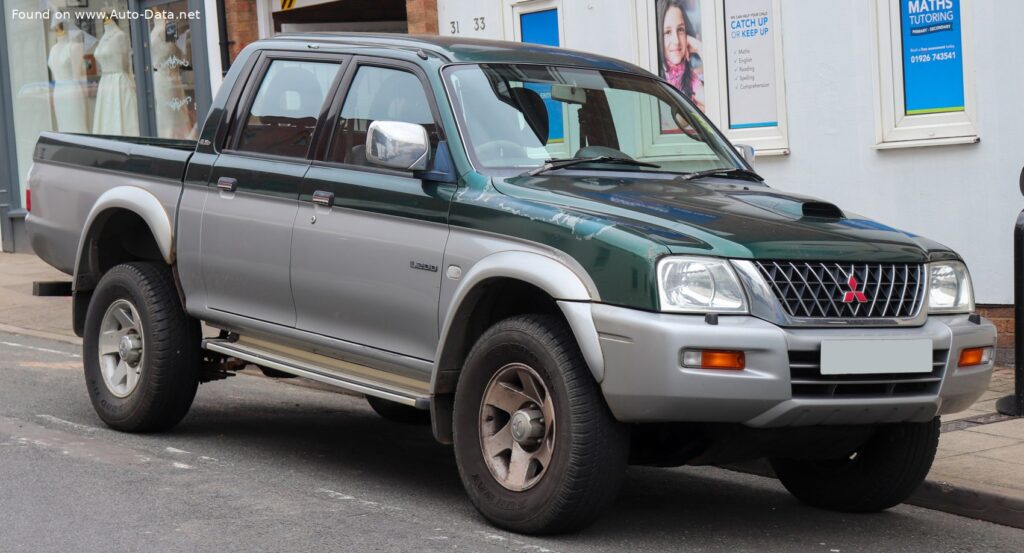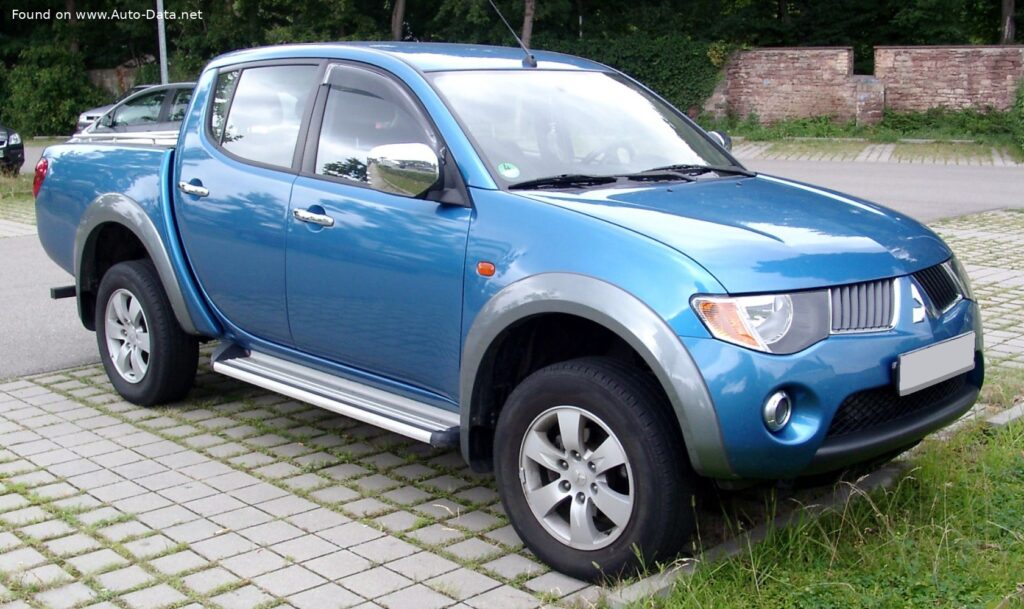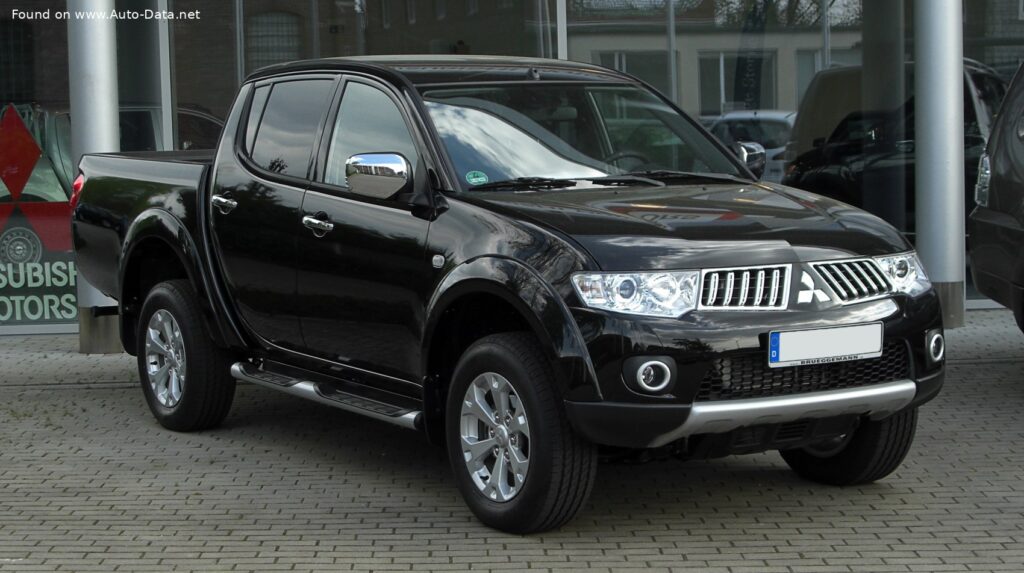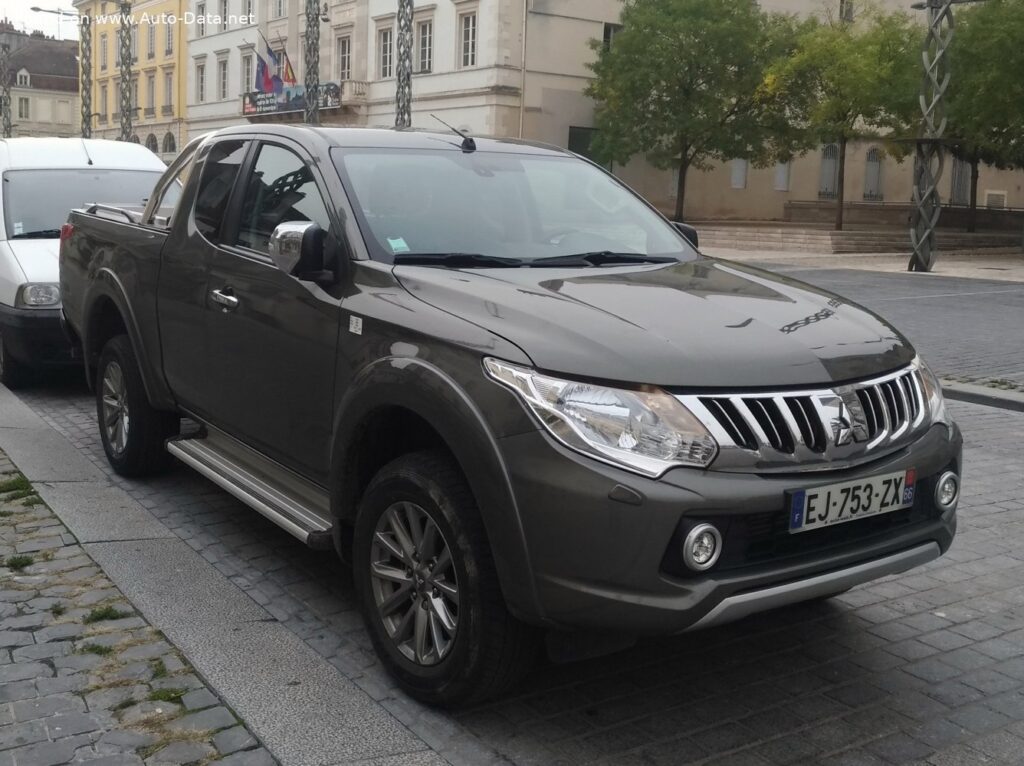
Introduction to the Mitsubishi L200 V Single Cab 2.4d (154 Hp) 4WD
The Mitsubishi L200, also known as the Triton in several markets, represents a long-standing lineage of robust and versatile pickup trucks from the Japanese automaker. The fifth generation, designated as the L200 V, was introduced in 2014 and continued its production run until 2018 for this particular single cab variant. The Mitsubishi L200 V Single Cab 2.4d (154 Hp) 4WD, specifically, was engineered as a dedicated workhorse, targeting commercial users, tradespeople, and adventurers who prioritize durability, utility, and off-road capability. While not directly sold in the United States market, where Mitsubishi’s pickup presence has historically been sporadic, the L200 has carved out a significant niche across Europe, Asia, Australia, Africa, and South America, establishing itself as a formidable competitor in the mid-size pickup segment. This generation built upon its predecessors’ reputation for ruggedness while introducing advancements in efficiency, comfort, and safety, making it a highly competent and globally recognized utility vehicle.
Engine and Performance: The Heart of the Mitsubishi L200 V Single Cab 2.4d (154 Hp) 4WD
Powering the Mitsubishi L200 V Single Cab 2.4d (154 Hp) 4WD is Mitsubishi’s advanced 4N15 diesel engine, a 2.4-liter (2442 cm³ or 149.02 cu. in.) inline-four powerplant. This engine is a testament to modern diesel engineering, featuring a DOHC (Double Overhead Camshaft) valvetrain with 4 valves per cylinder, a common rail fuel injection system, and forced induction via a turbocharger with an intercooler. These technologies combine to deliver a healthy 154 horsepower at 3500 rpm, which is a commendable output for a utility-focused diesel engine of this displacement. More crucially for a pickup truck, the engine produces a substantial 280.27 lb.-ft. of torque, available across a broad and usable rev range from 1500 to 2500 rpm. This low-end torque is vital for hauling heavy loads, towing, and navigating challenging off-road conditions, ensuring the L200 maintains its grunt when it’s needed most.
Performance figures for the L200 V Single Cab 2.4d are practical rather than sporting. It can accelerate from 0 to 60 mph in a respectable 11.6 seconds, with a top speed of approximately 105 mph (169 km/h). These numbers underscore its design as a utilitarian vehicle, where reliability and load-carrying capacity take precedence over outright speed. The powertrain architecture is a traditional front, longitudinal engine layout, paired with a robust 6-speed manual transmission. This combination allows the driver precise control over power delivery, particularly beneficial in towing or off-road scenarios. The standard all-wheel-drive (4×4) system further enhances its capability, providing excellent traction and stability across diverse terrains and weather conditions.
Fuel efficiency is a strong suit for this diesel workhorse, especially considering its 4WD capability and size. The combined fuel economy is rated at 34.1 US mpg (6.9 l/100 km), with urban consumption at 28.7 US mpg (8.2 l/100 km) and extra-urban at an impressive 38.6 US mpg (6.1 l/100 km). These figures are competitive within its segment and contribute to lower running costs for commercial operators. Furthermore, the engine meets the stringent Euro 6b emission standard, indicating a commitment to environmental responsibility through reduced CO2 emissions of 180 g/km and the inclusion of a particulate filter. The engine oil capacity is 8.4 liters (8.88 US quarts), and the cooling system holds 7.7 liters (8.14 US quarts), indicating robust engineering for sustained heavy use.
Design and Features
Body Type and Dimensions
The Mitsubishi L200 V Single Cab 2.4d (154 Hp) 4WD is characterized by its purpose-built single cab, two-door, two-seat configuration. This design choice emphasizes maximum cargo bed length and payload capacity, catering directly to its primary audience of commercial and agricultural users. Measuring 200 inches (5080 mm) in length, 70.28 inches (1785 mm) in width, and 70.08 inches (1780 mm) in height, the L200 V Single Cab strikes a balance between a substantial footprint for stability and maneuverability for varied environments. Its wheelbase of 118.11 inches (3000 mm) contributes to a stable ride and ample cargo space. The ground clearance of 7.87 inches (200 mm), coupled with impressive approach (30.0°), departure (27.0°), and ramp-over (24.0°) angles, equips the L200 for serious off-road excursions and navigating rough job sites without compromising vital underbody components.
Chassis and Drivetrain
Underneath its rugged exterior, the L200 V employs a tried-and-true chassis designed for durability and load-bearing. The front suspension features a double wishbone setup, providing a good balance of ride comfort and handling precision, particularly when unladen. The rear suspension, crucial for a pickup’s utility, consists of a dependent suspension system with two longitudinal semi-elliptic leaf springs. This robust design is optimized for carrying heavy loads and withstanding the rigors of commercial use, ensuring the vehicle maintains its structural integrity and performance under stress.
Braking is handled by ventilated discs at the front for effective heat dissipation and consistent performance, while the rear utilizes durable drum brakes, which are common for utility vehicles due to their reliability and cost-effectiveness. An Anti-lock Braking System (ABS) is included as a standard assisting system, enhancing safety by preventing wheel lock-up during hard braking. Steering is managed by a rack and pinion system, complemented by electric power steering, which offers lighter steering effort at low speeds for easier maneuvering and parking, and more feedback at higher speeds. The L200 V rides on 205/80 R16 tires mounted on 6J x 16 wheel rims, a practical choice offering a good balance of on-road comfort and off-road traction.
Utility and Capacity
The L200 V Single Cab’s primary function is utility, and its capacities reflect this. With a kerb weight of 3946.27 lbs. (1790 kg), it boasts a maximum payload capacity of 2336.9 lbs. (1060 kg), making it suitable for transporting a wide range of tools, equipment, or goods. The maximum permissible weight is 6283.17 lbs. (2850 kg). Towing capability is equally impressive, with a permitted trailer load of 7716.18 lbs. (3500 kg) with brakes and 1653.47 lbs. (750 kg) without brakes. A substantial 19.81 US gallons (75 liters) fuel tank capacity ensures a long operating range, reducing the frequency of refueling stops, which is a significant advantage for commercial users operating in remote areas.
Technical Specifications
| Category | Specification |
|---|---|
| Brand | Mitsubishi |
| Model | L200 |
| Generation | L200 V Single Cab |
| Type (Engine) | 2.4d (154 Hp) 4WD |
| Start of Production | 2015 year |
| End of Production | 2018 year |
| Powertrain Architecture | Internal Combustion engine |
| Body type | Pick-up |
| Seats | 2 |
| Doors | 2 |
| Performance Specs | |
| Fuel consumption (economy) – urban | 28.7 US mpg (8.2 l/100 km) |
| Fuel consumption (economy) – extra urban | 38.6 US mpg (6.1 l/100 km) |
| Fuel consumption (economy) – combined | 34.1 US mpg (6.9 l/100 km) |
| CO2 emissions | 180 g/km |
| Fuel Type | Diesel |
| Acceleration 0 – 60 mph | 11.6 sec |
| Maximum speed | 105.01 mph (169 km/h) |
| Emission standard | Euro 6b |
| Weight-to-power ratio | 11.6 kg/Hp, 86 Hp/tonne |
| Weight-to-torque ratio | 4.7 kg/Nm, 212.3 Nm/tonne |
| Engine Specs | |
| Power | 154 Hp @ 3500 rpm |
| Power per liter | 63.1 Hp/l |
| Torque | 280.27 lb.-ft. @ 1500-2500 rpm (380 Nm) |
| Engine layout | Front, Longitudinal |
| Engine Model/Code | 4N15 |
| Engine displacement | 2.4 Liters (2442 cm³, 149.02 cu. in.) |
| Number of cylinders | 4 |
| Engine configuration | Inline |
| Cylinder Bore | 3.39 in. (86 mm) |
| Piston Stroke | 4.14 in. (105.1 mm) |
| Compression ratio | 15.5:1 |
| Number of valves per cylinder | 4 |
| Fuel injection system | Diesel Commonrail |
| Engine aspiration | Turbocharger, Intercooler |
| Valvetrain | DOHC |
| Engine oil capacity | 8.88 US qt (8.4 l) |
| Coolant | 8.14 US qt (7.7 l) |
| Engine systems | Particulate filter |
| Space, Volume and Weights | |
| Kerb Weight | 3946.27 lbs. (1790 kg) |
| Max. weight | 6283.17 lbs. (2850 kg) |
| Max load | 2336.9 lbs. (1060 kg) |
| Fuel tank capacity | 19.81 US gal (75 l) |
| Permitted trailer load with brakes (12%) | 7716.18 lbs. (3500 kg) |
| Permitted trailer load without brakes | 1653.47 lbs. (750 kg) |
| Permitted towbar download | 308.65 lbs. (140 kg) |
| Dimensions | |
| Length | 200 in. (5080 mm) |
| Width | 70.28 in. (1785 mm) |
| Height | 70.08 in. (1780 mm) |
| Wheelbase | 118.11 in. (3000 mm) |
| Front track | 59.84 in. (1520 mm) |
| Rear (Back) track | 59.65 in. (1515 mm) |
| Front overhang | 34.06 in. (865 mm) |
| Rear overhang | 47.83 in. (1215 mm) |
| Ride height (ground clearance) | 7.87 in. (200 mm) |
| Approach angle | 30.0° |
| Departure angle | 27.0° |
| Ramp-over (brakeover) angle | 24.0° |
| Drivetrain, Brakes and Suspension Specs | |
| Drive wheel | All wheel drive (4×4) |
| Number of gears and type of gearbox | 6 gears, manual transmission |
| Front suspension | Double wishbone |
| Rear suspension | Dependent suspension of two longitudinal semi-elliptic leaf springs |
| Front brakes | Ventilated discs |
| Rear brakes | Drum |
| Assisting systems | ABS (Anti-lock braking system) |
| Steering type | Steering rack and pinion |
| Power steering | Electric Steering |
| Tires size | 205/80 R16 |
| Wheel rims size | 6J x 16 |
Legacy and Market Impact
The Mitsubishi L200, including the V generation Single Cab, stands as a pillar in Mitsubishi’s global vehicle lineup, with a heritage stretching back to 1978. It has consistently been one of the brand’s best-selling models outside of North America, earning a reputation for unwavering reliability, exceptional durability, and impressive off-road capability. The Mitsubishi L200 V Single Cab 2.4d (154 Hp) 4WD specifically reinforced this legacy by offering a modernized package that balanced traditional ruggedness with improved efficiency and contemporary features.
In its primary markets, such as Europe, Australia, and Southeast Asia, the L200 competes fiercely with other established mid-size pickups like the Toyota Hilux, Ford Ranger (international version), Nissan Navara, and Isuzu D-Max. What sets the L200 apart is often its value proposition, combined with Mitsubishi’s Super Select 4WD-II system (though not explicitly detailed for this specific single cab, it’s a hallmark of L200 models), which offers advanced traction management. The single cab variant, in particular, maintained its appeal to fleet operators, construction companies, farmers, and small businesses that required a no-nonsense, high-capacity utility vehicle. Its ability to handle heavy loads, navigate challenging terrains, and serve as a dependable workhorse made it an indispensable tool for many.
The absence of the L200 in the contemporary U.S. market is largely due to historical market dynamics and strategic decisions by Mitsubishi. While Mitsubishi did offer pickups in the U.S. in the past, such as the Mighty Max and the later Raider (a rebadged Dodge Dakota), the brand shifted its focus in North America to SUVs and crossovers, where it found greater success. The highly competitive U.S. truck market, dominated by full-size domestic offerings and a growing mid-size segment with different consumer expectations regarding features and engine choices, made it challenging for a direct L200 entry. However, its continued success globally underscores its functional design and mechanical integrity, proving its relevance and adaptability across diverse international landscapes. The L200 V Single Cab 2.4d (154 Hp) 4WD remains a testament to Mitsubishi’s engineering prowess in creating enduring, capable, and efficient utility vehicles for the world’s toughest jobs.