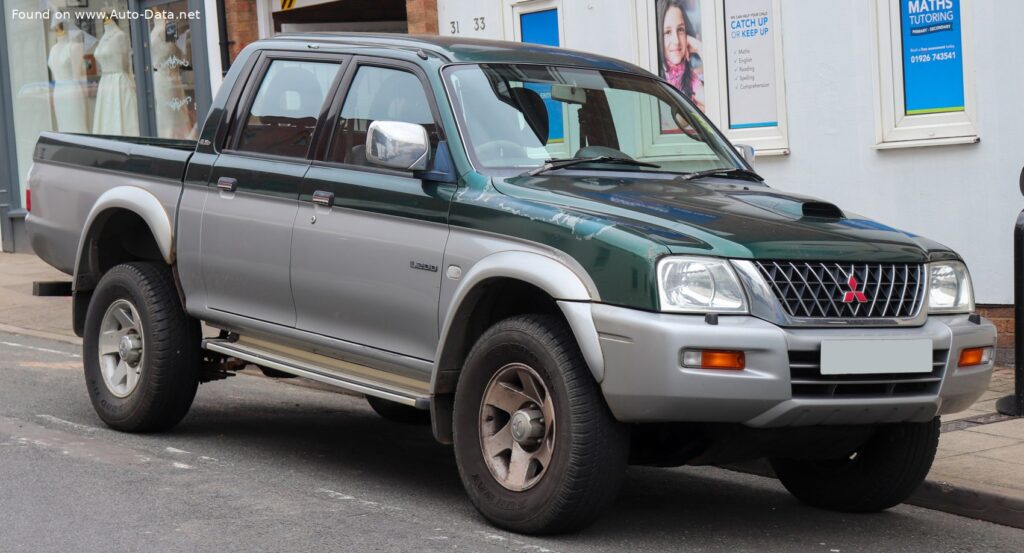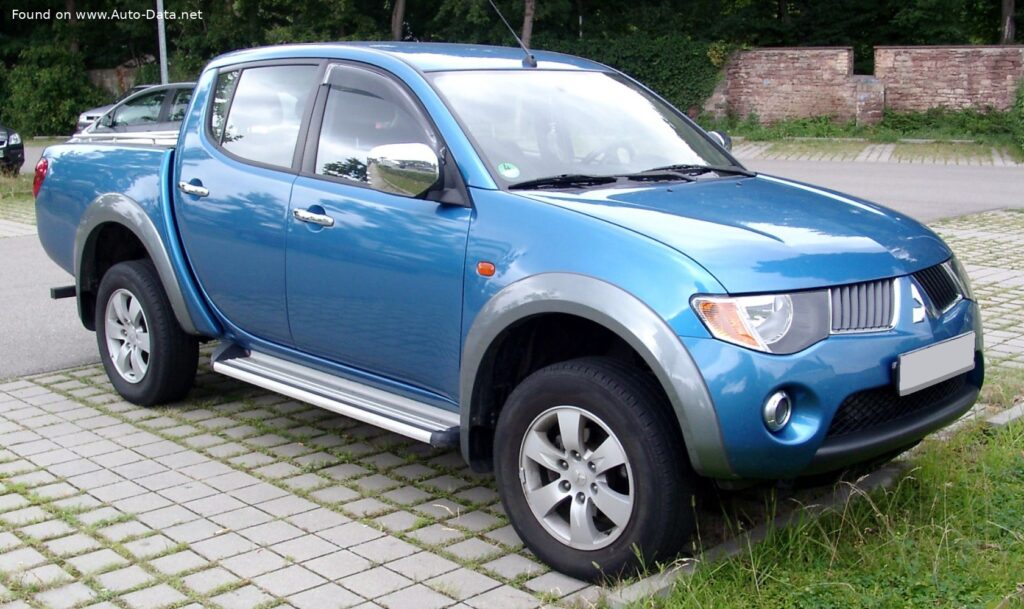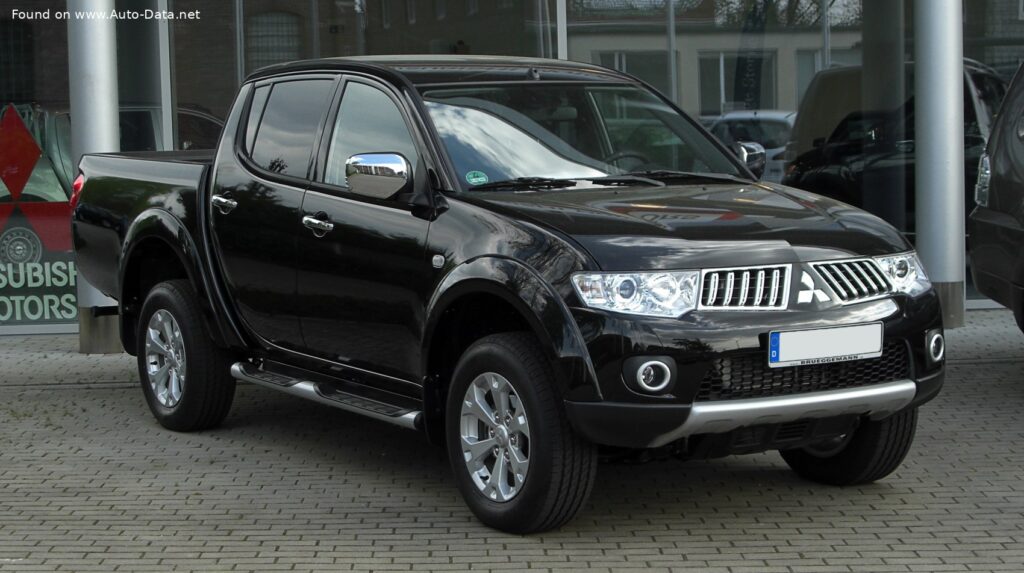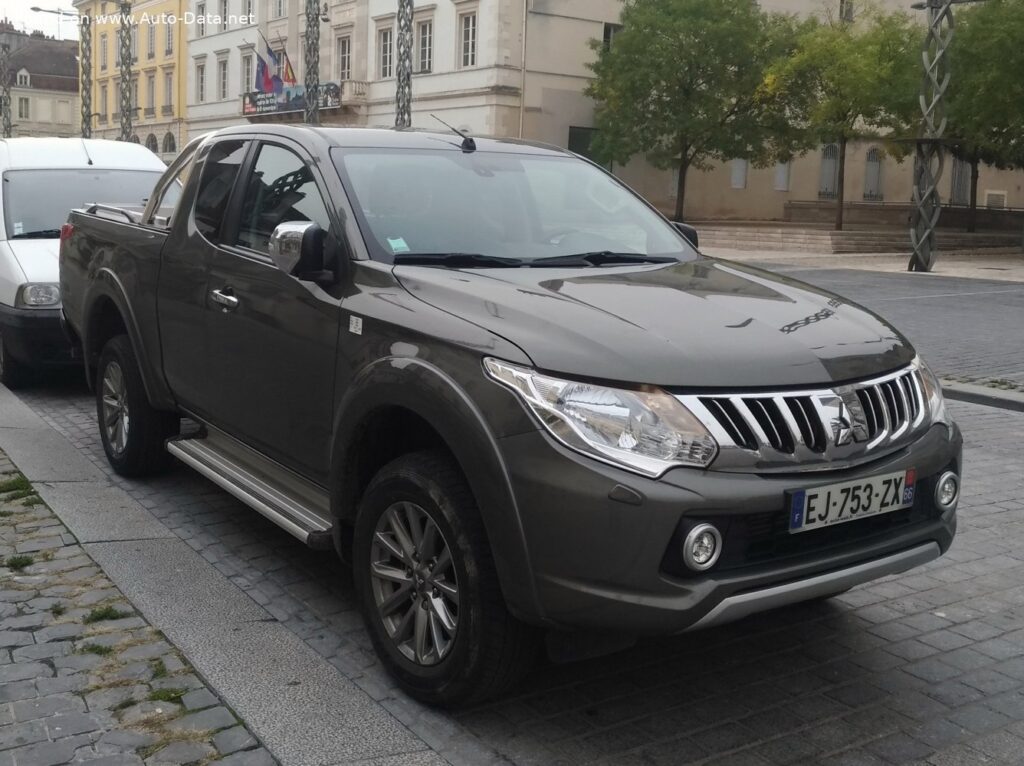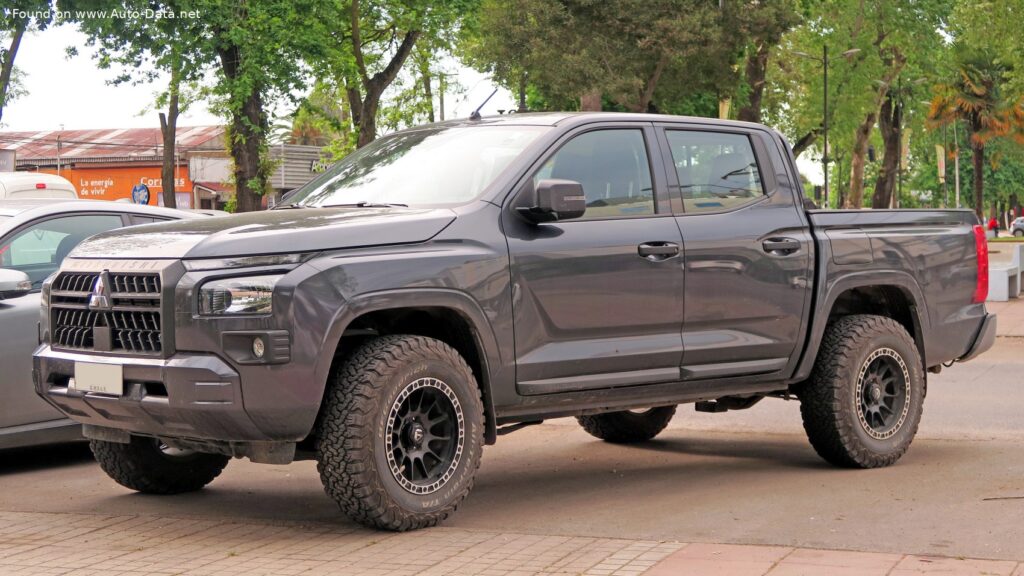
The Mitsubishi L200 VI Double Cab: A Global Workhorse for the Modern Era
The Mitsubishi L200 VI Double Cab represents the latest evolution of Mitsubishi’s long-standing and highly successful pickup truck lineage, known as the Triton in some markets. Introduced in 2023, this sixth-generation model continues to build on a heritage of rugged reliability, off-road prowess, and increasing refinement. Positioned firmly in the mid-size pickup segment, the L200 VI Double Cab is a critical player in markets across Europe, Asia, Australia, and Africa, where its blend of utility, comfort, and advanced engineering makes it a compelling choice for both commercial and recreational users. While not directly sold in the United States, where Mitsubishi’s vehicle lineup has shifted, the L200 (or Triton) remains a cornerstone of the brand’s global strategy, embodying Mitsubishi’s commitment to robust, capable, and efficient vehicles tailored to diverse international demands. This particular variant, the 2.4 MIVEC (201 Hp) 4WD Automatic, highlights a focus on powerful yet economical diesel performance combined with sophisticated four-wheel-drive capabilities.
Engine and Performance of the Mitsubishi L200 VI Double Cab
Under the hood, the Mitsubishi L200 VI Double Cab 2.4 MIVEC variant is powered by a sophisticated 2.4-liter (2442 cm3 or 149.02 cu. in.) 4N16 inline-four diesel engine. This powerplant is equipped with Mitsubishi’s innovative MIVEC (Mitsubishi Innovative Valve timing Electronic Control) technology, usually associated with gasoline engines, adapted here to optimize diesel efficiency and performance. Further enhancing its capabilities, the engine features a BiTurbo setup with an intercooler, ensuring robust power delivery across the rev range. This configuration allows the engine to produce a healthy 201 horsepower at 3500 rpm, translating to a power-per-liter output of 82.3 Hp/l, which is commendable for a diesel utility vehicle.
More critically for a pickup truck, the torque figures are impressive. The 2.4 MIVEC generates a substantial 470 Nm (346.65 lb.-ft.) of torque, available from a low 1500 rpm and sustained up to 2750 rpm. This broad torque band is crucial for towing, hauling, and off-road driving, providing ample pulling power without needing to constantly downshift. The engine’s layout is front-longitudinal, contributing to balanced weight distribution and optimal drivetrain geometry. Fuel is delivered via a Diesel Commonrail injection system, and the engine adheres to the stringent Euro 6 emission standard, incorporating a Start & Stop System and a particulate filter to minimize environmental impact.
Power is channeled to all four wheels through a smooth and responsive 6-speed automatic transmission. The drivetrain architecture is a sophisticated part-time four-wheel-drive system, meaning the internal combustion engine permanently drives the rear wheels, with the front wheels engaging via an electrically or mechanically operated clutch when additional traction is required. This setup allows for improved fuel economy in two-wheel-drive mode and enhanced capability when traversing challenging terrain. With a maximum speed of 180 km/h (111.85 mph), the L200 VI Double Cab demonstrates sufficient on-road performance for highway cruising, while its robust power-to-weight ratio of 10 kg/Hp (99.5 Hp/tonne) underscores its capability.
Fuel efficiency for a vehicle of this size and capability is competitive. The combined fuel consumption is rated at 8.3-8.5 liters per 100 kilometers, which translates to approximately 28.3 – 27.7 US miles per gallon. Urban consumption ranges from 10.6-10.9 l/100 km (22.2 – 21.6 US mpg), while extra-urban driving achieves 6.8-6.9 l/100 km (34.6 – 34.1 US mpg). These figures highlight the engine’s balance of power and economy, crucial for both commercial operators and private owners.
Design and Features of the L200 VI Double Cab
The Mitsubishi L200 VI Double Cab is designed as a four-door, five-seat pickup truck, emphasizing practicality and versatility. Its exterior design language is contemporary and rugged, reflecting its dual-purpose nature as a work vehicle and a lifestyle truck. With a length of 5320 mm (209.45 in.), a width of 1865 mm (73.43 in.), and a height of 1795 mm (70.67 in.), the L200 offers a substantial presence on the road. The 3130 mm (123.23 in.) wheelbase contributes to a stable ride and generous cabin space for all five occupants.
Key design elements include a high ground clearance of 228 mm (8.98 in.), which is vital for off-road excursions and navigating rough terrain. Complementing this are impressive approach, departure, and ramp-over angles of 30.4°, 22.8°, and 23.4° respectively, allowing the L200 to tackle steep inclines and obstacles with confidence. The minimum turning circle of 12.4 meters (40.68 ft.) is reasonable for a vehicle of its size, aiding maneuverability in tighter spaces.
The chassis and suspension are engineered for durability and capability. The front features an independent double wishbone setup with coil springs and a transverse stabilizer, providing good handling and ride comfort. The rear employs a robust rigid axle suspension with leaf springs, a time-tested design for heavy loads and challenging conditions. Braking is handled by ventilated discs at the front (320 mm) and drum brakes at the rear (295 mm), supported by ABS (Anti-lock Braking System) for enhanced safety. Electric power steering provides ease of control. The truck rides on 265/60 R18 tires mounted on 7.5J x 18 wheel rims, offering a good balance of grip and ride quality.
In terms of utility, the L200 VI Double Cab excels. It boasts a kerb weight ranging from 2020-2137 kg (4453.34 – 4711.28 lbs.) and a maximum permissible weight (GVWR) of 3000-3020 kg (6613.87 – 6657.96 lbs.). This allows for a substantial maximum payload capacity of 883-980 kg (1946.68 – 2160.53 lbs.). Furthermore, its towing capabilities are impressive, rated at 3500 kg (7716.18 lbs.) with brakes and 750 kg (1653.47 lbs.) without brakes, making it suitable for a wide range of tasks, from pulling trailers to carrying heavy equipment. A 75-liter (19.81 US gal) fuel tank, complemented by a 17-liter (4.49 US gal) AdBlue tank, ensures a good operating range, especially important for remote work or long journeys.
Technical Specifications
| Category | Specification | Value |
|---|---|---|
General Information |
||
| Brand | Mitsubishi | |
| Model | L200 | |
| Generation | L200 VI Double Cab | |
| Type (Engine) | 2.4 MIVEC (201 Hp) 4WD Automatic | |
| Start of Production | 2023 year | |
| Powertrain Architecture | Internal Combustion engine | |
| Body Type | Pick-up | |
| Seats | 5 | |
| Doors | 4 | |
Performance Specifications |
||
| Fuel Consumption (Urban) | 10.6-10.9 l/100 km (22.2 – 21.6 US mpg) | |
| Fuel Consumption (Extra Urban) | 6.8-6.9 l/100 km (34.6 – 34.1 US mpg) | |
| Fuel Consumption (Combined) | 8.3-8.5 l/100 km (28.3 – 27.7 US mpg) | |
| Fuel Type | Diesel | |
| Maximum Speed | 180 km/h (111.85 mph) | |
| Emission Standard | Euro 6 | |
| Weight-to-Power Ratio | 10 kg/Hp (99.5 Hp/tonne) | |
| Weight-to-Torque Ratio | 4.3 kg/Nm (232.7 Nm/tonne) | |
Engine Specifications |
||
| Power | 201 Hp @ 3500 rpm | |
| Power per Liter | 82.3 Hp/l | |
| Torque | 470 Nm (346.65 lb.-ft.) @ 1500-2750 rpm | |
| Engine Layout | Front, Longitudinal | |
| Engine Model/Code | 4N16 | |
| Engine Displacement | 2442 cm3 (149.02 cu. in. / 2.4 Liters) | |
| Number of Cylinders | 4 | |
| Engine Configuration | Inline | |
| Cylinder Bore | 86 mm (3.39 in.) | |
| Piston Stroke | 105.1 mm (4.14 in.) | |
| Compression Ratio | 15.2:1 | |
| Number of Valves per Cylinder | 4 | |
| Fuel Injection System | Diesel Commonrail | |
| Engine Aspiration | BiTurbo, Intercooler | |
| Valvetrain | DOHC | |
| Engine Oil Capacity | 6.7 l (7.08 US qt) | |
| Coolant Capacity | 7.7 l (8.14 US qt) | |
| Engine Systems | Start & Stop System, Particulate filter | |
Space, Volume and Weights |
||
| Kerb Weight | 2020-2137 kg (4453.34 – 4711.28 lbs.) | |
| Max. Weight (GVWR) | 3000-3020 kg (6613.87 – 6657.96 lbs.) | |
| Max Load (Payload) | 883-980 kg (1946.68 – 2160.53 lbs.) | |
| Fuel Tank Capacity | 75 l (19.81 US gal) | |
| AdBlue Tank Capacity | 17 l (4.49 US gal) | |
| Permitted Trailer Load (with brakes) | 3500 kg (7716.18 lbs.) | |
| Permitted Trailer Load (without brakes) | 750 kg (1653.47 lbs.) | |
Dimensions |
||
| Length | 5320 mm (209.45 in.) | |
| Width | 1865 mm (73.43 in.) | |
| Height | 1795 mm (70.67 in.) | |
| Wheelbase | 3130 mm (123.23 in.) | |
| Front Track | 1570 mm (61.81 in.) | |
| Rear (Back) Track | 1565 mm (61.61 in.) | |
| Front Overhang | 890 mm (35.04 in.) | |
| Rear Overhang | 1300 mm (51.18 in.) | |
| Ride Height (Ground Clearance) | 228 mm (8.98 in.) | |
| Minimum Turning Circle | 12.4 m (40.68 ft.) | |
| Approach Angle | 30.4° | |
| Departure Angle | 22.8° | |
| Ramp-over (Breakover) Angle | 23.4° | |
Drivetrain, Brakes and Suspension Specifications |
||
| Drivetrain Architecture | ICE drives rear wheels permanently; front wheels driven through electrically/mechanically operated clutch if necessary. | |
| Drive Wheel | All-wheel drive (4×4) | |
| Number of Gears and Type of Gearbox | 6 gears, automatic transmission | |
| Front Suspension | Double wishbone, Independent coil spring, Transverse stabilizer | |
| Rear Suspension | Rigid axle suspension, Leaf spring | |
| Front Brakes | Ventilated discs, 320 mm | |
| Rear Brakes | Drum, 295 mm | |
| Assisting Systems | ABS (Anti-lock braking system) | |
| Steering Type | Steering rack and pinion | |
| Power Steering | Electric Steering | |
| Tires Size | 265/60 R18 | |
| Wheel Rims Size | 7.5J x 18 | |
Legacy and Market Impact
The Mitsubishi L200, known as the Triton in many markets, has an enduring legacy as one of the most capable and dependable mid-size pickup trucks globally. Its history stretches back decades, with each generation building upon a reputation for durability, off-road performance, and a strong value proposition. The latest L200 VI Double Cab, introduced in 2023, continues this tradition, adapting modern technologies and design cues to remain competitive in a fiercely contested segment outside of the US market.
In its primary markets, such as Southeast Asia, Australia, and parts of Europe, the L200 VI Double Cab faces stiff competition from rivals like the Toyota Hilux, Ford Ranger (known as the T6 platform globally, distinct from the North American Ranger), Isuzu D-Max, and Nissan Navara. Despite this competition, the L200 has consistently carved out a significant market share, thanks to its unique blend of Mitsubishi’s Super Select 4WD-II system (though this specific data mentions a standard 4WD system, Super Select is often an option), robust chassis, and increasingly refined interiors.
The 2.4 MIVEC (201 Hp) 4WD Automatic variant, in particular, positions the L200 as a premium offering within its class, providing ample power and torque for demanding tasks while maintaining a respectable level of fuel efficiency. Its Euro 6 compliance is crucial for European markets, underscoring Mitsubishi’s commitment to environmental standards. The ability to tow up to 3500 kg (7716.18 lbs.) and carry a substantial payload makes it an indispensable tool for tradespeople, farmers, and adventurers alike.
Historically, the L200 has been celebrated for its ‘go-anywhere’ capability and low running costs, attributes that resonate strongly with its target demographic. The sixth generation, with its enhanced powertrain, modern safety features (such as ABS), and comfortable cabin, aims to broaden its appeal further, bridging the gap between a rugged utility vehicle and a comfortable family hauler. While Mitsubishi’s presence in the US market has shifted away from pickups, the L200 VI Double Cab remains a testament to the brand’s engineering prowess and its understanding of the global pickup truck market’s evolving demands. It stands as a symbol of Mitsubishi’s enduring commitment to building reliable, capable, and efficient vehicles for the world stage.