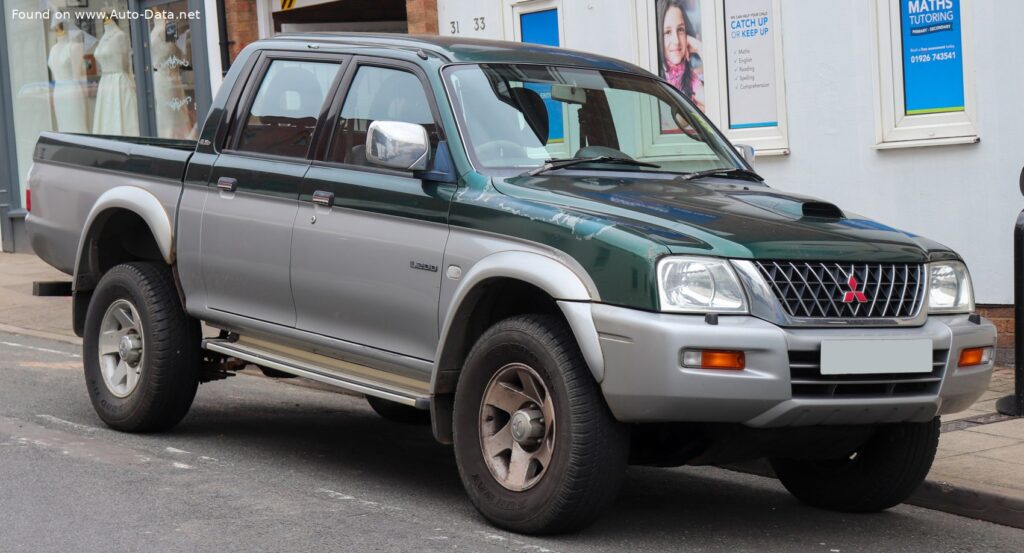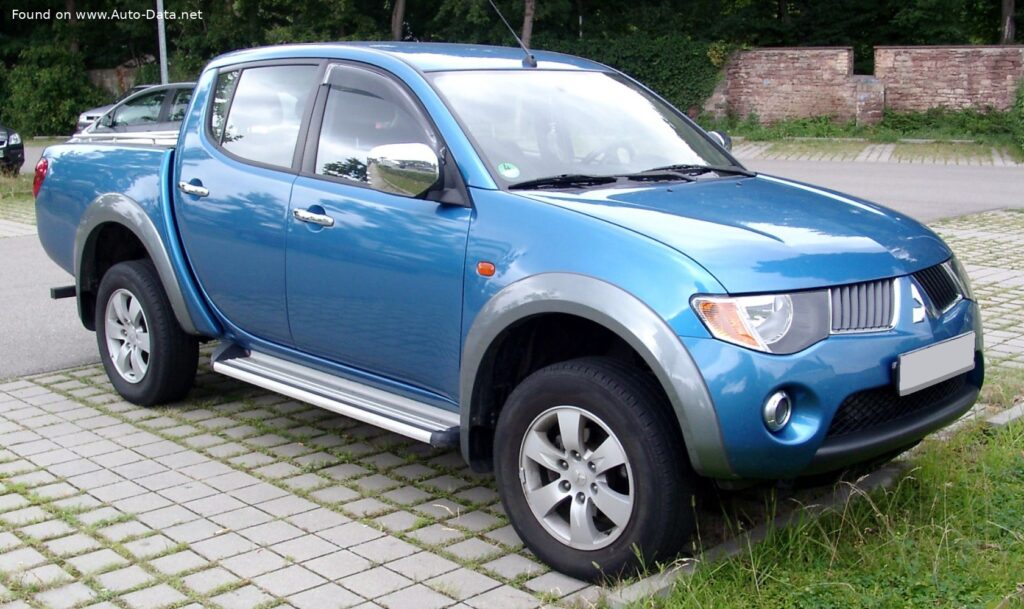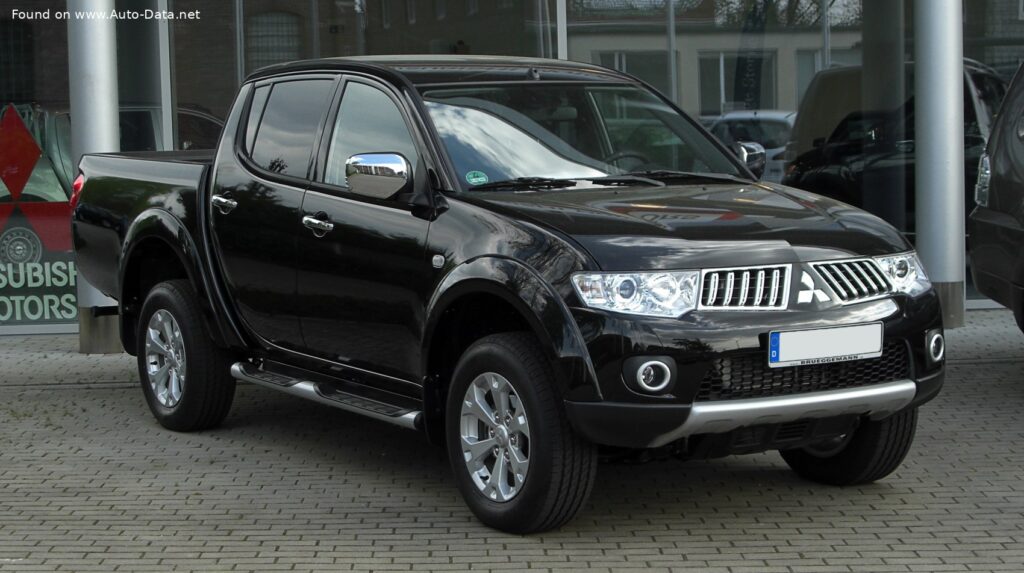
The Mitsubishi L200 VI Single Cab 2.4 MPI (128 Hp): A Global Workhorse
The Mitsubishi L200, known as the Triton in several markets, has long been a cornerstone of Mitsubishi Motors’ global utility vehicle lineup. The L200 VI Single Cab 2.4 MPI (128 Hp), introduced in 2023, represents the latest iteration of this robust and dependable pickup truck, specifically configured for demanding commercial and agricultural applications worldwide. While not typically sold in the North American market, where larger, more powerful pickups dominate, the L200 VI plays a crucial role in its primary markets across Asia, Europe, Africa, and Oceania, serving as an indispensable tool for businesses, farmers, and government agencies. This sixth-generation model continues Mitsubishi’s legacy of building durable, no-nonsense vehicles capable of tackling challenging terrains and heavy loads, emphasizing reliability, practicality, and cost-effectiveness in its design and engineering.
Engine and Performance: The Heart of the {original_title}
Under the hood of the Mitsubishi L200 VI Single Cab 2.4 MPI (128 Hp) lies a naturally aspirated 2.4-liter gasoline engine, designated by Mitsubishi as the Sirius / 4G64. This inline-four-cylinder powerplant is engineered for longevity and straightforward maintenance, qualities highly prized in utility vehicles operating in diverse conditions. Featuring a Double Overhead Camshaft (DOHC) valvetrain and multi-port manifold injection, the engine delivers a respectable 128 horsepower at 5250 rpm. Torque output stands at 143.09 lb.-ft. (194 Nm) at 4000 rpm, providing ample pulling power for its intended applications.
The engine’s displacement of 2351 cubic centimeters (approximately 143.47 cubic inches or 2.4 liters) combined with a compression ratio of 9:1 ensures a balance of efficiency and power suitable for a vehicle designed primarily for utility. Power is transmitted to the rear wheels via a durable 5-speed manual transmission, a common and reliable choice for work trucks that prioritize driver control and robustness. This rear-wheel-drive architecture, coupled with a sturdy chassis, makes the L200 VI Single Cab an ideal candidate for hauling goods and navigating rough terrain where traction and durability are paramount. Its weight-to-power ratio of 12.2 kg/Hp (82.1 Hp/tonne) and weight-to-torque ratio of 8 kg/Nm (124.4 Nm/tonne) underscore its design as a utilitarian vehicle rather than a speed demon, focusing instead on consistent, dependable performance under load.
Design and Features: Form Follows Function
The design of the Mitsubishi L200 VI Single Cab is dictated by its primary function as a work truck. It features a classic two-door, two-seat single cab configuration, maximizing the length of the cargo bed for enhanced load-carrying capacity. With an overall length of 207.28 inches (5265 mm), a width of 73.43 inches (1865 mm), and a height of 66.93 inches (1700 mm), the L200 VI presents a substantial yet maneuverable footprint. The generous wheelbase of 123.23 inches (3130 mm) contributes to vehicle stability, especially when laden.
Suspension components are engineered for durability and load-bearing. The front employs an independent coil spring double wishbone setup with a transverse stabilizer, offering a degree of comfort and control. In contrast, the rear features a rigid axle with leaf springs, a time-tested and robust solution for heavy-duty applications. This combination allows the L200 VI to absorb impacts from uneven surfaces and support its maximum payload of 2226.67 lbs (1010 kg) with confidence. Ground clearance stands at 7.87 inches (200 mm), providing sufficient capability for mild off-road excursions or navigating challenging worksites. The minimum turning circle of 41.34 feet (12.6 meters) ensures reasonable maneuverability in urban environments or tight construction sites.
Braking is handled by ventilated discs at the front and traditional drum brakes at the rear, a cost-effective and reliable setup for a utility vehicle of this class. An Anti-lock Braking System (ABS) is included as a standard assisting system, enhancing safety during emergency stops. The steering system is a hydraulic rack and pinion, providing direct feedback and robust operation, essential for a vehicle that might operate in challenging conditions. The L200 VI rides on 195/80 R15 tires mounted on 6J x 15 wheel rims, offering a practical blend of grip and durability.
Technical Specifications for the Mitsubishi L200 VI Single Cab 2.4 MPI (128 Hp)
| Category | Specification |
|---|---|
| Brand | Mitsubishi |
| Model | L200 VI Single Cab |
| Engine Type | 2.4 MPI (128 Hp) |
| Start of Production | 2023 |
| Powertrain Architecture | Internal Combustion Engine |
| Body Type | Pick-up |
| Seats | 2 |
| Doors | 2 |
| Performance Specs | |
| Fuel Type | Petrol (Gasoline) |
| Power | 128 Hp @ 5250 rpm |
| Torque | 143.09 lb.-ft. (194 Nm) @ 4000 rpm |
| Weight-to-power ratio | 12.2 kg/Hp (82.1 Hp/tonne) |
| Weight-to-torque ratio | 8 kg/Nm (124.4 Nm/tonne) |
| Engine Specs | |
| Engine Layout | Front, Longitudinal |
| Engine Model/Code | Sirius / 4G64 |
| Engine Displacement | 2.4 Liters (2351 cm3 / 143.47 cu. in.) |
| Number of Cylinders | 4 |
| Engine Configuration | Inline |
| Cylinder Bore | 3.41 in. (86.5 mm) |
| Piston Stroke | 3.94 in. (100 mm) |
| Compression Ratio | 9:1 |
| Valves per Cylinder | 4 |
| Fuel Injection System | Multi-port manifold injection |
| Engine Aspiration | Naturally aspirated |
| Valvetrain | DOHC |
| Engine Oil Capacity | 4.54 US qt (4.3 L) |
| Coolant Capacity | 7.4 US qt (7 L) |
| Space, Volume and Weights | |
| Kerb Weight | 3439.21 lbs (1560 kg) |
| Max. Weight | 5665.88 lbs (2570 kg) |
| Max Load | 2226.67 lbs (1010 kg) |
| Fuel Tank Capacity | 19.81 US gal (75 L) |
| Dimensions | |
| Length | 207.28 in. (5265 mm) |
| Width | 73.43 in. (1865 mm) |
| Height | 66.93 in. (1700 mm) |
| Wheelbase | 123.23 in. (3130 mm) |
| Front Track | 62.4 in. (1585 mm) |
| Rear Track | 62.2 in. (1580 mm) |
| Front Overhang | 35.04 in. (890 mm) |
| Rear Overhang | 49.02 in. (1245 mm) |
| Ride Height (Ground Clearance) | 7.87 in. (200 mm) |
| Minimum Turning Circle | 41.34 ft. (12.6 m) |
| Approach Angle | 23.5° |
| Departure Angle | 18.8° |
| Drivetrain, Brakes and Suspension Specs | |
| Drivetrain Architecture | Rear Wheel Drive (ICE drives rear wheels) |
| Drive Wheel | Rear wheel drive |
| Gearbox Type | 5 gears, manual transmission |
| Front Suspension | Double wishbone, Independent coil spring, Transverse stabilizer |
| Rear Suspension | Rigid axle suspension, Leaf spring |
| Front Brakes | Ventilated discs, 275 mm |
| Rear Brakes | Drum, 254 mm |
| Assisting Systems | |
| ABS | Yes (Anti-lock braking system) |
| Steering Type | Steering rack and pinion |
| Power Steering | Hydraulic Steering |
| Tire Size | 195/80 R15 |
| Wheel Rims Size | 6J x 15 |
Legacy and Market Impact of the Mitsubishi L200 VI Single Cab
The Mitsubishi L200, or Triton, has cultivated a formidable reputation over decades as a highly reliable and durable pickup truck across numerous international markets. The L200 VI Single Cab 2.4 MPI (128 Hp) continues this legacy, specifically targeting segments that require a robust, no-frills workhorse. Its primary market impact is seen in regions where commercial vehicles are essential for economic activity, often operating in challenging conditions ranging from unpaved rural roads to demanding construction sites.
In these markets, the L200 VI competes fiercely with other established utility pickups such as the Toyota Hilux, Isuzu D-Max, international Ford Ranger, and Nissan Navara. What sets the L200 apart is its consistent emphasis on durability, low running costs, and straightforward mechanicals, which are critical for owners who prioritize uptime and ease of maintenance. The choice of a naturally aspirated gasoline engine and a manual transmission, while less common in modern Western markets, is a deliberate strategy to offer a dependable, easily repairable vehicle that can be serviced in regions with limited access to advanced diagnostic equipment or specialized parts.
The single cab configuration is particularly significant, as it maximizes the bed length and payload capacity, making it an ideal choice for tradesmen, agricultural workers, and small businesses that need to transport significant quantities of goods or equipment. Its robust suspension, decent ground clearance, and reliable rear-wheel-drive system ensure it can handle heavy loads and navigate varied terrain, albeit without the extreme off-road prowess of its 4×4 brethren. The inclusion of ABS is a nod to modern safety standards, providing a crucial safety net for a vehicle designed to carry heavy loads.
Overall, the Mitsubishi L200 VI Single Cab 2.4 MPI (128 Hp) is more than just a truck; it’s an economic enabler in many parts of the world. It embodies Mitsubishi’s engineering philosophy of creating practical, long-lasting vehicles that serve their purpose without unnecessary complexity. Its continued production and evolution underscore the enduring global demand for a reliable, capable, and affordable utility pickup, cementing its status as a vital component of Mitsubishi’s international product portfolio.