Mitsubishi Lancer Evolution VI: A Rally Icon
The Mitsubishi Lancer Evolution VI, often referred to simply as the Evo VI, stands as a formidable chapter in the storied history of high-performance rally-bred sedans. Produced by Mitsubishi Motors from 1999 to 2001, this sixth iteration of the Lancer Evolution series continued the lineage of homologation specials designed to dominate the grueling stages of the World Rally Championship (WRC). While never officially sold through Mitsubishi dealerships in the United States, the Evo VI carved out a legendary reputation in its primary markets of Japan and Europe, becoming a highly sought-after “forbidden fruit” for enthusiasts worldwide. It represented the pinnacle of Mitsubishi’s engineering prowess during a golden era of rally racing, combining a potent turbocharged engine with an exceptionally sophisticated all-wheel-drive system to deliver blistering performance and razor-sharp handling in a compact, four-door sedan package.
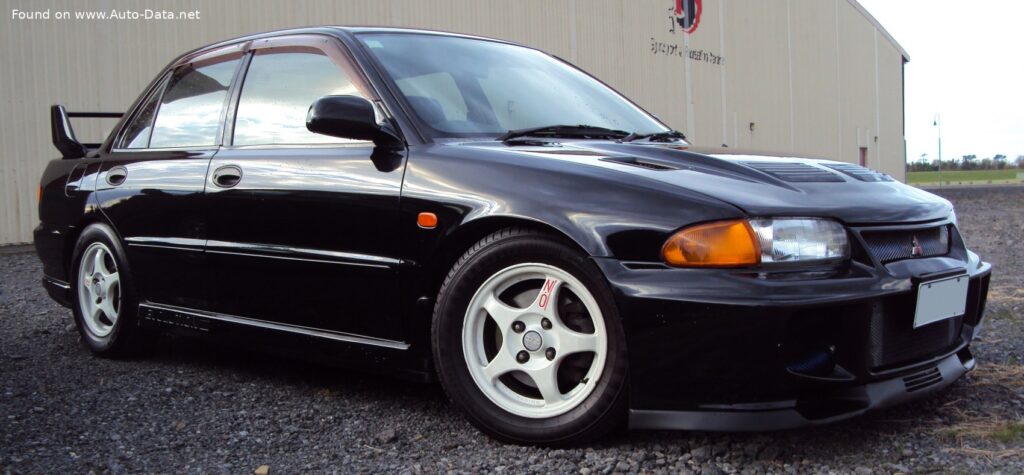
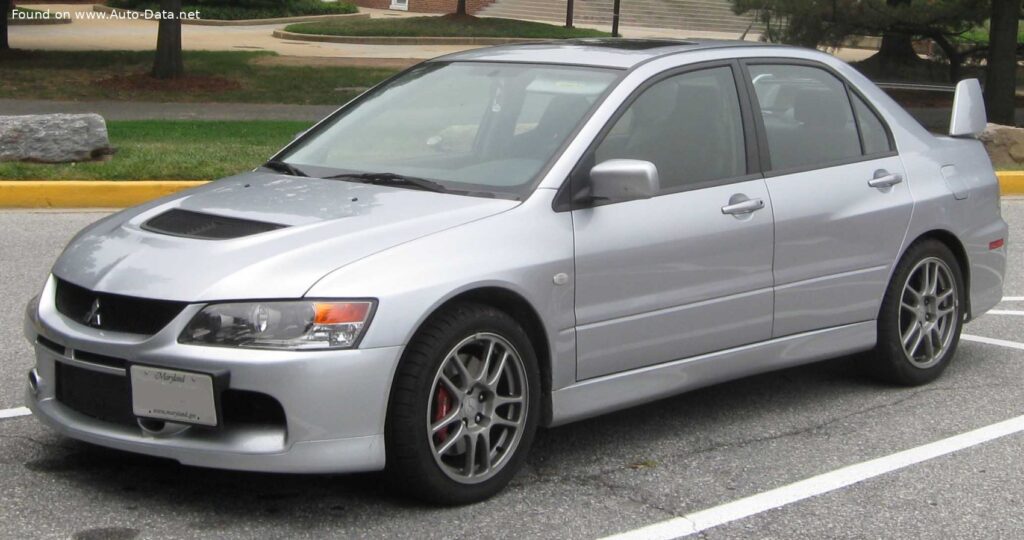
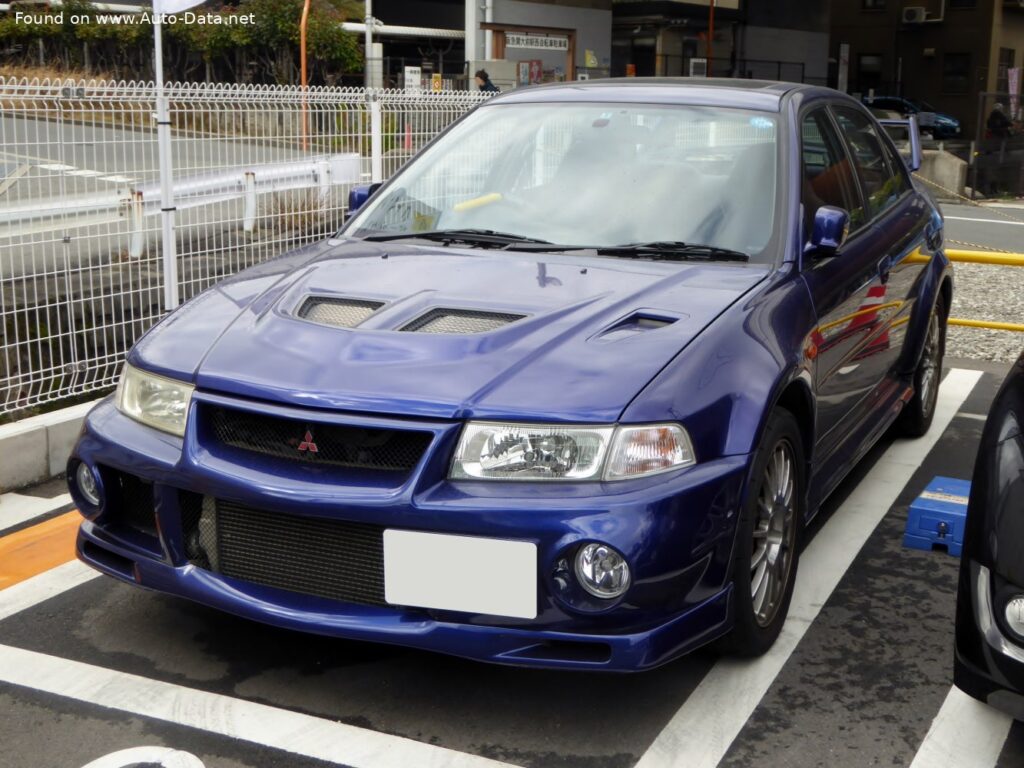
Building upon the successes of its predecessors, the Evolution VI refined an already potent formula, introducing subtle yet significant enhancements in aerodynamics, cooling, and chassis rigidity. Its aggressive styling, characterized by large air intakes, flared fenders, and an iconic rear wing, was not merely cosmetic but entirely functional, designed to optimize airflow and stability at high speeds. The car was a direct competitor to the Subaru Impreza WRX STI, fueling one of the most intense rivalries in automotive and motorsport history. For many, the Mitsubishi Lancer Evolution VI embodies the raw, uncompromised spirit of rally racing translated into a street-legal machine, making it a revered classic among performance car aficionados.
Engine and Performance of the Mitsubishi Lancer Evolution VI
At the heart of the Mitsubishi Lancer Evolution VI lies the legendary 4G63T engine, a 2.0-liter (1997 cm3 or 121.86 cu. in.) inline-four powerplant that had been meticulously refined over successive Evolution generations. This engine, known for its robust construction and immense tuning potential, featured a DOHC (Dual OverHead Camshaft) valvetrain with four valves per cylinder, ensuring efficient breathing. Fuel was delivered via a multi-port manifold injection system, while a large turbocharger and intercooler provided forced induction, dramatically boosting power output. The compression ratio stood at 8.8:1, a common figure for turbocharged engines designed to balance power and reliability.
The 4G63T in the Evo VI generated an impressive 280 horsepower at 6500 rpm. This figure famously adhered to the “gentleman’s agreement” among Japanese manufacturers to limit advertised horsepower, though it was widely believed that the actual output was closer to 300 hp. Torque was equally significant, peaking at 275.11 lb.-ft. (373 Nm) at a relatively low 2750 rpm, providing a broad powerband and instant throttle response crucial for rally stages and spirited driving alike. This formidable power-to-weight ratio of 205.9 Hp per tonne (or 4.9 kg/Hp) allowed the Evo VI to achieve phenomenal acceleration figures.
Paired with a precise 5-speed manual transmission, the powertrain propelled the Evo VI from 0 to 60 mph in a breathtaking 4.7 seconds (calculated), with 0-62 mph (0-100 km/h) taking just 4.9 seconds. Its top speed was electronically limited to 155.34 mph (250 km/h), a common practice for Japanese performance vehicles of the era. Power was routed to all four wheels through Mitsubishi’s renowned full-time all-wheel-drive system, which in the Evo VI incorporated advanced technologies like Active Yaw Control (AYC) to intelligently distribute torque between the rear wheels, enhancing cornering ability and traction. This sophisticated drivetrain architecture ensured that the car could put its power down effectively in a variety of conditions, from tarmac to gravel.
Design and Features
The Mitsubishi Lancer Evolution VI maintained the practical four-door sedan body style, offering seating for five occupants, a testament to its dual role as both a performance machine and a usable road car. However, its design was anything but subtle. The Evo VI featured a highly aggressive aesthetic, driven by aerodynamic and cooling requirements for rally competition. The front fascia was particularly distinctive, boasting a large, redesigned bumper with prominent air intakes for the intercooler and radiator, along with fog lights that were moved to the corners to improve airflow. The flared wheel arches accommodated wider tires and gave the car a muscular stance.
Aerodynamic enhancements continued with side skirts and a substantial rear wing, which was redesigned for the Evo VI to provide optimized downforce without significantly increasing drag. The overall length of the vehicle measured 171.26 inches (4350 mm), with a width of 69.69 inches (1770 mm) and a height of 55.31 inches (1405 mm). Its compact dimensions, combined with a wheelbase of 98.82 inches (2510 mm), contributed to its agile handling characteristics. The curb weight of 2998.29 lbs (1360 kg) was remarkably light for an AWD sedan, further aiding its performance capabilities.
Underneath its purposeful exterior, the Evo VI featured a highly capable chassis. The suspension system comprised independent McPherson struts at the front and an independent multi-link setup at the rear, both enhanced with transverse stabilizers to minimize body roll and improve handling precision. Stopping power came from large, ventilated disc brakes on all four wheels, assisted by an Anti-lock Braking System (ABS) for enhanced control during hard braking. The car rode on 225/45 R17 tires mounted on 7.5J x 17-inch wheel rims, providing excellent grip. The steering system was a hydraulic rack and pinion setup, offering direct feedback to the driver, a crucial element for a car built with motorsport in mind. The interior, while functional, featured sport-oriented seats and a driver-focused cockpit, reinforcing its performance intentions.
Technical Specifications
| Category | Specification |
|---|---|
| General Information | |
| Brand | Mitsubishi |
| Model | Lancer Evolution VI |
| Type (Engine) | 2.0 (280 Hp) 4WD |
| Production Start | 1999 |
| Production End | 2001 |
| Powertrain Architecture | Internal Combustion Engine |
| Body Type | Sedan |
| Seats | 5 |
| Doors | 4 |
| Performance Specs | |
| Fuel Type | Petrol (Gasoline) |
| Acceleration 0-60 mph | 4.7 sec |
| Acceleration 0-62 mph (0-100 km/h) | 4.9 sec |
| Maximum Speed | 155.34 mph (250 km/h) |
| Weight-to-Power Ratio | 4.9 kg/Hp, 205.9 Hp/tonne |
| Weight-to-Torque Ratio | 3.6 kg/Nm, 274.3 Nm/tonne |
| Engine Specs | |
| Power | 280 Hp @ 6500 rpm |
| Power per liter | 140.2 Hp/l |
| Torque | 275.11 lb.-ft. (373 Nm) @ 2750 rpm |
| Engine Layout | Front, Transverse |
| Engine Model/Code | 4G63T |
| Engine Displacement | 2.0 liters (1997 cm3 / 121.86 cu. in.) |
| Number of Cylinders | 4 |
| Engine Configuration | Inline |
| Cylinder Bore | 3.35 in. (85 mm) |
| Piston Stroke | 3.46 in. (88 mm) |
| Compression Ratio | 8.8:1 |
| Valves per Cylinder | 4 |
| Fuel Injection System | Multi-port manifold injection |
| Engine Aspiration | Turbocharger, Intercooler |
| Valvetrain | DOHC |
| Engine Oil Capacity | 5.39 US qt (5.1 l) |
| Coolant Capacity | 6.34 US qt (6 l) |
| Space, Volume, and Weights | |
| Kerb Weight | 2998.29 lbs (1360 kg) |
| Fuel Tank Capacity | 13.21 US gal (50 l) |
| Dimensions | |
| Length | 171.26 in. (4350 mm) |
| Width | 69.69 in. (1770 mm) |
| Height | 55.31 in. (1405 mm) |
| Wheelbase | 98.82 in. (2510 mm) |
| Front Track | 59.45 in. (1510 mm) |
| Rear Track | 59.25 in. (1505 mm) |
| Ride Height (Ground Clearance) | 5.51 in. (140 mm) |
| Minimum Turning Circle | 36.09 ft. (11 m) |
| Drivetrain, Brakes, and Suspension | |
| Drivetrain Architecture | Permanent All-Wheel Drive (ICE drives all four wheels) |
| Drive Wheel | All-Wheel Drive (4×4) |
| Gearbox Type | 5-speed Manual Transmission |
| Front Suspension | Independent McPherson, Transverse Stabilizer |
| Rear Suspension | Independent Multi-link Suspension, Transverse Stabilizer |
| Front Brakes | Ventilated Discs |
| Rear Brakes | Ventilated Discs |
| Assisting Systems | ABS (Anti-lock Braking System) |
| Steering Type | Steering Rack and Pinion |
| Power Steering | Hydraulic Steering |
| Tires Size | 225/45 R17 |
| Wheel Rims Size | 7.5J x 17 |
Legacy and Market Impact
The Mitsubishi Lancer Evolution VI holds a significant place in automotive history, particularly within the world of rally racing and high-performance JDM (Japanese Domestic Market) vehicles. Its reputation was forged on the rally stages, where it served as the homologation model for Mitsubishi Ralliart’s World Rally Championship entries. The Evo VI, in particular, is synonymous with Finnish rally legend Tommi Mäkinen, who piloted various Evolution models to four consecutive WRC Drivers’ Championships from 1996 to 1999. The Evo VI was the car that secured Mäkinen’s final championship in 1999, cementing its status as a true motorsport icon. Mitsubishi even released a special “Tommi Mäkinen Edition” (TME) of the Evo VI in 2000, featuring a unique front bumper, 17-inch Enkei wheels, a titanium turbocharger, and a lowered ride height, further celebrating its rally heritage.
In its primary markets, the Evo VI was a direct and fierce competitor to the Subaru Impreza WRX STI. This rivalry captivated enthusiasts and drove both manufacturers to continually push the boundaries of performance and technology. While the Subaru was often praised for its boxer engine’s unique sound and lower center of gravity, the Evo VI was renowned for its sharper handling, more aggressive styling, and the sheer potency of its 4G63T engine and advanced AWD system. The “Evo vs. STI” debate remains a passionate topic among car enthusiasts to this day.
Despite never being officially imported into the United States, the Mitsubishi Lancer Evolution VI developed a cult following among American enthusiasts through magazine features, video games, and “grey market” imports. Its rarity and rally pedigree made it an aspirational vehicle, contributing to the eventual official importation of later Evolution generations (the Evo VIII onwards) into the U.S. market. The Evo VI’s impact extended beyond the rally circuit; it became a benchmark for compact performance sedans, showcasing how advanced engineering in a relatively small package could deliver supercar-baiting performance. Today, the Mitsubishi Lancer Evolution VI is highly collectible, celebrated for its raw driving experience, its iconic rally heritage, and its enduring legacy as one of the most exciting and influential performance cars of its era.