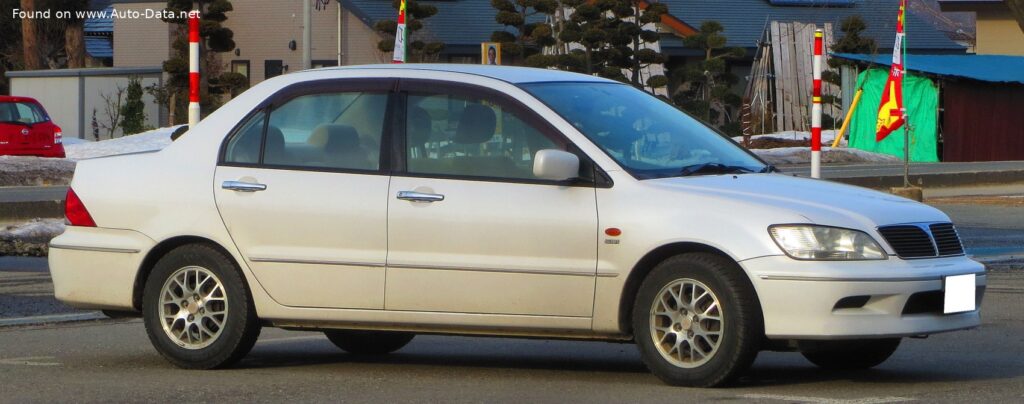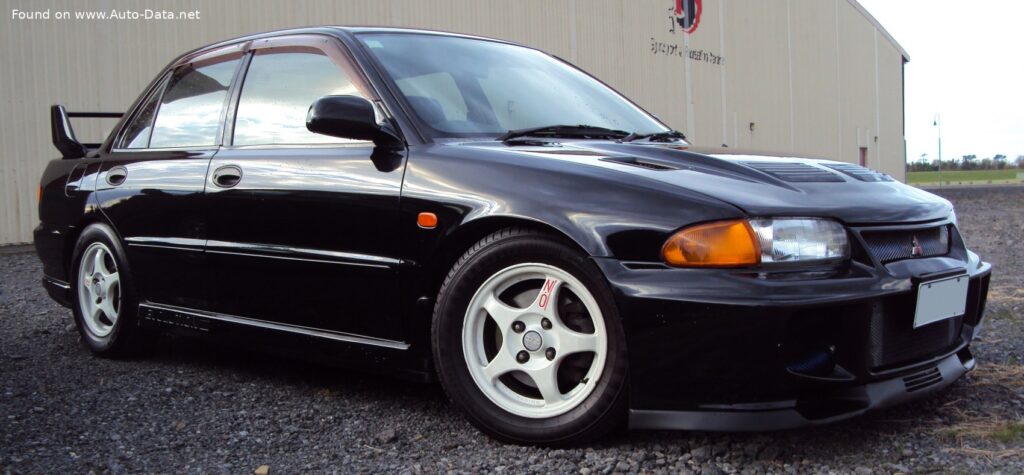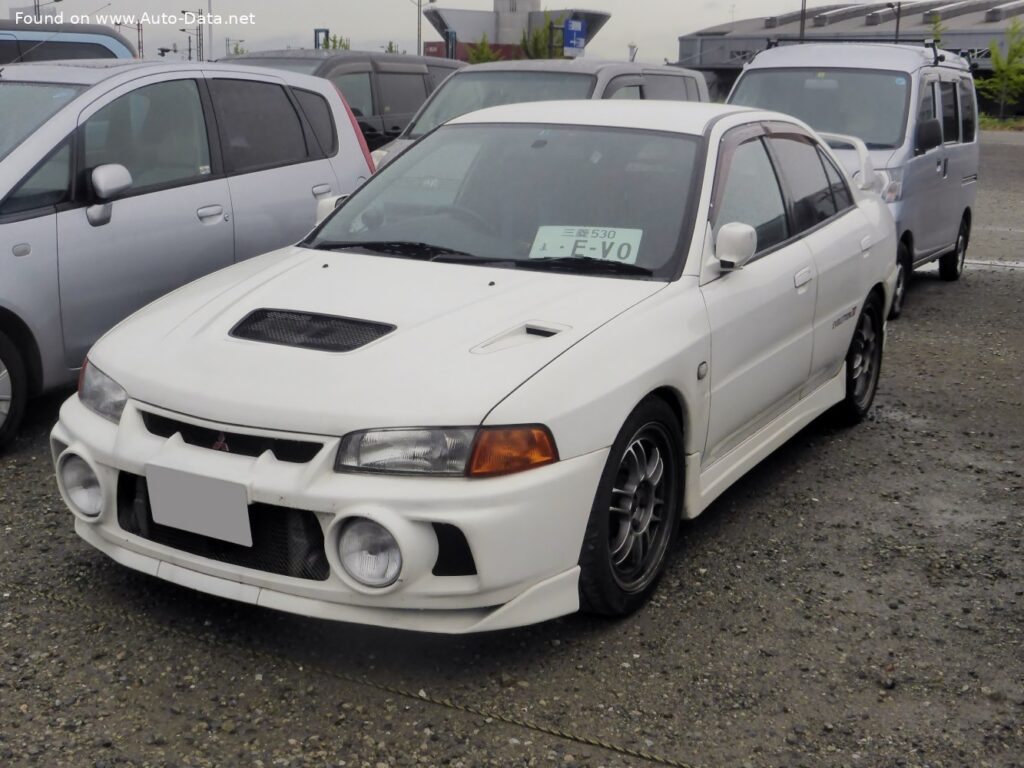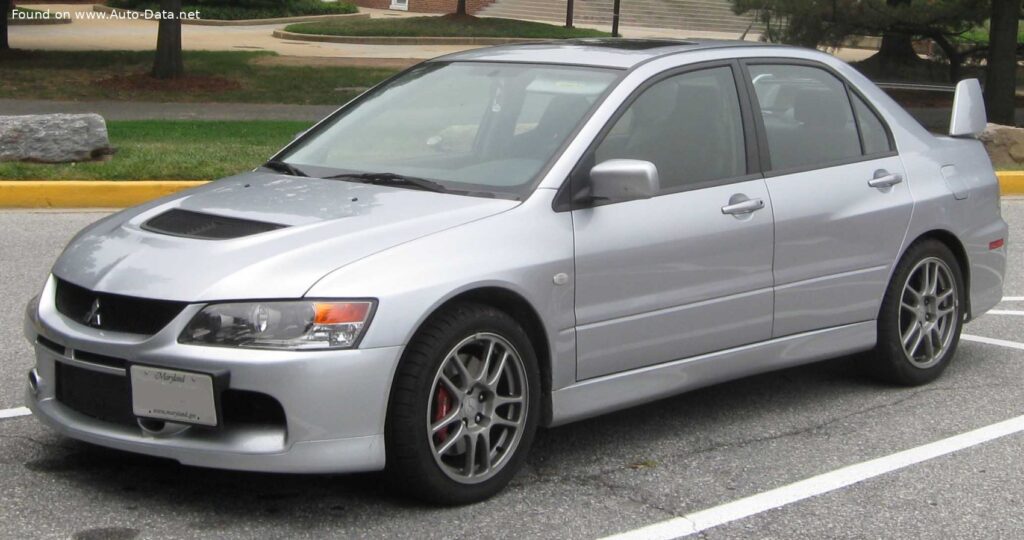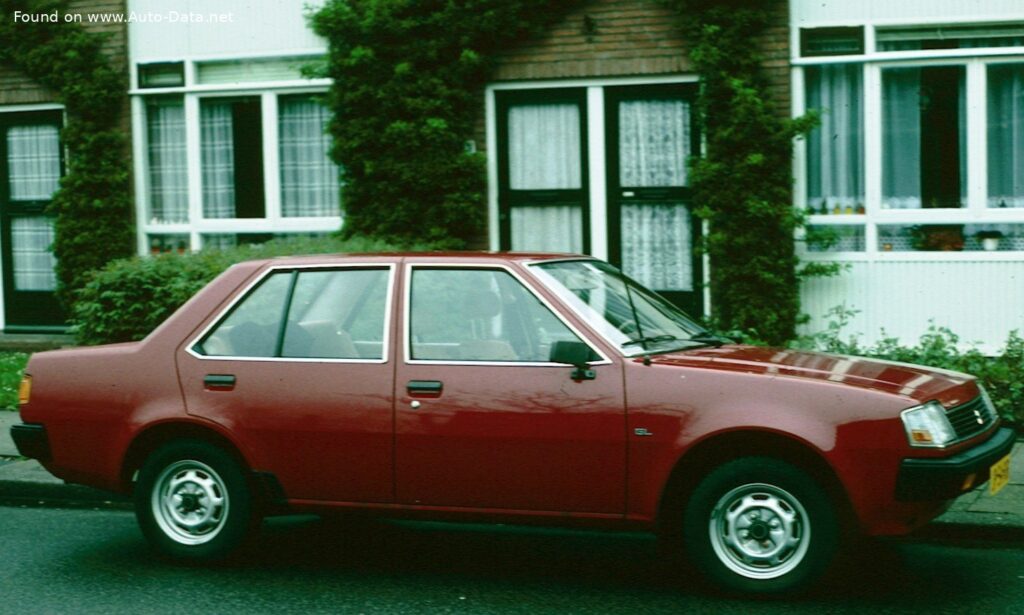
Introduction to the Mitsubishi Lancer Fiore II 1.4 (105 Hp)
The Mitsubishi Lancer, a nameplate synonymous with compact automotive prowess and rally heritage, has a rich and varied history spanning multiple generations and market-specific variants. Among these, the Mitsubishi Lancer Fiore II 1.4 (105 Hp) stands as a distinct, albeit short-lived, iteration from the early 1980s. Produced for a brief period between 1983 and 1984, the Lancer Fiore II represented a specialized take on Mitsubishi’s popular compact sedan platform, primarily targeted at the Japanese domestic market (JDM) and potentially certain Asian or European regions.
The “Fiore” designation, meaning “flower” in Italian, often indicated a more refined, upscale, or aesthetically distinct version of the standard Lancer, emphasizing comfort and style within its compact footprint. The “II” denotes this as the second generation of this particular sub-series. While the core Lancer platform enjoyed global success, frequently rebadged as models like the Dodge Colt or Plymouth Champ in North America, the Fiore II nameplate itself was not typically offered in the United States. Nevertheless, its underlying engineering and design principles reflect Mitsubishi’s global strategy for compact cars during a pivotal era for Japanese automotive innovation. This article delves into the specifics of this intriguing model, focusing on its technical characteristics, design ethos, and its place within the broader automotive landscape of the early 1980s.
Engine and Performance of the Mitsubishi Lancer Fiore II
Powertrain Architecture and Output
Under the hood, the Mitsubishi Lancer Fiore II 1.4 (105 Hp) featured a robust and remarkably peppy internal combustion engine for its time: a 1.4-liter (1397 cc, to be precise) naturally aspirated gasoline unit. Generating a respectable 105 horsepower, this engine was a testament to Mitsubishi’s engineering capabilities in the compact segment of the early 1980s. To put this in context, many contemporary 1.5-liter or even 1.6-liter engines from rival manufacturers often produced similar or even less power. The Lancer Fiore II’s 1.4-liter engine, therefore, offered a surprisingly spirited performance relative to its displacement and the prevailing standards of the era.
The choice of a naturally aspirated design meant a linear power delivery, predictable response, and a focus on efficiency and reliability—qualities highly valued in the compact car segment. While specific torque figures are not provided, an engine producing 105 horsepower from 1.4 liters would typically have a healthy torque curve, making it capable of confident urban driving and adequate highway cruising. This configuration allowed the Fiore II to strike a commendable balance between fuel economy, a crucial factor during the post-oil crisis era, and sufficient performance for daily driving. It likely featured advanced (for the time) multi-valve technology or sophisticated carburetor tuning to extract such power efficiently, contributing to its competitive edge. The powertrain architecture, being a conventional front-engine setup, ensured familiar handling characteristics and ease of maintenance.
Design and Features
Classic Early 1980s Sedan Aesthetics and Functionality
The Mitsubishi Lancer Fiore II adopted the classic sedan body type, a practical and widely accepted form factor for family and commuter vehicles in the early 1980s. Its design language was characteristic of Japanese automobiles of that period: clean lines, a somewhat boxy silhouette, and an emphasis on functionalism over overt styling flourishes. Aerodynamics were beginning to influence automotive design, though the Fiore II would likely have featured more angular forms compared to the smoother, more rounded shapes that would become prevalent later in the decade.
Inside, the Lancer Fiore II would have prioritized practicality and durability. Seating for five passengers, straightforward instrumentation, and robust fabric or vinyl upholstery would have been standard. Features common in compact cars of this vintage included manual windows, a basic heating and ventilation system, and perhaps an AM/FM radio as a standard or optional extra. Power steering, while not universal in compacts, might have been an option, especially for higher trims. Safety features, by modern standards, were rudimentary, typically comprising three-point seatbelts for front occupants and lap belts for rear passengers, along with a rigid body structure designed to meet contemporary crash standards. The “Fiore” designation might have implied slightly more refined interior trim, additional sound deadening, or perhaps unique exterior accents to differentiate it from more basic Lancer models. Its compact dimensions would have made it agile in urban environments and easy to park, fulfilling its role as an efficient personal or family transporter.
Technical Specifications
| Category | Specification |
|---|---|
| Brand | Mitsubishi |
| Model | Lancer |
| Generation | Lancer Fiore II |
| Type (Engine) | 1.4 (105 Hp) |
| Start of Production | 1983 year |
| End of Production | 1984 year |
| Powertrain Architecture | Internal Combustion engine |
| Body Type | Sedan |
| Fuel Type | Petrol (Gasoline) |
| Power | 105 Hp |
| Engine Aspiration | Naturally aspirated engine |
Legacy and Market Impact
The Mitsubishi Lancer Fiore II, despite its brief production run from 1983 to 1984, played a specific role within Mitsubishi’s diverse Lancer lineup. Its short lifespan suggests it may have been an interim model, a specific regional variant, or a limited-edition offering within the broader third-generation Lancer (often referred to as the Lancer EX in some markets, or the A170/C10/C30 series globally). In its primary markets, likely Japan and parts of Asia, the Fiore II would have competed fiercely in the compact sedan segment, a highly competitive arena dominated by perennial bestsellers like the Toyota Corolla, Nissan Sunny (Sentra in North America), and Honda Civic.
The Lancer Fiore II’s reputation would have been built on Mitsubishi’s established strengths: reliability, efficiency, and a robust build quality. The 1.4-liter engine’s impressive 105 horsepower output would have given it a distinct performance advantage over many of its direct competitors, positioning it as a potentially sportier or more engaging option for drivers who valued a bit more punch from their compact sedan. This early emphasis on engine performance in a compact car foreshadowed Mitsubishi’s later success with high-performance variants of the Lancer, particularly the Lancer Evolution series.
While the Lancer Fiore II nameplate was not directly marketed in the United States, its mechanical underpinnings and design philosophy were certainly familiar to American consumers through Mitsubishi’s strategic alliances. During this period, Mitsubishi supplied vehicles and platforms to Chrysler, leading to models like the Dodge Colt and Plymouth Champ, which shared much of their DNA with the global Lancer. Thus, while the “Fiore II” remains a more obscure name for those outside its primary markets, its technological advancements and design principles contributed to the broader evolution of compact cars that did reach American shores, albeit under different badges.
In hindsight, the Lancer Fiore II represents a fascinating snapshot of Mitsubishi’s product strategy in the early 1980s—a period of rapid technological advancement and market diversification for Japanese automakers. It demonstrated Mitsubishi’s ability to extract significant power from small-displacement engines and to offer specialized variants tailored to specific market demands, even if for a limited time. Its legacy lies in its contribution to the Lancer’s enduring reputation as a versatile and capable compact vehicle, paving the way for future generations that would leave an indelible mark on the automotive world.