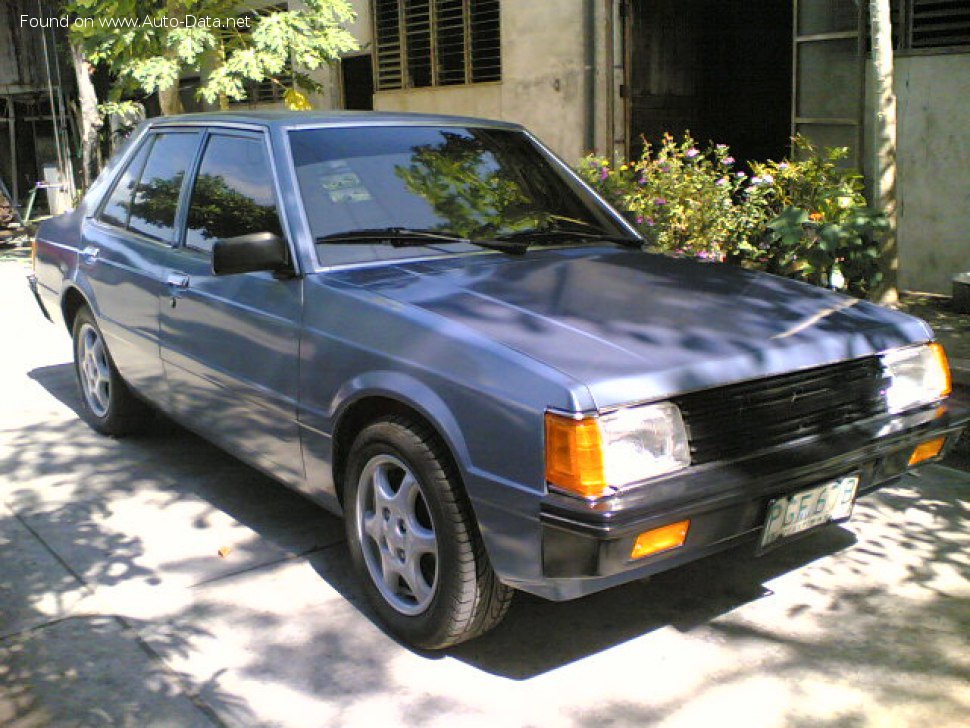
The Mitsubishi Lancer II 1.6 (82 Hp): A Global Compact Sedan from the Early 1980s
The Mitsubishi Lancer II 1.6 (82 Hp) represents the second generation of Mitsubishi’s highly successful compact car, produced between 1979 and 1983. Launched at the cusp of a new automotive decade, this iteration, often referred to as the Lancer EX in certain markets, built upon the foundation of its predecessor while introducing more contemporary styling and refined engineering. Positioned as a practical and economical family sedan, the Lancer II was a crucial model for Mitsubishi’s global expansion, offering a compelling blend of reliability, efficiency, and straightforward design. While not a high-performance machine, the 1.6-liter variant with 82 horsepower provided adequate motivation for daily driving, embodying the typical characteristics of Japanese compacts during an era of increasing fuel consciousness and evolving emission standards. Its rear-wheel-drive architecture, a carryover from the first generation, offered a traditional driving feel that appealed to many buyers worldwide.
Engine and Performance of the Mitsubishi Lancer II 1.6 (82 Hp)
Under the hood, the Mitsubishi Lancer II 1.6 (82 Hp) featured Mitsubishi’s robust 4G32 engine, a naturally aspirated, inline four-cylinder unit with a single overhead camshaft (SOHC) valvetrain and two valves per cylinder. Displacing 1,597 cubic centimeters (97.45 cu. in.), this engine was designed for durability and efficiency rather than outright speed. It produced a respectable 82 horsepower at 5,500 revolutions per minute (rpm) and 85.56 lb.-ft. of torque at 3,500 rpm. This power output translated to a power per liter figure of 51.3 horsepower, which was competitive for its time.
Fuel delivery was managed by a carburetor system, typical for vehicles of this vintage, providing a reliable if less precise method of fuel-air mixing compared to later fuel injection systems. The engine’s compression ratio stood at 9.5:1, contributing to its modest but consistent performance. Power was sent to the rear wheels via a five-speed manual transmission, offering a more engaging driving experience and better fuel economy than the common four-speed units of the period. This powertrain allowed the Lancer II 1.6 to reach a maximum speed of 99.42 mph (160 km/h), making it suitable for highway cruising.
The vehicle’s weight-to-power ratio was 11.9 kg/Hp (84.1 Hp/tonne), and its weight-to-torque ratio was 8.4 kg/Nm (119 Nm/tonne). With a curb weight of 2,149.51 lbs. (975 kg), the Lancer II 1.6 was a relatively light vehicle, which helped it achieve its performance figures and contribute to its reputation for economical operation. The front, longitudinal engine layout, coupled with rear-wheel drive, provided a balanced chassis, making the Lancer II a predictable and manageable car to drive, especially for a family sedan of its era.
Design and Features
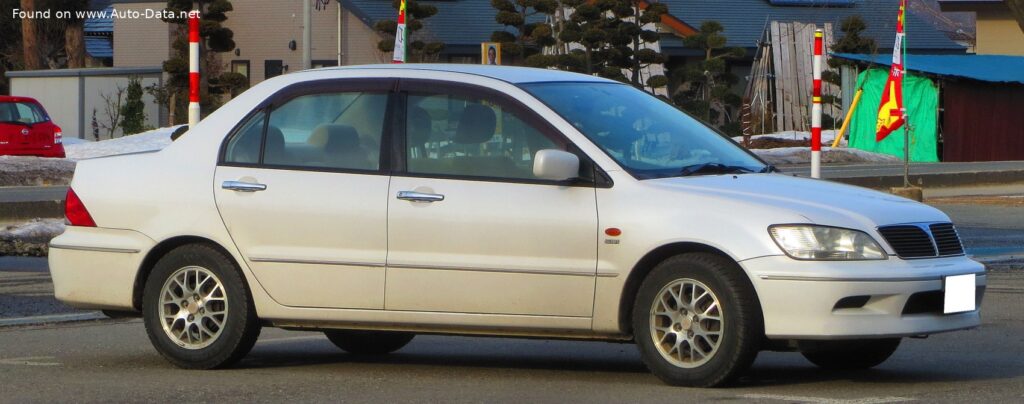
The Mitsubishi Lancer II, specifically the 1.6 (82 Hp) variant, was offered as a four-door sedan, a popular body style for families and general commuters in the late 1970s and early 1980s. Its design represented a departure from the more angular styling of the first generation, adopting a slightly softer, more aerodynamic profile that was in vogue during its production run. The overall aesthetic was clean, functional, and unpretentious, reflecting the practical nature of the vehicle.
Measuring 166.34 inches (4225 mm) in length, 63.78 inches (1620 mm) in width, and 54.53 inches (1385 mm) in height, the Lancer II was a compact car by modern standards, yet it offered comfortable seating for five occupants. Its wheelbase of 96.06 inches (2440 mm) provided a stable ride, while the 6.5-inch (165 mm) ground clearance made it suitable for various road conditions. The interior was designed with simplicity and user-friendliness in mind, featuring durable materials and a straightforward dashboard layout.
In terms of chassis and suspension, the Lancer II utilized an independent McPherson strut setup at the front, a common and effective design for compact cars, offering a good balance of ride comfort and handling. The rear featured an independent coil spring and trailing arm suspension, which was a relatively sophisticated setup for a car in its class at the time, contributing to improved ride quality and road holding compared to simpler solid-axle designs. Braking duties were handled by disc brakes at the front and drum brakes at the rear, a standard configuration that provided reliable stopping power. The steering system was a cone worm with recirculation balls, offering a direct feel typical of the era. The 13.21 US gallon (50 l) fuel tank provided a decent range for extended travel.
Technical Specifications
| Category | Specification | US Equivalent |
|---|---|---|
General Information |
||
| Brand | Mitsubishi | |
| Model | Lancer | |
| Generation | Lancer II | |
| Type (Engine) | 1.6 (82 Hp) | |
| Start of Production | 1979 year | |
| End of Production | 1983 year | |
| Powertrain Architecture | Internal Combustion engine | |
| Body type | Sedan | |
| Seats | 5 | |
| Doors | 4 | |
Performance Specs |
||
| Fuel Type | Petrol (Gasoline) | |
| Maximum speed | 160 km/h | 99.42 mph |
| Weight-to-power ratio | 11.9 kg/Hp | |
| Weight-to-torque ratio | 8.4 kg/Nm | |
Engine Specs |
||
| Power | 82 Hp @ 5500 rpm | |
| Power per liter | 51.3 Hp/l | |
| Torque | 116 Nm @ 3500 rpm | 85.56 lb.-ft. @ 3500 rpm |
| Engine layout | Front, Longitudinal | |
| Engine Model/Code | 4G32 | |
| Engine displacement | 1597 cm3 | 1.6 liters (97.45 cu. in.) |
| Number of cylinders | 4 | |
| Engine configuration | Inline | |
| Cylinder Bore | 76.9 mm | 3.03 in. |
| Piston Stroke | 86 mm | 3.39 in. |
| Compression ratio | 9.5:1 | |
| Number of valves per cylinder | 2 | |
| Fuel injection system | Carburettor | |
| Engine aspiration | Naturally aspirated engine | |
| Valvetrain | SOHC | |
| Engine oil capacity | 4 l | 4.23 US qt |
| Coolant | 6.5 l | 6.87 US qt |
Space, Volume and Weights |
||
| Kerb Weight | 975 kg | 2149.51 lbs. |
| Max. weight | 1440 kg | 3174.66 lbs. |
| Max load | 465 kg | 1025.15 lbs. |
| Fuel tank capacity | 50 l | 13.21 US gal |
| Permitted trailer load with brakes (12%) | 900 kg | 1984.16 lbs. |
| Permitted trailer load without brakes | 550 kg | 1212.54 lbs. |
Dimensions |
||
| Length | 4225 mm | 166.34 in. |
| Width | 1620 mm | 63.78 in. |
| Height | 1385 mm | 54.53 in. |
| Wheelbase | 2440 mm | 96.06 in. |
| Front track | 1335 mm | 52.56 in. |
| Rear (Back) track | 1325 mm | 52.17 in. |
| Front overhang | 750 mm | 29.53 in. |
| Rear overhang | 1035 mm | 40.75 in. |
| Ride height (ground clearance) | 165 mm | 6.5 in. |
| Minimum turning circle (turning diameter) | 9.6 m | 31.5 ft. |
| Climb angle | 20.81° | |
Drivetrain, Brakes and Suspension Specs |
||
| Drivetrain Architecture | The Internal combustion engine (ICE) drives the rear wheels of the vehicle. | Rear-wheel drive |
| Drive wheel | Rear wheel drive | |
| Number of gears and type of gearbox | 5 gears, manual transmission | |
| Front suspension | Independent type McPherson | |
| Rear suspension | Independent coil spring, Trailing arm | |
| Front brakes | Disc | |
| Rear brakes | Drum | |
| Steering type | Cone worm with recirculation balls | |
Legacy and Market Impact
The Mitsubishi Lancer II, particularly the 1.6 (82 Hp) variant, played a pivotal role in Mitsubishi’s strategy to establish itself as a formidable global automaker. While specific sales figures for this exact trim in the United States are less prominent, due to Mitsubishi’s varied market strategies and partnerships (such as with Chrysler) during this period, the Lancer nameplate generally performed well in its primary markets, which included Japan, Southeast Asia, Europe, and Australia. In many of these regions, it was a direct competitor to other popular compact sedans like the Toyota Corolla, Nissan Sunny (Sentra), and Honda Civic of the same era.
Its reputation was built on reliability, fuel efficiency (especially important during the oil crises of the 1970s), and a practical, no-nonsense approach to motoring. The Lancer II showcased Mitsubishi’s growing engineering prowess, offering a durable powertrain and a relatively advanced independent rear suspension for its class. This generation helped solidify Mitsubishi’s brand image as a producer of dependable and value-for-money vehicles, paving the way for future successes.
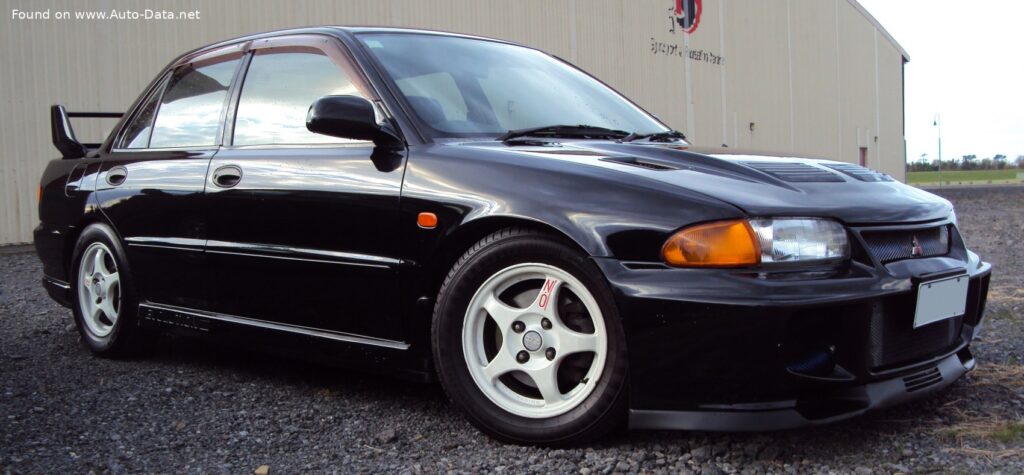
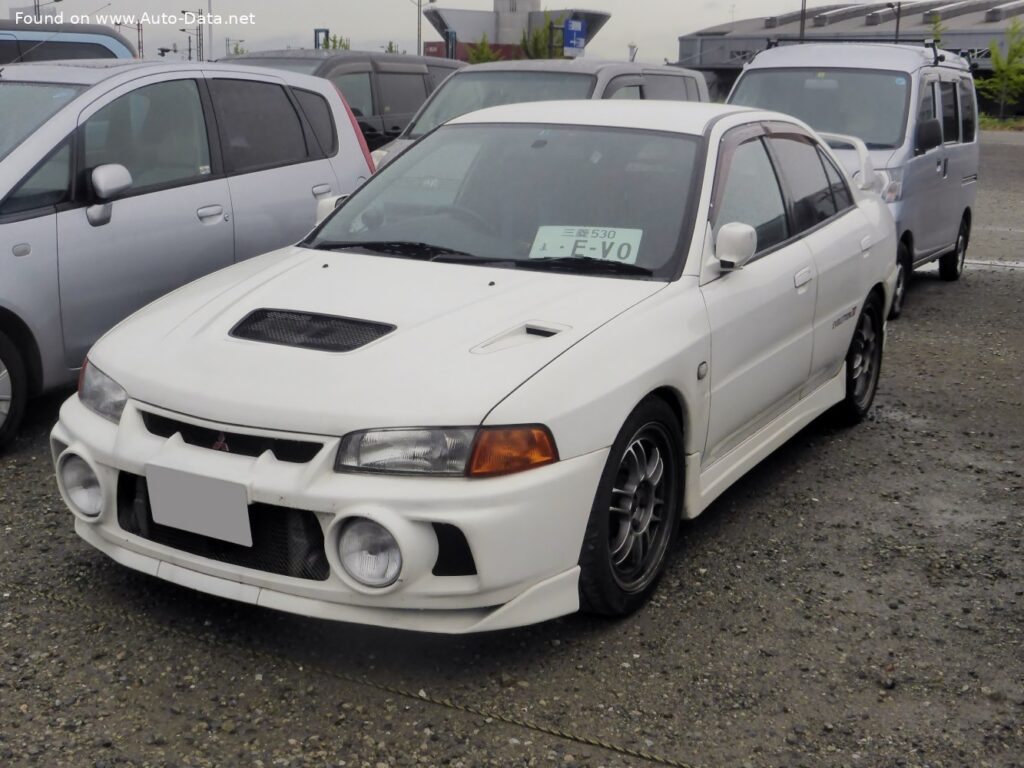
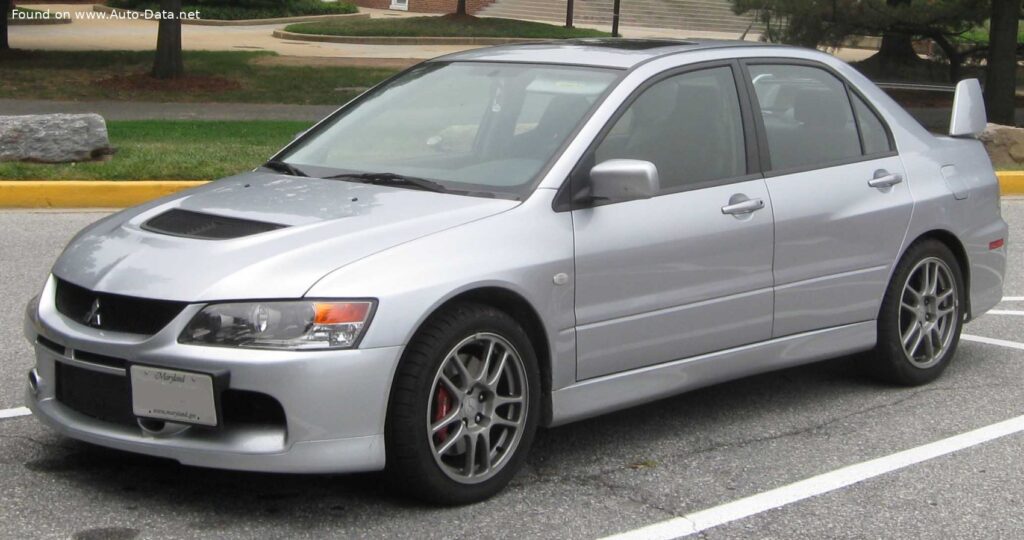
The Lancer lineage, starting from these early models, would eventually evolve into one of Mitsubishi’s most iconic nameplates, culminating in the rally-bred Lancer Evolution series. While the Lancer II 1.6 (82 Hp) was far from a performance car, it laid essential groundwork, demonstrating the adaptability and robustness of the Lancer platform. Its simple, effective design and engineering principles ensured its longevity and contributed to Mitsubishi’s sustained presence in the global automotive landscape. Today, these early Lancer models are appreciated by enthusiasts for their classic Japanese styling, mechanical simplicity, and the foundational role they played in Mitsubishi’s rich automotive heritage. They serve as a testament to an era when compact sedans were the backbone of family transportation, offering accessible and dependable mobility across continents.