Introduction to the Mitsubishi Lancer III 1.8 Diesel
The Mitsubishi Lancer, a nameplate synonymous with Mitsubishi Motors’ global automotive presence, has spanned numerous generations and market segments since its introduction in 1973. The third generation, known internally as the C10 series, was produced from 1983 to 1988, marking a significant evolution in the model’s design and engineering. Among its diverse powertrain offerings, the Mitsubishi Lancer III 1.8 Diesel (60 Hp) stands out as a prime example of Mitsubishi’s commitment to economical and reliable transportation, particularly for markets outside of North America where fuel efficiency and durability were paramount. This specific variant, produced between 1986 and 1988, targeted buyers seeking a practical, no-nonsense sedan with low running costs and robust engineering.
While the Lancer name might evoke images of high-performance Evolution models in the minds of some enthusiasts, the Lancer III 1.8 Diesel represented a more utilitarian, yet equally important, facet of the Lancer lineage. It was a workhorse designed for daily commuting, family duties, and fleet operations, embodying the pragmatic automotive trends of the mid-1980s. This article delves into the specifics of this particular model, exploring its technical characteristics, design philosophy, and its enduring legacy in the markets it served.
Engine and Performance: The Heart of the Mitsubishi Lancer III 1.8 Diesel
At the core of the Mitsubishi Lancer III 1.8 Diesel‘s identity was its powertrain: a naturally aspirated 1.8-liter (1795 cc) diesel engine, designated as the 4D65. This engine was engineered for longevity and fuel economy rather than outright speed. Generating a modest 60 horsepower, its performance metrics were reflective of the diesel technology available at the time, prioritizing torque delivery at lower RPMs for practical driving conditions. The engine’s naturally aspirated design meant a simpler mechanical setup, contributing to its renowned reliability and ease of maintenance, crucial factors for owners in regions where advanced diagnostics might not have been readily available.
The 4D65 engine featured a conventional internal combustion engine architecture. While 60 horsepower may seem low by modern standards, it was adequate for the Lancer III’s target market and intended use. The engine’s character was defined by its robust low-end torque, which made it suitable for navigating urban environments and maintaining steady cruising speeds on highways, albeit without the rapid acceleration offered by its gasoline counterparts or more powerful turbocharged diesels that would become prevalent later. Fuel consumption was a significant selling point, offering considerable savings over gasoline engines, a critical factor for many European and Asian consumers during an era of fluctuating fuel prices. The engine oil capacity was 5.6 liters (5.92 US quarts), and the cooling system held 6 liters (6.34 US quarts) of coolant, indicating a well-proportioned system designed for durability under varying climatic conditions.
Design and Features of the Lancer III Sedan
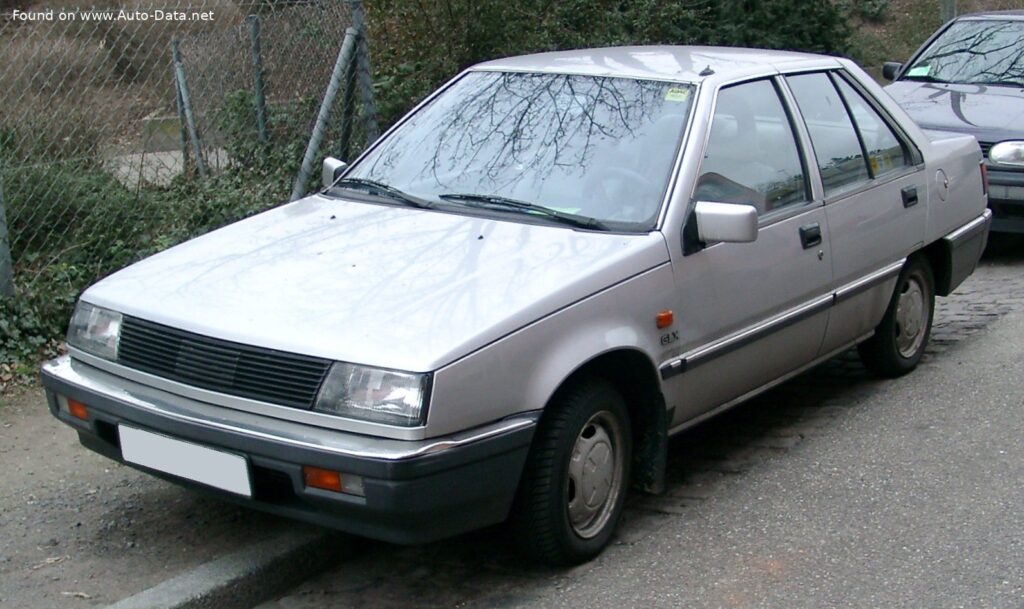
The Mitsubishi Lancer III, particularly in its sedan body style, adopted a design language that was characteristic of 1980s automotive aesthetics: clean lines, a relatively boxy silhouette, and an emphasis on practicality and interior space. The sedan configuration offered a conventional three-box design, providing a distinct trunk for luggage separation and enhanced cargo security. This design maximized interior volume for passengers and cargo, making it a popular choice for families and business fleets.
The exterior styling was understated and functional, without extravagant flourishes. The front fascia typically featured rectangular headlights and a simple grille, while the rear maintained a similarly pragmatic appearance. Aerodynamics, while not as refined as in later decades, were considered to enhance fuel efficiency and reduce wind noise. Inside, the Lancer III offered a straightforward and ergonomic cabin. Dashboards were typically uncluttered, with controls logically placed for ease of use. Materials were chosen for durability, designed to withstand years of daily use. While luxurious amenities were minimal, the focus was on providing a comfortable and reliable driving experience. Features like manual windows, a basic heating and ventilation system, and perhaps an AM/FM radio were standard, with air conditioning often available as an option in warmer climates. Safety features, by today’s standards, were fundamental, primarily relying on the car’s structural integrity, seatbelts, and clear visibility. This era predated widespread adoption of airbags and advanced driver-assistance systems, placing emphasis on passive safety through robust construction.
Technical Specifications
The following table provides a comprehensive overview of the Mitsubishi Lancer III 1.8 Diesel (60 Hp) sedan’s key technical specifications:
| Category | Specification |
|---|---|
| Brand | Mitsubishi |
| Model | Lancer |
| Generation | Lancer III |
| Type (Engine) | 1.8 Diesel (60 Hp) |
| Start of Production | 1986 year |
| End of Production | 1988 year |
| Powertrain Architecture | Internal Combustion engine |
| Body type | Sedan |
| Fuel Type | Diesel |
| Power | 60 Hp |
| Engine Model/Code | 4D65 |
| Engine Aspiration | Naturally aspirated engine |
| Engine Oil Capacity | 5.6 liters (5.92 US quarts) |
| Coolant Capacity | 6 liters (6.34 US quarts) |
| Drivetrain | Internal Combustion engine |
Legacy and Market Impact
The Mitsubishi Lancer III 1.8 Diesel (60 Hp) carved out a significant niche for itself in various international markets, particularly in Europe and parts of Asia, where its blend of economy, reliability, and practicality resonated strongly with consumers. Unlike the North American market, which largely favored gasoline engines, diesel engines held a substantial share in many overseas markets due to their superior fuel economy and robust torque characteristics. The Lancer III diesel was not designed to be a performance leader or a luxury vehicle; instead, its appeal lay in its ability to provide dependable, cost-effective transportation.
In its primary markets, the Lancer III 1.8 Diesel competed against a host of established rivals from both European and Japanese manufacturers. Competitors included models like the Volkswagen Jetta Diesel, Opel Kadett/Astra Diesel, Ford Escort/Sierra Diesel, and diesel variants of other Japanese sedans such as the Toyota Corolla and Nissan Sunny (Sentra). What set the Lancer apart was Mitsubishi’s reputation for building durable and well-engineered vehicles, a trait that the 4D65 diesel engine exemplified. Its straightforward mechanical design meant fewer complex parts to fail, contributing to lower maintenance costs over its lifespan.
The historical significance of the Lancer III diesel lies in its contribution to Mitsubishi’s global expansion and its role in diversifying the brand’s offerings. It demonstrated Mitsubishi’s capability to produce vehicles tailored to specific regional demands, emphasizing efficiency and longevity. While it may not possess the iconic status of its rally-bred Lancer Evolution successors, the Lancer III 1.8 Diesel was instrumental in building Mitsubishi’s foundational reputation for reliability and value, especially in markets where these attributes were highly prized. It was a vehicle that quietly but effectively served millions of drivers, cementing Mitsubishi’s presence as a global automotive player and leaving a legacy of practical, enduring transportation from the mid-1980s. Its story is a testament to the diverse needs of the global automotive landscape and the strategic importance of offering powertrain options that cater to those specific demands.