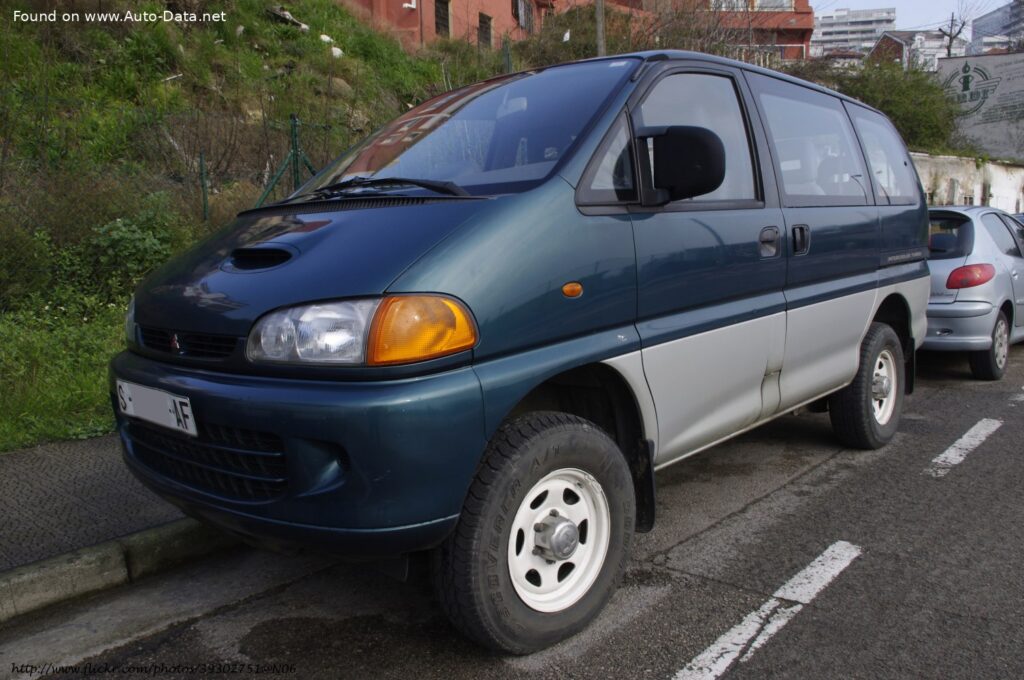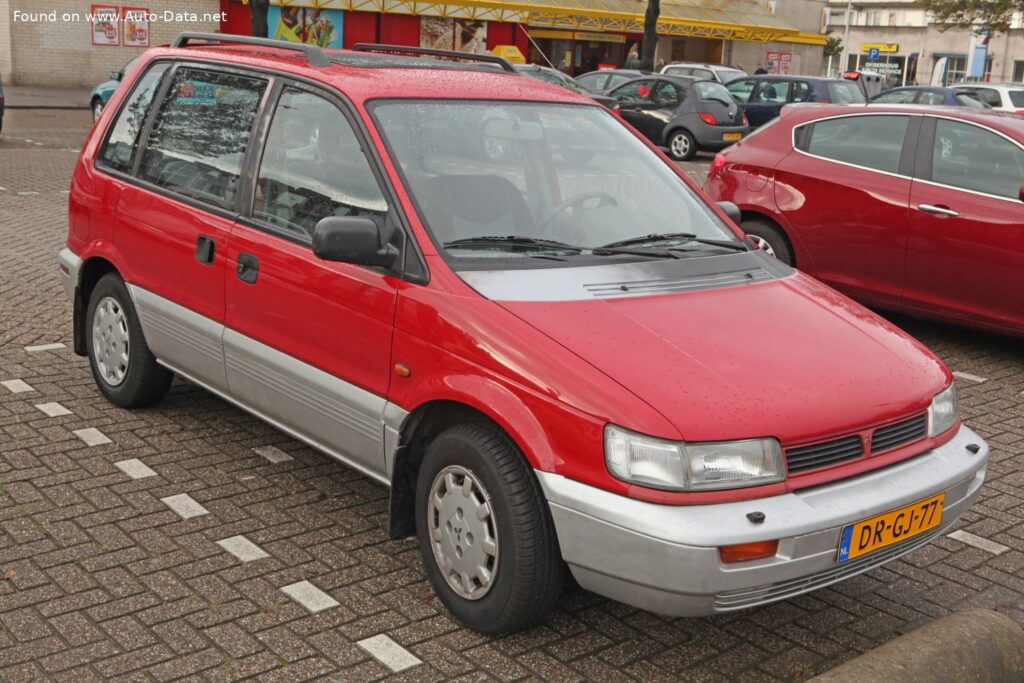
The Mitsubishi Space Runner, known as the Mitsubishi RVR or Mitsubishi Expo in some markets, is a compact minivan produced by Mitsubishi Motors between 1991 and 1999. The N1_W and N2_W series, manufactured from 1997 to 1999, represent a significant refresh of the original model. While not officially sold in the United States, the Space Runner was a popular vehicle in Europe, Australia, and Asia, offering a practical and versatile option for families. This article focuses on the 2.0 16V variant, producing 133 horsepower, and details its specifications and characteristics.
Mitsubishi Space Runner (N1_W, N2_W) 2.0 16V: An Overview
The Space Runner occupied a niche market segment, bridging the gap between a traditional hatchback and a larger multi-purpose vehicle (MPV). It was designed to provide a spacious interior and good practicality in a relatively compact package. The N1_W and N2_W iterations brought updated styling, improved safety features, and refinements to the engine and suspension. The 2.0 16V engine was a key component, offering a balance of performance and fuel efficiency for the time. The Space Runner’s appeal lay in its affordability, versatility, and relatively nimble handling compared to larger MPVs.
Engine & Performance
The heart of the Space Runner 2.0 16V is a 1.997-liter (121.86 cubic inches) inline-four cylinder gasoline engine. This naturally aspirated engine utilizes a multi-port fuel injection system and a double overhead camshaft (DOHC) valvetrain with four valves per cylinder. It produces a maximum power output of 133 horsepower at 6000 rpm and 176 Nm (129.81 lb-ft) of torque at 4750 rpm. This translates to a power-to-weight ratio of 9.1 kg/Hp and a torque-to-weight ratio of 6.9 kg/Nm. The engine’s performance allows for a 0-100 km/h (0-62 mph) acceleration time of 11.2 seconds, and a 0-60 mph time of 10.6 seconds. The Space Runner achieves a top speed of 185 km/h (114.95 mph). Fuel consumption figures are rated at 10.7 l/100 km (22 US mpg, 26.4 UK mpg) in urban conditions, 7.1 l/100 km (33.1 US mpg, 39.8 UK mpg) on the extra-urban cycle, and 9.6 l/100 km (24.5 US mpg, 29.4 UK mpg) combined.
Design & Features
The Mitsubishi Space Runner N1_W/N2_W is a four-door minivan with a seating capacity of five. Its body style is characterized by a relatively high roofline and a practical, boxy shape designed to maximize interior space. The 1997-1999 models received styling updates, including revised front and rear fascias, and updated interior trim. Key features included a spacious cabin, a versatile seating arrangement, and a reasonably sized trunk. The trunk offers 676 liters (23.87 cubic feet) of space with the rear seats up, expanding to 1498 liters (52.9 cubic feet) when folded down. Safety features for the era included an Anti-lock Braking System (ABS) as standard equipment. The Space Runner’s suspension consists of a wishbone setup at the front and a coil spring arrangement at the rear, providing a comfortable ride. Power steering, utilizing a hydraulic system, was also standard. The vehicle rides on 185/70 R14 tires.
Technical Specifications
| Brand | Mitsubishi |
| Model | Space Runner |
| Generation | Space Runner (N1_W, N2_W) |
| Type (Engine) | 2.0 16V (133 Hp) |
| Start of production | 1997 |
| End of production | 1999 |
| Powertrain Architecture | Internal Combustion engine |
| Body type | Minivan |
| Seats | 5 |
| Doors | 4 |
| Fuel consumption (urban) | 10.7 l/100 km (22 US mpg, 26.4 UK mpg) |
| Fuel consumption (extra urban) | 7.1 l/100 km (33.1 US mpg, 39.8 UK mpg) |
| Fuel consumption (combined) | 9.6 l/100 km (24.5 US mpg, 29.4 UK mpg) |
| Fuel Type | Petrol (Gasoline) |
| Acceleration 0 – 100 km/h | 11.2 sec |
| Acceleration 0 – 62 mph | 11.2 sec |
| Acceleration 0 – 60 mph | 10.6 sec |
| Maximum speed | 185 km/h (114.95 mph) |
| Weight-to-power ratio | 9.1 kg/Hp |
| Weight-to-torque ratio | 6.9 kg/Nm |
| Power | 133 Hp @ 6000 rpm |
| Torque | 176 Nm @ 4750 rpm (129.81 lb.-ft. @ 4750 rpm) |
| Engine layout | Front, Transverse |
| Engine displacement | 1997 cm3 (121.86 cu. in.) |
| Number of cylinders | 4 |
| Engine configuration | Inline |
| Cylinder Bore | 85 mm (3.35 in.) |
| Piston Stroke | 88 mm (3.46 in.) |
| Compression ratio | 10:1 |
| Number of valves per cylinder | 4 |
| Fuel injection system | Multi-port manifold injection |
| Engine aspiration | Naturally aspirated |
| Valvetrain | DOHC |
| Kerb Weight | 1210 kg (2667.59 lbs.) |
| Max. weight | 1745 kg (3847.07 lbs.) |
| Max load | 535 kg (1179.47 lbs.) |
| Trunk (boot) space – minimum | 676 l (23.87 cu. ft.) |
| Trunk (boot) space – maximum | 1498 l (52.9 cu. ft.) |
| Fuel tank capacity | 55 l (14.53 US gal | 12.1 UK gal) |
| Length | 4270 mm (168.11 in.) |
| Width | 1695 mm (66.73 in.) |
| Height | 1665 mm (65.55 in.) |
| Wheelbase | 2520 mm (99.21 in.) |
| Front track | 1460 mm (57.48 in.) |
| Rear track | 1460 mm (57.48 in.) |
| Drivetrain Architecture | Front wheel drive |
| Number of gears | 5 gears, manual transmission |
| Front suspension | Wishbone |
| Rear suspension | Coil spring |
| Front brakes | Ventilated discs |
| Rear brakes | Disc |
| Assisting systems | ABS (Anti-lock braking system) |
| Steering type | Steering rack and pinion |
| Power steering | Hydraulic |
| Tires size | 185/70 R14 |
The Mitsubishi Space Runner N1_W/N2_W 2.0 16V offered a compelling package for buyers seeking a practical and versatile vehicle. While not a performance machine, its 2.0-liter engine provided adequate power for everyday driving, and its spacious interior and flexible seating arrangements made it a popular choice for families. Its discontinuation in 1999 marked the end of an era for this unique and often overlooked compact minivan.