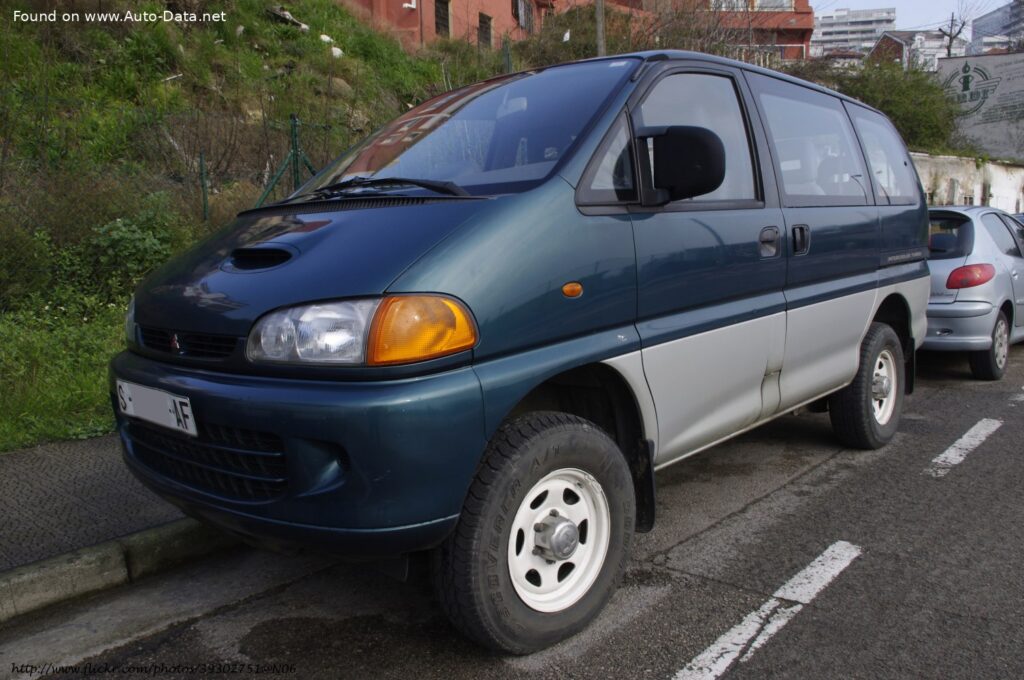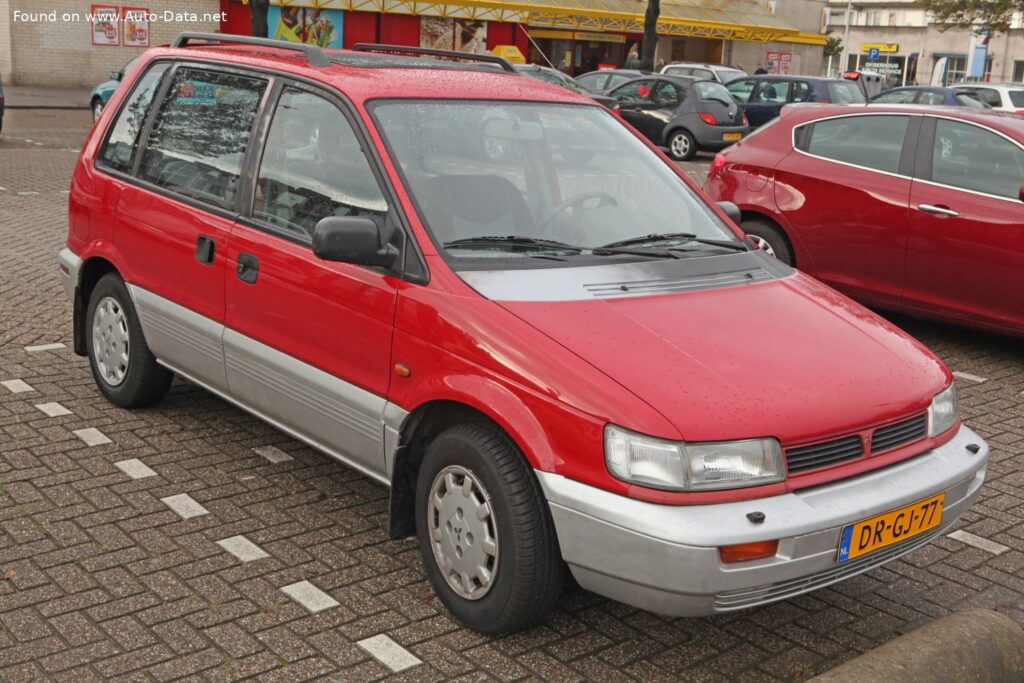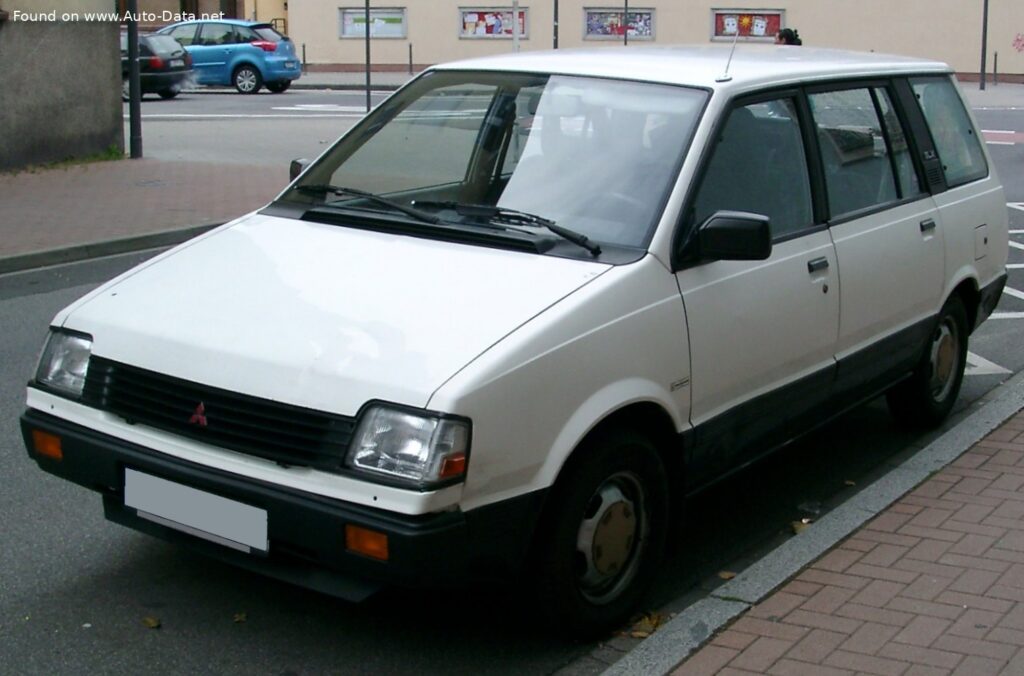
The Mitsubishi Space Wagon, known as the Mitsubishi Chariot in its native Japan, represents a significant entry into the compact multi-purpose vehicle (MPV) segment. Introduced in 1983, the first generation, here detailed as the Space Wagon I 1.8 4×4 (90 Hp) produced from 1987 to 1988, aimed to provide practical and affordable transportation for families. While not officially sold in the United States during its initial production run, the Space Wagon was a popular vehicle in Japan and Europe, offering a versatile alternative to larger, more expensive vans. It pioneered several features that would become commonplace in modern MPVs, focusing on maximizing interior space and passenger comfort within a relatively small footprint. This generation laid the groundwork for subsequent Space Wagon iterations, establishing the model as a key player in Mitsubishi’s lineup.
Mitsubishi Space Wagon I: A Pioneering MPV
The Space Wagon I emerged during a period where the automotive market was beginning to demand more versatile vehicles. Traditional station wagons were losing ground to the growing popularity of vans, but many consumers found full-size vans unwieldy and inefficient for everyday use. Mitsubishi sought to bridge this gap with the Space Wagon, offering a vehicle that combined the practicality of a van with the maneuverability and fuel efficiency of a smaller car. The 1.8 4×4 variant, specifically, catered to buyers needing all-weather capability and enhanced traction, particularly in regions with challenging road conditions. The Space Wagon’s design prioritized interior space, with a focus on creating a comfortable and functional environment for passengers. Its relatively compact dimensions made it easier to park and navigate in urban areas compared to larger vans, while its versatile seating arrangements allowed for a variety of configurations to accommodate passengers and cargo.
Engine & Performance
The Mitsubishi Space Wagon I 1.8 4×4 is powered by a naturally aspirated 1.8-liter inline-four cylinder gasoline engine. This engine produces 90 horsepower, which, while modest by modern standards, was considered adequate for the vehicle’s intended purpose and weight class in the late 1980s. The engine is paired with a four-speed automatic transmission, delivering power to all four wheels via a part-time four-wheel-drive system. This 4×4 system, selectable by the driver, provided enhanced traction on slippery surfaces, making the Space Wagon a capable vehicle in inclement weather. Performance figures are not extensively documented, but the Space Wagon I 1.8 4×4 was not designed for outright speed. Instead, the focus was on providing smooth, reliable, and efficient transportation. The engine’s naturally aspirated design contributes to its simplicity and durability, while the four-wheel-drive system enhances its stability and control. The vehicle’s relatively light weight, for a van of its size, helps to offset the modest horsepower output, resulting in acceptable acceleration and cruising performance.
Design & Features
The Space Wagon I features a boxy, utilitarian design typical of MPVs from the 1980s. Its tall roofline maximizes interior headroom, while its relatively short wheelbase contributes to its maneuverability. The exterior styling is functional rather than flamboyant, with a focus on practicality and visibility. The 1.8 4×4 variant typically features robust tires and slightly increased ground clearance to accommodate its off-road capabilities. Inside, the Space Wagon I prioritizes space and versatility. The seating arrangement is configurable, with options for multiple rows of seats to accommodate up to seven passengers. The rear seats can be folded or removed to create a larger cargo area, making the Space Wagon adaptable to a variety of needs. Features such as power steering and air conditioning were often included, depending on the trim level and market. Safety features were relatively basic by modern standards, typically including seatbelts and a collapsible steering column. However, the Space Wagon’s overall design emphasized passenger protection through its robust construction and stable handling characteristics. The dashboard layout is straightforward and functional, with easy-to-read gauges and controls. The interior materials are durable and designed to withstand the rigors of family use.
Technical Specifications
| Brand | Mitsubishi |
| Model | Space Wagon |
| Generation | Space Wagon I |
| Type (Engine) | 1.8 4×4 (90 Hp) |
| Start of production | 1987 |
| End of production | 1988 |
| Powertrain Architecture | Internal Combustion engine |
| Body type | Minivan |
| Fuel Type | Petrol (Gasoline) |
| Power | 90 Hp |
| Engine aspiration | Naturally aspirated engine |
The Mitsubishi Space Wagon I 1.8 4×4, while not a performance vehicle, represented a significant step forward in the development of compact MPVs. Its focus on practicality, versatility, and affordability made it a popular choice for families in Japan and Europe. The vehicle’s robust construction, all-wheel-drive capability, and configurable interior made it well-suited to a variety of uses, from daily commuting to weekend adventures. Although it never officially reached the US market in this generation, the Space Wagon’s influence can be seen in the many MPVs that followed, shaping the segment and influencing the design of modern family vehicles. The Space Wagon I laid the foundation for Mitsubishi’s continued success in the MPV market, paving the way for subsequent generations that would further refine the formula and expand the model’s appeal. Its legacy as a pioneering MPV remains intact, representing a key moment in the evolution of family transportation.
The Space Wagon’s impact extended beyond its practical features. It demonstrated that a compact MPV could offer a compelling alternative to larger, more expensive vans, appealing to a wider range of buyers. Its success encouraged other manufacturers to enter the segment, leading to a proliferation of MPVs in the 1990s and 2000s. The Space Wagon’s emphasis on interior space and versatility also influenced the design of other vehicles, inspiring manufacturers to prioritize passenger comfort and functionality. While the automotive landscape has changed significantly since the Space Wagon I was introduced, its core principles of practicality, affordability, and versatility remain relevant today. The vehicle serves as a reminder that innovation doesn’t always require cutting-edge technology; sometimes, it simply involves rethinking the way we approach everyday transportation.