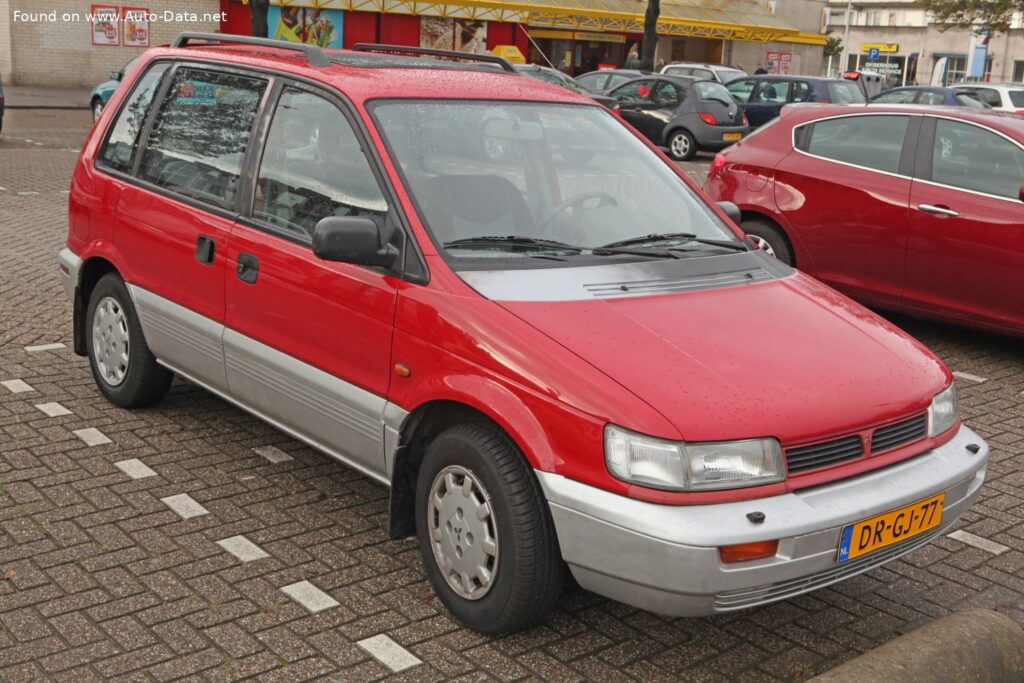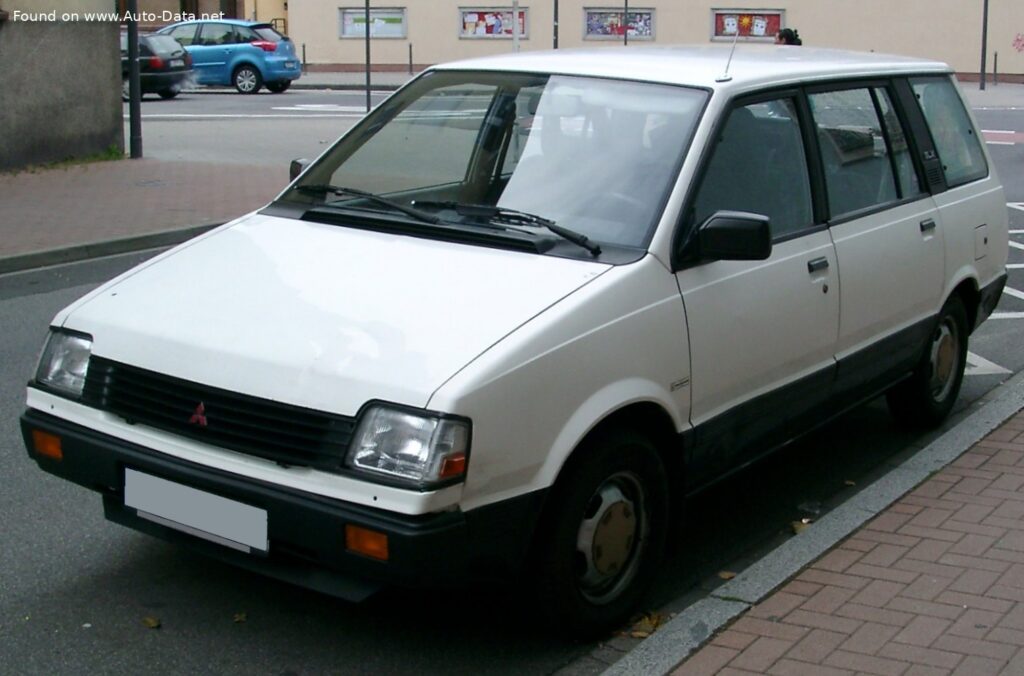
The Mitsubishi Space Wagon, known as the Mitsubishi Chariot in Japan, represents Mitsubishi’s entry into the burgeoning compact minivan segment of the 1980s. Introduced in 1983 and produced through 1988 for the first generation (D05V), the Space Wagon aimed to provide practical, family-oriented transportation with a focus on space efficiency and affordability. While not officially sold in the United States during its initial production run, the Space Wagon was a significant vehicle in European and Asian markets, particularly in countries where smaller, more fuel-efficient vehicles were favored. It served as a precursor to Mitsubishi’s later, more globally distributed minivan offerings. The 1.8 GLX trim level, powered by a 90 horsepower engine, was a popular configuration, balancing performance with economy.
Mitsubishi Space Wagon I: A Compact Minivan Pioneer
The Space Wagon I, designated chassis code D05V, was a pivotal model for Mitsubishi, marking their serious intent in the multi-purpose vehicle (MPV) market. Prior to the Space Wagon, Mitsubishi’s offerings in this space were limited. The Space Wagon distinguished itself through its relatively compact footprint, making it easier to maneuver and park compared to larger, American-style vans. This was a key selling point in densely populated urban areas of Europe and Asia. The vehicle’s design prioritized interior space, offering seating for up to seven passengers depending on the configuration. The GLX trim level represented a mid-range offering, typically including features like upgraded interior trim, additional convenience items, and potentially improved sound insulation compared to base models.
Engine & Performance
The Mitsubishi Space Wagon I 1.8 GLX was powered by a 1.8-liter, naturally aspirated four-cylinder gasoline engine. This engine, designated as the 4G62, produced 90 horsepower. While not a performance powerhouse, the engine provided adequate power for everyday driving and was known for its reliability. The engine featured a single overhead camshaft (SOHC) design and utilized a carburetor for fuel delivery, a common technology for the era. Power was delivered to the front wheels via a four-speed manual or a three-speed automatic transmission. The automatic transmission was a popular choice for family buyers prioritizing ease of use.
Performance figures were modest by modern standards. Acceleration from 0 to 60 mph was estimated to be around 13-15 seconds, and top speed was approximately 95 mph. However, the Space Wagon wasn’t designed for outright speed; its focus was on providing comfortable and efficient transportation. Fuel economy was a key consideration, and the Space Wagon offered reasonable mileage for its class, typically achieving around 25-30 mpg on the combined cycle. The engine’s relatively simple design contributed to its durability and ease of maintenance, making it a practical choice for owners.
Design & Features
The Space Wagon I featured a boxy, utilitarian design typical of minivans of the 1980s. Its compact dimensions – approximately 176 inches in length – made it relatively easy to maneuver in urban environments. The vehicle’s high roofline maximized interior headroom, and the large windows provided good visibility for both the driver and passengers. The body-on-frame construction, while adding to the vehicle’s weight, contributed to its structural rigidity and durability.
The interior of the Space Wagon I was designed with practicality in mind. The GLX trim level offered cloth upholstery, and the seats were generally comfortable, although not particularly luxurious. The rear seats could be folded or removed to create additional cargo space, enhancing the vehicle’s versatility. Features included a basic instrument cluster, a steering wheel, and minimal trim. Air conditioning was often an optional extra. Safety features were limited by the standards of the time, typically including seatbelts and a collapsible steering column. The Space Wagon’s design prioritized maximizing interior space within a compact footprint, making it a practical and versatile vehicle for families.
The Space Wagon’s rear door configuration varied depending on the market. Some models featured a single swing-out rear door, while others had dual swing-out doors, providing easier access to the cargo area. The vehicle’s suspension system consisted of MacPherson struts at the front and a leaf spring setup at the rear. This suspension configuration provided a comfortable ride, although it wasn’t particularly sporty. The Space Wagon’s overall design reflected the functional and practical priorities of the 1980s minivan market.
Technical Specifications
| Brand | Mitsubishi |
| Model | Space Wagon |
| Generation | Space Wagon I |
| Type | 1.8 GLX (D05V) (90 Hp) |
| Start of production | 1984 |
| End of production | 1988 |
| Powertrain Architecture | Internal Combustion engine |
| Body type | Minivan |
| Fuel Type | Petrol (Gasoline) |
| Engine Power | 90 Hp |
| Engine Aspiration | Naturally aspirated engine |
The Mitsubishi Space Wagon I, while not a household name in the United States, played a significant role in the development of the compact minivan segment. Its focus on space efficiency, affordability, and reliability made it a popular choice in Europe and Asia. The 1.8 GLX trim level offered a good balance of features and performance, making it a practical and versatile vehicle for families. The Space Wagon laid the groundwork for Mitsubishi’s future minivan offerings and demonstrated the company’s commitment to providing innovative and practical transportation solutions.