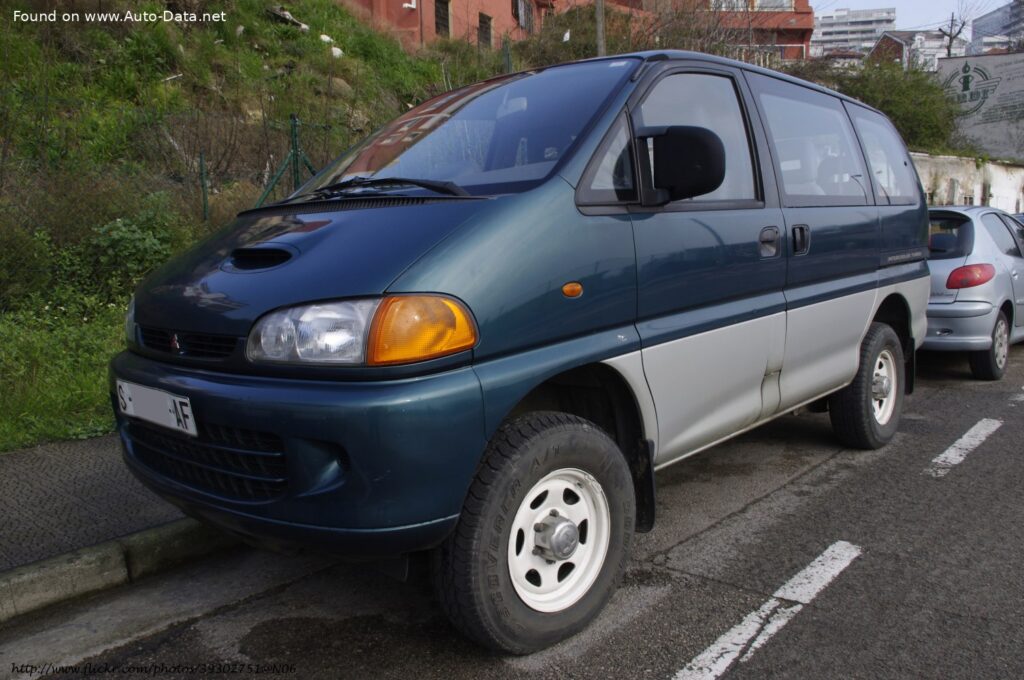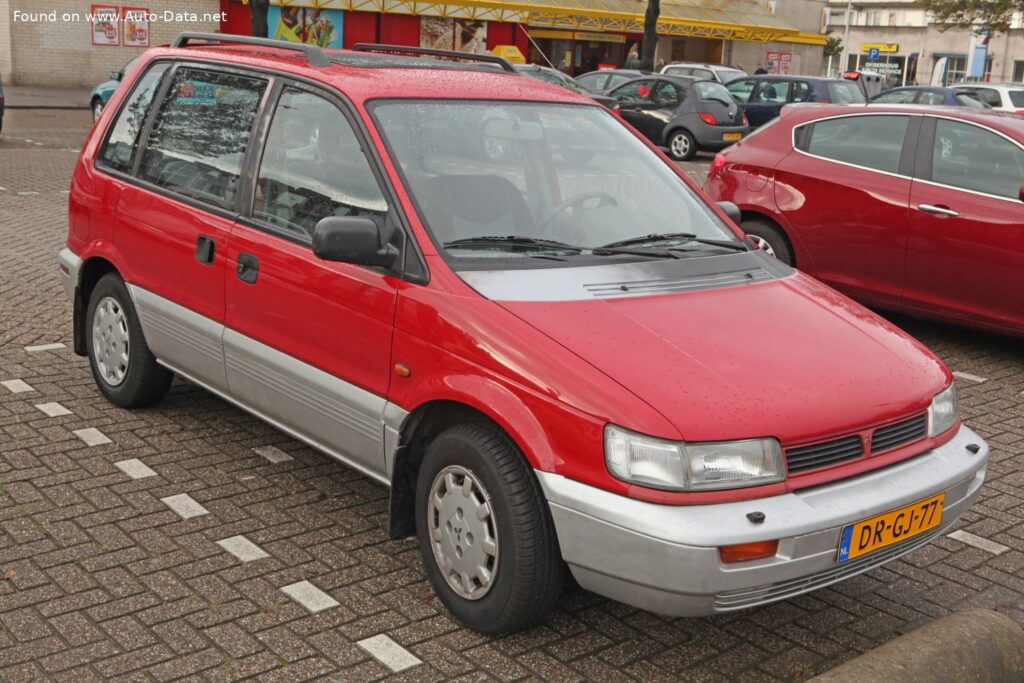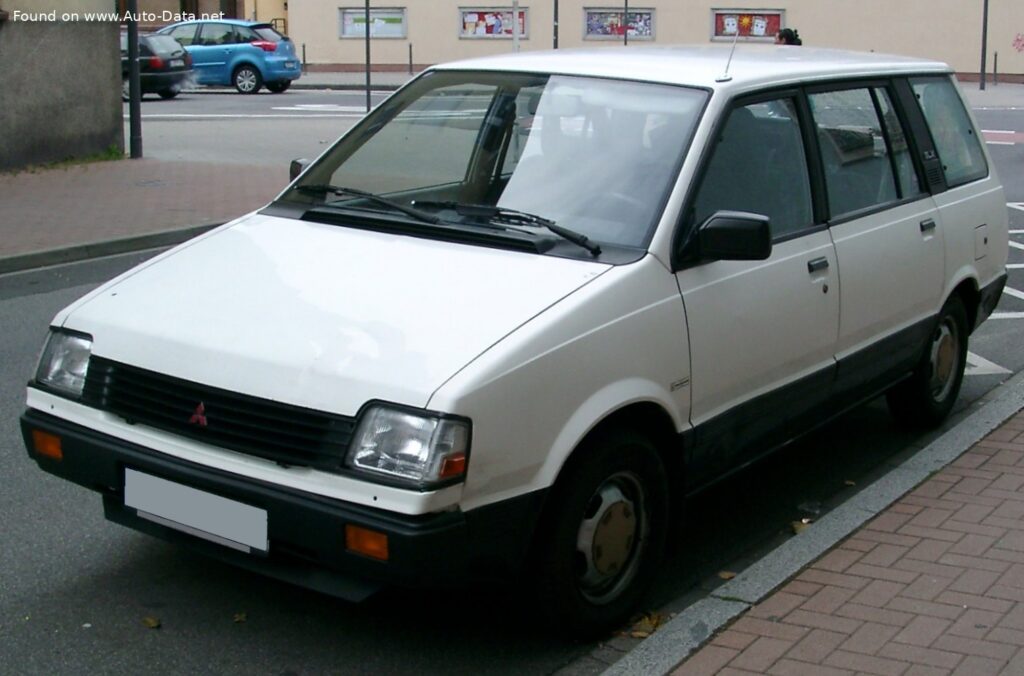
The Mitsubishi Space Wagon, known as the Mitsubishi Chariot in its native Japan, was a compact minivan produced from 1983 to 1999 across three generations. The first generation, internally designated D08W and sold from 1986 to 1988 in many export markets, represented Mitsubishi’s entry into the burgeoning minivan segment. This initial Space Wagon aimed to provide a practical and affordable family vehicle, offering a spacious interior and, in some trims like the 2.0 GLX 4×4, all-wheel drive capability. While not officially sold in the United States, the Space Wagon was significant in European and Asian markets, competing with vehicles like the Renault Espace and Toyota Previa. It distinguished itself with a relatively compact footprint for a minivan, making it easier to maneuver in crowded urban environments, and a focus on versatility.
Mitsubishi Space Wagon I: A Pioneering Compact Minivan
The Space Wagon I, produced between 1986 and 1988, established the core characteristics that would define the model for its subsequent generations. It was a response to the growing demand for multi-purpose vehicles (MPVs) capable of transporting families and their belongings comfortably. The D08W chassis underpinned a vehicle that prioritized interior space efficiency and a user-friendly driving experience. The 2.0 GLX 4×4 trim, specifically, catered to buyers seeking added traction and stability, particularly in regions with inclement weather or challenging road conditions. The Space Wagon I was a key player in establishing Mitsubishi as a competitor in the global minivan market.
Engine & Performance
The Mitsubishi Space Wagon I 2.0 GLX 4×4 was powered by a naturally aspirated 2.0-liter inline-four cylinder gasoline engine. This engine produced 84 horsepower. While not a performance-oriented vehicle, the engine provided adequate power for everyday driving and hauling passengers. The engine was paired with either a four-speed automatic or a five-speed manual transmission, depending on the market and customer preference. The 4×4 system was typically part-time, allowing the driver to engage all-wheel drive when needed for improved traction. This system generally employed a viscous coupling to distribute power between the front and rear axles. Performance figures were modest by modern standards, but the Space Wagon I was designed for practicality and fuel efficiency rather than outright speed. The focus was on providing a reliable and economical means of transportation for families.
Design & Features
The Space Wagon I featured a boxy, utilitarian design typical of minivans of the 1980s. Its compact dimensions, measuring approximately 4.1 meters (161 inches) in length, made it relatively easy to park and maneuver compared to larger American minivans of the era. The vehicle’s design prioritized maximizing interior space. The 2.0 GLX 4×4 trim level included features such as power windows, central locking, and upgraded interior trim. Seating configurations were flexible, with options for five or seven passengers depending on the specific arrangement. Rear seats could be folded or removed to create additional cargo space. Safety features were relatively basic by today’s standards, consisting primarily of seatbelts and a reinforced body structure. However, the Space Wagon I represented a step forward in family vehicle safety compared to older station wagons and sedans. The exterior styling was functional, with large windows providing good visibility for the driver and passengers. The overall aesthetic was clean and understated, reflecting the vehicle’s practical purpose.
Market Position and Legacy
In Europe and Asia, the Space Wagon I filled a niche for buyers seeking a smaller, more affordable alternative to larger, more expensive minivans. Its compact size and available all-wheel drive made it particularly appealing to those living in urban areas or regions with challenging weather conditions. The Space Wagon I helped establish Mitsubishi’s reputation for building reliable and versatile vehicles. It paved the way for subsequent generations of the Space Wagon, which continued to evolve and improve upon the original’s strengths. While it never reached the North American market, the Space Wagon I remains a significant vehicle in the history of compact minivans, demonstrating Mitsubishi’s early commitment to this increasingly popular segment.
Technical Specifications
| Brand | Mitsubishi |
| Model | Space Wagon |
| Generation | Space Wagon I |
| Type | 2.0 GLX 4×4 (D08W) (84 Hp) |
| Start of production | 1986 |
| End of production | 1988 |
| Powertrain Architecture | Internal Combustion engine |
| Body type | Minivan |
| Fuel Type | Petrol (Gasoline) |
| Power | 84 Hp |
| Engine aspiration | Naturally aspirated engine |