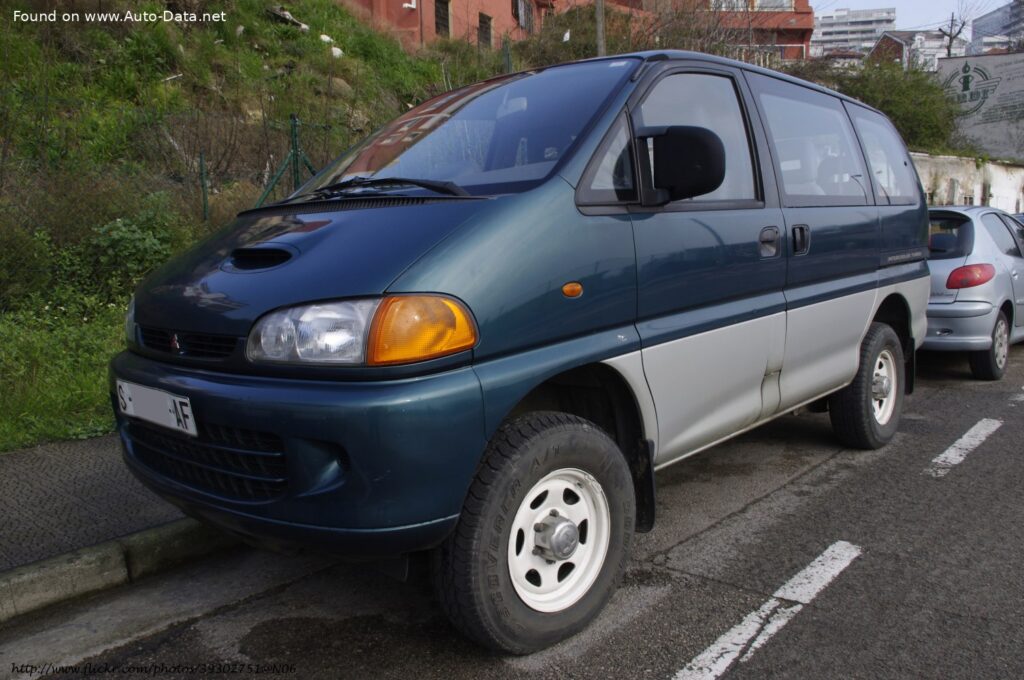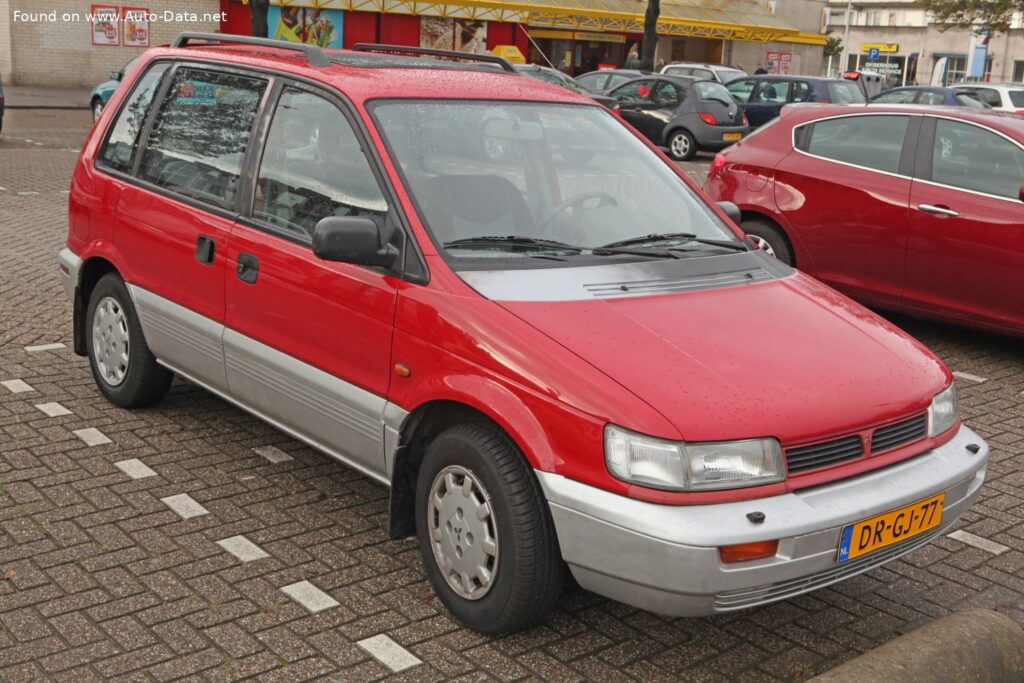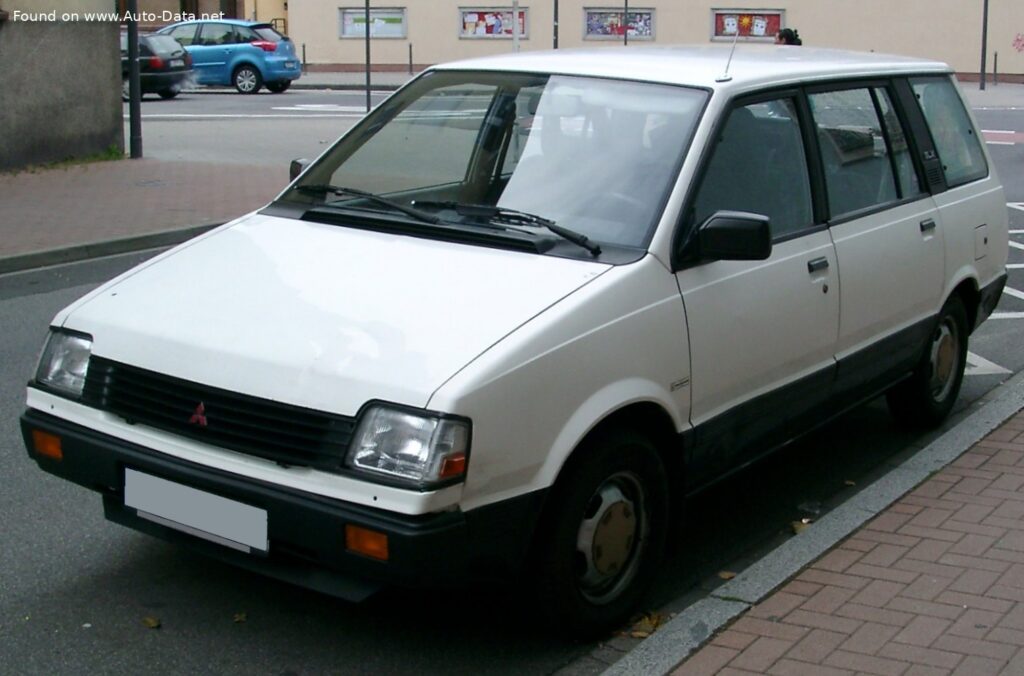
The Mitsubishi Space Wagon, known as the Mitsubishi Chariot in its native Japan, represents Mitsubishi’s entry into the increasingly popular compact minivan segment of the late 1980s. Introduced in 1988 and produced through 1991 as the first generation (D04W), the Space Wagon aimed to provide a practical and affordable family vehicle. While not officially sold in the United States, the Space Wagon was a significant model for Mitsubishi in Europe, Australia, and Asia, offering a blend of functionality, space efficiency, and relatively modern features for its time. The 2.0 GLXi trim level, powered by a 101 horsepower engine, was a popular choice, offering a balance between performance and fuel economy. This generation laid the groundwork for subsequent Space Wagon/Chariot models, which continued to evolve with advancements in automotive technology.
Mitsubishi Space Wagon I 2.0 GLXi (D04W) – A Detailed Overview
Origins and Market Positioning
The Mitsubishi Space Wagon emerged during a period of growing demand for multi-purpose vehicles (MPVs), particularly in Europe and Asia. Families were seeking vehicles that offered more space and versatility than traditional sedans or station wagons, but didn’t require the size or expense of full-size vans. The Space Wagon directly competed with models like the Toyota Previa, Nissan Serena, and various European offerings. In Japan, it filled a niche for a practical, family-oriented vehicle suitable for the country’s often-congested urban environments and narrow roads. The “Space Wagon” name was primarily used in export markets, emphasizing the vehicle’s spacious interior. The Chariot name, used domestically, carried a different brand connotation within Japan.
Engine & Performance
The 2.0 GLXi variant of the Mitsubishi Space Wagon I is equipped with a naturally aspirated 2.0-liter inline-four cylinder gasoline engine. This engine produces 101 horsepower, providing adequate power for everyday driving and typical family hauling duties. While not a performance-oriented vehicle, the engine delivers a reasonable level of responsiveness, particularly when considering the vehicle’s weight and intended purpose. The engine is paired with a four-speed automatic transmission, offering smooth and convenient gear changes. Manual transmission options were also available in some markets. The drivetrain is front-wheel drive, which was standard for this class of vehicle at the time. Performance figures, while not extensively documented, suggest a 0-60 mph time in the range of 12-14 seconds, and a top speed of approximately 95-100 mph. Fuel economy was typical for the era, averaging around 22-26 mpg in combined driving conditions. The engine’s design prioritized reliability and ease of maintenance, reflecting Mitsubishi’s engineering philosophy of the late 1980s.
Design & Features
The Mitsubishi Space Wagon I features a boxy, utilitarian design characteristic of minivans from the late 1980s. Its compact dimensions, however, make it relatively easy to maneuver compared to larger MPVs. The vehicle’s design focused on maximizing interior space, with a tall roofline and a cleverly designed seating arrangement. The 2.0 GLXi trim level included features considered relatively upscale for its time, such as power windows, central locking, and an upgraded interior trim. Seating configurations varied, but typically accommodated seven passengers with a 2-3-2 arrangement. The rear seats could be folded or removed to create additional cargo space. Safety features were limited by the standards of the time, typically including seatbelts for all occupants and a collapsible steering column. Air conditioning was a common option. The Space Wagon’s interior was designed with practicality in mind, featuring durable materials and a functional layout. Visibility was generally good, thanks to the large windows and upright seating position. The exterior styling was relatively simple, with a focus on functionality rather than aesthetics. The vehicle’s overall design reflected a pragmatic approach to meeting the needs of families.
Technical Specifications
| Brand | Mitsubishi |
| Model | Space Wagon |
| Generation | Space Wagon I |
| Type | 2.0 GLXi (D04W) (101 Hp) |
| Start of production | 1988 |
| End of production | 1991 |
| Powertrain Architecture | Internal Combustion engine |
| Body type | Minivan |
| Fuel Type | Petrol (Gasoline) |
| Engine Power | 101 Hp |
| Engine Aspiration | Naturally aspirated engine |
Legacy and Impact
The Mitsubishi Space Wagon I, while not a household name in the United States, played a crucial role in establishing Mitsubishi as a competitor in the global minivan market. It demonstrated Mitsubishi’s ability to design and manufacture a practical, affordable, and relatively well-equipped MPV. The Space Wagon’s success in Europe, Australia, and Asia paved the way for subsequent generations of the vehicle, which incorporated advancements in technology and design. The first-generation Space Wagon also influenced the development of other Mitsubishi models, contributing to the company’s overall growth and reputation. The vehicle’s emphasis on space efficiency and practicality continues to be a hallmark of the Space Wagon/Chariot lineage. While largely superseded by more modern MPVs and crossovers, the original Space Wagon remains a fondly remembered vehicle for those who owned and drove it, representing a practical and reliable solution for family transportation in the late 1980s and early 1990s.