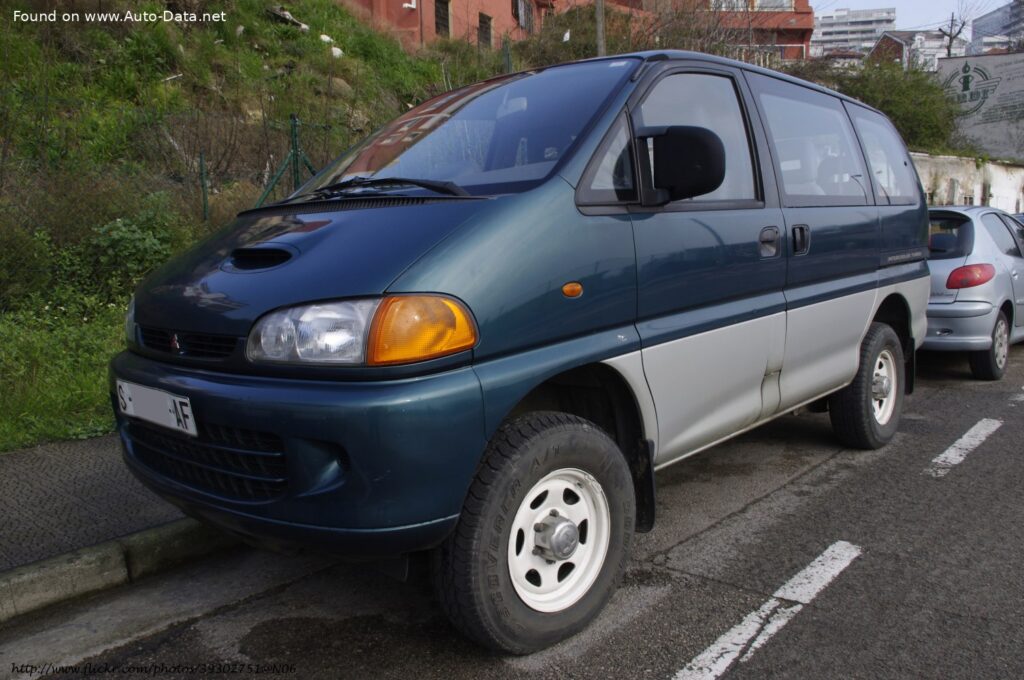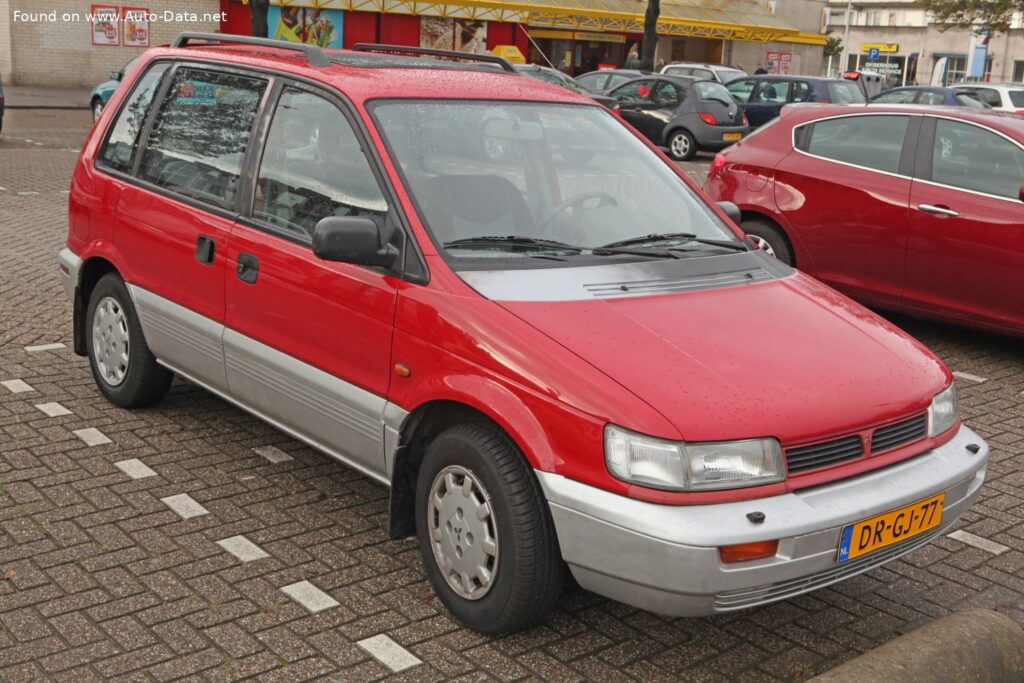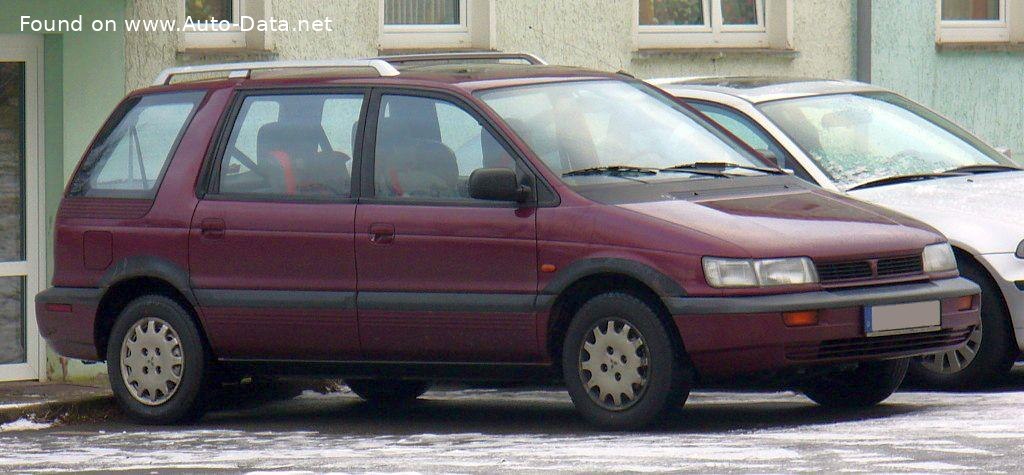
The Mitsubishi Space Wagon II 1.8 TD (N35W), produced from 1991 to 1998, represents a significant iteration of Mitsubishi’s compact MPV (Multi-Purpose Vehicle) offering. Primarily sold in European and Asian markets, including Japan where it was also known as the Mitsubishi RVR, the Space Wagon II aimed to provide practical, family-oriented transportation with a focus on space efficiency and, in this particular variant, diesel-powered economy. While not officially sold in the United States, understanding its position within the global automotive landscape reveals a vehicle designed to meet the demands of a growing market segment – the affordable, versatile people carrier. This model, equipped with a 1.8-liter turbocharged diesel engine producing 75 horsepower, catered to buyers seeking fuel efficiency and reasonable performance in a package capable of carrying up to seven passengers.
Mitsubishi Space Wagon II: A European and Asian Perspective
The Space Wagon II occupied a crucial niche in the European and Asian automotive markets during the 1990s. Unlike the American market, which favored larger, body-on-frame minivans, Europe and Asia saw a growing demand for smaller, more maneuverable MPVs suitable for navigating congested urban environments. The Space Wagon II directly competed with vehicles like the Renault Espace, Citroën Xantia, and Toyota Previa, offering a compelling blend of practicality, affordability, and relatively compact dimensions. Its availability with a diesel engine was particularly appealing in regions where diesel fuel was cheaper and offered superior fuel economy compared to gasoline. The Space Wagon II wasn’t positioned as a luxury vehicle; instead, it focused on providing functional transportation for families and those needing flexible cargo space. The N35W designation specifically identifies this second-generation model and the 1.8-liter turbocharged diesel engine variant.
Engine & Performance
The heart of the Space Wagon II 1.8 TD (N35W) is its 1.8-liter four-cylinder diesel engine. This engine, equipped with a turbocharger, was designed to deliver a balance of fuel efficiency and usable power. Producing 75 horsepower, it wasn’t intended for rapid acceleration, but rather for providing sufficient torque for comfortable cruising and carrying a full load of passengers and luggage. The turbocharger significantly enhances low-end torque, making the vehicle more responsive in everyday driving situations. The engine is an internal combustion engine, relying on compression ignition typical of diesel engines. While specific performance figures like 0-60 mph times were not heavily emphasized in marketing materials, the Space Wagon II 1.8 TD prioritized fuel economy and reliability over outright speed. The engine was typically paired with a five-speed manual transmission, although an automatic transmission was sometimes offered depending on the market. The drivetrain configuration was generally front-wheel drive, although some variants offered optional four-wheel drive for improved traction in adverse weather conditions. The diesel engine’s robust construction and relatively simple design contributed to its reputation for durability and longevity.
Design & Features
The Mitsubishi Space Wagon II boasts a distinctly 1990s aesthetic, characterized by its boxy, yet functional design. As a minivan, its primary focus was maximizing interior space within a relatively compact footprint. The vehicle’s tall roofline and cleverly designed interior allowed for three rows of seating, accommodating up to seven passengers. The rear seats could be folded or removed entirely to create a large cargo area, enhancing the vehicle’s versatility. Exterior styling was understated, prioritizing practicality over flamboyant design. Large windows provided good visibility for both the driver and passengers.
Features offered on the Space Wagon II varied depending on the trim level and market. However, common features included power steering, central locking, and basic audio systems. Safety features, while not as comprehensive as those found on modern vehicles, typically included seatbelts for all passengers and, in some markets, anti-lock brakes (ABS). The interior materials were durable and designed to withstand the rigors of family use. The dashboard layout was functional and straightforward, with easy-to-read gauges and controls. The Space Wagon II’s design philosophy centered around providing a comfortable and practical environment for families, prioritizing space, versatility, and affordability over luxury or high-performance features. The vehicle’s sliding rear doors were a particularly convenient feature, facilitating easy access to the rear seats in tight parking spaces.
Technical Specifications
| Brand | Mitsubishi |
| Model | Space Wagon |
| Generation | Space Wagon II |
| Type (Engine) | 1.8 TD (N35W) (75 Hp) |
| Start of production | 1991 |
| End of production | 1998 |
| Powertrain Architecture | Internal Combustion engine |
| Body type | Minivan |
| Fuel Type | Diesel |
| Power | 75 Hp |
| Engine aspiration | Turbocharger |
The Mitsubishi Space Wagon II 1.8 TD (N35W) represents a practical and versatile MPV that catered to the needs of families in Europe and Asia during the 1990s. Its fuel-efficient diesel engine, spacious interior, and affordable price point made it a popular choice for those seeking a functional and reliable people carrier. While not sold in the United States, the Space Wagon II provides a valuable insight into the diverse automotive landscape of the era and the growing demand for compact, multi-purpose vehicles. Its legacy lies in its ability to provide comfortable and efficient transportation for families, solidifying Mitsubishi’s position as a key player in the global MPV market. The vehicle’s enduring appeal is a testament to its well-engineered design and its ability to meet the practical needs of its target audience.