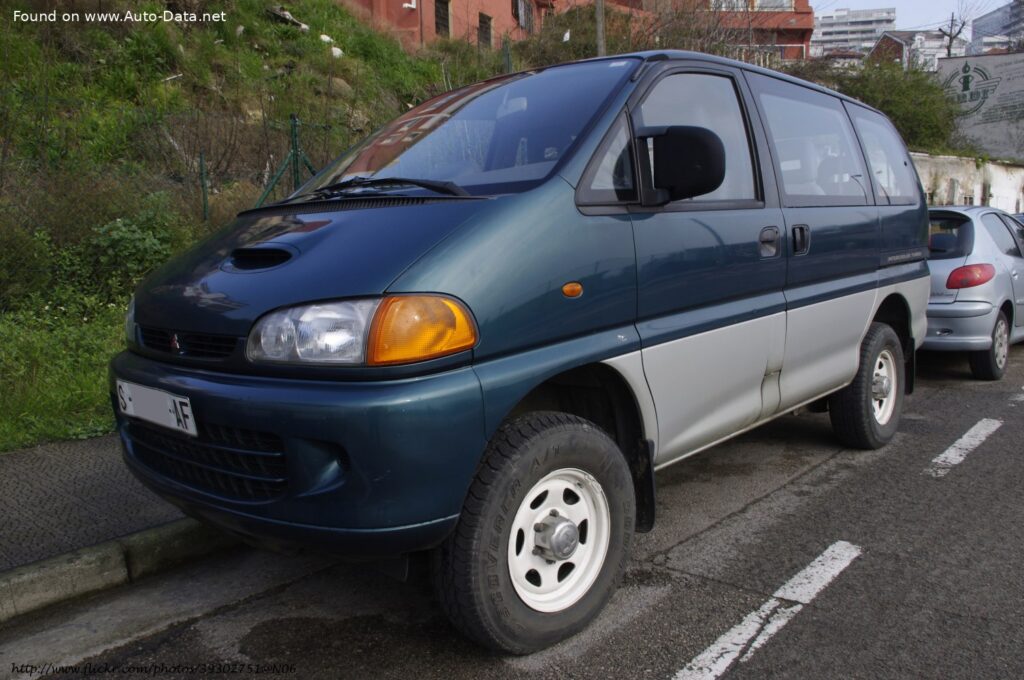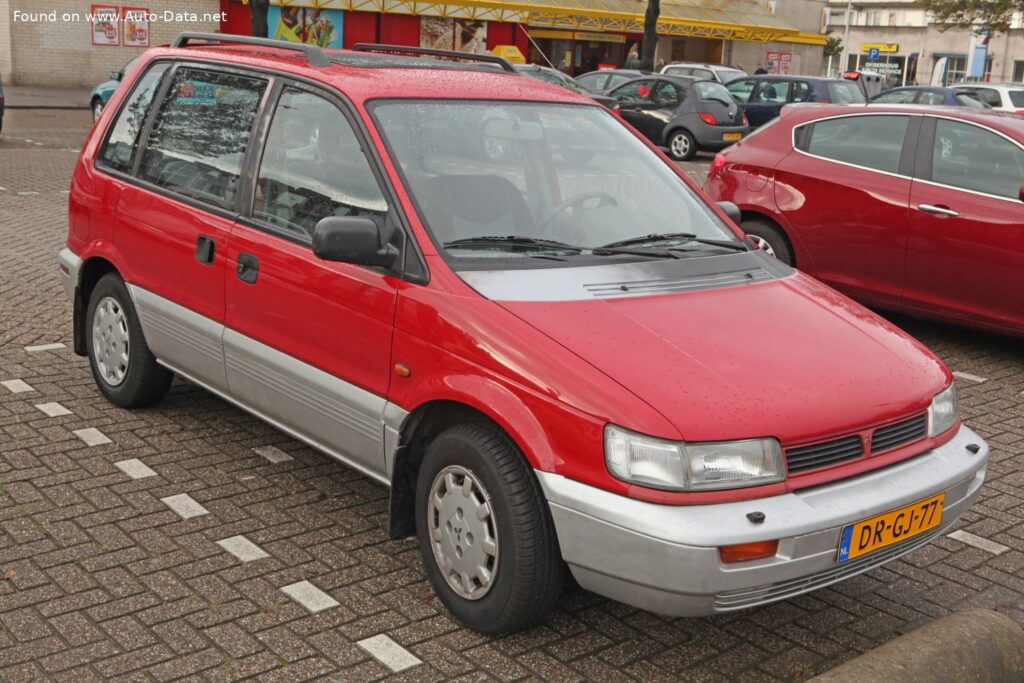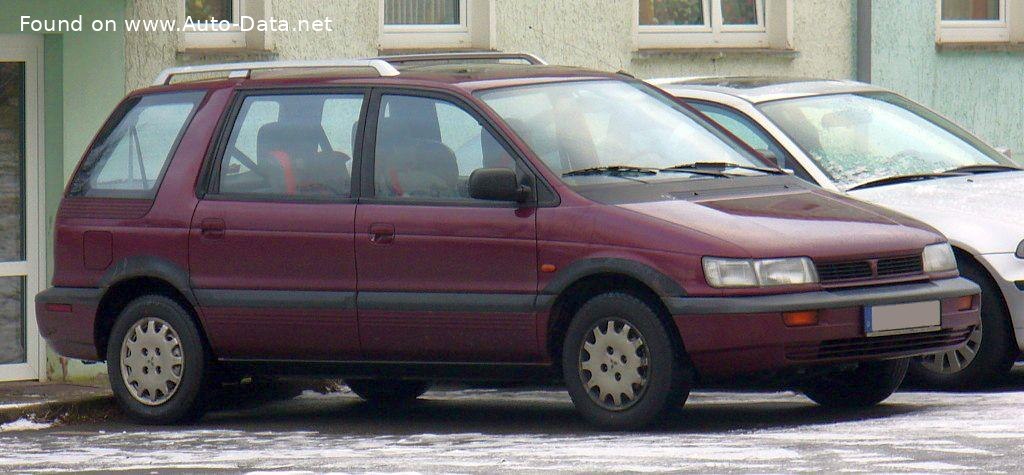
The Mitsubishi Space Wagon II 2.0 GLXi 4×4 (N43W), produced between 1992 and 1998, represents a significant evolution in Mitsubishi’s minivan offerings. While not officially sold in the United States, the Space Wagon (known as the Mitsubishi RVR in some markets, and the Expo/Space Runner in others) was a popular choice in Europe, Australia, and parts of Asia, offering a practical and versatile seven-passenger vehicle. This second generation model built upon the success of the original, providing increased space, improved performance, and available all-wheel drive, making it a compelling option for families seeking a capable and comfortable vehicle.
Mitsubishi Space Wagon II: A Detailed Overview
The Space Wagon II occupied a niche in the compact minivan segment, competing with vehicles like the Renault Espace and Toyota Previa. Its key selling points were its relatively compact size for a seven-seater, its available four-wheel drive system, and its focus on practicality. The N43W designation specifically refers to the 2.0-liter, four-wheel drive variant with the GLXi trim level, representing a well-equipped version of the Space Wagon II.
Engine & Performance
Powering the Space Wagon II 2.0 GLXi 4×4 is Mitsubishi’s 4G63 2.0-liter inline-four cylinder gasoline engine. This naturally aspirated engine produces 133 horsepower at 6000 rpm and 176 Nm (129.81 lb.-ft.) of torque at 4750 rpm. While not a performance-oriented engine, it provided adequate power for everyday driving and hauling a full load of passengers. The engine features multi-port fuel injection and an overhead camshaft (OHC) valvetrain. The power-to-weight ratio of 10.8 kg/Hp (92.6 Hp/tonne) indicates a reasonable level of performance for its class and era. Acceleration from 0 to 100 km/h (0-62 mph) takes 12.1 seconds, while 0-60 mph is achieved in approximately 11.5 seconds. The vehicle boasts a top speed of 180 km/h (111.85 mph). Fuel economy figures are rated at 9.9 l/100 km (23.8 US mpg, 28.5 UK mpg) combined, with 12 l/100 km (19.6 US mpg, 23.5 UK mpg) in urban conditions and 7.7 l/100 km (30.5 US mpg, 36.7 UK mpg) on the open road.
Design & Features
The Space Wagon II is a five-door minivan with a boxy, yet functional design typical of the early 1990s. Its primary focus was maximizing interior space and practicality. The vehicle comfortably seats seven passengers across three rows, although the third row is best suited for children or shorter adults. The interior design is straightforward and durable, prioritizing functionality over luxury. Key features of the GLXi trim level included power steering, ABS (Anti-lock Braking System), and a five-speed manual transmission. The all-wheel drive system enhances traction and stability, particularly in adverse weather conditions. Trunk space is highly versatile, ranging from a minimum of 212 liters (7.49 cu. ft.) with all seats in use to a maximum of 1714 liters (60.53 cu. ft.) with the rear seats folded down. The Space Wagon II’s design prioritized passenger comfort and utility, making it a practical choice for families.
Safety Features
For its time, the Space Wagon II offered a reasonable level of safety equipment. The inclusion of ABS was a significant feature, improving braking performance and control. However, it lacked many of the advanced safety features found in modern vehicles, such as airbags or electronic stability control. The vehicle’s robust construction and relatively compact size contributed to its overall safety profile.
Technical Specifications
| Brand | Mitsubishi |
| Model | Space Wagon |
| Generation | Space Wagon II |
| Type | 2.0 GLXi 4×4 (N43W) (133 Hp) |
| Start of production | 1992 |
| End of production | 1998 |
| Powertrain Architecture | Internal Combustion engine |
| Body type | Minivan |
| Seats | 7 |
| Doors | 5 |
| Fuel consumption (urban) | 12 l/100 km (19.6 US mpg, 23.5 UK mpg) |
| Fuel consumption (extra urban) | 7.7 l/100 km (30.5 US mpg, 36.7 UK mpg) |
| Fuel consumption (combined) | 9.9 l/100 km (23.8 US mpg, 28.5 UK mpg) |
| Fuel Type | Petrol (Gasoline) |
| Acceleration 0 – 100 km/h | 12.1 sec |
| Acceleration 0 – 62 mph | 12.1 sec |
| Acceleration 0 – 60 mph | 11.5 sec |
| Maximum speed | 180 km/h (111.85 mph) |
| Weight-to-power ratio | 10.8 kg/Hp |
| Power | 133 Hp @ 6000 rpm |
| Torque | 176 Nm @ 4750 rpm (129.81 lb.-ft. @ 4750 rpm) |
| Engine layout | Front, Transverse |
| Engine Model/Code | 4G63 |
| Engine displacement | 1997 cm3 (121.86 cu. in.) |
| Number of cylinders | 4 |
| Engine configuration | Inline |
| Cylinder Bore | 85 mm (3.35 in.) |
| Piston Stroke | 88 mm (3.46 in.) |
| Compression ratio | 10:1 |
| Number of valves per cylinder | 4 |
| Fuel injection system | Multi-port manifold injection |
| Engine aspiration | Naturally aspirated |
| Valvetrain | OHC |
| Kerb Weight | 1436 kg (3165.84 lbs.) |
| Trunk (boot) space – minimum | 212 l (7.49 cu. ft.) |
| Trunk (boot) space – maximum | 1714 l (60.53 cu. ft.) |
| Fuel tank capacity | 60 l (15.85 US gal | 13.2 UK gal) |
| Length | 4515 mm (177.76 in.) |
| Width | 1695 mm (66.73 in.) |
| Height | 1630 mm (64.17 in.) |
| Wheelbase | 2720 mm (107.09 in.) |
| Front track | 1455 mm (57.28 in.) |
| Rear track | 1460 mm (57.48 in.) |
| Drive wheel | All wheel drive (4×4) |
| Number of gears | 5 |
| Gearbox type | Manual transmission |
| Front suspension | Wishbone |
| Rear suspension | Coil spring |
| Front brakes | Ventilated discs |
| Rear brakes | Drum |
| Assisting systems | ABS (Anti-lock braking system) |
| Steering type | Steering rack and pinion |
| Power steering | Hydraulic |
| Tires size | 185/70 R14 |
| Wheel rims size | 14 |
The Mitsubishi Space Wagon II 2.0 GLXi 4×4 (N43W) remains a testament to Mitsubishi’s engineering prowess in the compact minivan segment. Its blend of practicality, versatility, and available all-wheel drive made it a popular choice for families in its target markets, and it continues to be appreciated by enthusiasts today.