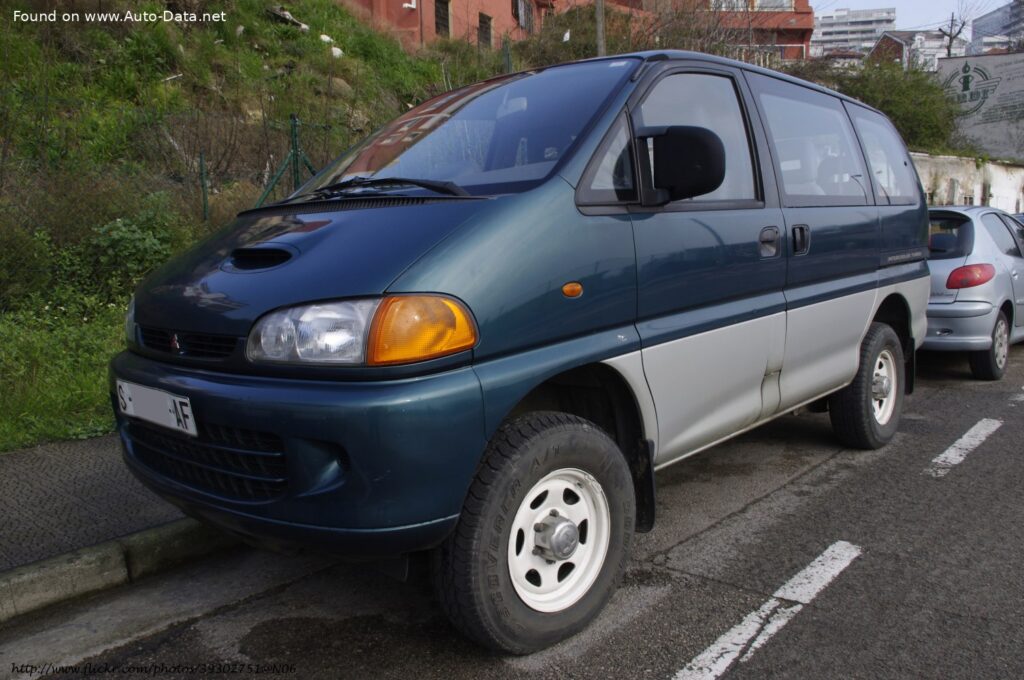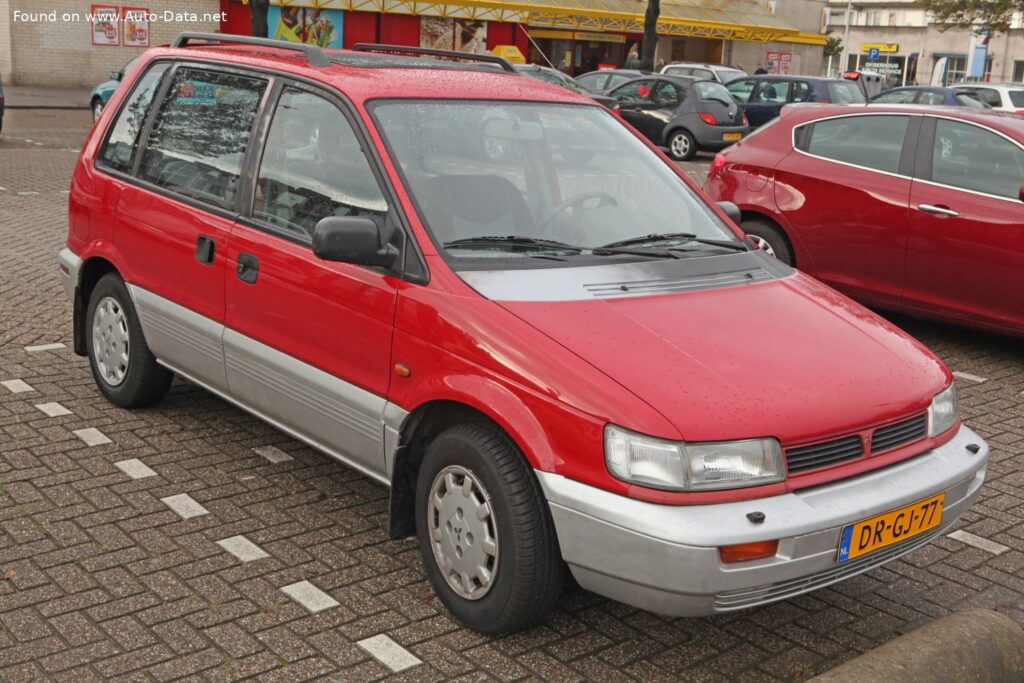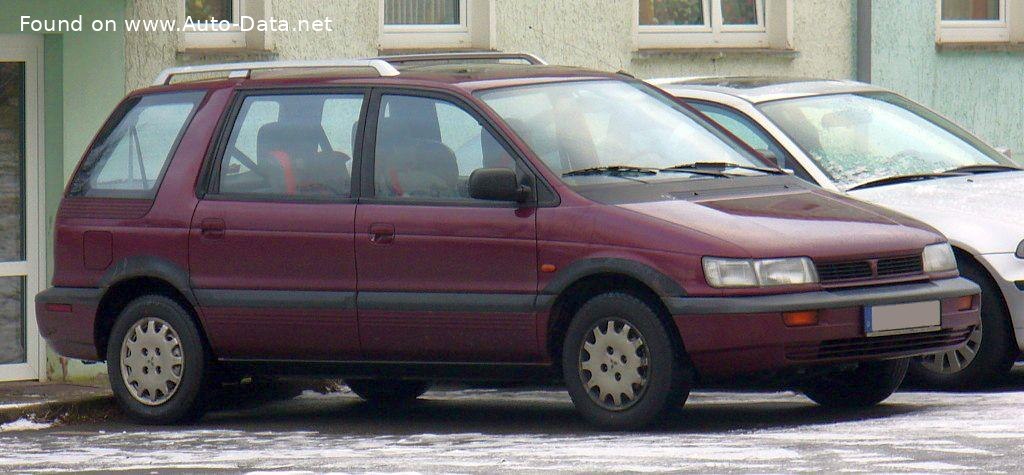
The Mitsubishi Space Wagon II 2.0 TD GLX (N38W), produced from 1992 to 1998, represents the second generation of Mitsubishi’s compact MPV (Multi-Purpose Vehicle). This model, primarily aimed at the European market, offered a practical and spacious solution for families seeking a versatile vehicle. While not officially sold in the United States, the Space Wagon II filled a crucial niche in Europe, competing with vehicles like the Renault Espace and Volkswagen Sharan. The “GLX” trim level denoted a higher specification, offering enhanced features and comfort compared to base models. The 2.0 TD GLX specifically utilized a turbocharged diesel engine, prioritizing fuel efficiency and torque for long-distance travel – a common requirement for European drivers.
Mitsubishi Space Wagon II: A European Family Hauler
The Space Wagon II was a significant evolution from the original Space Wagon, offering increased interior space, improved refinement, and a more modern design. It was designed to maximize usability, with a focus on passenger comfort and cargo capacity. The seven-seat configuration, a key selling point, allowed families to transport a large number of passengers without sacrificing practicality. The N38W chassis code identifies this specific iteration, denoting the body style and engine configuration. The vehicle’s success stemmed from its ability to blend the functionality of a van with the comfort and features of a passenger car.
Engine & Performance
The heart of the Space Wagon II 2.0 TD GLX is a 1.998-liter inline-four cylinder diesel engine. This engine, producing 82 horsepower at 4500 rpm and 172 Nm (126.86 lb.-ft.) of torque at 2500 rpm, was designed for efficiency and durability. The power-to-litre ratio of 41 hp/l reflects the engine’s focus on economy rather than outright performance. A turbocharger was employed to boost power and improve responsiveness, mitigating some of the inherent limitations of a naturally aspirated diesel. The engine featured a Diesel Commonrail fuel injection system, a relatively advanced technology for its time, contributing to cleaner emissions and smoother operation. The valvetrain utilized an Overhead Camshaft (OHC) configuration, a common design for four-cylinder engines. The engine’s transverse mounting within the front-wheel-drive layout optimized space utilization within the engine bay. The 5-speed manual transmission allowed drivers to effectively manage the engine’s torque output, providing a balance between fuel economy and performance. While not a sports car, the Space Wagon II offered sufficient power for comfortable cruising and everyday driving needs.
Design & Features
The Mitsubishi Space Wagon II is a five-door minivan with a boxy, yet functional design. This shape maximized interior space and practicality. The seven-seat configuration was a defining feature, with the rear seats typically folding flat or being removable to create a larger cargo area. The GLX trim level included features such as power steering (hydraulic), and an Anti-lock Braking System (ABS), enhancing both driver convenience and safety. The interior was designed with family use in mind, featuring durable materials and a practical layout. While not luxurious, the GLX trim offered a reasonable level of comfort and refinement. The vehicle’s tires were sized at 185/70 R14, a common size for vehicles of this class during the 1990s. The Space Wagon II’s design prioritized functionality over aesthetics, resulting in a vehicle that was highly practical and well-suited to its intended purpose. The focus was on providing a safe, comfortable, and versatile transportation solution for families.
Technical Specifications
| Brand | Mitsubishi |
| Model | Space Wagon |
| Generation | Space Wagon II |
| Type | 2.0 TD GLX (N38W) (82 Hp) |
| Start of production | 1992 |
| End of production | 1998 |
| Powertrain Architecture | Internal Combustion engine |
| Body type | Minivan |
| Seats | 7 |
| Doors | 5 |
| Fuel Type | Diesel |
| Power | 82 Hp @ 4500 rpm |
| Power per litre | 41 Hp/l |
| Torque | 172 Nm @ 2500 rpm / 126.86 lb.-ft. @ 2500 rpm |
| Engine layout | Front, Transverse |
| Engine displacement | 1998 cm3 / 121.93 cu. in. |
| Number of cylinders | 4 |
| Engine configuration | Inline |
| Cylinder Bore | 82.7 mm / 3.26 in. |
| Piston Stroke | 93 mm / 3.66 in. |
| Compression ratio | 22.4:1 |
| Number of valves per cylinder | 2 |
| Fuel injection system | Diesel Commonrail |
| Engine aspiration | Turbocharger |
| Valvetrain | OHC |
| Drivetrain Architecture | The Internal combustion engine (ICE) drives the front wheels of the vehicle. |
| Drive wheel | Front wheel drive |
| Number of gears and type of gearbox | 5 gears, manual transmission |
| Front suspension | Wishbone |
| Rear suspension | Coil spring |
| Front brakes | Ventilated discs |
| Rear brakes | Disc |
| Assisting systems | ABS (Anti-lock braking system) |
| Power steering | Hydraulic Steering |
| Tires size | 185/70 R14 |
The Mitsubishi Space Wagon II 2.0 TD GLX (N38W) remains a testament to practical automotive design. While largely absent from the North American market, it served as a popular and reliable family vehicle in Europe, offering a compelling combination of space, efficiency, and affordability. Its impact lies in demonstrating the viability of the compact MPV segment and influencing the design of subsequent family vehicles.