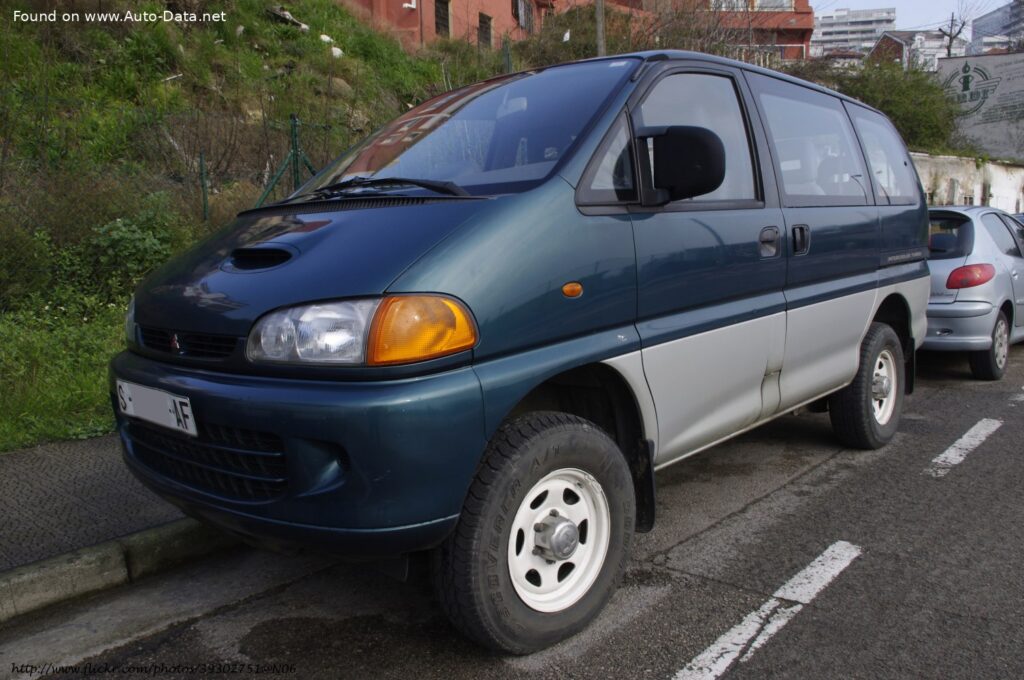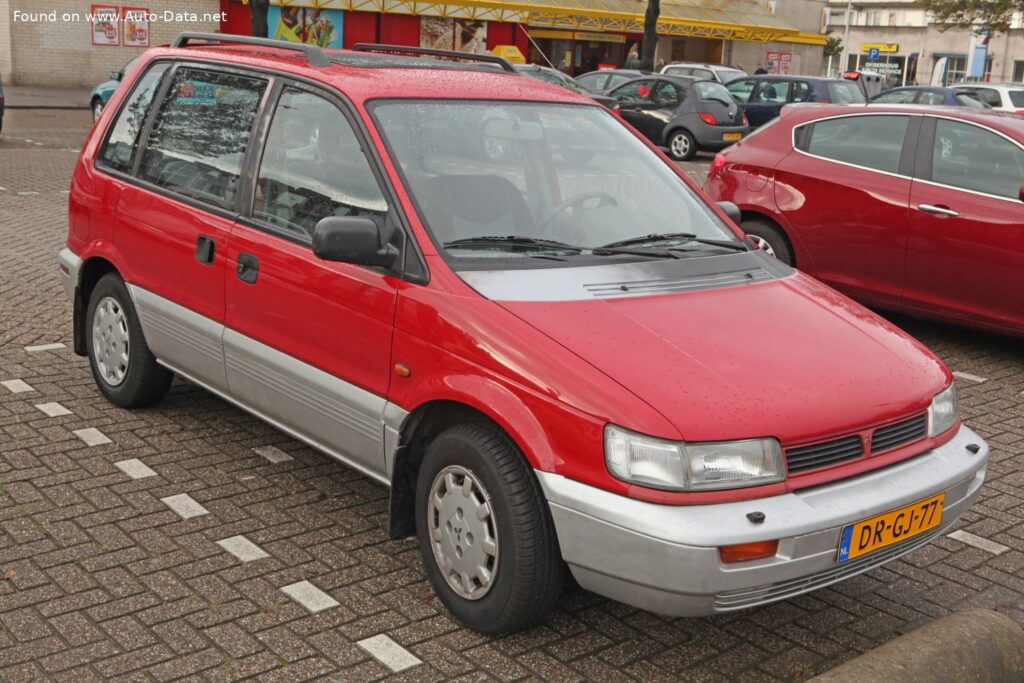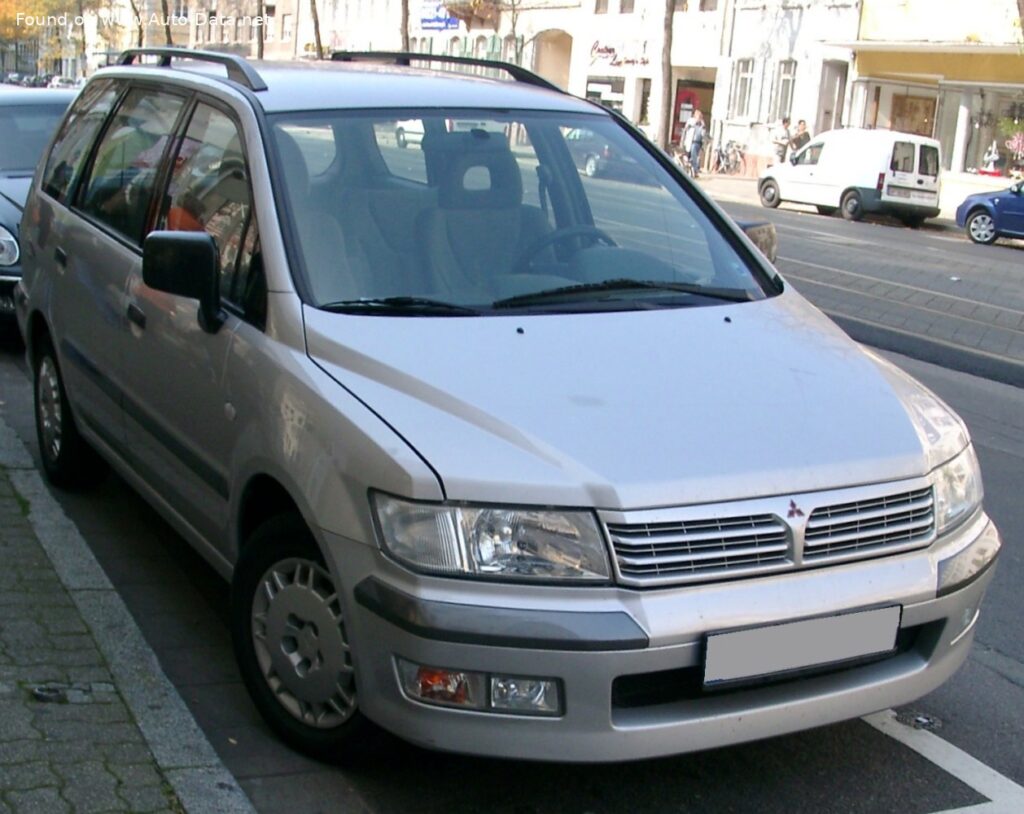
The Mitsubishi Space Wagon III 3.0 GDi 24V (215 Hp), produced between 1998 and 2004, represents the third generation of Mitsubishi’s popular minivan. While not widely sold in the United States, the Space Wagon held a significant position in the European and Asian markets as a practical and spacious family vehicle. It competed with models like the Renault Espace, Volkswagen Sharan, and Toyota Previa, offering a blend of comfort, utility, and a surprisingly potent engine for its class. This generation marked a step up in refinement and performance compared to its predecessors, incorporating Mitsubishi’s GDi (Gasoline Direct Injection) technology for improved fuel efficiency and power output.
Mitsubishi Space Wagon III: An Overview
The Space Wagon III was designed to cater to families needing a versatile vehicle for both daily commutes and longer journeys. Its five-seat configuration, combined with a generous cargo area, made it ideal for transporting passengers and luggage. The 3.0-liter V6 engine, a relatively large displacement for a minivan at the time, provided ample power for confident acceleration and highway cruising. The vehicle’s focus was on providing a comfortable and reliable transportation solution, prioritizing practicality over sporty handling.
Engine & Performance
At the heart of the Space Wagon III 3.0 GDi 24V lies a 2.972-liter (181.36 cubic inches) V6 engine. This naturally aspirated powerplant produces 215 horsepower at 5500 rpm and 299 Nm (220.53 lb-ft) of torque at 3250 rpm. The engine’s specific output is a respectable 72.3 horsepower per liter. Mitsubishi’s GDi technology, a form of direct fuel injection, played a crucial role in optimizing combustion efficiency and boosting power. This system injects fuel directly into the combustion chamber, allowing for more precise control over the air-fuel mixture. The engine is transversely mounted at the front of the vehicle and is coupled with a four-speed automatic transmission, delivering power to the front wheels. The Space Wagon III achieves a maximum speed of 180 km/h (111.85 mph). The weight-to-power ratio of 7.6 kg/Hp and weight-to-torque ratio of 5.5 kg/Nm contribute to a responsive driving experience, especially considering the vehicle’s size and intended purpose.
Design & Features
The Mitsubishi Space Wagon III is a five-door minivan characterized by its boxy, yet functional design. Its dimensions – 4600 mm (181.1 in) in length, 1775 mm (69.88 in) in width, and 1690 mm (66.54 in) in height – provide a substantial presence on the road. The vehicle’s interior is designed with practicality in mind, offering comfortable seating for five passengers. A key feature is its versatile cargo space, ranging from a minimum of 240 liters (8.48 cu. ft.) with all seats in place to a maximum of 1930 liters (68.16 cu. ft.) with the rear seats folded down. Safety features for the era included an Anti-lock Braking System (ABS), which helped improve braking performance and stability. The suspension system utilizes a wishbone configuration at the front and coil springs at the rear, providing a comfortable ride quality. Hydraulic power steering ensures ease of maneuverability. The vehicle rides on 205/65 R15 tires.
Technical Specifications
| Brand | Mitsubishi |
| Model | Space Wagon |
| Generation | Space Wagon III |
| Type (Engine) | 3.0 GDi 24V (215 Hp) |
| Start of production | 1998 |
| End of production | 2004 |
| Powertrain Architecture | Internal Combustion engine |
| Body type | Minivan |
| Seats | 5 |
| Doors | 5 |
| Fuel consumption (urban) | 15 l/100 km (15.7 US mpg, 18.8 UK mpg, 6.7 km/l) |
| Fuel consumption (extra urban) | 9 l/100 km (26.1 US mpg, 31.4 UK mpg, 11.1 km/l) |
| Fuel Type | Petrol (Gasoline) |
| Maximum speed | 180 km/h (111.85 mph) |
| Weight-to-power ratio | 7.6 kg/Hp |
| Weight-to-torque ratio | 5.5 kg/Nm |
| Power | 215 Hp @ 5500 rpm |
| Power per litre | 72.3 Hp/l |
| Torque | 299 Nm @ 3250 rpm (220.53 lb.-ft. @ 3250 rpm) |
| Engine layout | Front, Transverse |
| Engine displacement | 2972 cm3 (181.36 cu. in.) |
| Number of cylinders | 6 |
| Engine configuration | V-engine |
| Cylinder Bore | 91.1 mm (3.59 in.) |
| Piston Stroke | 76 mm (2.99 in.) |
| Compression ratio | 10:1 |
| Number of valves per cylinder | 4 |
| Fuel injection system | Direct injection |
| Engine aspiration | Naturally aspirated engine |
| Valvetrain | DOHC |
| Kerb Weight | 1640 kg (3615.58 lbs.) |
| Trunk (boot) space – minimum | 240 l (8.48 cu. ft.) |
| Trunk (boot) space – maximum | 1930 l (68.16 cu. ft.) |
| Fuel tank capacity | 64 l (16.91 US gal | 14.08 UK gal) |
| Length | 4600 mm (181.1 in.) |
| Width | 1775 mm (69.88 in.) |
| Height | 1690 mm (66.54 in.) |
| Wheelbase | 2780 mm (109.45 in.) |
| Front track | 1500 mm (59.06 in.) |
| Rear (Back) track | 1535 mm (60.43 in.) |
| Drivetrain Architecture | Front wheel drive, Internal Combustion engine |
| Drive wheel | Front wheel drive |
| Number of gears and type of gearbox | 4 gears, automatic transmission |
| Front suspension | Wishbone |
| Rear suspension | Coil spring |
| Front brakes | Ventilated discs |
| Rear brakes | Disc |
| Assisting systems | ABS (Anti-lock braking system) |
| Steering type | Steering rack and pinion |
| Power steering | Hydraulic Steering |
| Tires size | 205/65 R15 |
The Mitsubishi Space Wagon III 3.0 GDi 24V offered a compelling package for families seeking a spacious, comfortable, and relatively powerful minivan. While it didn’t achieve widespread popularity in the US market, it remains a notable vehicle in the history of Mitsubishi and a testament to the company’s engineering capabilities during the late 1990s and early 2000s.