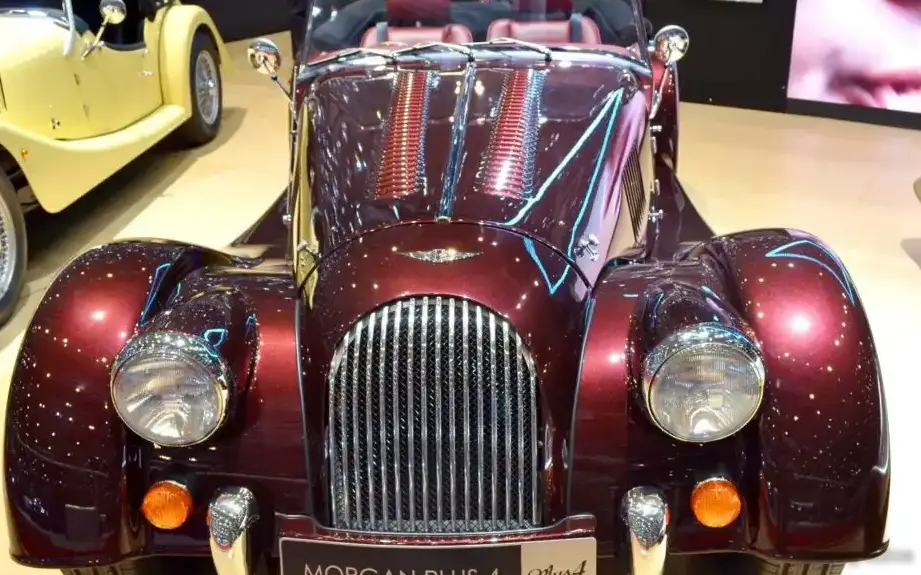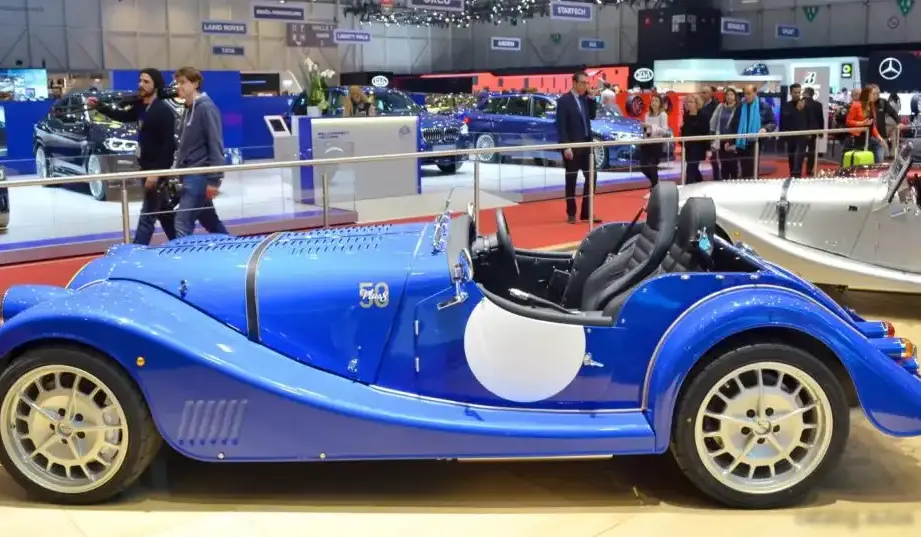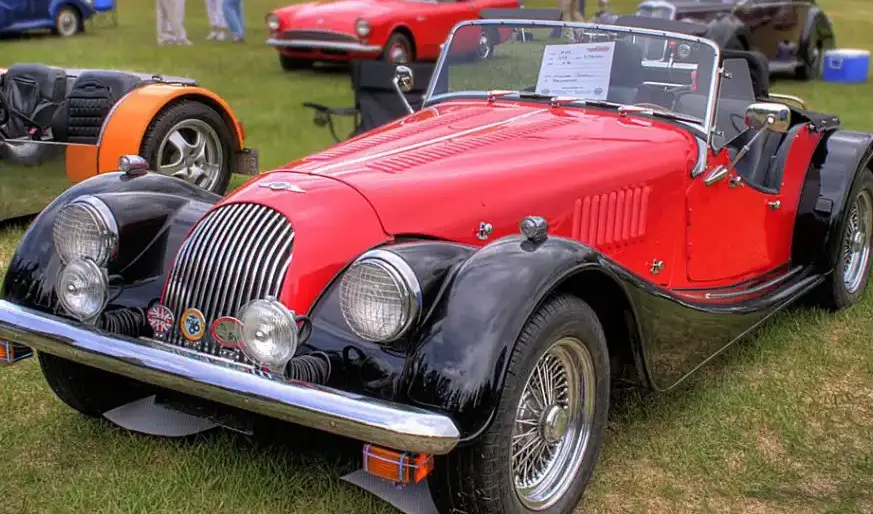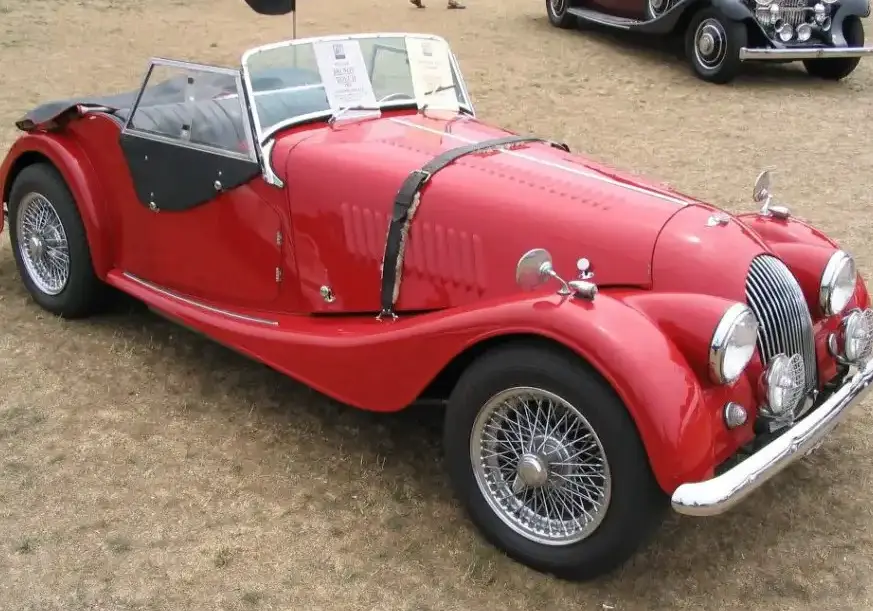
The Morgan Plus 4 2.0i, produced between 1985 and 1988, represents a significant evolution within the long-running Plus 4 lineage. This variant, powered by a 2.0-liter fuel-injected engine producing 122 horsepower, aimed to modernize the classic Morgan formula while retaining its core appeal of traditional British sports car motoring. It occupied a middle ground in the Plus 4 range during its production, offering a blend of performance and refinement that appealed to buyers seeking a more contemporary driving experience than the earlier carbureted models, but without the outright performance focus of later, more powerful iterations. The 2.0i was built on the traditional Morgan steel chassis, clothed in aluminum body panels, and continued the company’s commitment to hand-built craftsmanship.
Technical Specifications
| Brand | Morgan |
| Model | Plus 4 |
| Generation | Plus 4 |
| Type (Engine) | 2.0 i (122 Hp) |
| Start of Production | 1985 |
| End of Production | 1988 |
| Powertrain Architecture | Internal Combustion Engine |
| Body Type | Cabriolet |
| Fuel Type | Petrol (Gasoline) |
| Power | 122 Hp |
| Engine Aspiration | Naturally Aspirated |
Powertrain & Engine Architecture
The heart of the Plus 4 2.0i is the Triumph Dolomite-derived 2.0-liter inline-four cylinder engine. However, unlike earlier Plus 4 models that utilized Zenith-Stromberg carburetors, the 2.0i featured Bosch K-Jetronic mechanical fuel injection. This system, while complex for its time, offered improved fuel efficiency, smoother running, and increased power output compared to the carbureted engines. The engine code is typically identified as 16V, referencing the engine’s sixteen-valve cylinder head. The engine produced 122 horsepower at approximately 5,500 rpm and 125 lb-ft of torque at 3,500 rpm.
The engine’s valvetrain consists of a single overhead camshaft operating two valves per cylinder. The compression ratio is 9.5:1. The engine is mated to a four-speed manual transmission as standard, although a five-speed manual was offered as an option. The transmission sends power to the rear wheels via a traditional live axle. The 2.0i’s engine, while a significant upgrade over previous Plus 4 powertrains, was still relatively modest in terms of outright performance, prioritizing drivability and reliability over raw speed.
Driving Characteristics
The Plus 4 2.0i offers a distinctly classic British sports car driving experience. The car is lightweight, tipping the scales at around 2,200 pounds, which contributes to a lively and engaging feel. The 122 horsepower engine provides adequate performance for spirited driving on winding roads, but it’s not a particularly quick car by modern standards. Acceleration from 0 to 60 mph takes around 9 seconds, and the top speed is approximately 115 mph. The four-speed manual transmission requires careful use to keep the engine in its sweet spot, and the gear ratios are relatively widely spaced. The five-speed option provides closer ratios and improves overall drivability. The car’s handling is characterized by its light steering and predictable, if somewhat understeered, behavior. The live axle rear end can exhibit some axle tramp on uneven surfaces, but this is part of the car’s character.
Compared to the earlier 1.6-liter carbureted Plus 4s, the 2.0i offers noticeably improved performance and refinement. The fuel injection system provides smoother throttle response and better cold-starting characteristics. Compared to later Plus 4 models with larger engines, the 2.0i is less powerful but also more manageable and arguably more enjoyable to drive at moderate speeds.
Equipment & Trim Levels
The Plus 4 2.0i was relatively sparsely equipped by modern standards, reflecting its focus on simplicity and driving enjoyment. Standard features included leather upholstery, wood trim, and a full set of instruments, including a speedometer, tachometer, oil pressure gauge, and water temperature gauge. Wire wheels were standard, although steel wheels with center caps were available as an option. The hood was typically made of canvas, and side screens were fitted to protect occupants from the elements.
Optional extras included a five-speed manual transmission, a limited-slip differential, and various trim upgrades, such as different wood veneers and leather colors. Some cars were also equipped with auxiliary driving lights and a radio. The interior trim was generally quite basic, but well-made and durable. The dashboard layout was traditional, with the instruments arranged in a straightforward and easy-to-read manner.
Chassis & Braking
The Plus 4 2.0i utilizes a traditional Morgan chassis, consisting of a steel ladder frame. The suspension is independent at the front, using coil springs and wishbones, and a live axle with leaf springs at the rear. The brakes are disc brakes at the front and drum brakes at the rear. The braking system is adequate for the car’s performance, but it lacks the stopping power of more modern cars. The steering is rack and pinion, providing light and precise control. The car’s relatively low weight helps to offset the limitations of its suspension and braking systems.
The chassis and suspension setup are designed to provide a comfortable ride on smooth roads, but can become unsettled on rough surfaces. The live axle rear end can contribute to a bouncy ride, and the drum brakes at the rear can fade under heavy use.
Market Reception & Comparison
The Plus 4 2.0i was generally well-received by automotive critics, who praised its classic styling, engaging driving experience, and improved performance compared to earlier Plus 4 models. However, some critics noted that the car was relatively expensive for its performance and that its equipment levels were somewhat basic. Fuel economy was reasonable for the time, averaging around 25-30 mpg. Reliability was generally good, although the Bosch K-Jetronic fuel injection system could be complex to diagnose and repair.
Compared to other British sports cars of the era, such as the MG MGB and the Triumph TR7, the Plus 4 2.0i offered a more unique and traditional driving experience. It was also more expensive than these cars, reflecting its hand-built construction and higher level of craftsmanship.
Legacy
The Morgan Plus 4 2.0i remains a popular choice among enthusiasts of classic British sports cars. The Bosch K-Jetronic fuel injection system, while complex, is generally considered to be reliable if properly maintained. Parts availability is generally good, although some parts can be expensive. The car’s simple construction and robust mechanicals make it relatively easy to maintain and repair. Today, the Plus 4 2.0i is valued for its classic styling, engaging driving experience, and its status as a representative example of traditional Morgan craftsmanship. Values have been steadily increasing in recent years, reflecting the growing demand for well-preserved examples of this iconic British sports car. A well-maintained example can fetch prices ranging from $30,000 to $50,000, depending on condition and originality.