Technical Specifications
| Brand | Morgan |
| Model | Plus 4 |
| Generation | Plus 4 |
| Type (Engine) | 2.0 i (135 Hp) |
| Start of Production | 1992 |
| End of Production | 2000 |
| Powertrain Architecture | Internal Combustion Engine |
| Body Type | Cabriolet |
| Fuel Type | Petrol (Gasoline) |
| Engine Specs (Power) | 135 Hp |
| Engine Aspiration | Naturally Aspirated |
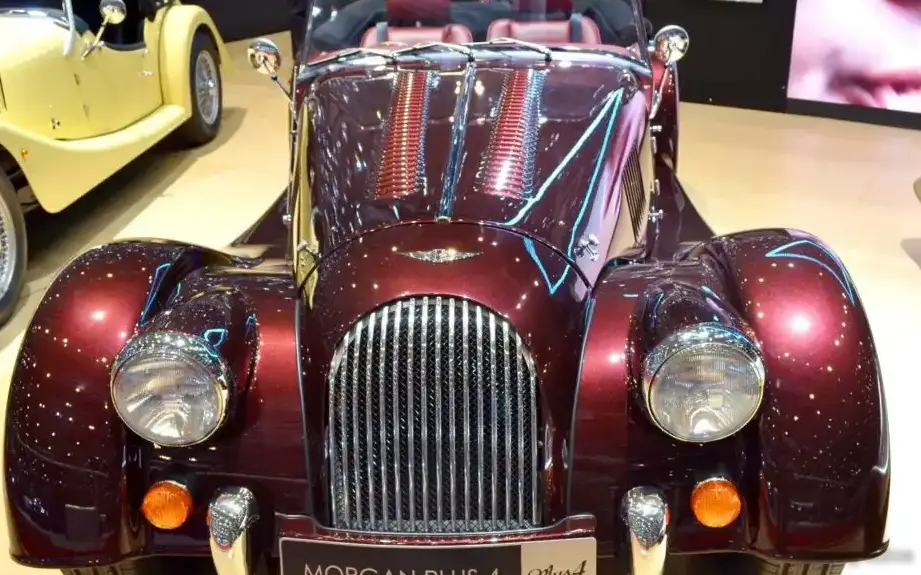
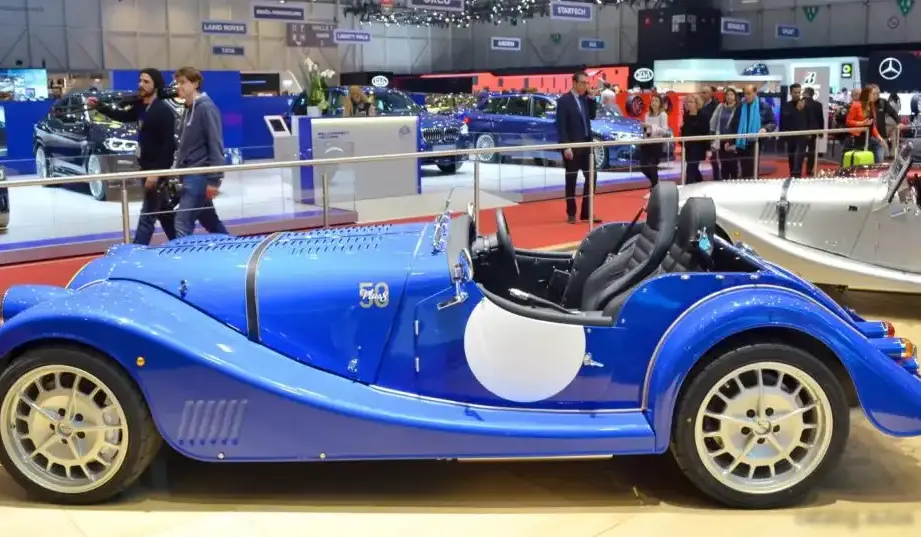
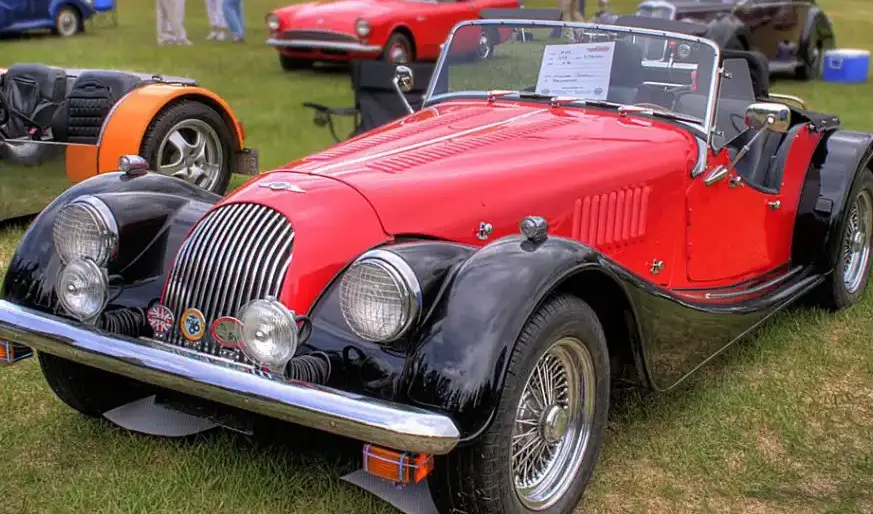
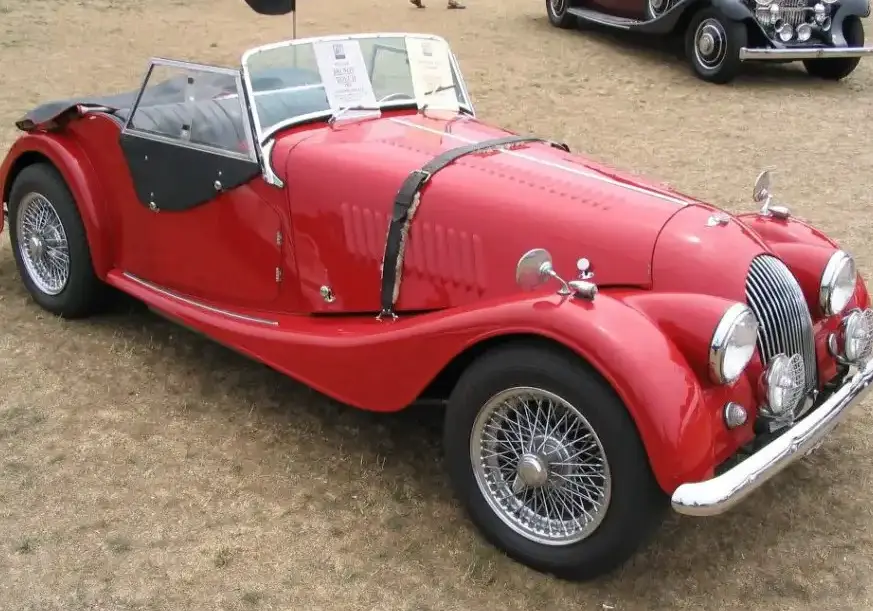
The Morgan Plus 4 2.0i, produced between 1992 and 2000, represents a significant evolution of the long-running Plus 4 model, a cornerstone of the Morgan Motor Company’s lineup. This variant, powered by a fuel-injected 2.0-liter engine producing 135 horsepower, aimed to modernize the classic Plus 4 formula while retaining the traditional Morgan driving experience. It occupied a middle ground within the Plus 4 range during its production, offering a balance between performance and affordability compared to the earlier, carbureted models and later, more powerful iterations. The 2.0i was built on the traditional Morgan steel chassis, clothed in aluminum body panels, and continued the company’s commitment to hand-built craftsmanship.
Powertrain & Engine Architecture
The heart of the Plus 4 2.0i is the Zetec-derived, 1998cc, 16-valve, four-cylinder engine. This engine represented a departure from the older Ford Kent engines previously used in the Plus 4, offering improved performance and reliability. Crucially, the ‘i’ designation signifies the introduction of Bosch fuel injection, replacing the earlier carbureted setups. This switch to fuel injection resulted in smoother running, improved fuel economy, and reduced emissions. The engine utilizes a single overhead camshaft design, and while not a particularly high-revving unit, it delivers a respectable 135 horsepower at approximately 6000 rpm. Torque output is around 125 lb-ft, providing adequate pulling power for spirited driving. The engine is mated to a five-speed manual transmission, which was the most common configuration, although a three-speed automatic transmission was offered as an option, albeit less frequently chosen. The automatic transmission, while providing ease of use, noticeably impacted the car’s acceleration and overall driving experience. The automatic was a Ford-sourced unit, known for its durability but not its responsiveness.
Driving Characteristics
The Plus 4 2.0i offers a unique driving experience, heavily influenced by its lightweight construction and traditional chassis design. The car is notably nimble and responsive, particularly with the five-speed manual transmission. Acceleration is brisk, with a 0-60 mph time of around 7.5 seconds, making it competitive with contemporary sports cars. The five-speed gearbox provides well-spaced ratios, allowing the engine to operate within its optimal power band. The automatic transmission, however, dulls the experience, resulting in slower acceleration and a less engaging drive. The car’s handling is characterized by its direct steering and predictable behavior, although the solid rear axle can exhibit some bump steer on uneven surfaces. The lack of modern driver aids means that the driver must be actively involved in controlling the car, contributing to the raw and engaging driving feel that Morgan is known for. The relatively low weight (around 2,200 lbs) contributes significantly to the car’s agility. The automatic transmission, with its wider gear spacing, required more planning when overtaking or tackling hilly roads.
Equipment & Trim Levels
The Plus 4 2.0i was offered with a relatively simple equipment list, reflecting Morgan’s focus on driving experience rather than luxury features. Standard equipment included leather upholstery, wood trim, and a full set of instruments, including a speedometer, tachometer, and gauges for oil pressure, water temperature, and fuel level. A heater was standard, but air conditioning was a rare option. The dashboard layout is classic Morgan, with a traditional, somewhat spartan appearance. Trim levels were not strictly defined, but customers could specify a range of options, including different wheel styles, hood materials (vinyl or mohair), and interior color schemes. Wire wheels were a popular option, adding to the car’s classic aesthetic. Additional options included a tonneau cover, side screens, and a luggage rack. The automatic transmission models often received slightly upgraded interior trim as a subtle incentive.
Chassis & Braking
The Plus 4 2.0i utilizes a traditional Morgan chassis, consisting of a steel ladder frame. This chassis, while relatively simple in design, is incredibly strong and durable. The suspension consists of wishbones at the front and a live axle with trailing arms at the rear. Dampers are provided at all four corners. Braking is provided by disc brakes at the front and drum brakes at the rear. While adequate for the car’s performance, the rear drum brakes are a point of criticism, as they offer less stopping power and are more prone to fade than disc brakes. The steering is a traditional steering box system, providing a direct and communicative feel. The car’s relatively low weight helps to mitigate the limitations of the braking system. The suspension setup was tuned to provide a comfortable ride, but it did not offer the same level of control as more modern suspension designs.
Market Reception & Comparison
The Plus 4 2.0i was generally well-received by automotive critics, who praised its engaging driving experience, classic styling, and hand-built craftsmanship. However, some critics noted the car’s lack of modern amenities and its somewhat primitive ride quality. Compared to other Plus 4 variants, the 2.0i offered a significant improvement in performance and refinement over the earlier carbureted models. It was also more affordable than the later, more powerful Plus 4 models. Compared to contemporary sports cars, the Plus 4 2.0i offered a unique and characterful alternative, appealing to drivers who valued driving experience over outright performance or luxury. Fuel economy was reasonable for the period, averaging around 25-30 mpg. Reliability was generally good, although the car’s age and construction mean that regular maintenance is essential. The automatic transmission versions were often seen as a compromise, appealing to buyers who prioritized ease of use over driving excitement.
Legacy
The Morgan Plus 4 2.0i remains a popular choice among enthusiasts today. Its combination of classic styling, engaging driving experience, and relative affordability has ensured its continued desirability in the used car market. The Zetec-derived engine is generally considered to be reliable, although regular maintenance is crucial. Parts availability is good, thanks to Morgan’s continued support for older models. The Plus 4 2.0i represents a sweet spot in the Plus 4 lineage, offering a modernised engine in a traditional package. Values have been steadily increasing in recent years, reflecting the growing appreciation for classic British sports cars. The car’s enduring appeal lies in its ability to provide a unique and rewarding driving experience that is increasingly rare in the modern automotive landscape. It stands as a testament to Morgan’s commitment to building cars that are more about the joy of driving than about technological innovation. The automatic transmission models, while less sought after by purists, offer a more accessible entry point into Morgan ownership.