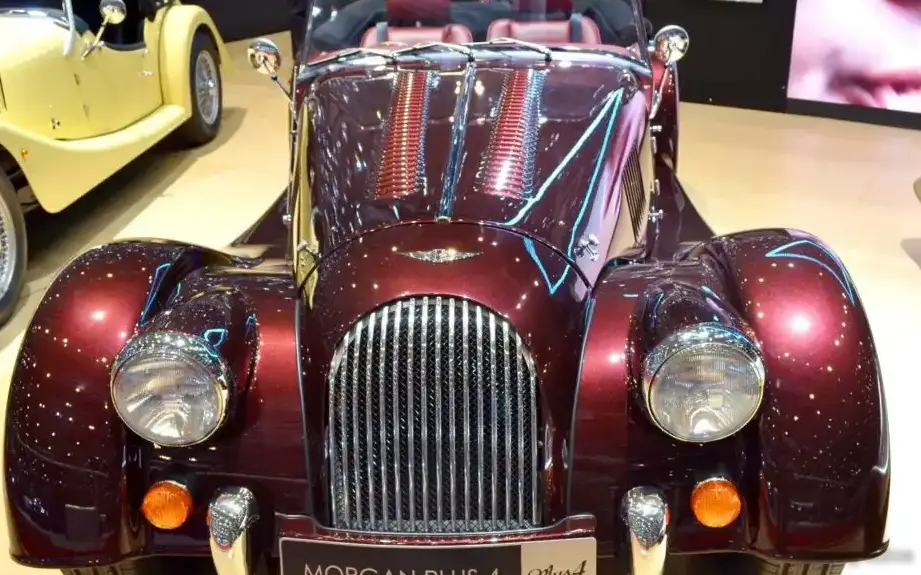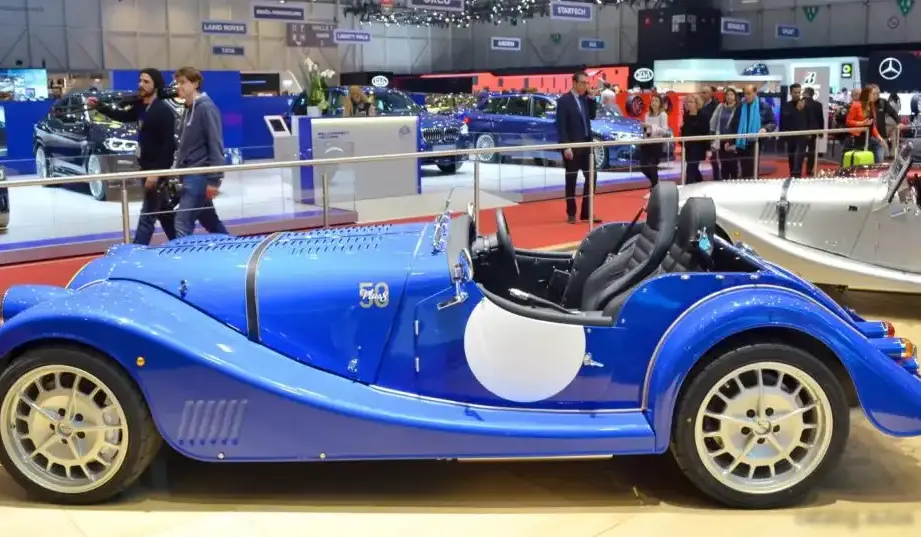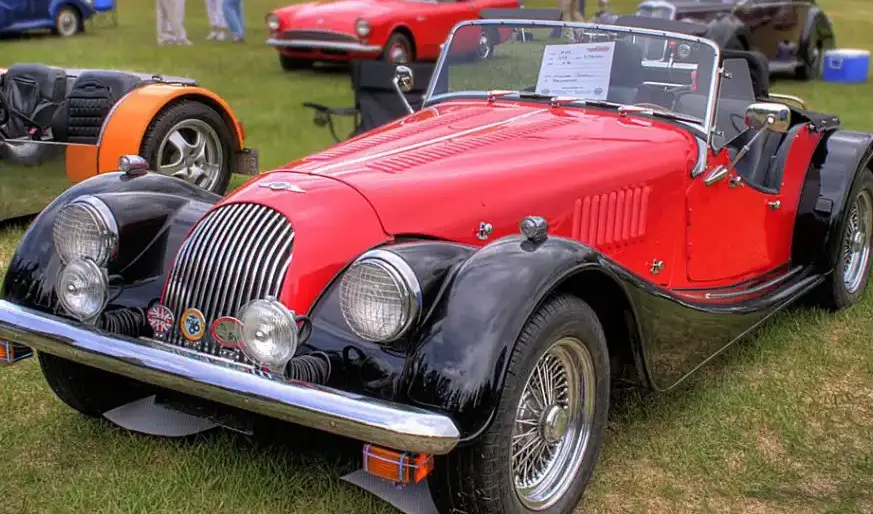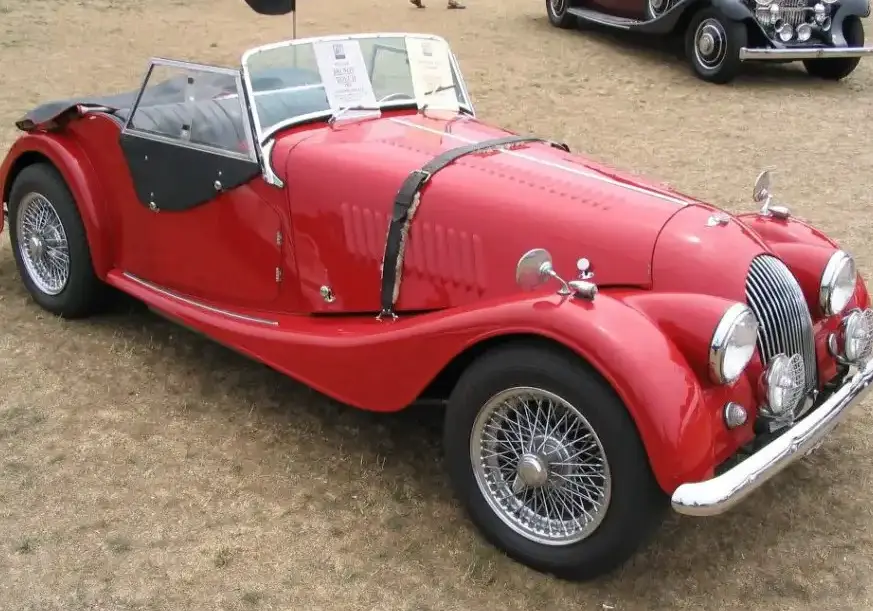
The Morgan Plus 4 2.0i, produced between 1988 and 1992, represented a significant evolution of the long-running Plus 4 model line. Falling within the fourth generation of the Plus 4 (introduced in 1969), this variant aimed to modernize the classic Morgan formula with a larger, fuel-injected engine while retaining the traditional aesthetic and driving experience. It occupied a mid-range position within the Plus 4 lineup, offering a step up in performance from the earlier 1.6-liter versions but remaining more accessible than later, more heavily modified models. The 2.0i was a key part of Morgan’s strategy to appeal to a broader customer base seeking a blend of classic British sports car charm and improved usability.
Technical Specifications
| Brand | Morgan |
| Model | Plus 4 |
| Generation | Plus 4 |
| Type (Engine) | 2.0 i (140 Hp) |
| Start of production | 1988 |
| End of production | 1992 |
| Powertrain Architecture | Internal Combustion engine |
| Body type | Cabriolet |
| Seats | 4 |
| Doors | 2 |
| Fuel consumption (urban) | 11 l/100 km (21.4 US mpg) |
| Fuel consumption (extra urban) | 8 l/100 km (29.4 US mpg) |
| Fuel Type | Petrol (Gasoline) |
| Acceleration 0 – 100 km/h | 7.5 sec |
| Acceleration 0 – 62 mph | 7.5 sec |
| Acceleration 0 – 60 mph | 7.1 sec |
| Maximum speed | 195 km/h (121.17 mph) |
| Power | 140 Hp @ 6000 rpm |
| Torque | 178 Nm @ 4500 rpm (131.29 lb.-ft. @ 4500 rpm) |
| Engine displacement | 1994 cm3 (121.68 cu. in.) |
| Number of cylinders | 4 |
| Engine configuration | Inline |
| Cylinder Bore | 84.5 mm (3.33 in.) |
| Piston Stroke | 88.9 mm (3.5 in.) |
| Compression ratio | 10:1 |
| Engine aspiration | Naturally aspirated |
| Fuel tank capacity | 57 l (15.06 US gal | 12.54 UK gal) |
| Length | 3890 mm (153.15 in.) |
| Width | 1500 mm (59.06 in.) |
| Height | 1270 mm (50 in.) |
| Wheelbase | 2440 mm (96.06 in.) |
| Front track | 1190 mm (46.85 in.) |
| Rear track | 1240 mm (48.82 in.) |
| Drivetrain Architecture | Rear wheel drive |
| Number of gears | 5 |
| Gearbox type | Manual transmission |
| Assisting systems | ABS (Anti-lock braking system) |
| Tires size | 190/60 HR15 |
Powertrain & Engine Architecture
The heart of the Plus 4 2.0i was the 1994cc, inline-four cylinder engine. This engine, often referred to as the ‘Pinto’ unit, was a significant upgrade from the earlier 1.6-liter Ford-sourced engines previously used in the Plus 4. Crucially, the 2.0i featured Bosch K-Jetronic fuel injection, a mechanical system that offered improved efficiency and responsiveness compared to the carbureted setups of earlier models. The engine produced 140 horsepower at 6000 rpm and 178 Nm (131.29 lb-ft) of torque at 4500 rpm. The engine’s architecture was relatively simple, featuring a single overhead camshaft and a robust cast iron block. The five-speed manual transmission, also sourced from Ford, was well-matched to the engine’s characteristics, providing a good balance of acceleration and cruising ability. The transmission’s gear ratios were tuned for spirited driving, but also allowed for comfortable long-distance motoring.
Driving Characteristics
The Plus 4 2.0i offered a distinctly engaging driving experience. While not brutally fast by modern standards, the 0-60 mph time of around 7.1 seconds was respectable for the era. The car’s relatively light weight (around 2,200 lbs) contributed to its nimble handling. The rear-wheel-drive layout and well-tuned suspension provided a balanced and predictable feel. Compared to the earlier 1.6-liter Plus 4, the 2.0i offered noticeably more torque, making it easier to accelerate from low speeds and maintain momentum on hills. The fuel injection system also improved throttle response and eliminated the flat spots sometimes experienced with carbureted engines. Compared to potential future turbocharged or larger displacement variants, the 2.0i offered a more linear power delivery, prioritizing usability and driver engagement over outright speed.
Equipment & Trim Levels
The Plus 4 2.0i was typically equipped with a relatively spartan, but functional interior. Standard features included leather upholstery, wood trim, and a full set of gauges. The dashboard layout was classic Morgan, with a traditional instrument cluster and a centrally mounted gear lever. Optional extras included wire wheels, a tonneau cover, and upgraded audio systems. The Plus 4 2.0i didn’t offer the extensive list of luxury features found in some contemporary sports cars; instead, it focused on providing a pure and unadulterated driving experience. Trim levels were minimal, with most customization occurring through the selection of optional equipment.
Chassis & Braking
The Plus 4 2.0i utilized a traditional ladder-frame chassis, a hallmark of Morgan design. This provided a strong and rigid platform, but also contributed to the car’s relatively high weight. The suspension consisted of wishbones at the front and a live axle with leaf springs at the rear. Braking was initially provided by disc brakes at the front and drum brakes at the rear, although later models often featured disc brakes all around. Anti-lock brakes (ABS) were available as an option, enhancing safety and control. The steering was unassisted, providing a direct and communicative feel. The suspension setup was tuned for a comfortable ride, but also offered good handling characteristics.
Market Reception & Comparison
The Plus 4 2.0i was generally well-received by automotive critics. It was praised for its classic styling, engaging driving experience, and improved performance compared to earlier models. However, some critics noted the car’s relatively high price and lack of modern amenities. Compared to other sports cars of the era, such as the Mazda MX-5 or the Porsche 944, the Plus 4 2.0i offered a unique blend of classic charm and modern technology. Fuel economy was reasonable for the time, averaging around 25 mpg. Reliability was generally good, although the K-Jetronic fuel injection system could require specialized maintenance.
Legacy
The Morgan Plus 4 2.0i remains a popular choice among enthusiasts of classic British sports cars. The Pinto engine, while not known for being the most sophisticated design, proved to be relatively durable and easy to maintain. Today, well-maintained examples of the Plus 4 2.0i command a premium in the used car market. The car’s timeless styling and engaging driving experience continue to appeal to drivers who appreciate a more analog and visceral connection to the road. The 2.0i variant is often considered a sweet spot in the Plus 4 lineage, offering a good balance of performance, usability, and classic Morgan character. Its continued presence on roads and at classic car events is a testament to its enduring appeal.