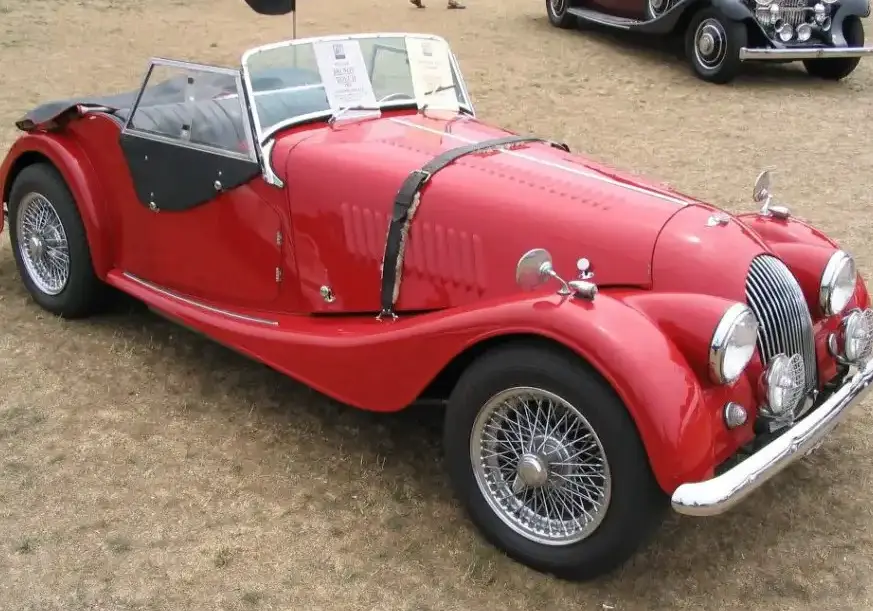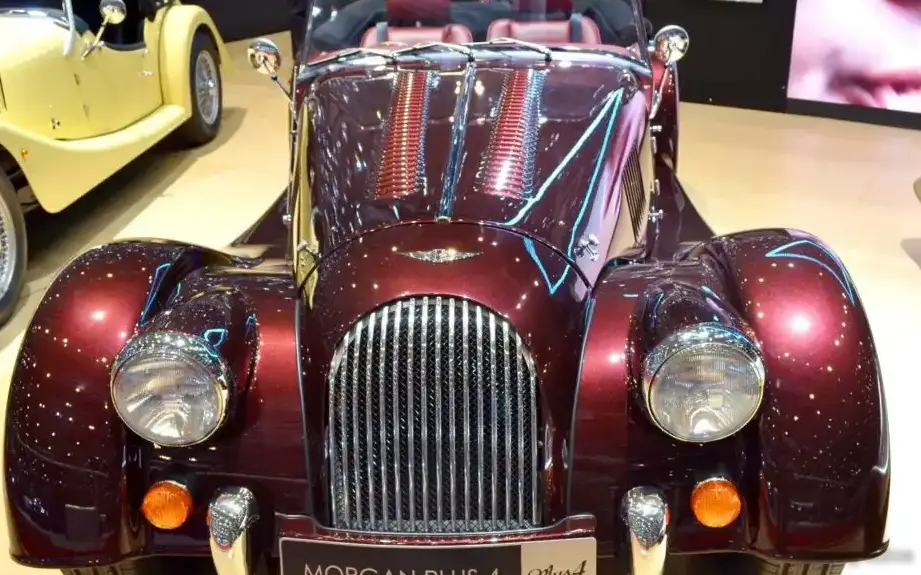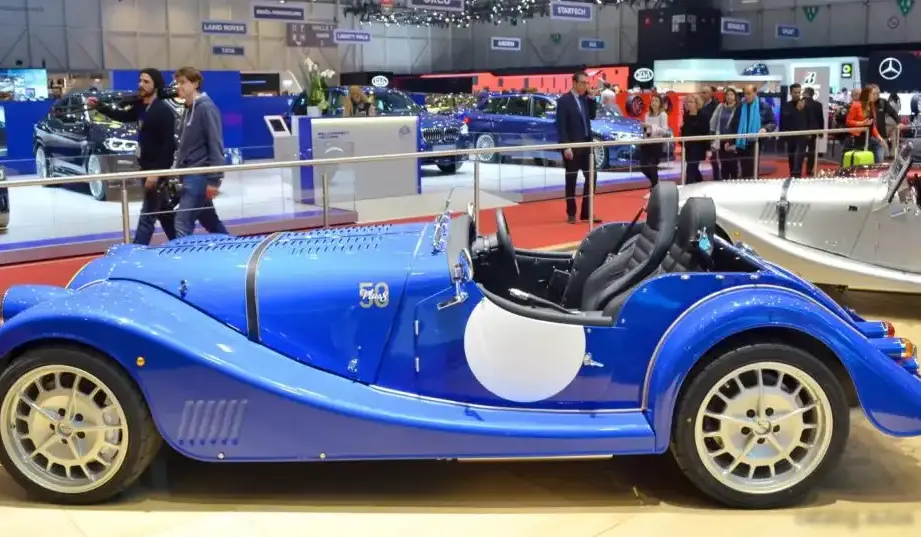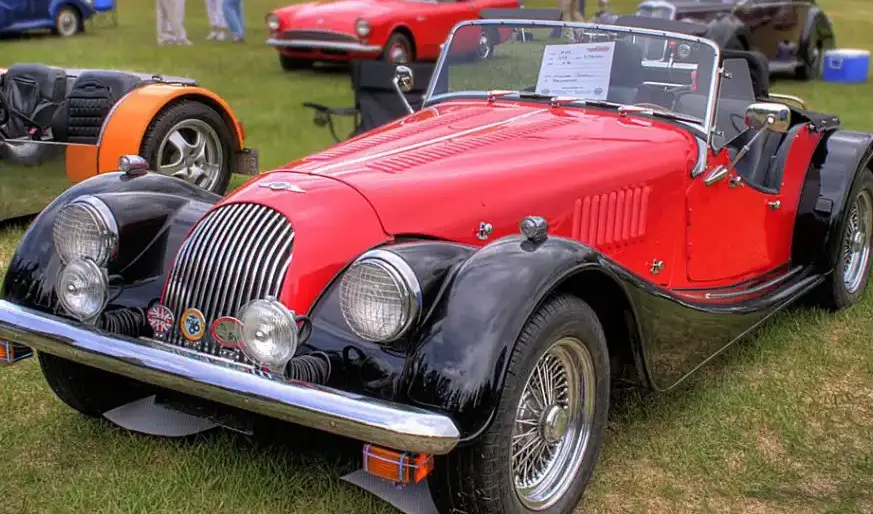
The Morgan Plus 8 3.5, produced from 1968 to 1986, represents a significant evolution in the long-running Plus 8 lineage. This variant, powered by a Rover-sourced 3.5-liter V8 engine, marked a departure from the earlier four-cylinder models and established the Plus 8 as a genuine sports car capable of competing with contemporaries from MG and Triumph. It occupied a premium position within the Morgan lineup, offering a substantial performance upgrade over the 4/4 models and appealing to buyers seeking a more powerful and refined driving experience. The Plus 8, throughout its production run, remained remarkably consistent in its core design, embodying Morgan’s commitment to traditional craftsmanship and timeless aesthetics.
Technical Specifications
| Brand | Morgan |
| Model | Plus 8 |
| Generation | Plus 8 |
| Type (Engine) | 3.5 (157 Hp) |
| Start of Production | 1968 |
| End of Production | 1986 |
| Powertrain Architecture | Internal Combustion Engine |
| Body Type | Cabriolet |
| Fuel Type | Petrol (Gasoline) |
| Power | 157 Hp |
| Engine Aspiration | Naturally Aspirated |
Powertrain & Engine Architecture
The heart of the Plus 8 3.5 is the Rover 3.5-liter V8 engine, a unit originally developed by Buick in the United States and later acquired by Rover. This engine, designated as the 215/3.5, was a lightweight, all-aluminum V8 known for its smooth power delivery and relatively compact size. Morgan initially used the engine in its original 183 horsepower form, but the 157 horsepower version became more common as emissions regulations tightened and Rover made modifications to the engine. The engine featured a single overhead camshaft per bank, two valves per cylinder, and a Holley carburetor. While not particularly sophisticated by modern standards, the Rover V8 proved to be remarkably durable and relatively easy to maintain. The engine was mated to a four-speed manual transmission, although a three-speed automatic transmission was also offered, though less common. The automatic transmission, while providing ease of use, did diminish the car’s performance potential. The engine’s layout allowed for a low center of gravity, contributing to the car’s balanced handling.
Driving Characteristics
The Plus 8 3.5 offered a distinctly British sports car driving experience. The 157 horsepower engine provided brisk acceleration, capable of propelling the lightweight car to 60 mph in around 7.5 seconds. While not blistering by modern standards, this performance was more than adequate for spirited driving on winding roads. The manual transmission version offered precise gear changes and allowed the driver to fully exploit the engine’s power band. The automatic transmission, while convenient, resulted in some power loss and a less engaging driving experience. The car’s relatively short wheelbase and live axle rear suspension contributed to a firm ride, but also provided excellent handling and road feel. The steering, while unassisted, was direct and communicative. The overall driving experience was characterized by a raw, visceral connection between the driver and the machine, a hallmark of the classic Morgan experience.
Equipment & Trim Levels
The Plus 8 3.5 was relatively sparsely equipped by modern standards, reflecting its focus on driving purity. Standard features typically included leather upholstery, wood trim on the dashboard and door panels, and a full set of gauges, including a speedometer, tachometer, oil pressure gauge, and water temperature gauge. A folding soft top provided weather protection, although it was not particularly well-insulated. Optional extras included wire wheels, a tonneau cover, and upgraded audio systems. Interior trim levels were generally consistent, with a focus on traditional materials and craftsmanship. The dashboard layout was simple and functional, prioritizing ease of use over modern aesthetics. The Plus 8 was available in a wide range of colors, both exterior and interior, allowing buyers to personalize their vehicles.
Chassis & Braking
The Plus 8 3.5 utilized a traditional ladder frame chassis, constructed from steel. This chassis provided a robust and durable foundation for the car, but also contributed to its relatively high weight. The suspension consisted of independent front suspension with wishbones and coil springs, and a live axle rear suspension with leaf springs. The braking system featured disc brakes on the front wheels and drum brakes on the rear wheels. While adequate for the car’s performance, the rear drum brakes were a limiting factor in terms of overall braking performance. Steering was of the rack and pinion type, providing direct and precise control. The car’s relatively narrow track and short wheelbase contributed to its nimble handling characteristics. Stabilizer bars were fitted to both the front and rear axles to reduce body roll during cornering.
Market Reception & Comparison
The Plus 8 3.5 was generally well-received by automotive critics, who praised its performance, handling, and classic styling. It was often compared to other British sports cars of the era, such as the MG B GT V8 and the Triumph TR8. The Plus 8 offered a more refined and powerful driving experience than the MG B, but was generally more expensive. Compared to the Triumph TR8, the Plus 8 offered a more traditional and understated aesthetic. Fuel economy was relatively poor, averaging around 18-22 mpg. Reliability was generally good, although the Rover V8 engine could be prone to overheating if not properly maintained. The Plus 8’s unique combination of classic styling, robust construction, and powerful engine made it a popular choice among enthusiasts.
Legacy
The Morgan Plus 8 3.5 remains a highly sought-after classic sports car today. Its timeless design, engaging driving experience, and relatively simple mechanicals have ensured its enduring appeal. The Rover V8 engine, while not the most modern or efficient, is known for its durability and ease of maintenance. Parts availability is generally good, although some components can be expensive. The Plus 8 3.5 has become a favorite among collectors and enthusiasts, and well-maintained examples command premium prices in the used car market. The car represents a high point in Morgan’s history, embodying the company’s commitment to traditional craftsmanship and exhilarating driving experiences. It continues to be a symbol of British motoring heritage and a testament to the enduring appeal of the classic sports car.