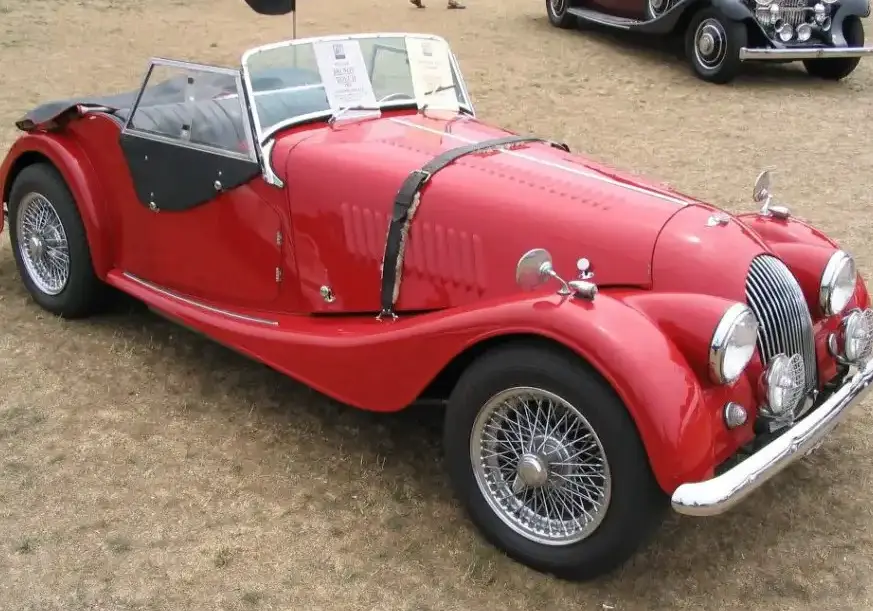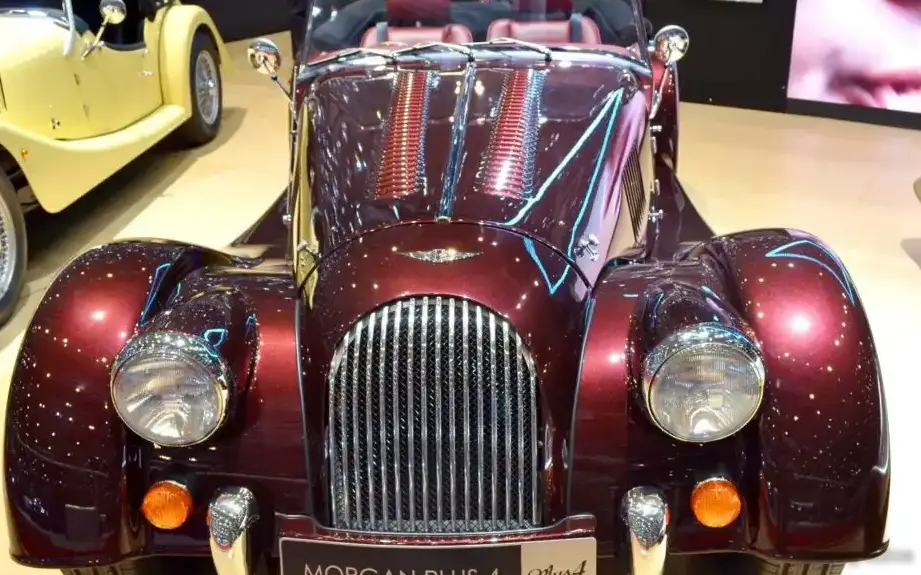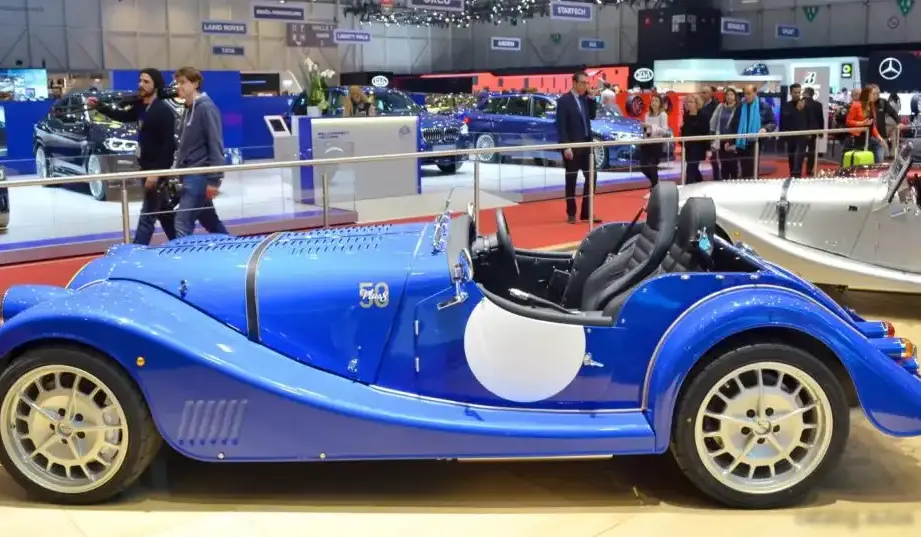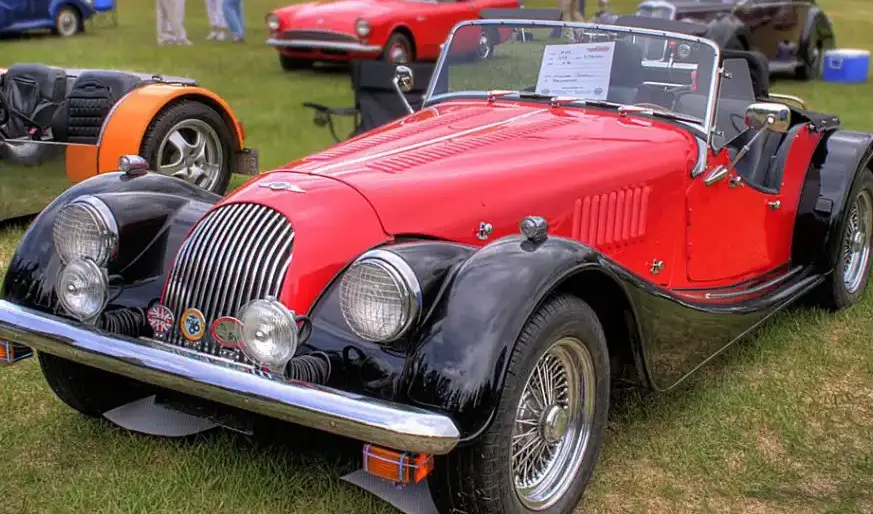
The Morgan Plus 8 4.6, produced between 1996 and 2004, represents a significant evolution in the long-running Plus 8 lineage. This iteration, powered by a Rover-sourced 4.6-liter V8 engine, marked a shift towards increased performance and a more modern driving experience while retaining the classic Morgan aesthetic and hand-built construction. It occupied the top-tier position within the Morgan lineup during its production run, offering a premium open-air motoring experience. The Plus 8 4.6 was a continuation of the Plus 8 model, which began in 1969, but distinguished itself through its substantial engine upgrade and refinements to the chassis and interior.
Technical Specifications
| Brand | Morgan |
| Model | Plus 8 |
| Generation | Plus 8 |
| Type (Engine) | 4.6 (223 Hp) |
| Start of Production | 1996 |
| End of Production | 2004 |
| Powertrain Architecture | Internal Combustion Engine |
| Body Type | Cabriolet |
| Fuel Type | Petrol (Gasoline) |
| Power | 223 Hp |
| Engine Aspiration | Naturally Aspirated |
Powertrain & Engine Architecture
The heart of the Plus 8 4.6 is the Rover 4.6-liter V8 engine, a unit originally developed by Rover Group and later acquired by BMW. This engine, internally designated as the ‘RV8’, is a naturally aspirated, all-aluminum alloy V8. It features a single overhead camshaft per bank, two valves per cylinder, and a multi-port fuel injection system. While not a cutting-edge design by the late 1990s, the RV8 was known for its robust construction, smooth power delivery, and distinctive exhaust note. The 4.6-liter displacement provides a substantial increase in power and torque compared to earlier Plus 8 models that utilized smaller V8 engines. The engine produces 223 horsepower and approximately 325 lb-ft of torque.
The transmission paired with the 4.6-liter V8 was typically a five-speed manual gearbox sourced from Mazda, offering a direct and engaging driving experience. A four-speed automatic transmission was also available, though less common, catering to buyers prioritizing ease of use over outright performance. The automatic transmission, while providing convenience, did slightly diminish the car’s acceleration and responsiveness. The drivetrain is rear-wheel drive, consistent with the traditional Morgan layout.
Driving Characteristics
The Plus 8 4.6 delivers a unique driving experience characterized by its lightweight construction and powerful V8 engine. The car’s relatively low weight (around 2,400 lbs) allows the 223 horsepower engine to provide brisk acceleration. Zero to sixty mph times were typically in the 5.0-5.5 second range for the manual transmission models. The automatic transmission versions were slightly slower, generally achieving 0-60 mph in around 6.0-6.5 seconds. The manual gearbox offers precise shifts and allows the driver to fully exploit the engine’s power band. The automatic, while smooth, feels less connected to the driving experience. Handling is engaging, though not as precise as more modern sports cars. The live rear axle, a traditional Morgan component, can exhibit some axle hop on uneven surfaces. However, the car’s light weight and well-tuned suspension contribute to a surprisingly nimble feel.
The steering is unassisted, providing excellent road feel and requiring a degree of physical effort, particularly at low speeds. This contributes to the classic, unfiltered driving experience that Morgan is known for. The overall driving experience is best described as raw and engaging, demanding driver involvement and rewarding skillful handling.
Equipment & Trim Levels
The Plus 8 4.6 was generally well-equipped for a hand-built sports car of its era, though it wasn’t focused on luxury features. Standard equipment included leather upholstery, walnut wood trim, and a full set of instrumentation, including a speedometer, tachometer, oil pressure gauge, and water temperature gauge. A stainless steel exhaust system was also standard.
Optional extras included a hardtop, wire wheels (in addition to the standard steel wheels), upgraded audio systems, and various trim options. Interior color choices were relatively limited, typically focusing on traditional leather hues. The dashboard layout was classic Morgan, with a functional and uncluttered design. The Plus 8 4.6 didn’t offer many of the modern conveniences found in contemporary sports cars, such as air conditioning or power windows, reflecting its focus on a purist driving experience.
Chassis & Braking
The Plus 8 4.6 utilizes a traditional Morgan chassis, consisting of a steel ladder frame. This chassis design, while relatively simple, is incredibly strong and provides a solid foundation for the car’s performance. The suspension consists of wishbones at the front and a live axle with trailing arms at the rear. Dampers are typically telescopic shock absorbers. The braking system features disc brakes at the front and drum brakes at the rear. While adequate for the car’s performance, the rear drum brakes were a point of criticism, as they offered less stopping power and fade resistance compared to disc brakes. Anti-lock brakes (ABS) were not standard equipment and were rarely fitted as an option.
Market Reception & Comparison
The Plus 8 4.6 was generally well-received by automotive critics, who praised its performance, distinctive styling, and engaging driving experience. However, it was also criticized for its relatively high price, lack of modern conveniences, and somewhat archaic chassis design. Compared to other sports cars of the era, such as the Porsche Boxster or BMW Z3, the Plus 8 4.6 offered a more unique and characterful experience, but lacked the refinement and technological sophistication of its German rivals.
Within the Morgan lineup, the Plus 8 4.6 represented the flagship model, offering significantly more performance than the 4/4 or Roadster models. It was positioned as a premium offering for buyers seeking a classic British sports car experience with a powerful V8 engine. Fuel economy was relatively poor, averaging around 18-22 mpg, reflecting the engine’s displacement and the car’s aerodynamic limitations. Reliability was generally good, though maintenance could be costly due to the car’s hand-built nature and the availability of parts for the Rover V8 engine.
Legacy
The Morgan Plus 8 4.6 remains a highly sought-after classic sports car. Its combination of classic styling, powerful V8 engine, and engaging driving experience continues to appeal to enthusiasts. The Rover V8 engine, while no longer in production, is relatively well-supported by aftermarket parts suppliers.
The Plus 8 4.6’s long-term reliability is generally good, provided the car has been properly maintained. However, potential owners should be aware of the possibility of oil leaks and other age-related issues common to classic British sports cars. In the used car market, prices for well-maintained examples of the Plus 8 4.6 have been steadily increasing, reflecting its growing desirability and limited production numbers. It stands as a testament to Morgan’s commitment to traditional craftsmanship and its ability to blend classic design with modern performance.