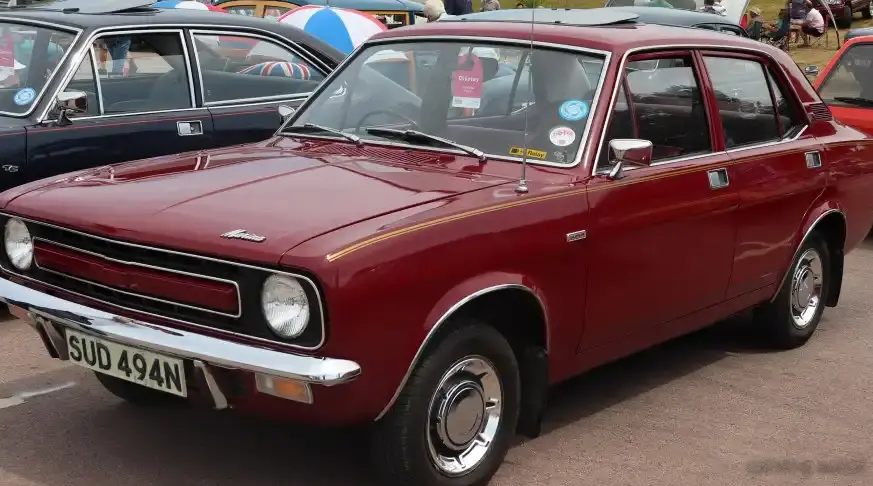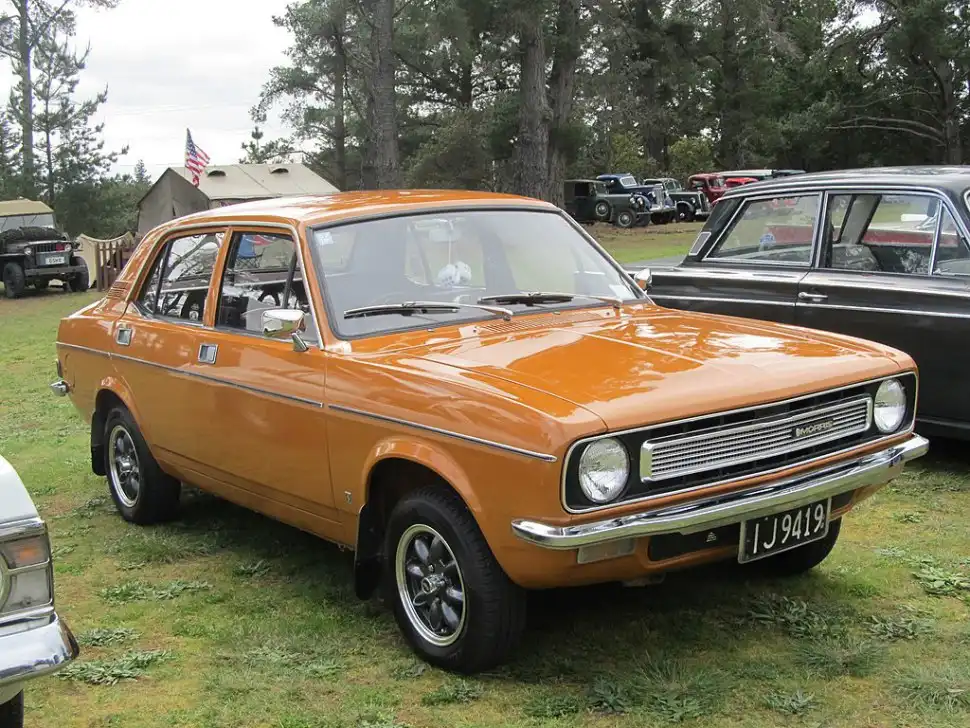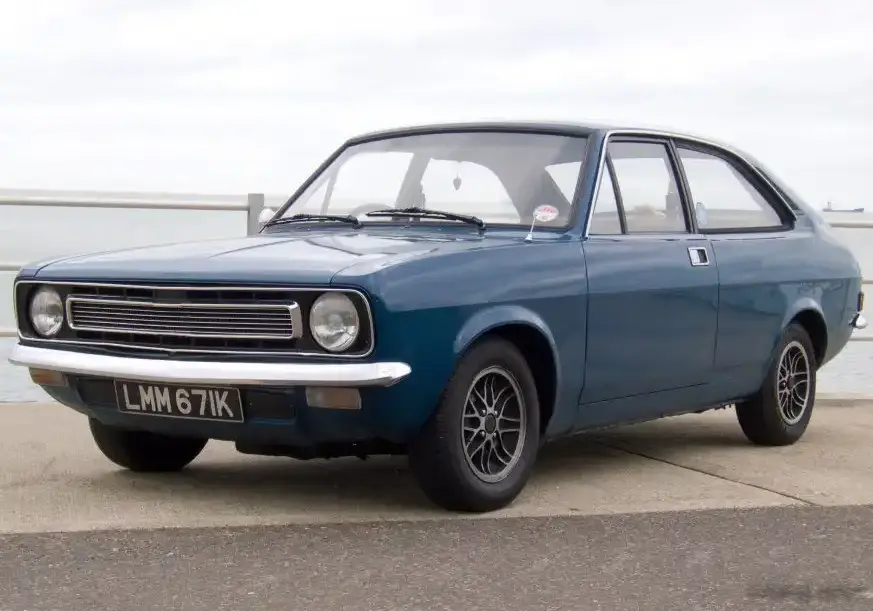
The Morris Marina Coupe I 1300, produced between 1970 and 1975, represented a significant attempt by British Leyland to modernize and consolidate its offerings in the small family car segment. Positioned as a stylish coupe derivative of the larger Marina saloon, the 1300 model served as the entry point to the coupe range, offering affordable transportation with a focus on practicality and a somewhat sporty aesthetic. It was built during a period of considerable upheaval for British Leyland, and its design and engineering reflected both the ambitions and the compromises of the era. The Marina, and by extension the Coupe, was intended to replace a multitude of older models from various BL brands, streamlining production and offering a more unified product line. The 1300 variant specifically targeted buyers seeking a reasonably priced, comfortable coupe, prioritizing fuel economy and ease of driving over outright performance.
Technical Specifications
| Brand | Morris |
| Model | Marina |
| Generation | Marina Coupe I |
| Type (Engine) | 1300 (57 Hp) |
| Start of Production | 1970 |
| End of Production | 1975 |
| Powertrain Architecture | Internal Combustion Engine |
| Body Type | Coupe |
| Fuel Type | Petrol (Gasoline) |
| Power | 57 Hp |
| Engine Aspiration | Naturally Aspirated |
Powertrain & Engine Architecture
The heart of the Marina Coupe I 1300 was the A-Series engine, a long-running and widely used inline-four cylinder unit. In this application, it displaced 1298cc (79.1 cubic inches) and produced 57 horsepower at 5000 rpm. The engine featured a cast iron block and cylinder head, with a single overhead camshaft operating pushrods to actuate the valves. Fuel delivery was managed by a Zenith 36mm downdraft carburetor, a relatively simple system common for the period. The engine’s design prioritized durability and low-cost manufacturing over high performance. The 1300 utilized a four-speed manual gearbox as standard, although a Borg-Warner three-speed automatic transmission was offered as an optional extra. The automatic, while providing convenience, significantly impacted the car’s acceleration and fuel economy. The engine’s relatively low compression ratio (8.5:1) and modest tuning contributed to its ability to run on lower octane fuel, a consideration important in many markets at the time. The drivetrain was rear-wheel drive, a configuration becoming increasingly uncommon in the early 1970s as front-wheel drive gained popularity.
Driving Characteristics
The Marina Coupe I 1300 with the 57 hp engine and manual transmission offered a fairly leisurely driving experience. Acceleration was modest, taking around 16 seconds to reach 60 mph. The car was geared for cruising rather than rapid acceleration, with a focus on providing adequate performance for everyday driving. The automatic transmission further dulled performance, adding several seconds to the 0-60 mph time and making overtaking maneuvers more challenging. Handling was generally considered adequate, but not particularly sporty. The suspension, consisting of independent front suspension with coil springs and a live axle rear suspension with leaf springs, provided a comfortable ride, but body roll was noticeable in corners. The steering was a traditional worm-and-peg system, which lacked the precision of more modern rack-and-pinion setups. Compared to the 1.75-liter versions of the Marina Coupe, the 1300 felt noticeably underpowered, particularly when carrying passengers or luggage. However, the smaller engine did offer better fuel economy, a key selling point for budget-conscious buyers.
Equipment & Trim Levels
The Morris Marina Coupe I 1300 was typically equipped with basic, but functional, features. Standard equipment included cloth upholstery, a heater, and a basic instrument panel. The interior was relatively spartan, reflecting the car’s affordable price point. Optional extras included a radio, upgraded upholstery, and a vinyl roof. The trim levels were fairly limited, with the 1300 representing the base model. Higher-spec versions of the Marina Coupe, such as the 1.75 models, offered more luxurious interiors, additional chrome trim, and features like reclining seats and a more comprehensive instrument cluster. The dashboard layout was functional but somewhat dated, even for the early 1970s. The car’s interior space was reasonable for a coupe, offering adequate room for two adults and limited space for rear passengers.
Chassis & Braking
The Marina Coupe I 1300 utilized a body-on-frame construction, a relatively traditional method for the time. The chassis was designed to provide a balance between comfort and durability. The front suspension featured independent coil springs and wishbones, while the rear suspension employed a live axle with leaf springs. Braking was initially provided by Girling hydraulic disc brakes on the front wheels and drum brakes on the rear. Later models saw the introduction of rear disc brakes on some trims, but the 1300 typically retained the drum setup. The braking system was adequate for normal driving conditions, but lacked the stopping power of more modern systems. Steering was via a worm and peg system, offering a large turning circle. The car’s tires were typically narrow, reflecting the emphasis on fuel economy and ride comfort rather than outright grip.
Market Reception & Comparison
The Morris Marina Coupe I 1300 received a mixed reception from automotive critics. While praised for its styling and affordability, it was often criticized for its lack of performance and somewhat dated technology. Compared to rivals such as the Ford Cortina and Vauxhall Victor, the Marina Coupe was seen as less refined and less engaging to drive. However, it offered a more stylish alternative to the more utilitarian saloon versions of these cars. The 1300 engine, while reliable, was considered underpowered by many reviewers, particularly when compared to the larger engines available in the Marina range. Fuel economy was a strong point, making it an attractive option for buyers seeking a cost-effective coupe. The automatic transmission was generally viewed as detracting from the driving experience, further reducing performance and increasing fuel consumption.
Legacy
The Morris Marina Coupe I 1300, while not a resounding success, played a role in British Leyland’s attempt to rationalize its model range. The A-Series engine proved to be remarkably durable and continued in production for many years, finding its way into numerous other British Leyland vehicles. Today, the Marina Coupe I 1300 is a relatively rare sight on the roads, but it has gained a following among classic car enthusiasts. Its affordability and simple mechanicals make it an attractive option for those seeking a classic British coupe. However, rust is a common problem, and finding well-maintained examples can be challenging. The 1300 variant, while the least powerful, is often considered the most affordable and easiest to maintain, making it a popular choice for restoration projects. Its legacy lies in its representation of a specific era in British automotive history – a time of ambition, compromise, and ultimately, decline for British Leyland.