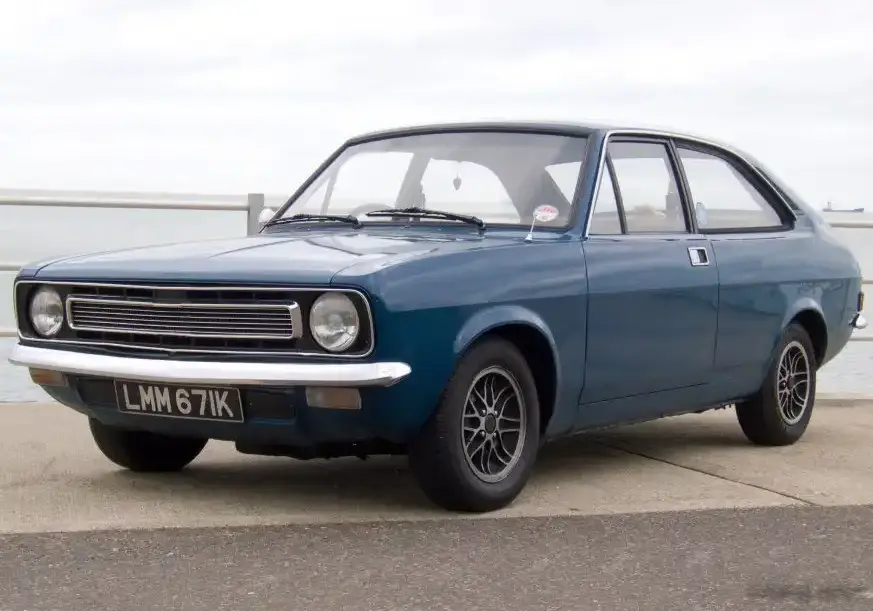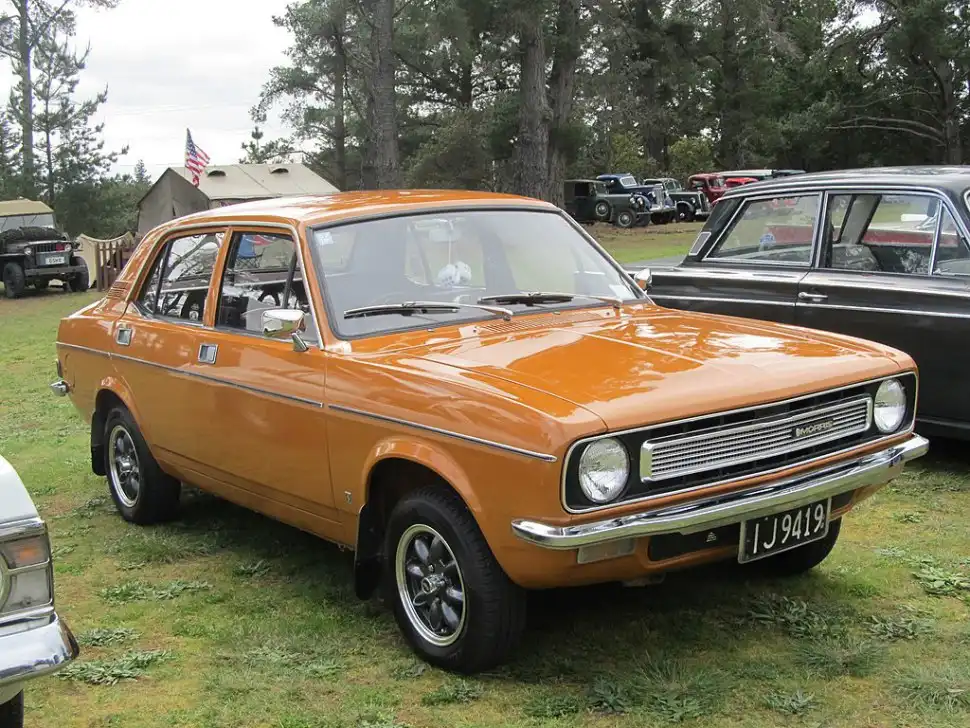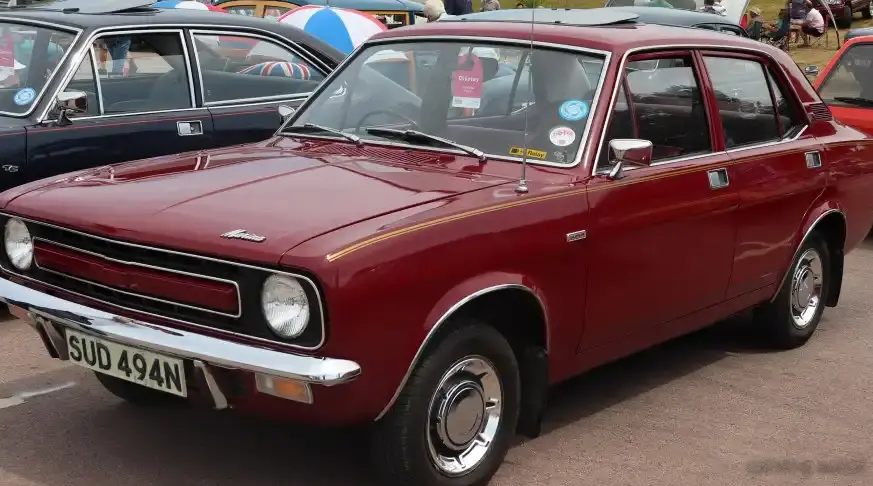
The Morris Marina 1.8, produced between 1971 and 1979, represented a significant attempt by British Leyland to consolidate its offerings in the mid-size family car segment. Positioned as a mainstream, affordable option, the 1.8-liter variant with its modest 82 horsepower output served as a core model within the Marina range, appealing to buyers prioritizing practicality and economy over outright performance. The Marina was built upon a relatively modern (for its time) monocoque chassis and aimed to replace a multitude of older designs from various British Leyland brands, including the Morris Oxford, Austin Cambridge, and Wolseley 18/88. It was a key component of British Leyland’s rationalization efforts, intended to streamline production and reduce costs. The Marina, and specifically the 1.8 model, was primarily aimed at the UK and European markets, with limited export to other regions.
Technical Specifications
| Brand | Morris |
| Model | Marina |
| Generation | Marina I |
| Type (Engine) | 1.8 (82 Hp) |
| Start of Production | 1971 |
| End of Production | 1979 |
| Powertrain Architecture | Internal Combustion Engine |
| Body Type | Sedan |
| Fuel Type | Petrol (Gasoline) |
| Power | 82 Hp |
| Engine Aspiration | Naturally Aspirated |
Powertrain & Engine Architecture
The Morris Marina 1.8 was powered by the B-Series engine, a long-running and widely used British Leyland powerplant. Specifically, it utilized the 1798cc (approximately 1.8 liters) version, designated as the 18-220. This engine was an inline-four cylinder unit with a cast iron block and cylinder head. The 82 horsepower output was achieved through a relatively conservative compression ratio and a single Zenith 36mm carburetor. The engine featured a simple overhead valve (OHV) valvetrain with two valves per cylinder. While not a particularly sophisticated design, the B-Series was known for its robustness and relative ease of maintenance.
The Marina 1.8 was typically equipped with a Borg Warner DG automatic transmission, a three-speed unit. This transmission was chosen for its affordability and suitability for the target market, prioritizing smooth operation over sporty performance. The automatic gearbox contributed to the car’s appeal for drivers seeking convenience, particularly in urban environments. The transmission’s gear ratios were geared towards fuel efficiency and comfortable cruising, rather than rapid acceleration. A manual transmission was also available on other Marina models, but the automatic was a popular choice for the 1.8-liter variant.
Driving Characteristics
The driving experience in a Morris Marina 1.8 Automatic was characterized by its relaxed and unhurried nature. With 82 horsepower propelling a relatively heavy vehicle (around 2,400 lbs), acceleration was modest. 0-60 mph times were typically in the 16-18 second range. The three-speed automatic transmission further tempered performance, with noticeable shifts and a lack of the responsiveness found in more modern automatic gearboxes. However, the Marina 1.8 offered adequate power for everyday driving, including highway cruising, although overtaking maneuvers required careful planning. The suspension, consisting of independent front suspension with coil springs and a live axle rear suspension with leaf springs, provided a comfortable ride, absorbing bumps and imperfections in the road surface reasonably well. Steering was by a recirculating ball system, which was accurate but lacked the precision of rack and pinion steering.
Compared to the more powerful 2.0-liter Marina models, the 1.8 Automatic felt noticeably slower. The 2.0-liter offered a more spirited driving experience, but at the cost of increased fuel consumption. The manual transmission versions of the 1.8 were also more engaging to drive, offering better control and acceleration. However, the automatic version catered to a different segment of the market – those prioritizing ease of use and comfort.
Equipment & Trim Levels
The Morris Marina 1.8 Automatic typically came equipped with a fairly basic level of standard features. Interior upholstery was generally vinyl, with cloth seat facings available as an option. The dashboard was functional but lacked the sophistication of some contemporary rivals. Standard equipment included a heater, windscreen wipers, and basic instrumentation (speedometer, fuel gauge, temperature gauge). Optional extras included a radio, upgraded upholstery, and a sunroof. The trim level of the 1.8 Automatic generally sat in the mid-range of the Marina lineup. It was more generously equipped than the base models but lacked the luxury features found in the higher-spec versions.
Chassis & Braking
The Morris Marina utilized a monocoque chassis construction, providing a good balance of strength and weight. The front suspension featured independent wishbones and coil springs, while the rear suspension employed a live axle with leaf springs. This setup provided a comfortable ride, but handling was not particularly sharp. Braking was initially provided by Girling hydraulic disc brakes on the front wheels and drum brakes on the rear wheels. Later models saw the introduction of rear disc brakes on some variants, but the 1.8 Automatic typically retained the rear drum setup. The braking system was adequate for normal driving conditions, but lacked the stopping power of more modern systems.
Market Reception & Comparison
The Morris Marina 1.8 Automatic received a mixed reception from automotive critics. It was generally praised for its affordability, practicality, and comfortable ride. However, it was often criticized for its lack of performance, dated styling, and somewhat agricultural driving experience. Compared to rivals such as the Ford Cortina and Vauxhall Victor, the Marina 1.8 Automatic was often seen as being less refined and less engaging to drive. However, it offered a competitive price point and a reputation for reliability, which appealed to many buyers. Fuel economy was reasonable for the time, averaging around 25-30 mpg. The automatic transmission, while convenient, did contribute to slightly lower fuel economy compared to the manual versions.
Legacy
The Morris Marina, despite its shortcomings, sold in significant numbers during its production run. The 1.8 Automatic variant proved to be a popular choice for buyers seeking a comfortable and affordable family car. The B-Series engine, in particular, gained a reputation for its durability and longevity. Today, the Morris Marina 1.8 Automatic is a relatively rare sight on the roads, but it remains a popular choice among classic car enthusiasts. Parts availability is generally good, thanks to the widespread use of the B-Series engine in other British Leyland vehicles. While not a performance icon, the Marina 1.8 Automatic represents a significant chapter in British automotive history, embodying the challenges and compromises faced by British Leyland during a period of significant change and restructuring. Well-maintained examples are now sought after by collectors and those seeking a nostalgic glimpse into the past.