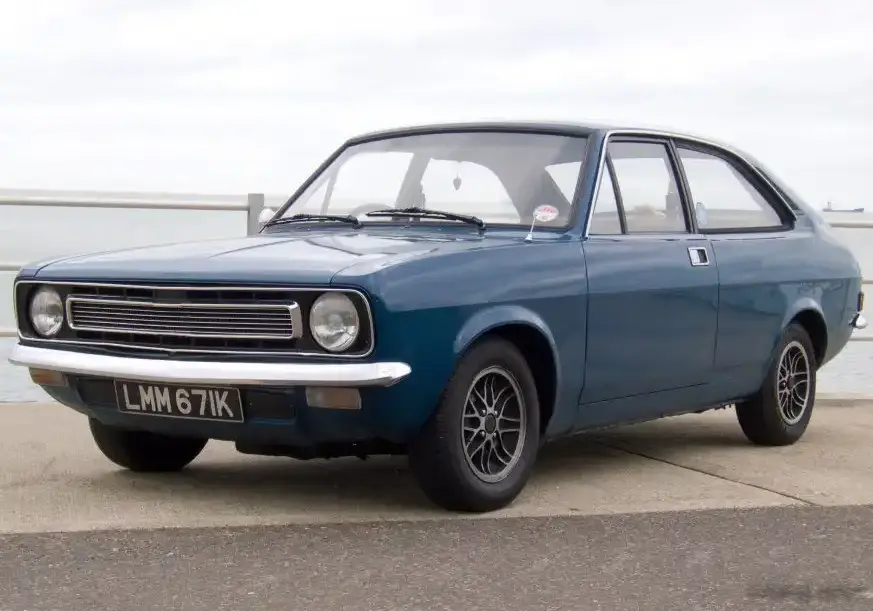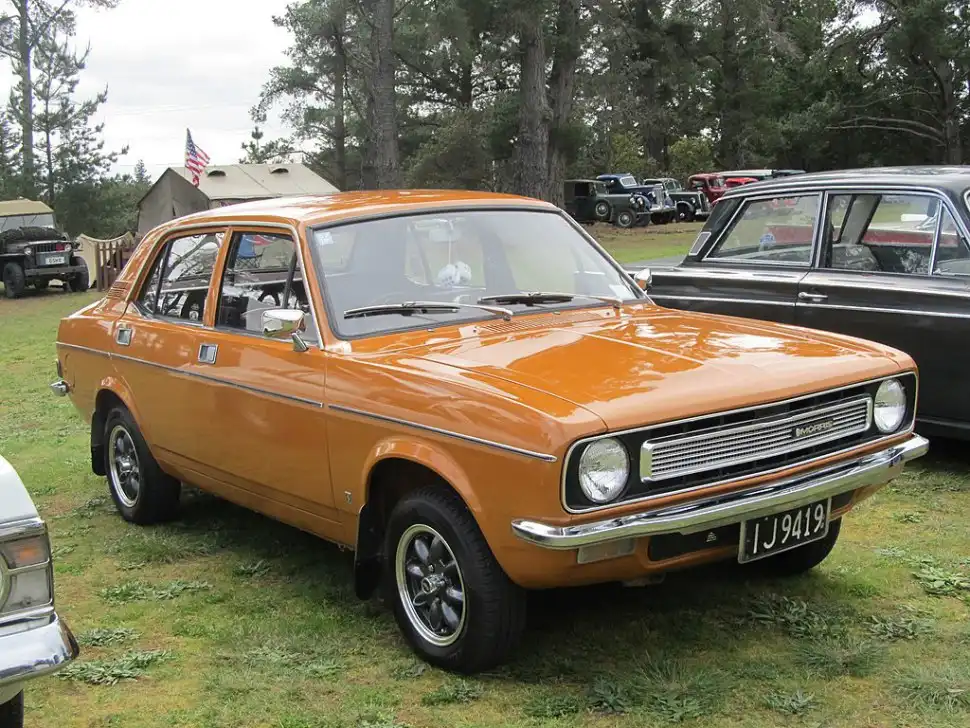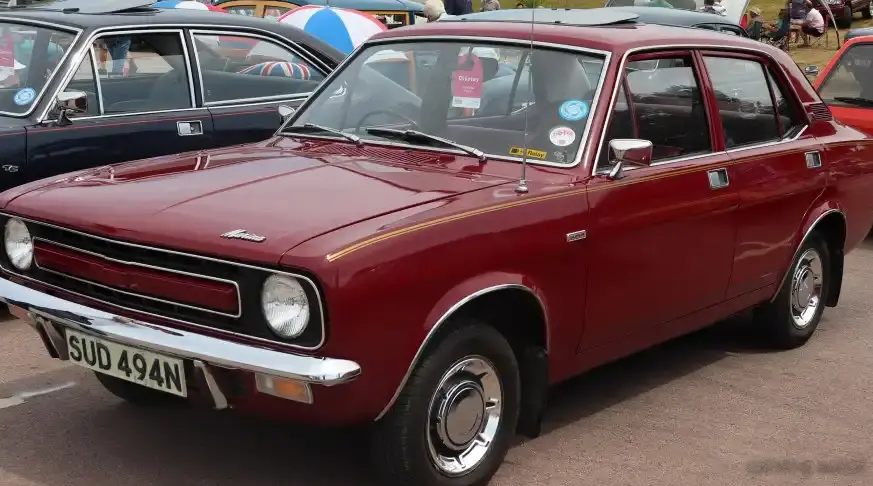
The Morris Marina 1500 Diesel, produced between 1971 and 1975, represented a significant, though often criticized, attempt by British Leyland to offer an affordable and fuel-efficient family saloon. Positioned as the entry-level diesel variant within the Marina I range, it aimed to capture a segment of the market increasingly concerned with rising fuel costs. The Marina itself was a crucial model for British Leyland, intended to replace a multitude of aging designs from its constituent brands (Morris, Austin, and Riley). The 1500 Diesel, while not a performance leader, played a role in establishing the Marina as a popular, if somewhat controversial, vehicle in the UK and export markets.
Technical Specifications
| Brand | Morris |
| Model | Marina |
| Generation | Marina I |
| Type (Engine) | 1500 Diesel (50 Hp) |
| Start of Production | 1971 |
| End of Production | 1975 |
| Powertrain Architecture | Internal Combustion Engine |
| Body Type | Sedan |
| Fuel Type | Diesel |
| Power | 50 Hp |
| Engine Aspiration | Naturally Aspirated |
Powertrain & Engine Architecture
The heart of the Marina 1500 Diesel was the 1489cc OHC diesel engine, often referred to as the ‘O’ series engine. This engine, while relatively modern for its time in terms of overhead camshaft design, was not known for its refinement or power output. It was a naturally aspirated, indirect injection diesel, utilizing a Bosch-type rotary injection pump. The engine featured a robust cast iron block and cylinder head, designed for durability rather than high performance. The engine’s 50 horsepower output was achieved at a relatively low engine speed, prioritizing torque over peak power. The engine’s design was a compromise, aiming for acceptable fuel economy and reliability within the constraints of 1970s diesel technology.
The transmission paired with the 1500 Diesel was typically a four-speed manual gearbox, although a three-speed automatic transmission was also offered, albeit less commonly. The automatic transmission, a Borg Warner unit, further detuned the vehicle’s performance, prioritizing ease of driving over spirited acceleration. The gear ratios were geared towards maximizing fuel efficiency and providing adequate, if not exhilarating, performance in everyday driving conditions. The drivetrain was rear-wheel drive, a conventional layout for the period.
Driving Characteristics
The driving experience in a Marina 1500 Diesel was characterized by its utilitarian nature. Acceleration was slow, even by the standards of the early 1970s. The engine produced a noticeable amount of diesel clatter, and vibrations were more pronounced than in petrol-powered counterparts. However, the engine’s torque delivery was relatively smooth, making it reasonably capable of handling moderate inclines and carrying a full load of passengers and luggage. The automatic transmission, while offering convenience, further reduced the vehicle’s responsiveness. The Marina’s suspension, while providing a reasonably comfortable ride on smooth surfaces, could become unsettled on uneven roads. Steering was relatively heavy, requiring a degree of effort, particularly at lower speeds.
Compared to the 1.75-litre petrol versions of the Marina, the 1500 Diesel offered significantly less power but superior fuel economy. The petrol engines provided a more engaging driving experience, with quicker acceleration and a smoother, quieter operation. However, they were also more expensive to run, particularly during the fuel crises of the 1970s. The diesel variant appealed to drivers prioritizing economy and practicality over performance.
Equipment & Trim Levels
The Marina 1500 Diesel was typically offered in fairly basic trim levels. Standard equipment included cloth upholstery, a basic instrument panel with speedometer and fuel gauge, and manually operated windows and door locks. The interior was functional rather than luxurious, reflecting the vehicle’s affordable price point. Optional extras included a radio, heater, and upgraded upholstery. The exterior trim was similarly restrained, with minimal chrome detailing. The Marina 1500 Diesel was often identified by subtle ‘Diesel’ badging on the rear of the vehicle.
Chassis & Braking
The Marina I utilized a conventional body-on-frame construction, which contributed to its relatively low weight but also compromised its structural rigidity compared to more modern unibody designs. The front suspension featured independent coil springs, while the rear suspension employed a live axle with leaf springs. Braking was initially provided by front disc brakes and rear drum brakes, although some later models were upgraded to all-round disc brakes. The braking system was adequate for the vehicle’s performance capabilities, but lacked the sophistication of more advanced systems found on contemporary vehicles. Steering was a recirculating ball system, providing a relatively direct feel but requiring a degree of physical effort.
Market Reception & Comparison
The Marina 1500 Diesel received a mixed reception from automotive critics. While its fuel economy was praised, its lack of performance and refinement were frequently criticized. The engine was often described as noisy and unrefined, and the vehicle’s handling was considered less than inspiring. However, the Marina 1500 Diesel’s affordability and practicality appealed to a significant segment of the market, particularly those seeking a low-cost, economical family car. Compared to other diesel-powered vehicles of the era, such as the Austin Allegro diesel, the Marina offered a slightly more spacious interior and a more conventional driving experience. However, it faced competition from more refined and powerful diesel offerings from manufacturers like Vauxhall and Ford.
Legacy
The Morris Marina 1500 Diesel, while not a particularly memorable vehicle in terms of performance or innovation, played a role in providing affordable transportation to a wide range of motorists during the 1970s. The ‘O’ series diesel engine proved to be reasonably durable, and many examples remained on the road for many years. However, the Marina’s reputation for rust and build quality issues ultimately contributed to its decline in popularity. Today, the Marina 1500 Diesel is a relatively rare sight, and well-maintained examples are sought after by enthusiasts of classic British cars. Its significance lies in its representation of a specific era of British automotive history, characterized by economic challenges and a focus on practicality over luxury.