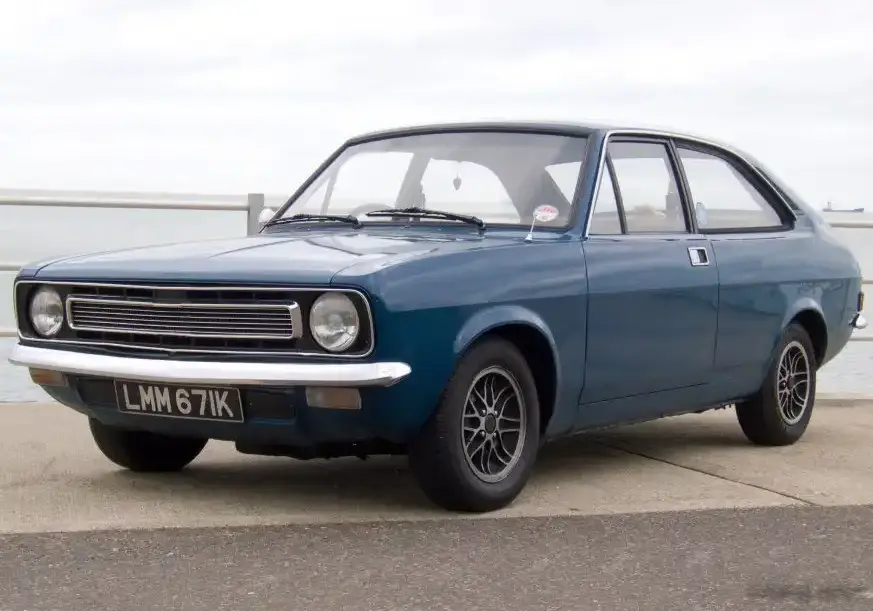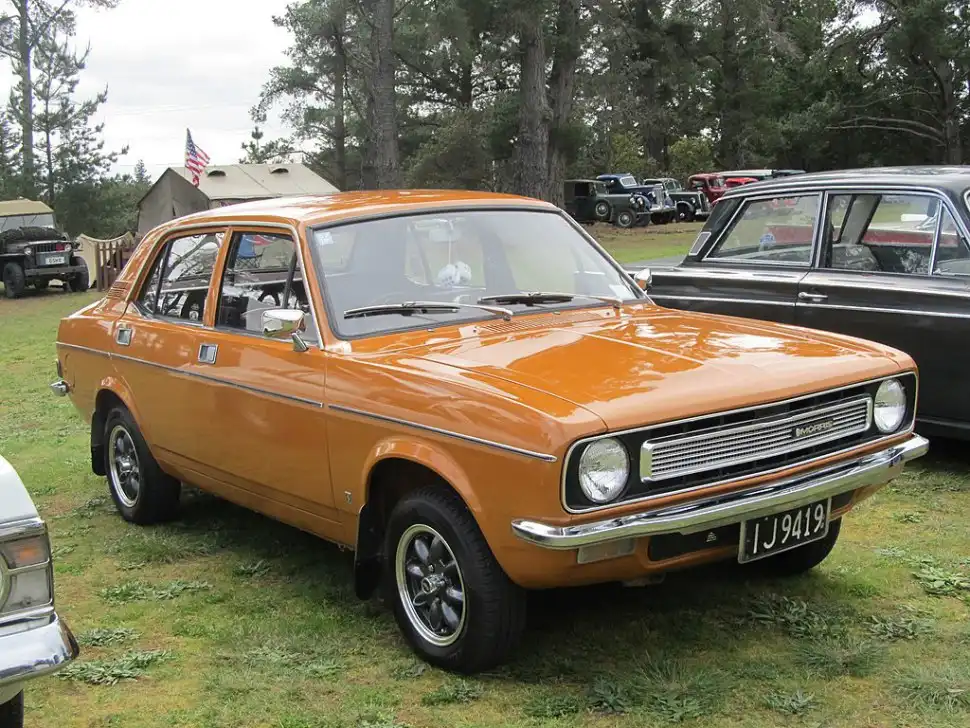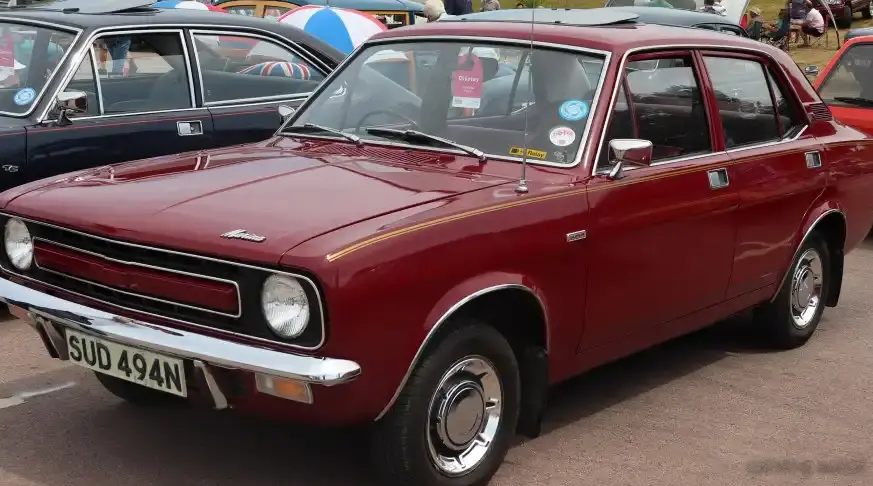
The Morris Marina 1800 GT, produced between 1975 and 1978, represented a performance-oriented variant within the first generation of the Marina line. Launched as British Leyland’s attempt to consolidate its offerings in the mid-size family car segment, the Marina aimed to replace a multitude of aging models from various brands within the conglomerate. The 1800 GT, specifically, was positioned as the sporting trim, offering a noticeable step up in power and styling compared to the base models. It occupied a middle ground in the Marina lineup, sitting below the more luxurious and well-equipped models but above the entry-level 1.3L variants. The Marina, despite its initial promise, became known for build quality issues and a somewhat uninspired driving experience, factors that ultimately contributed to its relatively short production run and eventual replacement by the Austin Ambassador.
Technical Specifications
| Brand | Morris |
| Model | Marina |
| Generation | Marina I |
| Type | 1800 GT (95 Hp) |
| Start of Production | 1975 |
| End of Production | 1978 |
| Powertrain Architecture | Internal Combustion Engine |
| Body Type | Sedan |
| Fuel Type | Petrol (Gasoline) |
| Engine Power | 95 Hp |
| Engine Aspiration | Naturally Aspirated |
Powertrain & Engine Architecture
The heart of the Marina 1800 GT was the B-Series engine, a 1798cc (1.8L) inline-four cylinder unit. This engine, while a long-standing design within British Leyland, had undergone several iterations. In the 1800 GT application, it featured a single Zenith-Stromberg carburetor, providing fuel delivery. The engine utilized a pushrod valvetrain, a relatively simple and cost-effective design, but one that limited its ultimate performance potential compared to overhead camshaft configurations. The 95 horsepower output was achieved at 5,200 rpm, with peak torque of approximately 107 lb-ft at 3,000 rpm. The engine was mated to a Borg Warner automatic transmission, a three-speed unit. This transmission, while offering convenience, was not known for its responsiveness or efficiency. It featured a torque converter, providing smooth but somewhat sluggish acceleration. The automatic transmission was a key differentiator for this trim, appealing to buyers prioritizing ease of driving over outright performance.
Driving Characteristics
The driving experience in the Marina 1800 GT Automatic was characterized by adequate, rather than exhilarating, performance. The 95 hp engine, coupled with the three-speed automatic, resulted in a 0-60 mph time of around 13-14 seconds, which was competitive for the era but not particularly sporty. The automatic transmission’s gear ratios were geared towards comfortable cruising rather than rapid acceleration. The car felt somewhat underpowered when attempting to overtake or climb hills, requiring a significant amount of throttle input. Compared to the manual transmission versions of the 1800, the automatic suffered a noticeable performance deficit. The manual offered quicker acceleration and a more engaging driving experience. The suspension, while providing a reasonably comfortable ride, was prone to body roll in corners. Steering was relatively heavy, lacking the precision found in some contemporary European rivals.
Equipment & Trim Levels
The 1800 GT trim level offered a step up in equipment compared to the base Marina models. Standard features included a wood-trimmed dashboard, upgraded cloth upholstery, and a more comprehensive instrument panel. The GT also featured a sports steering wheel and a chrome exterior trim package, including brightwork around the windows and grille. Optional extras included a vinyl roof, a radio, and heated rear window. The interior, while functional, was generally considered basic in terms of design and material quality. The GT trim aimed to provide a slightly more refined and aesthetically pleasing environment compared to the more utilitarian base models. The seats were generally comfortable, but lacked significant bolstering for spirited driving.
Chassis & Braking
The Marina 1800 GT utilized a conventional body-on-frame construction, which was becoming increasingly outdated by the mid-1970s. The front suspension consisted of independent wishbones and coil springs, while the rear suspension employed a live axle with leaf springs. This setup provided a comfortable ride but contributed to the car’s handling limitations. Braking was initially provided by front disc brakes and rear drum brakes. Later models saw the introduction of rear disc brakes on some variants, but the 1800 GT Automatic often retained the drum setup. The braking system was adequate for normal driving conditions, but lacked the stopping power and fade resistance of more modern systems. Stabilizer bars were fitted to both the front and rear axles, helping to reduce body roll, but their effectiveness was limited by the overall chassis design.
Market Reception & Comparison
The Morris Marina 1800 GT Automatic received mixed reviews from automotive critics. While the engine offered a reasonable amount of power, the combination with the three-speed automatic transmission was often criticized for its sluggishness. Fuel economy was also a concern, averaging around 22-25 mpg in real-world driving. Compared to other trims in the Marina lineup, the 1800 GT Automatic offered a compromise between performance and convenience. The 1.3L models were more fuel-efficient and affordable, but lacked the power of the 1800. The manual transmission 1800 GT offered superior performance and fuel economy, but required more driver involvement. Rivals such as the Ford Cortina and Vauxhall Victor offered more refined driving experiences and generally better build quality.
Legacy
The Morris Marina, and specifically the 1800 GT Automatic, has not achieved a strong following among classic car enthusiasts. The car’s reputation for unreliability and build quality issues has limited its appeal. However, well-maintained examples are becoming increasingly rare, and are starting to attract some interest from collectors. The B-Series engine, while not particularly sophisticated, is relatively simple to maintain and parts availability is generally good. The automatic transmission, however, can be prone to failure if not properly serviced. Today, the Marina 1800 GT Automatic represents a snapshot of British automotive engineering in the 1970s – a car that aimed to offer a blend of practicality, performance, and affordability, but ultimately fell short of expectations due to a combination of design compromises and manufacturing issues. Its place in automotive history is more as a cautionary tale than a celebrated classic.