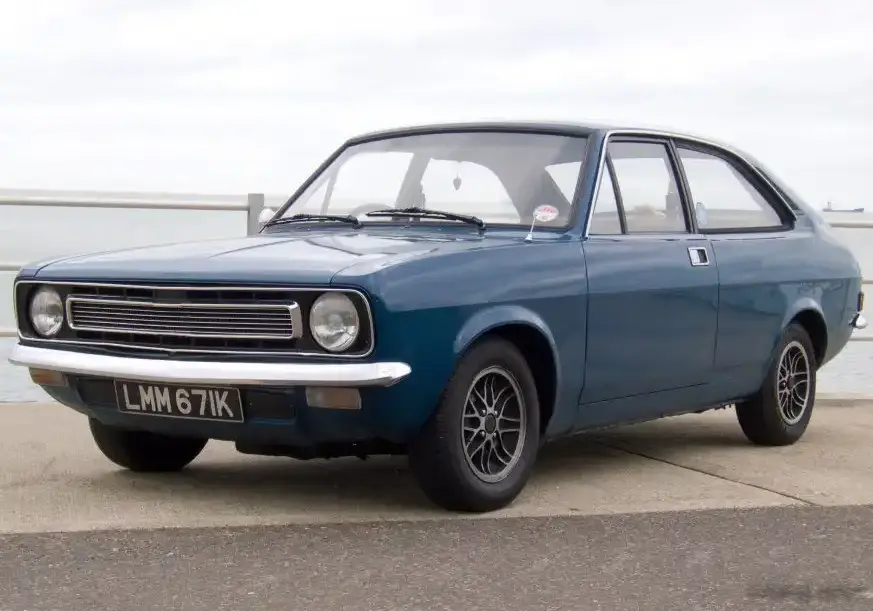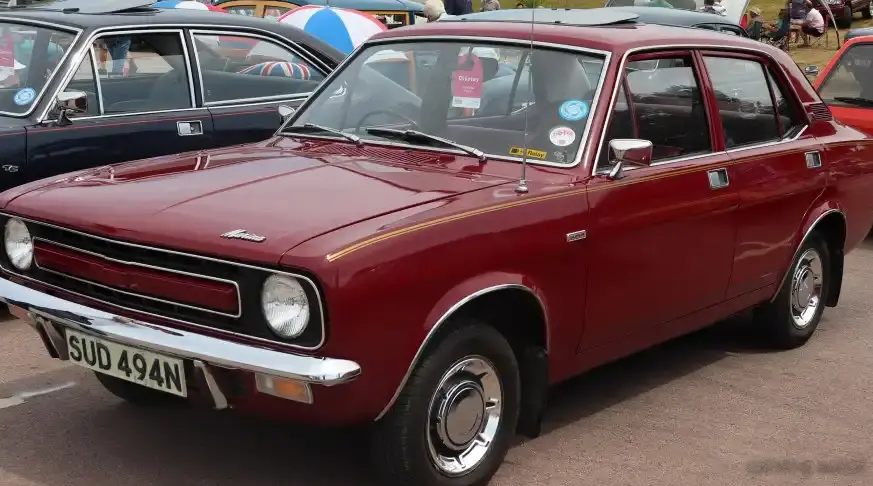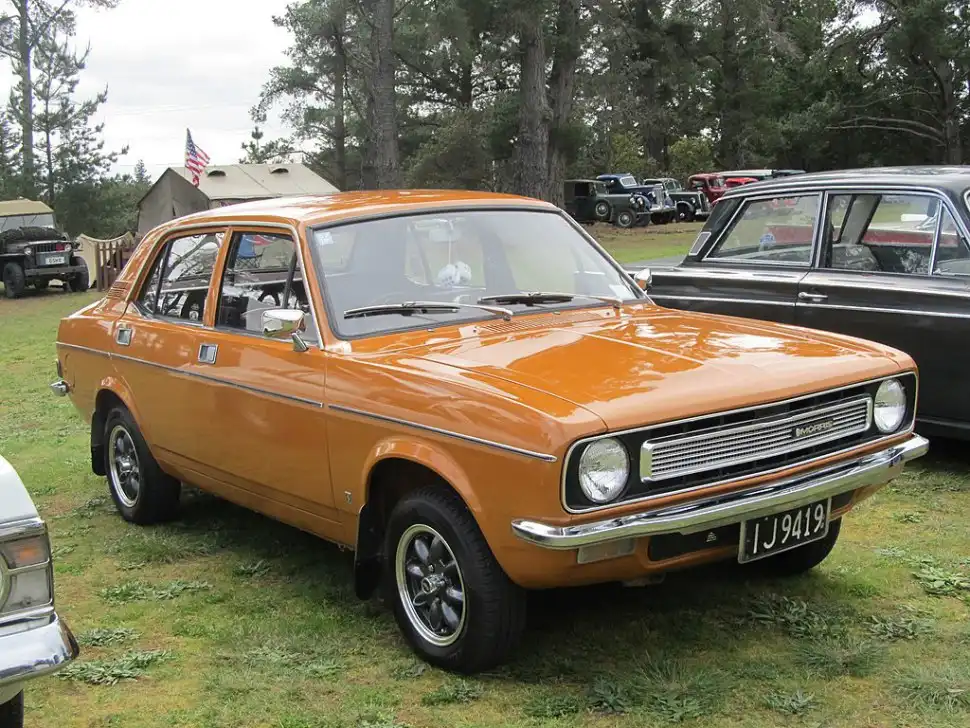
The Morris Marina II 1300, produced between 1975 and 1978, represented a key entry point into the British Leyland’s popular Marina range. Positioned as the most affordable model, the 1300 offered a practical and economical family saloon for the UK market. It was part of the Marina II facelift, which brought minor styling updates and improvements to the original Marina launched in 1971. The Marina was intended to consolidate several overlapping models within British Leyland’s portfolio, offering a modern, if somewhat controversial, alternative to rivals like the Ford Cortina and Vauxhall Victor. The 1300 variant, with its modest 57 horsepower, was aimed at buyers prioritizing fuel efficiency and low running costs over outright performance.
Technical Specifications
| Brand | Morris |
| Model | Marina |
| Generation | Marina II |
| Type (Engine) | 1300 (57 Hp) |
| Start of Production | 1975 |
| End of Production | 1978 |
| Powertrain Architecture | Internal Combustion Engine |
| Body Type | Sedan |
| Fuel Type | Petrol (Gasoline) |
| Power | 57 Hp |
| Engine Aspiration | Naturally Aspirated |
Powertrain & Engine Architecture
The heart of the Marina II 1300 was the A-Series engine, a long-running and widely used inline-four cylinder unit. Specifically, it utilized the 1275cc version, though detuned to produce 57 horsepower. This reduction in power compared to other 1275cc applications was achieved through a smaller carburetor (typically a Zenith 34WE), a milder camshaft profile, and reduced compression ratio. The engine featured a conventional overhead valve (OHV) valvetrain with eight valves. Fuel delivery was managed by the aforementioned Zenith carburetor, a simple and reliable system common for the era. The engine block was cast iron, providing durability, while the cylinder head was aluminum. The Marina II 1300 was exclusively offered with a four-speed manual gearbox. An automatic transmission was not available on this base model. The engine’s design prioritized simplicity and ease of maintenance, reflecting the needs of its target market.
Driving Characteristics
The driving experience of the Marina II 1300 was decidedly unhurried. With only 57 horsepower propelling a relatively heavy saloon body, acceleration was modest. 0-60 mph times were typically around 18-20 seconds. The four-speed manual gearbox offered a reasonable spread of ratios, but required frequent shifting to maintain momentum, particularly when overtaking or climbing hills. The engine was happiest in the mid-range, providing adequate power for everyday driving. However, it lacked the punch of the larger-engined Marina variants. Steering was light, making it easy to maneuver in town, but lacked precision at higher speeds. The suspension, while providing a comfortable ride on smooth surfaces, could become unsettled on uneven roads. Compared to the 1.8-liter versions, the 1300 felt significantly slower and less refined, but offered a noticeable improvement in fuel economy.
Equipment & Trim Levels
The Marina II 1300 was deliberately positioned as a basic, affordable family car. As such, it came with a relatively sparse equipment list. Standard features typically included cloth upholstery, a basic instrument panel with speedometer and fuel gauge, and manually operated windows and door locks. The interior trim was functional rather than luxurious, with hard-wearing materials used throughout. Optional extras were available, such as a radio, heater, and upgraded upholstery, but these added to the overall cost. The exterior trim was also minimal, with black plastic bumpers and steel wheels with hubcaps being standard. The 1300 was identifiable by its lack of any additional chrome trim or styling flourishes found on higher-spec models.
Chassis & Braking
The Marina II utilized a conventional body-on-frame construction, which was becoming increasingly outdated by the mid-1970s. The front suspension consisted of independent wishbones and coil springs, while the rear suspension employed a live axle with leaf springs. This setup provided a comfortable ride but wasn’t known for its handling prowess. Braking was initially provided by Girling hydraulic disc brakes on the front wheels and drum brakes on the rear. Later models sometimes featured larger diameter drum brakes at the rear. The braking system was adequate for the car’s performance, but lacked the stopping power of more modern systems. Steering was by a worm and roller mechanism, offering light steering but limited feedback.
Market Reception & Comparison
The Marina II 1300 received mixed reviews from automotive critics. While praised for its affordability and fuel economy, it was often criticized for its lack of performance and somewhat dated design. Compared to the Ford Cortina and Vauxhall Victor, the Marina was seen as less refined and less engaging to drive. However, its lower price point made it an attractive option for budget-conscious buyers. The 1300 offered significantly better fuel economy than the 1.8-liter versions, making it a popular choice for those covering high mileages. Reliability was generally considered average for the period, with the A-Series engine being relatively robust, but the Marina’s overall build quality was sometimes questioned. The 1.8-liter Marina offered a substantial performance upgrade, but at a higher price and with increased fuel consumption.
Legacy
The Morris Marina II 1300, while not a particularly exciting car, played an important role in providing affordable transportation for British families during the 1970s. Its simple, robust engine and relatively low running costs made it a practical choice for many. Today, the Marina II 1300 is a relatively rare sight on the roads, but it has gained a following among classic car enthusiasts. Parts availability can be challenging, but the A-Series engine is well-supported by the classic Mini and other British Leyland communities. Well-maintained examples are increasingly sought after as nostalgic reminders of a bygone era. The 1300’s legacy lies in its affordability and its representation of a specific period in British automotive history, a time when practicality and economy were often prioritized over performance and luxury.