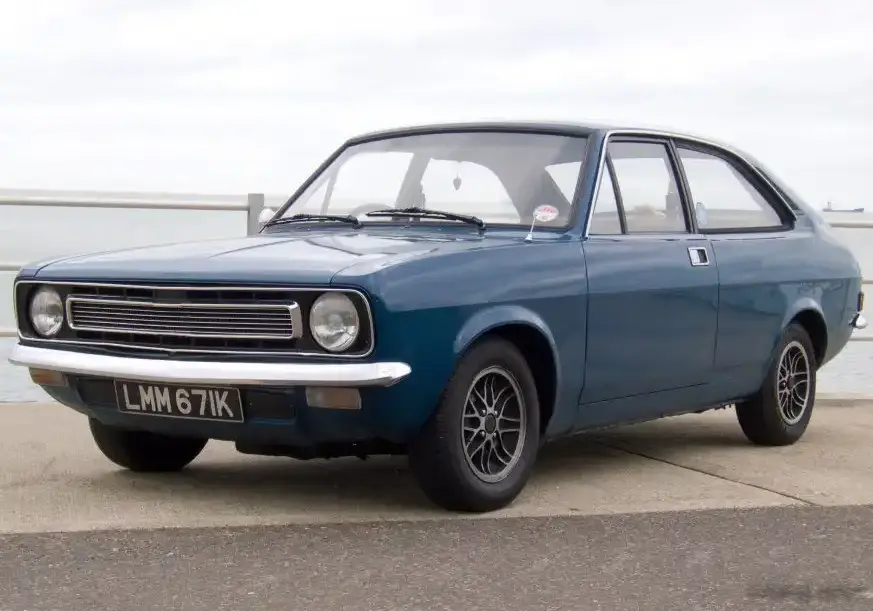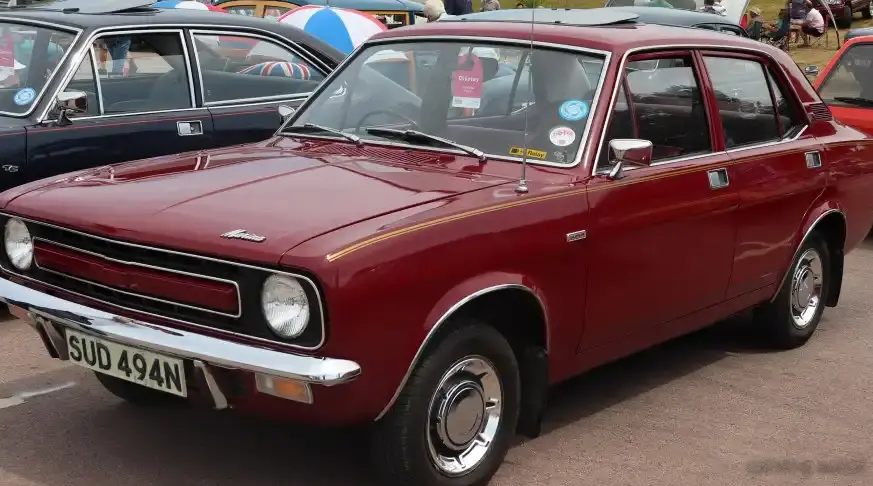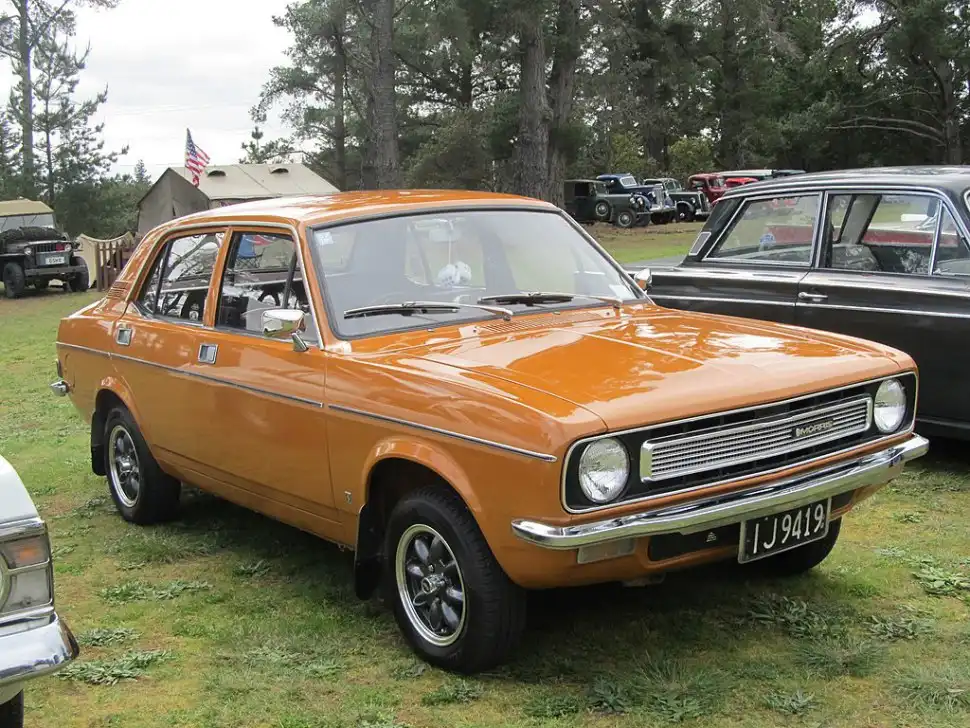
The Morris Marina II 1500 Diesel, produced between 1975 and 1978, represented a significant, though often criticized, attempt by British Leyland to offer an economical and practical family saloon. Positioned as the entry-level diesel variant within the Marina II range, it aimed to appeal to buyers prioritizing fuel efficiency over outright performance. The Marina II itself was a facelift of the original Marina, launched in 1971, intended to address some of the initial criticisms leveled at the car. This diesel version, while not a sales leader, played a role in keeping the Marina competitive in a market increasingly sensitive to rising fuel costs. It was built during a period of significant upheaval for British Leyland, and its design reflected both the constraints and the ambitions of the company at the time.
Technical Specifications
| Brand | Morris |
| Model | Marina |
| Generation | Marina II |
| Type (Engine) | 1500 Diesel (50 Hp) |
| Start of Production | 1975 |
| End of Production | 1978 |
| Powertrain Architecture | Internal Combustion Engine |
| Body Type | Sedan |
| Fuel Type | Diesel |
| Power | 50 Hp |
| Engine Aspiration | Naturally Aspirated |
Powertrain & Engine Architecture
The heart of the Marina II 1500 Diesel was the 1.5-liter (1489cc) OHC diesel engine, designated as the ‘O’ series. This engine was a relatively simple, indirect injection diesel, designed for durability and low-cost production. It featured a single overhead camshaft operating two valves per cylinder. The indirect injection system utilized a pre-combustion chamber, a common design for diesel engines of the era, which helped with cold starting and reduced engine noise compared to direct injection systems. However, it also resulted in lower power output and increased emissions. The engine produced a modest 50 horsepower at 4000 rpm and approximately 88 lb-ft of torque at 1750 rpm. The engine was paired exclusively with a four-speed manual gearbox, as an automatic transmission was not offered with the diesel engine. The transmission was a conventional setup, chosen for its robustness and simplicity. The engine’s design prioritized reliability over refinement, and it was known for its agricultural character.
Driving Characteristics
The driving experience in the Marina II 1500 Diesel was defined by its lack of outright performance. Acceleration was slow, and overtaking required careful planning. The 0-60 mph time was estimated to be around 18-20 seconds, making it one of the slower cars on the road at the time. However, the engine’s torque delivery, while modest, was relatively consistent across a narrow rev range, making it reasonably tractable for everyday driving. The four-speed gearbox had a fairly wide spread of ratios, allowing the driver to keep the engine within its optimal operating range. The steering was light but lacked precision, and the suspension, while providing a reasonably comfortable ride, was prone to body roll in corners. Compared to the petrol-powered Marina models, the diesel version felt significantly slower, but it offered a substantial improvement in fuel economy. The diesel’s gearing was optimized for economy rather than speed, resulting in a lower cruising speed and a higher engine speed at typical motorway velocities.
Equipment & Trim Levels
The 1500 Diesel trim level was the most basic in the Marina II range. Standard equipment was minimal, reflecting its position as an affordable family car. It typically included black vinyl upholstery, rubber floor mats, and a basic instrument panel with speedometer, fuel gauge, and coolant temperature indicator. Features like a heater, windscreen wipers, and basic exterior trim were standard. Optional extras included a radio, upgraded upholstery, and a sunroof. The interior was functional but lacked the refinement of more expensive cars. The dashboard was constructed from hard plastics, and the overall design was utilitarian. The exterior trim was also basic, with minimal brightwork. The Marina II 1500 Diesel was designed to be a practical and affordable mode of transport, and its equipment level reflected that.
Chassis & Braking
The Marina II utilized a conventional body-on-frame construction, which was becoming increasingly outdated by the mid-1970s. The front suspension consisted of independent wishbones and coil springs, while the rear suspension employed a live axle with leaf springs. The steering was a recirculating ball system, which provided light steering but lacked precision. The braking system was hydraulic, with front disc brakes and rear drum brakes. The drum brakes on the rear were a cost-saving measure, and they were less effective than disc brakes, particularly under heavy braking. The car’s weight distribution was not ideal, contributing to understeer. Stabilizer bars were not standard equipment on the 1500 Diesel, further exacerbating the handling issues. The chassis and braking system were adequate for the car’s performance, but they were not particularly sophisticated.
Market Reception & Comparison
The Marina II 1500 Diesel received a mixed reception from critics. While its fuel economy was praised, its performance was widely criticized. Many reviewers found the engine to be noisy and unrefined, and the car’s handling was described as vague and imprecise. However, the car’s affordability and practicality were seen as positive attributes. Compared to other diesel cars of the time, such as the Vauxhall Victor Diesel, the Marina II 1500 Diesel offered a lower price point but also lower performance. Against its petrol-powered siblings, the 1.3 and 1.7-liter Marina models, the diesel version offered significantly better fuel economy but considerably slower acceleration. The diesel was aimed at a different type of buyer – one who prioritized economy over performance. Reliability was also a concern, with some reports of engine failures and corrosion issues.
Legacy
The Morris Marina II 1500 Diesel, while not a particularly memorable car, represents a significant chapter in British automotive history. It was one of the first mass-produced diesel saloons in the UK, and it helped to popularize diesel technology among British motorists. However, its reputation for unreliability and poor performance has tarnished its legacy. Today, surviving examples are relatively rare, and they are primarily sought after by enthusiasts and collectors. The engine, while robust, is prone to wear and tear, and finding spare parts can be challenging. The Marina II 1500 Diesel serves as a reminder of a time when British Leyland was struggling to compete in a rapidly changing automotive market. Its simple design and low-cost construction reflect the economic realities of the 1970s, and its shortcomings highlight the challenges faced by British automakers at the time.