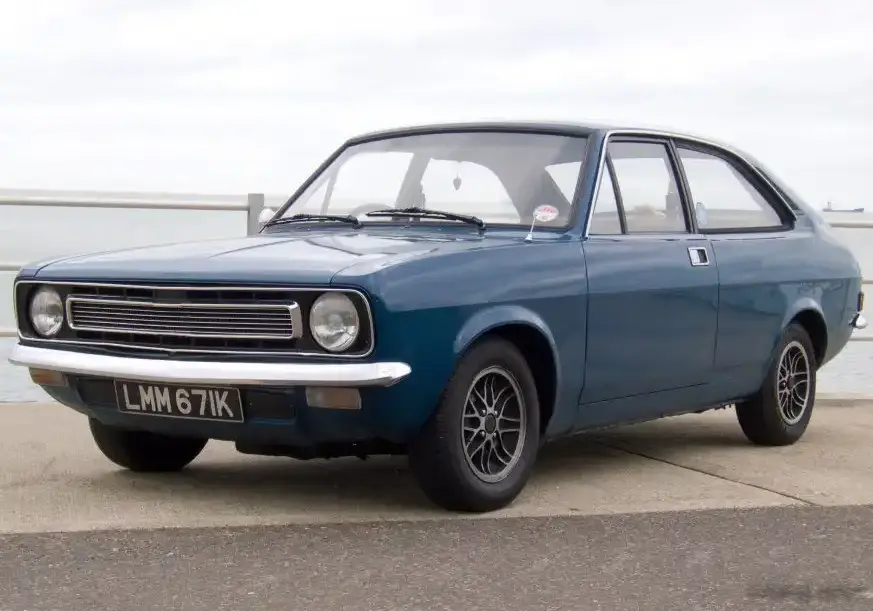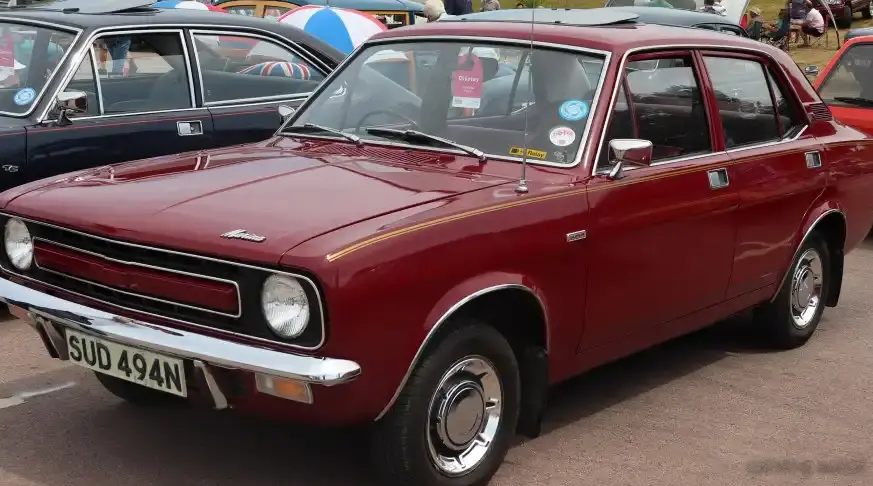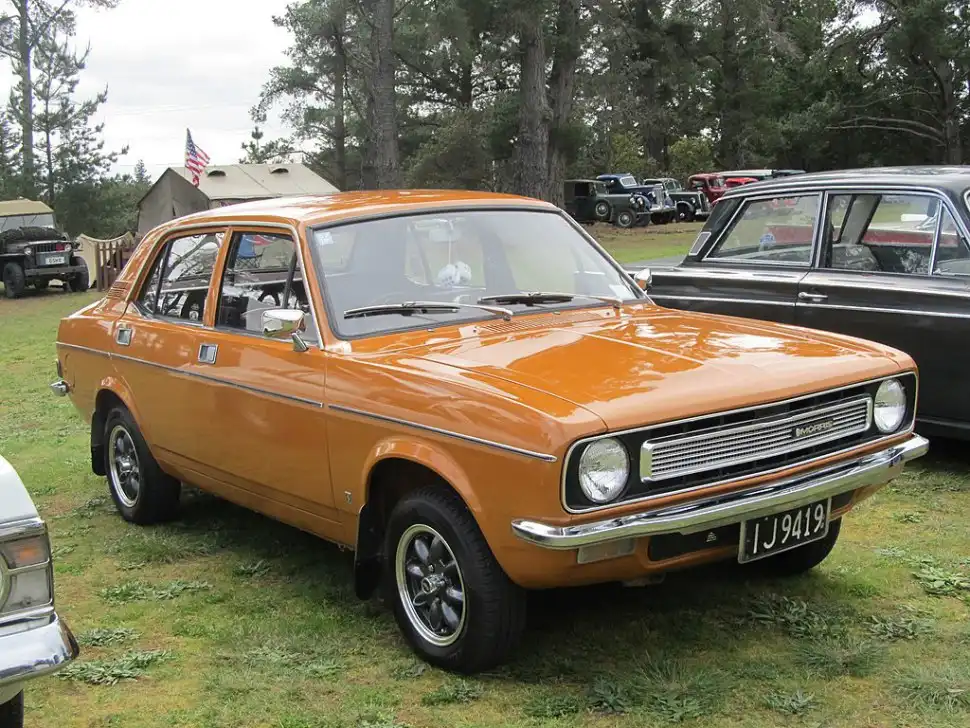
The Morris Marina II 2600 (ZA), produced between 1975 and 1978, represented the top-of-the-line engine offering in the second generation of the Morris Marina. Positioned as the premium trim level, it aimed to provide a more refined and powerful driving experience compared to the lower-spec 1.3 and 1.8-liter models. The Marina II, built upon the ADO17 platform, was intended to consolidate British Leyland’s offerings in the medium-sized family car segment, replacing both the Morris Farina and the Austin 1800. The 2600 ZA variant, with its larger displacement engine, was primarily marketed towards buyers seeking a comfortable and capable family saloon with a degree of performance. While not a sports car, it offered a noticeable step up in power and torque, making it suitable for long journeys and carrying a full load.
Technical Specifications
| Brand | Morris |
| Model | Marina |
| Generation | Marina II |
| Type (Engine) | 2600 (ZA) (110 Hp) |
| Start of Production | 1975 |
| End of Production | 1978 |
| Powertrain Architecture | Internal Combustion Engine |
| Body Type | Sedan |
| Fuel Type | Petrol (Gasoline) |
| Power | 110 Hp |
| Engine Aspiration | Naturally Aspirated |
Powertrain & Engine Architecture
The heart of the Marina II 2600 ZA was the 2,585 cc (158.1 cu in) ‘E’ series inline-six cylinder engine. This engine, derived from the Austin 1800/2200 series, was a robust and relatively simple design. It featured a cast iron block and cylinder head, with a single overhead camshaft operating pushrod-actuated valves. The engine utilized a Zenith-Stromberg 175CD carburetor for fuel delivery, providing adequate, though not particularly sophisticated, fuel management for the era. The ‘ZA’ designation indicated a specific engine tuning for the Marina, aiming for a balance between power and drivability. While the engine produced 110 horsepower (brake horsepower, or bhp) at 4,750 rpm, its real strength lay in its 154 lb-ft of torque at 3,000 rpm. This torque output provided good low-end and mid-range acceleration, making the car relatively easy to drive in everyday conditions. The engine was typically paired with a Borg-Warner automatic transmission, a three-speed unit known for its smoothness but not its efficiency. A four-speed manual transmission was also available, though less common in the 2600 ZA specification.
Driving Characteristics
The Marina II 2600 ZA offered a noticeably more relaxed driving experience compared to its smaller-engined siblings. The larger engine provided ample power for overtaking and cruising on motorways (freeways). However, the automatic transmission, while smooth, did detract from overall performance. Acceleration from 0 to 60 mph was typically around 11-12 seconds, which was respectable for the time but not particularly quick. The gear ratios in the automatic transmission were geared towards comfort and fuel economy rather than outright performance. The suspension, consisting of independent front suspension with coil springs and a live axle rear suspension with leaf springs, provided a comfortable ride, though it could feel somewhat wallowy in corners. The steering was power-assisted, making it light and easy to maneuver, but lacked significant feedback. Compared to the 1.8-liter Marina, the 2600 ZA felt significantly more responsive, particularly when fully loaded. The manual transmission version offered a more engaging driving experience, allowing the driver to fully utilize the engine’s torque.
Equipment & Trim Levels
The 2600 ZA trim level represented the highest specification available on the Marina II. Standard features included reclining front seats, a wood-effect dashboard, and a comprehensive instrument panel. Interior upholstery was typically cloth, available in a range of colors, with the ZA often featuring a more luxurious trim than the lower models. Optional extras included a vinyl roof, a radio with a push-button control, and heated rear window. The exterior of the 2600 ZA was distinguished by chrome trim around the windows and along the body sides, as well as a more elaborate grille. The car also featured full wheel covers and, in some cases, optional Rostyle wheels. The interior layout was typical of British saloons of the era, with a focus on practicality and comfort rather than outright style.
Chassis & Braking
The Marina II utilized a body-on-frame construction, which contributed to its robust but relatively heavy build. The chassis was designed to provide a comfortable ride and good handling, though it was not particularly sophisticated by modern standards. The front suspension featured independent wishbones and coil springs, while the rear suspension employed a live axle with leaf springs. Braking was initially provided by Dunlop disc brakes on the front wheels and drum brakes on the rear. Later models saw the introduction of rear disc brakes on some variants, though this was not standard on the 2600 ZA. The braking system was hydraulically operated, with power assistance becoming increasingly common. Stabilizer bars were fitted to both the front and rear axles to reduce body roll during cornering. The steering was a rack and pinion system, providing relatively precise steering control.
Market Reception & Comparison
The Morris Marina II 2600 ZA received mixed reviews from automotive critics. While the engine was praised for its smoothness and torque, the car was often criticized for its dated design, heavy weight, and somewhat agricultural handling. Compared to its rivals, such as the Ford Cortina and Vauxhall Victor, the Marina II was often seen as less refined and less modern. However, the 2600 ZA offered a compelling combination of power, comfort, and affordability, making it a popular choice for family buyers. Fuel economy was relatively poor, averaging around 18-22 mpg, which was typical for a large-engined saloon of the era. Reliability was also a concern, with the Marina II suffering from a reputation for build quality issues. Compared to the 1.8-liter Marina, the 2600 ZA offered significantly more performance, but at the cost of increased fuel consumption and a higher purchase price. The manual transmission version was generally considered to be more reliable and more enjoyable to drive than the automatic.
Legacy
The Morris Marina II 2600 ZA, while not a groundbreaking vehicle, holds a place in British automotive history as a representative of the era. Today, it is a relatively rare car, with fewer examples surviving than the lower-spec models. The ‘E’ series engine, while prone to oil leaks and overheating if neglected, is generally considered to be a durable and reliable unit. Parts availability can be a challenge, but a dedicated network of classic car enthusiasts and suppliers exists to support owners. The 2600 ZA is now sought after by collectors and enthusiasts who appreciate its classic styling and powerful engine. Its value in the used car market has been steadily increasing in recent years, reflecting its growing rarity and nostalgic appeal. While it may not offer the performance or refinement of modern cars, the Marina II 2600 ZA provides a unique glimpse into a bygone era of British motoring.