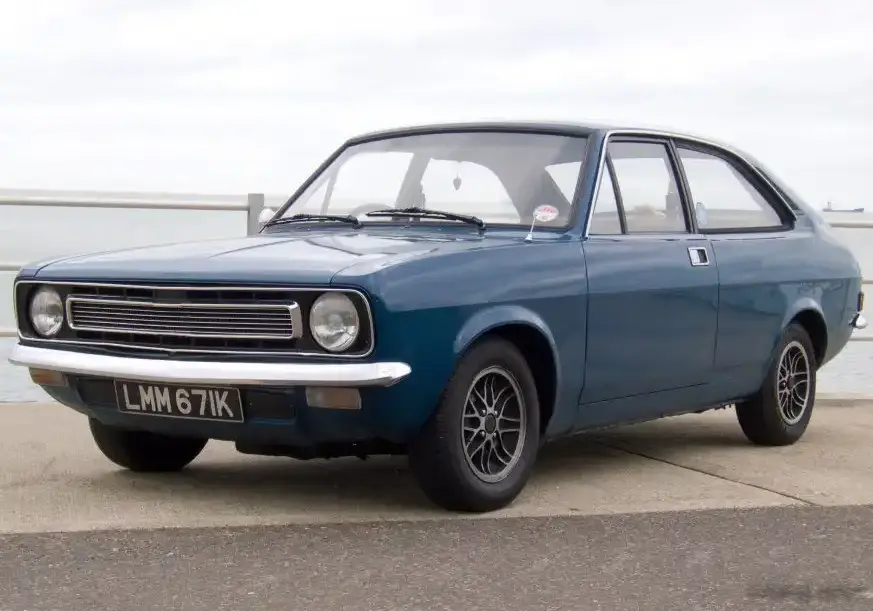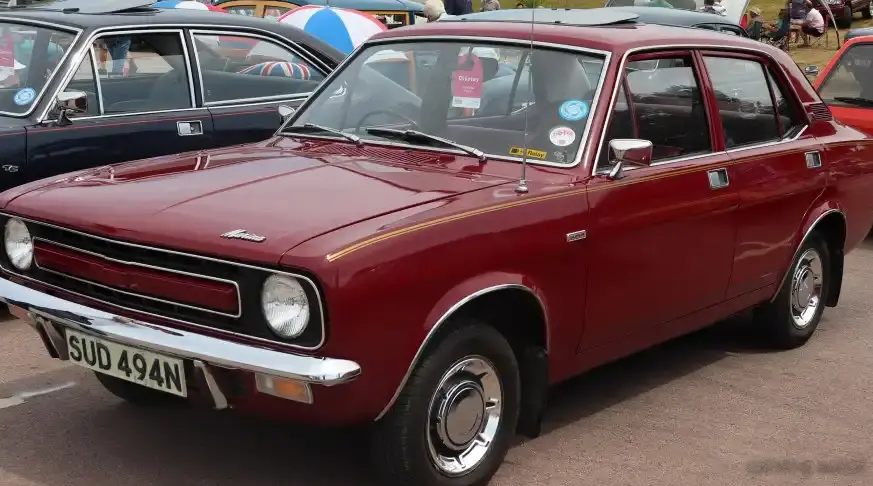
The Morris Marina III Station Wagon 1.7, produced between 1978 and 1980, represented a key iteration within the broader Morris Marina range. Launched in 1971, the Marina was British Leyland’s attempt to consolidate their small family car offerings, replacing the Morris Minor, Austin Cambridge, and Wolseley 1800. The Marina III, introduced in 1975, featured styling updates and mechanical refinements. The station wagon body style, known as the Estate, offered increased practicality for families and was a popular choice in the UK market. The 1.7-liter, 79 horsepower variant occupied a mid-range position in the Marina lineup, offering a balance between affordability and usability. It aimed to provide a comfortable and economical option for buyers needing a versatile vehicle.
Technical Specifications
| Brand | Morris |
| Model | Marina |
| Generation | Marina III Station Wagon |
| Type (Engine) | 1.7 (79 Hp) |
| Start of Production | 1978 |
| End of Production | 1980 |
| Powertrain Architecture | Internal Combustion Engine |
| Body Type | Station Wagon (Estate) |
| Fuel Type | Petrol (Gasoline) |
| Power | 79 Hp |
| Engine Aspiration | Naturally Aspirated |
Powertrain & Engine Architecture
The Morris Marina III 1.7 utilized the ‘E’ series engine, specifically the 1750cc (1.7-liter) version. This engine was a four-cylinder, inline configuration with a cast iron block and cylinder head. It featured a single overhead camshaft (SOHC) operating a two-valve per cylinder valvetrain. Fuel delivery was managed by a Zenith 36mm carburetor, a relatively simple and robust system common for the era. The engine produced 79 horsepower at 5000 rpm and approximately 109 lb-ft of torque at 3000 rpm. The 1.7-liter engine was paired with a four-speed manual gearbox as standard, but a Borg Warner three-speed automatic transmission was offered as an option, which is the focus of this article. The automatic transmission was known for its smooth, if somewhat leisurely, shifts. It was designed for comfortable cruising rather than sporty performance. The engine’s design prioritized reliability and ease of maintenance over outright power.
Driving Characteristics
The Marina III 1.7 Automatic offered a comfortable, but unhurried, driving experience. The automatic transmission, while providing convenience, noticeably impacted acceleration compared to the manual versions. The 0-60 mph time was estimated to be around 16-18 seconds, making it slower than the manual 1.7 and significantly slower than the larger-engined Marina models. The gear ratios in the automatic were geared towards economy, resulting in a relatively low engine speed at cruising speeds. This contributed to reasonable fuel economy for the time, but also meant that overtaking required careful planning. The suspension, consisting of independent front suspension with coil springs and a live axle rear suspension with leaf springs, provided a comfortable ride, absorbing bumps reasonably well. However, the handling was not particularly sharp, with noticeable body roll in corners. The steering was power-assisted, making it light and easy to maneuver at low speeds, but lacking in feel at higher speeds.
Equipment & Trim Levels
The 1.7 Station Wagon Automatic typically fell into the mid-range of the Marina III lineup. Standard equipment included cloth upholstery, a heater, and basic instrumentation. The dashboard was typically finished in a woodgrain effect, and the interior was generally functional rather than luxurious. Optional extras included a radio, upgraded seat fabrics, and a sunroof. The Estate models generally came with a rear window wiper and a load-securing net in the luggage area. Trim levels varied slightly depending on the year of manufacture, but generally, the 1.7 Automatic offered a good level of standard equipment for its price point. The automatic transmission itself was often considered an upgrade, adding to the vehicle’s appeal for drivers prioritizing convenience.
Chassis & Braking
The Marina III utilized a body-on-frame construction, which was becoming increasingly outdated by the late 1970s. The chassis was relatively robust, but contributed to the car’s overall weight. The front suspension featured independent wishbones and coil springs, while the rear suspension employed a live axle with leaf springs. Braking was initially provided by Girling hydraulic disc brakes on the front wheels and drum brakes on the rear wheels. Later models saw the introduction of rear disc brakes on some trims, but the 1.7 Automatic typically retained the rear drum setup. The braking system was adequate for normal driving conditions, but lacked the stopping power of more modern vehicles. Stabilizer bars were fitted to both the front and rear axles to reduce body roll, but their effectiveness was limited by the car’s overall weight and suspension design.
Market Reception & Comparison
The Morris Marina III 1.7 Automatic received mixed reviews from automotive critics. It was generally praised for its practicality, spacious interior, and comfortable ride. However, it was often criticized for its lack of performance, dated design, and somewhat agricultural feel. Compared to its siblings, the 1.7 Automatic offered a compromise between the more economical 1.3-liter versions and the more powerful 2.0-liter models. The 1.3-liter versions were more fuel-efficient but lacked the power for comfortable highway cruising, while the 2.0-liter models offered significantly better performance but at a higher price. Fuel economy for the 1.7 Automatic was around 25-30 mpg, which was reasonable for the time. Reliability was generally good, although the Marina was known for some electrical issues and susceptibility to rust. Compared to contemporary rivals like the Ford Cortina and Vauxhall Cavalier, the Marina was often seen as less refined and less modern.
Legacy
The Morris Marina, and subsequently the Austin Marina after the Morris brand was phased out, was ultimately a commercial disappointment for British Leyland. While it sold in reasonable numbers, it failed to capture the hearts of British buyers in the same way as some of its predecessors. The 1.7-liter engine, however, proved to be a relatively durable and reliable unit, and many examples are still in use today. In the used car market, the Marina III 1.7 Automatic is now considered a classic vehicle, appealing to enthusiasts and collectors. Its simplicity and ease of maintenance make it a relatively affordable classic to own and restore. However, finding well-preserved examples can be challenging due to the car’s susceptibility to rust. The Marina represents a significant, if flawed, chapter in British automotive history, and the 1.7 Automatic variant offers a glimpse into the motoring experience of the late 1970s.