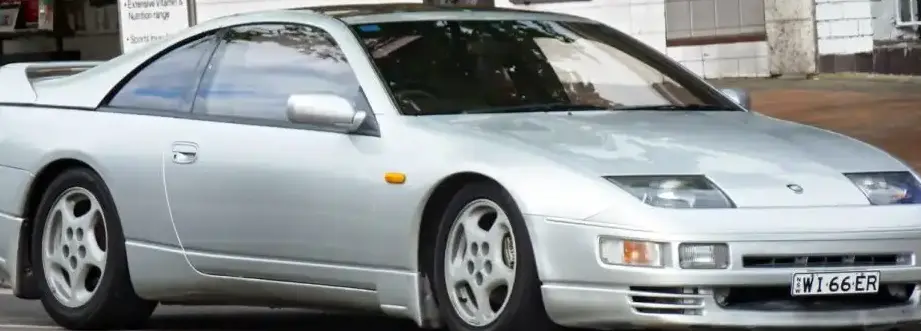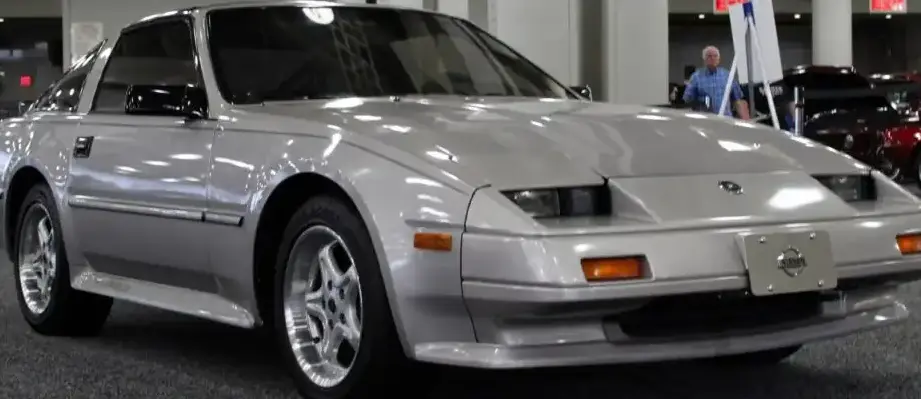
The Nissan 300ZX (Z31) 3.0 Turbo, produced from 1987 to 1990, represented a significant evolution in Nissan’s sports car lineage. Part of the second generation of the Z-car platform, the Z31 aimed to blend performance with a more refined and technologically advanced package than its predecessor, the 280ZX. This particular 3.0 Turbo variant occupied the top performance tier of the Z31 lineup, offering a substantial power increase over the naturally aspirated models and serving as a direct competitor to other grand tourers of the era, such as the Mazda RX-7 Turbo and Porsche 944. While often overshadowed by the later Z32 generation, the Z31 3.0 Turbo remains a desirable classic, appreciated for its distinctive styling and robust powertrain.
Technical Specifications
| Brand | Nissan |
| Model | 300 ZX |
| Generation | 300 ZX (Z31) |
| Type (Engine) | 3.0 Turbo (203 Hp) |
| Start of production | 1987 |
| End of production | 1990 |
| Powertrain Architecture | Internal Combustion engine |
| Body type | Coupe |
| Seats | 4 |
| Doors | 2 |
| Fuel Type | Petrol (Gasoline) |
| Power | 203 Hp |
| Engine Model/Code | VG30ET |
| Engine aspiration | Turbocharger |
| Engine oil capacity | 4 l (4.23 US qt | 3.52 UK qt) |
Powertrain & Engine Architecture
The heart of the 300ZX 3.0 Turbo is the VG30ET engine, a 3.0-liter, naturally aspirated V6 that received a Garrett T25 turbocharger and intercooler. This configuration boosted output to 203 horsepower and 198 lb-ft of torque. The VG30ET featured a cast iron block and an aluminum cylinder head, employing multi-port fuel injection and a single overhead camshaft (SOHC) design per bank. The turbocharger system utilized a wastegate to regulate boost pressure, preventing overboost conditions. The engine’s compression ratio was 7.8:1, optimized for turbocharging. The Z31 3.0 Turbo exclusively came with a four-speed automatic transmission, a decision that, while providing ease of use, drew criticism from enthusiasts who preferred the available five-speed manual in other Z31 models. The automatic transmission was electronically controlled, offering smoother shifts compared to earlier iterations, but it did impact acceleration times.
Driving Characteristics
The 3.0 Turbo’s driving experience was characterized by strong mid-range torque, delivered thanks to the turbocharger. While not as immediately responsive as some contemporary turbocharged engines, the VG30ET provided a substantial surge of power once boost came on, making for confident highway passing and brisk acceleration. The four-speed automatic transmission, while convenient, did result in slightly slower 0-60 mph times compared to the manual transmission equipped models – typically around 7.5 seconds versus the manual’s 6.8 seconds. The automatic’s gear ratios were geared more towards comfortable cruising than outright performance. Handling was generally considered good for its time, with the Z31 featuring independent suspension all around. However, the car’s weight (around 3,300 lbs) and the automatic transmission did contribute to a less agile feel compared to lighter, manual transmission sports cars.
Equipment & Trim Levels
The 3.0 Turbo trim was the most well-equipped Z31 offered. Standard features included leather upholstery, power windows, power locks, power mirrors, cruise control, and an upgraded sound system. Air conditioning was also standard. Optional extras included a premium Bose stereo system, sunroof, and automatic climate control. The interior design featured a driver-focused cockpit with analog gauges, including a boost gauge to monitor turbocharger performance. The dashboard layout was relatively straightforward, prioritizing functionality over elaborate styling. The exterior styling of the 3.0 Turbo was distinguished by its flared wheel arches, rear spoiler, and unique alloy wheels.
Chassis & Braking
The Z31 chassis utilized a unibody construction, providing a good balance of rigidity and weight. The suspension system consisted of independent MacPherson struts in the front and independent multi-link suspension in the rear. Stabilizer bars were fitted both front and rear to reduce body roll during cornering. Braking duties were handled by power-assisted disc brakes on all four wheels, providing adequate stopping power for the car’s weight and performance. The 3.0 Turbo models typically featured larger brake rotors and calipers compared to the base models. Steering was rack-and-pinion, offering precise and responsive handling.
Market Reception & Comparison
The 300ZX 3.0 Turbo was generally well-received by automotive critics, who praised its performance, styling, and overall refinement. However, the automatic transmission was a common point of criticism, with many reviewers preferring the more engaging experience of the manual gearbox. Compared to the naturally aspirated 300ZX models, the 3.0 Turbo offered a significant performance upgrade, justifying its higher price tag. Against competitors like the Mazda RX-7 Turbo and Porsche 944, the 300ZX 3.0 Turbo offered a compelling combination of performance, features, and value. Fuel economy was reasonable for a turbocharged sports car of the era, averaging around 18 mpg city and 24 mpg highway. Reliability was generally good, although the turbocharger system did require regular maintenance to ensure optimal performance.
Legacy
The Z31 3.0 Turbo, while a relatively short-lived model, has gained a dedicated following among Z-car enthusiasts. The VG30ET engine is known for its durability and potential for modification. The automatic transmission, while not ideal for performance purists, has proven to be relatively reliable. Today, well-maintained Z31 3.0 Turbos are becoming increasingly collectible, with prices reflecting their rarity and historical significance. Common issues with used examples include turbocharger wear, vacuum leaks, and aging rubber components. However, parts availability remains relatively good, and the Z31’s relatively simple mechanical design makes it a rewarding car to own and maintain for those willing to invest the time and effort. The Z31 3.0 Turbo represents a pivotal moment in Nissan’s Z-car history, bridging the gap between the classic 240Z/280Z models and the technologically advanced Z32 generation.