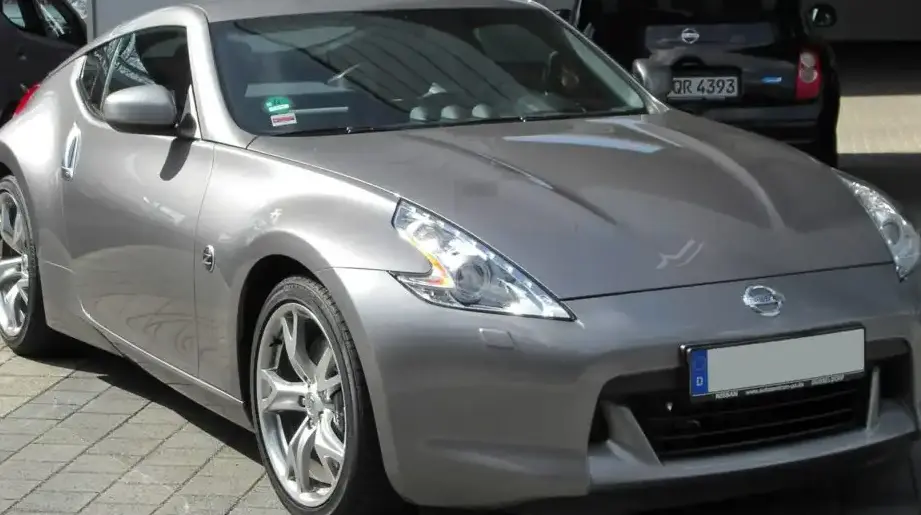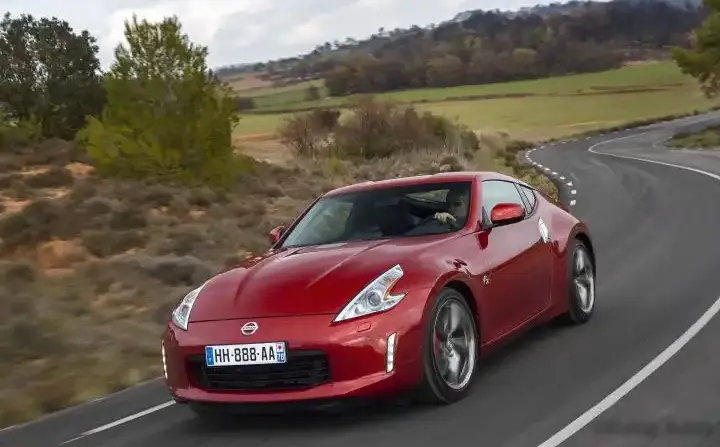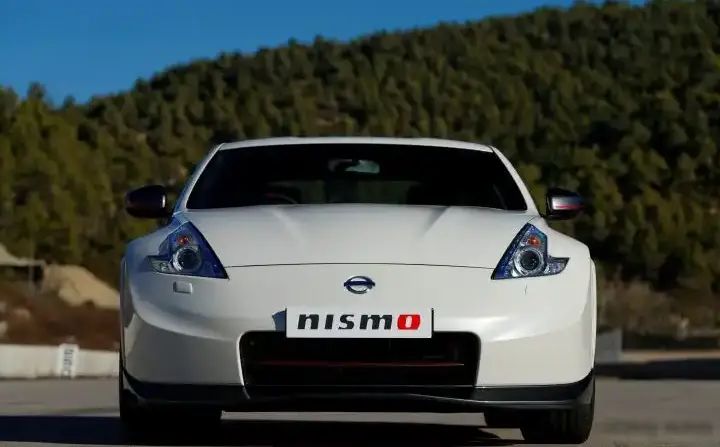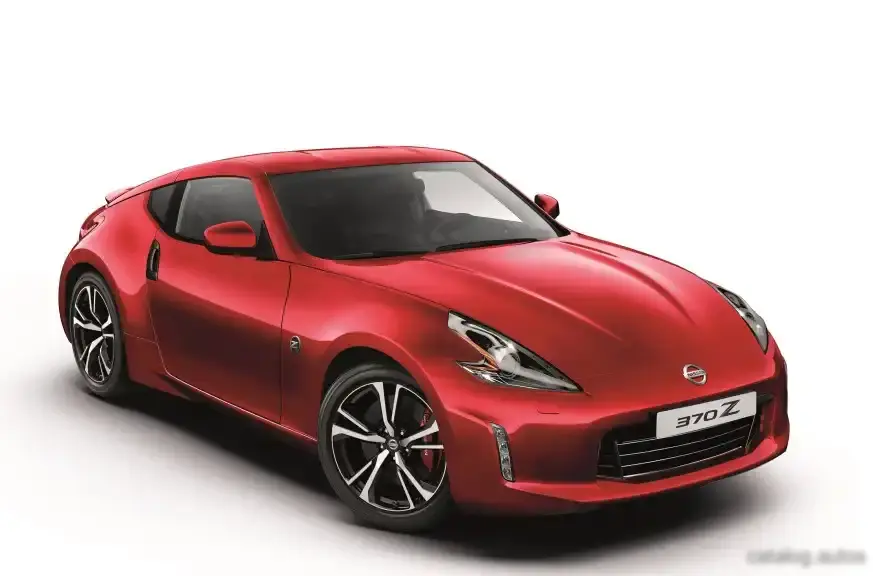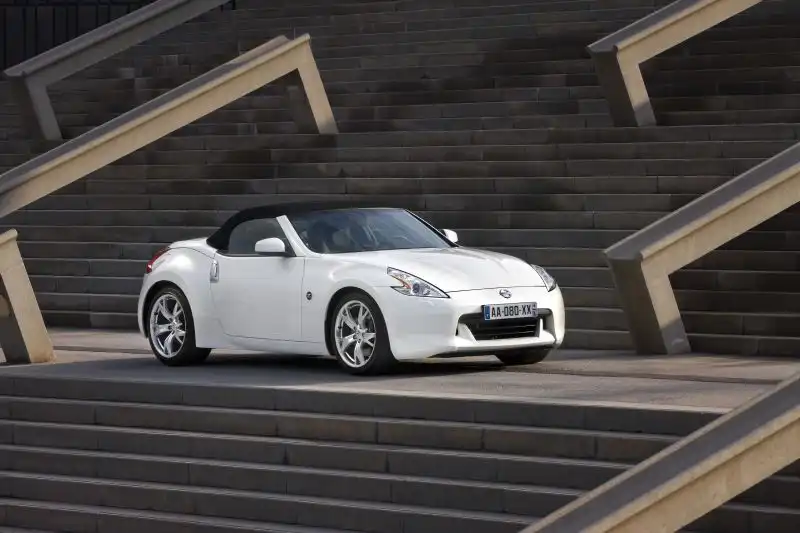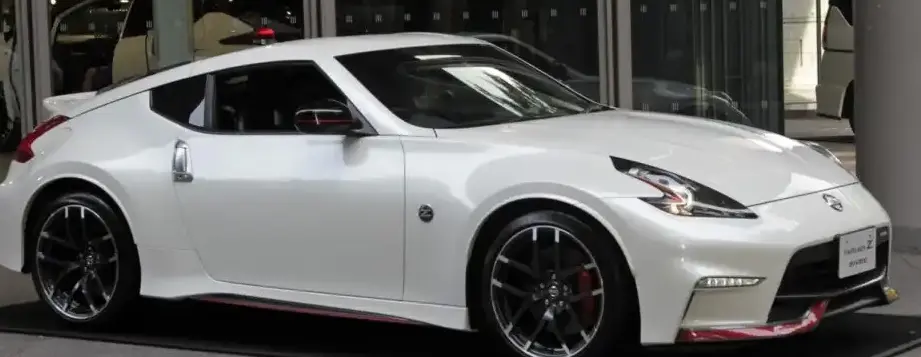
The Nissan 370Z Nismo, specifically the facelifted 2017-2020 model year equipped with the 3.7-liter V6 engine and a 7-speed automatic transmission, represents the pinnacle of the Z33 generation. Introduced as a performance-focused variant, the Nismo model aimed to deliver a more aggressive driving experience and enhanced aesthetics compared to the standard 370Z. Production ran from 2017 to 2020, serving as the final iteration of the Z33 before the introduction of the Z (RZ34) model. This configuration was exclusively offered in the United States and Canada, catering to enthusiasts seeking a high-performance, rear-wheel-drive sports coupe.
Technical Specifications
| Brand | Nissan |
| Model | 370Z |
| Generation | 370Z Coupe (facelift 2017) |
| Type (Engine) | Nismo 3.7 V6 (350 Hp) Automatic (USA) |
| Start of production | 2017 |
| End of production | 2020 |
| Powertrain Architecture | Internal Combustion engine |
| Body type | Coupe |
| Seats | 2 |
| Doors | 3 |
| Fuel consumption (economy) – urban (EPA) | 12.4 l/100 km (19 US mpg, 22.8 UK mpg, 8.1 km/l) |
| Fuel consumption (economy) – extra urban (EPA) | 9 l/100 km (26.1 US mpg, 31.4 UK mpg, 11.1 km/l) |
| Fuel consumption (economy) – combined (EPA) | 10.7 l/100 km (22 US mpg, 26.4 UK mpg, 9.3 km/l) |
| Fuel Type | Petrol (Gasoline) |
| Weight-to-power ratio | 4.5 kg/Hp, 221.4 Hp/tonne |
| Weight-to-torque ratio | 4.2 kg/Nm, 236.6 Nm/tonne |
| Power | 350 Hp @ 7400 rpm |
| Power per litre | 94.7 Hp/l |
| Torque | 374 Nm @ 5200 rpm (275.85 lb.-ft. @ 5200 rpm) |
| Maximum engine speed | 7500 rpm |
| Engine layout | Front, Longitudinal |
| Engine Model/Code | VQ37VHR |
| Engine displacement | 3696 cm3 (225.54 cu. in.) |
| Number of cylinders | 6 |
| Engine configuration | V-engine |
| Cylinder Bore | 95.5 mm (3.76 in.) |
| Piston Stroke | 86 mm (3.39 in.) |
| Compression ratio | 11:1 |
| Number of valves per cylinder | 4 |
| Fuel injection system | Multi-port manifold injection |
| Engine aspiration | Naturally aspirated engine |
| Valvetrain | DOHC, VVEL |
| Engine oil capacity | 4.9 l (5.18 US qt, 4.31 UK qt) |
| Coolant | 9.1 l (9.62 US qt, 8.01 UK qt) |
| Kerb Weight | 1581 kg (3485.51 lbs.) |
| Max. weight | 1800 kg (3968.32 lbs.) |
| Max load | 219 kg (482.81 lbs.) |
| Trunk (boot) space – minimum | 195 l (6.89 cu. ft.) |
| Fuel tank capacity | 72 l (19.02 US gal, 15.84 UK gal) |
| Length | 4331 mm (170.51 in.) |
| Width | 1870 mm (73.62 in.) |
| Height | 1316 mm (51.81 in.) |
| Wheelbase | 2550 mm (100.39 in.) |
| Front track | 1555 mm (61.22 in.) |
| Rear (Back) track | 1580 mm (62.2 in.) |
| Drag coefficient (Cd) | 0.30 |
| Minimum turning circle (turning diameter) | 10.4 m (34.12 ft.) |
| Drivetrain Architecture | Rear wheel drive |
| Drive wheel | Rear wheel drive |
| Number of gears and type of gearbox | 7 gears, automatic transmission |
| Front suspension | Double wishbone, Transverse stabilizer |
| Rear suspension | Independent multi-link suspension, Transverse stabilizer |
| Front brakes | Ventilated discs, 355×33 mm |
| Rear brakes | Ventilated discs, 350×20 mm |
| Assisting systems | ABS (Anti-lock braking system) |
| Steering type | Steering rack and pinion |
| Power steering | Hydraulic Steering |
| Tires size | Front wheel tires: 245/40 R19 Rear wheel tires: 285/35 R19 |
| Wheel rims size | Front wheel rims: 9.5J x 19 Rear wheel rims: 10.5J x 19 |
INTRODUCTION
The 2017-2020 Nissan 370Z Nismo Automatic is a rear-wheel-drive sports coupe built upon the FM (Front-Midship) platform, internally designated as the Z33. The facelift introduced in 2017 brought revised styling cues, including a more aggressive front fascia, LED daytime running lights, and updated interior trim. The Nismo variant, positioned as the top-tier performance model, further enhanced the aesthetic and mechanical aspects of the 370Z. This particular configuration, pairing the potent 3.7-liter V6 with a 7-speed automatic transmission, aimed to broaden the 370Z’s appeal by offering a blend of performance and convenience. It sat above the base 370Z and Touring models, offering a more focused driving experience than the standard automatic options.
Powertrain & Engine Architecture
At the heart of the 370Z Nismo is the VQ37VHR 3.7-liter V6 engine. This naturally aspirated powerplant boasts a robust design featuring a 60-degree V-angle, aluminum alloy block and cylinder heads, and dual overhead camshafts (DOHC) with variable valve timing (VVEL) on both intake and exhaust sides. The VVEL system optimizes valve lift and timing for improved efficiency and performance across the rev range. Fuel delivery is managed by a multi-port fuel injection system. The engine produces 350 horsepower at 7400 rpm and 276 lb-ft of torque at 5200 rpm. The 7-speed automatic transmission, sourced from Jatco, features adaptive shift control and manual shift mode with steering wheel-mounted paddle shifters. This transmission was chosen to provide smoother shifts and enhanced fuel efficiency compared to the 6-speed manual option, though at the expense of some driver engagement.
Driving Characteristics
The 370Z Nismo Automatic delivers a spirited driving experience, though it differs noticeably from the manual transmission variant. The automatic transmission prioritizes smooth shifts and ease of use, making it well-suited for daily driving. However, it can feel slightly less responsive during aggressive driving compared to the manual. The 7-speed gearbox offers relatively quick shifts in manual mode, but it doesn’t quite match the immediacy of a traditional manual. The Nismo-tuned suspension, featuring stiffer springs and dampers, contributes to reduced body roll and improved handling. The rear-wheel-drive configuration provides excellent balance and allows for controlled oversteer, making it a rewarding car to drive on winding roads. The power delivery is linear and predictable, with a strong mid-range punch.
Equipment & Trim Levels
The 370Z Nismo Automatic came standard with a comprehensive list of features. Interior appointments included Recaro sport seats upholstered in suede and synthetic leather, a Nismo-branded steering wheel, aluminum pedals, and automatic climate control. Exterior features included a unique Nismo body kit with a front spoiler, side skirts, and a rear spoiler, as well as Nismo-branded wheels and badging. Optional extras included a Bose premium audio system, navigation system, and a rear-view camera. The Nismo trim was designed to convey a sense of exclusivity and performance, differentiating it from the more mainstream 370Z models.
Chassis & Braking
The 370Z Nismo utilizes a double-wishbone front suspension and an independent multi-link rear suspension, both tuned for enhanced performance. Stabilizer bars are present at both ends to minimize body roll. The braking system consists of ventilated discs on all four wheels, with larger rotors and upgraded calipers compared to the standard 370Z. The Nismo model also benefits from an upgraded ABS system. The chassis is reinforced in key areas to improve rigidity and handling precision. The tires, sized 245/40R19 at the front and 285/35R19 at the rear, provide ample grip for spirited driving.
Market Reception & Comparison
The 2017-2020 Nissan 370Z Nismo Automatic received generally positive reviews from automotive critics. It was praised for its powerful engine, engaging handling, and distinctive styling. However, some reviewers noted that the automatic transmission lacked the engagement of the manual option. Compared to the standard 370Z Automatic, the Nismo offered a more focused driving experience and a more aggressive appearance. Compared to rivals like the Ford Mustang GT and Chevrolet Camaro SS, the 370Z Nismo offered a more balanced and refined driving experience, though it typically lagged behind in outright acceleration. Fuel economy was rated at 19 mpg city, 26 mpg highway, and 22 mpg combined, which was comparable to other sports cars in its class.
Legacy
The Nissan 370Z Nismo Automatic represents a compelling blend of performance, style, and convenience. While the Z33 generation has been superseded by the newer Z model, the 370Z Nismo remains a popular choice among enthusiasts. The VQ37VHR engine is known for its reliability and durability, and the 7-speed automatic transmission, while not as engaging as a manual, has proven to be relatively trouble-free. On the used car market, well-maintained 370Z Nismo Automatics command a premium price due to their limited production numbers and desirable features. They continue to be appreciated for their unique character and driving dynamics, solidifying their place as a modern classic sports car.