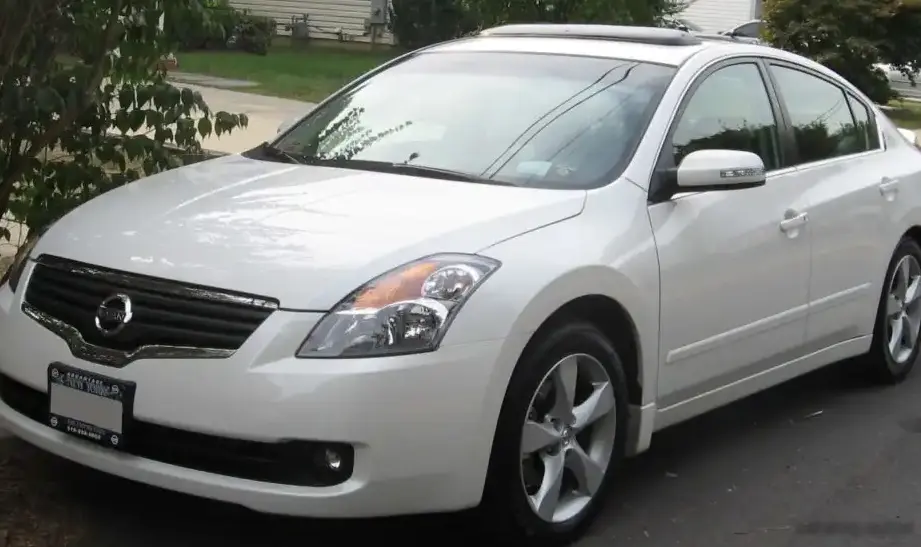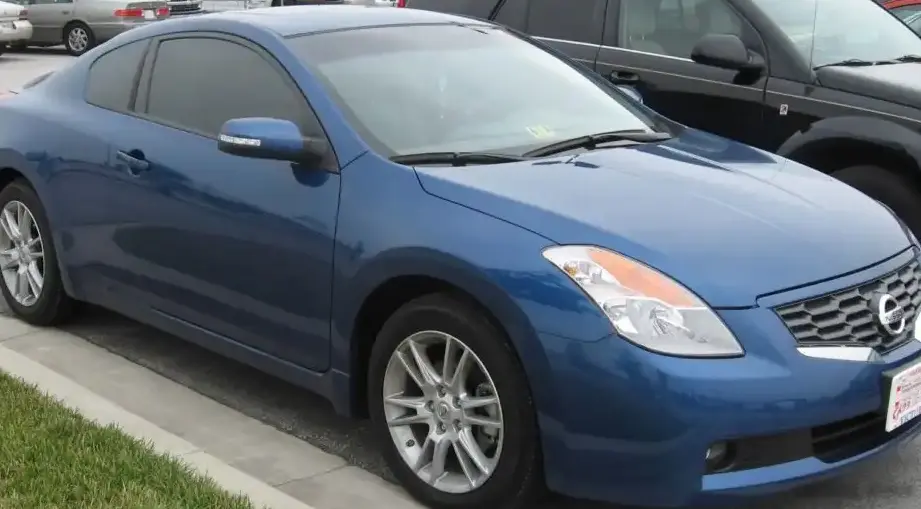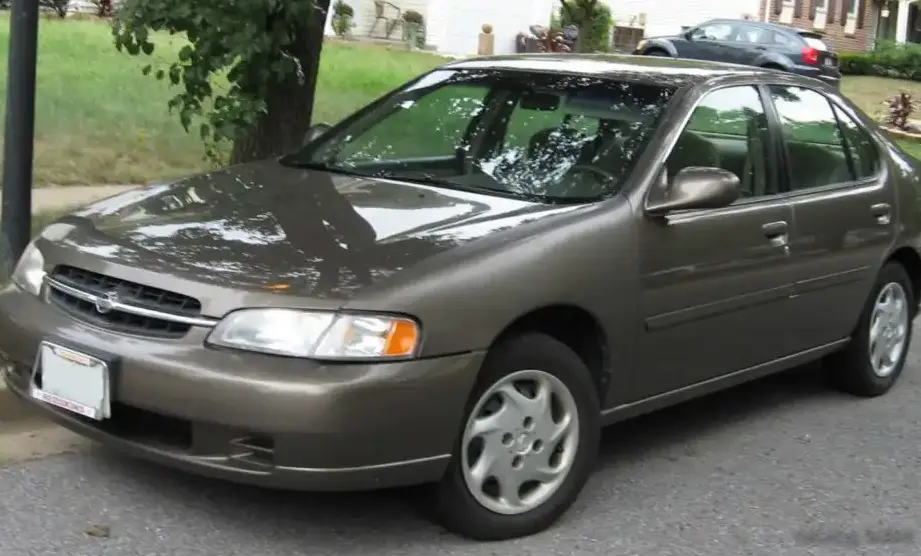
The Nissan Altima II, produced between 1998 and 2002, represented a significant step forward for Nissan’s mid-size sedan offering in the North American market. Positioned as a comfortable and practical family vehicle, the Altima II (internally designated as the L30 chassis) aimed to compete with established rivals like the Honda Accord and Toyota Camry. This particular variant, the 2.4-liter 16-valve engine paired with a four-speed automatic transmission, served as a popular mid-range option, balancing affordability with a reasonable level of performance and convenience. It sat between the base 2.0L engine and the more powerful (though not available in all years) V6 options.
Technical Specifications
| Brand | Nissan |
| Model | Altima |
| Generation | Altima II |
| Type (Engine) | 2.4 16V (152 Hp) Automatic |
| Start of production | 1998 |
| End of production | 2002 |
| Powertrain Architecture | Internal Combustion engine |
| Body type | Sedan |
| Seats | 5 |
| Doors | 4 |
| Fuel consumption (urban) | 11.8 l/100 km (19.9 US mpg) |
| Fuel consumption (extra urban) | 9.1 l/100 km (25.8 US mpg) |
| Fuel Type | Petrol (Gasoline) |
| Acceleration 0 – 100 km/h | 9 sec |
| Acceleration 0 – 62 mph | 9 sec |
| Acceleration 0 – 60 mph | 8.6 sec |
| Maximum speed | 180 km/h (111.85 mph) |
| Weight-to-power ratio | 9.1 kg/Hp |
| Weight-to-torque ratio | 6.6 kg/Nm |
| Power | 152 Hp @ 5600 rpm |
| Torque | 209 Nm @ 4400 rpm (154.15 lb.-ft. @ 4400 rpm) |
| Engine layout | Front, Transverse |
| Engine Model/Code | KA24DE |
| Engine displacement | 2389 cm3 (145.79 cu. in.) |
| Number of cylinders | 4 |
| Engine configuration | Inline |
| Cylinder Bore | 89 mm (3.5 in.) |
| Piston Stroke | 96 mm (3.78 in.) |
| Compression ratio | 9.2:1 |
| Number of valves per cylinder | 4 |
| Fuel injection system | Multi-port manifold injection |
| Engine aspiration | Naturally aspirated engine |
| Valvetrain | DOHC |
| Engine oil capacity | 3.4 l (3.59 US qt | 2.99 UK qt) |
| Coolant capacity | 7 l (7.4 US qt | 6.16 UK qt) |
| Kerb Weight | 1385 kg (3053.4 lbs.) |
| Trunk (boot) space | 390 l (13.77 cu. ft.) |
| Fuel tank capacity | 60 l (15.85 US gal | 13.2 UK gal) |
| Length | 4660 mm (183.46 in.) |
| Width | 1760 mm (69.29 in.) |
| Height | 1420 mm (55.91 in.) |
| Wheelbase | 2620 mm (103.15 in.) |
| Front track | 1510 mm (59.45 in.) |
| Rear track | 1500 mm (59.06 in.) |
| Drivetrain | Front wheel drive |
| Number of gears | 4 |
| Gearbox type | automatic transmission |
| Front suspension | Spring Strut |
| Rear suspension | Torsion |
| Front brakes | Ventilated discs |
| Rear brakes | Disc |
| Assisting systems | ABS (Anti-lock braking system) |
| Steering type | Steering rack and pinion |
| Power steering | Hydraulic Steering |
| Tires size | 195/65 R15 |
| Wheel rims size | 15 |
Powertrain & Engine Architecture
The heart of this Altima II variant is the KA24DE 2.4-liter inline-four cylinder engine. This engine, a mainstay in Nissan’s lineup for many years, is known for its durability and relatively simple design. It features a cast iron block and an aluminum cylinder head, incorporating a dual overhead camshaft (DOHC) valvetrain with four valves per cylinder. This configuration allowed for improved breathing and higher engine speeds compared to older single overhead cam designs. Fuel delivery is managed by a multi-port fuel injection system, providing precise fuel metering for optimal combustion. The KA24DE produces 152 horsepower at 5600 rpm and 209 Nm (154.15 lb-ft) of torque at 4400 rpm. The four-speed automatic transmission, while not offering the most modern gear ratios, was chosen for its smoothness and ease of use, appealing to a broader customer base. It’s a conventional hydraulic automatic, lacking the electronic controls found in later transmissions.
Driving Characteristics
The 2.4L automatic Altima II delivers a comfortable and predictable driving experience. Acceleration from a standstill to 60 mph takes approximately 8.6 seconds, which was adequate for the time but doesn’t offer particularly sporty performance. The automatic transmission prioritizes smooth shifts over aggressive downshifting, resulting in a relaxed driving style. Compared to the manual transmission versions of the same engine, the automatic sacrifices some responsiveness. The higher-output V6 models offered significantly more power and quicker acceleration, but at a higher price point. The automatic’s gear ratios are tuned for fuel efficiency and everyday drivability, making it well-suited for commuting and highway cruising. However, passing maneuvers require planning, as the transmission can be slow to downshift.
Equipment & Trim Levels
The 2.4L automatic Altima II typically came standard with features such as air conditioning, power windows and locks, and an AM/FM stereo. Higher trim levels, often denoted by “S” or “SE” badges, added features like alloy wheels, a sunroof, upgraded interior upholstery, and a CD player. Interior materials were generally durable and practical, though not particularly luxurious. The dashboard layout is functional and straightforward, with easy-to-read gauges. Optional extras included a premium sound system and side airbags.
Chassis & Braking
The Altima II utilizes a front-wheel-drive layout with a MacPherson strut front suspension and a torsion beam rear suspension. This setup provides a comfortable ride quality, though it doesn’t offer the same level of handling precision as more sophisticated independent rear suspension systems. Braking duties are handled by ventilated discs up front and solid discs in the rear. Anti-lock brakes (ABS) were standard, enhancing safety by preventing wheel lockup during hard braking. The steering is rack-and-pinion with hydraulic power assist, providing a reasonably responsive feel.
Market Reception & Comparison
The Altima II 2.4L automatic was generally well-received by critics as a solid, reliable, and affordable mid-size sedan. It offered a good balance of features and fuel economy, making it a practical choice for families. However, some reviewers noted that the automatic transmission could feel sluggish and that the interior lacked the refinement of some competitors. Fuel economy figures averaged around 19-26 mpg, depending on driving conditions. Compared to the V6 models, the 2.4L offered better fuel economy but significantly less power. The 2.0L base model was even more fuel-efficient but lacked the performance of the 2.4L.
Legacy
The KA24DE engine, in general, has earned a reputation for being a robust and long-lasting powerplant. With proper maintenance, these engines can reliably exceed 200,000 miles. The four-speed automatic transmission, while not as sophisticated as modern units, is also generally durable. Today, the Altima II 2.4L automatic can be found on the used car market at very affordable prices. They are often sought after by those looking for a dependable and inexpensive commuter car. However, potential buyers should be aware of potential age-related issues such as rust, worn suspension components, and the possibility of needing routine maintenance items like timing belt replacement (if not already done). The simplicity of the engine and transmission makes them relatively easy and inexpensive to repair, contributing to their continued appeal.